10 Must-Have Elements for a Cozy and Stylish Home Interior
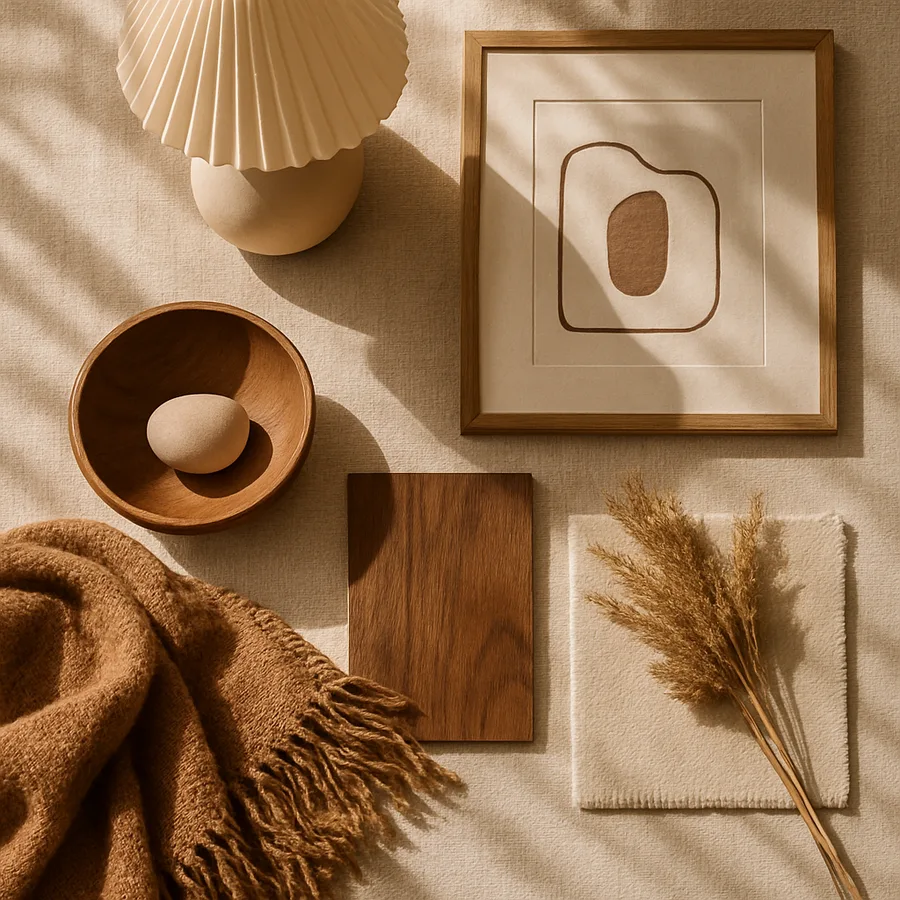
Creating a home that feels both cozy and stylish is an art that blends comfort with intentional design, warmth with sophistication, and personal expression with timeless principles. The desire for a space that wraps you in comfort while still looking polished and put-together is universal, yet achieving that balance can feel elusive without the right guidance. According to the American Society of Interior Designers (ASID), homeowners who invest in creating cohesive, comfortable interiors report a 65% increase in overall life satisfaction compared to those who neglect their living environments. This statistic underscores a fundamental truth: the spaces we inhabit profoundly shape our emotional and psychological wellbeing. A cozy home is not merely a luxury; it is a foundation for a fulfilling daily life.
The concept of coziness, often captured by the Danish word "hygge," has gained tremendous traction in the design world, but it means different things to different people. For some, coziness is a roaring fireplace and a stack of well-worn books. For others, it is clean lines softened by plush textiles and warm ambient lighting. The International Interior Design Association (IIDA) defines cozy design as the intentional creation of environments that promote relaxation, connection, and sensory comfort. Style, meanwhile, ensures that these spaces maintain visual coherence, personality, and a sense of thoughtful curation. The intersection of these two qualities is where the most compelling interiors are born.
Have you ever walked into someone's home and immediately felt at ease, as though the space itself was inviting you to sit down and stay awhile? That feeling does not happen by accident. It is the result of carefully chosen elements working in harmony to create an atmosphere of warmth and welcome. In this guide, we explore ten essential components that every cozy and stylish home should incorporate, offering practical advice grounded in professional design expertise and backed by industry research.
Layered Lighting for Warmth and Ambiance
Lighting is perhaps the single most transformative element in any interior, yet it remains one of the most frequently overlooked aspects of home design. The difference between a room lit by a single harsh overhead fixture and one illuminated by multiple layered light sources is the difference between a clinical waiting room and a welcoming retreat. Professional designers, including those certified through the National Council for Interior Design Qualification (NCIDQ), consistently identify layered lighting as the foundation of cozy, stylish interiors. This approach combines three categories of illumination: ambient light that provides overall brightness, task lighting that supports specific activities, and accent lighting that highlights architectural features and decorative elements. Together, these layers create depth, warmth, and visual interest that a single light source simply cannot achieve.
The quality and color temperature of your light sources matter enormously. Warm white bulbs in the range of 2700 to 3000 Kelvin create a golden, inviting glow that flatters both people and furnishings, while cooler temperatures above 4000 Kelvin produce a harsher, more institutional feel. Dimmer switches are an inexpensive but powerful tool for controlling ambiance, allowing you to adjust brightness throughout the day and for different activities. Table lamps with fabric shades diffuse light softly, floor lamps with upward-facing shades create gentle washes of light on ceilings and walls, and candles or flameless alternatives add flickering warmth that no electric source can perfectly replicate. The Houzz platform reports that lighting upgrades consistently rank among the top five most impactful design changes homeowners can make.
To achieve effective layered lighting in your own home, start by assessing each room's current lighting situation and identifying gaps. Does the room have only overhead lighting? Add table lamps on side tables, a floor lamp in a reading corner, and perhaps LED strip lighting beneath shelving or behind a television to create a soft ambient glow. Are there architectural features or artwork worth highlighting? Install adjustable spotlights or picture lights to draw attention to these focal points. The goal is to create a flexible lighting ecosystem that can shift from bright and energizing during the day to soft and intimate in the evening, supporting whatever mood or activity the moment calls for.
Natural Textiles and Organic Fabrics
The textiles in your home are the surfaces you interact with most intimately, the blanket you pull over your legs on a chilly evening, the rug your feet meet each morning, the cushion that supports you as you read. Choosing natural, organic fabrics is essential for creating a cozy interior that also appeals to the senses of touch and sight. Linen, cotton, wool, cashmere, silk, and hemp all possess tactile qualities that synthetic fabrics cannot match. Their natural irregularities, subtle sheen variations, and inherent softness create a richness of texture that contributes enormously to a room's warmth and character. The ASID has documented that rooms incorporating primarily natural textiles consistently score higher in comfort assessments conducted with homeowners.
Layering textiles is equally important to the cozy equation. A sofa dressed with a single throw pillow feels sparse and uninviting, while the same sofa adorned with a mix of cushions in varying sizes, textures, and complementary colors, draped with a chunky knit blanket, immediately reads as welcoming and lived-in. Area rugs layered over hard flooring add both physical warmth and visual softness, defining seating areas and anchoring furniture groupings. Curtains in a heavier weight fabric, whether linen, velvet, or a textured weave, frame windows beautifully while also improving insulation and sound absorption. Each textile layer contributes to the overall sense of cocoon-like comfort that defines a truly cozy home.
When selecting textiles, consider both aesthetics and practicality. Washable slipcovers in sturdy cotton or linen are ideal for families with children or pets, offering the warmth of natural fabric with the ease of maintenance. Invest in the highest quality bedding you can afford, as the bedroom is where textile quality makes the most noticeable difference in daily comfort. Choose throw blankets in natural fibers like merino wool or alpaca that will last for years rather than synthetic alternatives that pill and flatten quickly. A thoughtful textile strategy creates a home that feels genuinely luxurious and comfortable without appearing fussy or over-decorated.
A Warm and Cohesive Color Palette
Color sets the emotional tone of every room and serves as the connective thread that ties disparate elements into a cohesive whole. For cozy interiors, warm neutrals and earthy tones form the most reliable foundation: think creamy whites, warm grays, soft taupes, terracotta, sage green, and muted gold. These hues evoke the natural world and create a sense of groundedness and calm that cooler, more stark color schemes cannot provide. According to research cited by the International Interior Design Association (IIDA), rooms decorated in warm color palettes are perceived as significantly more comfortable and inviting by occupants across diverse demographics and cultural backgrounds. Color is not merely decorative; it is a powerful psychological tool.
Building a cohesive color palette requires discipline and a clear vision. Start by selecting a dominant neutral that will cover the largest surfaces, walls, flooring, and major furniture pieces. Then choose two or three accent colors that complement this base, drawing inspiration from a favorite piece of art, a textile, or a natural element like stone or wood. Apply these accent colors consistently across rooms to create flow and continuity throughout your home. Avoid introducing too many competing hues, which can create visual chaos rather than the serene, enveloping atmosphere you are seeking. The most successful cozy interiors use a limited palette applied with intention and variation.
Do not underestimate the power of tone-on-tone color schemes for creating depth within a warm palette. Layering different shades of the same color family, such as cream, camel, and chocolate, or sage, forest green, and olive, produces a sophisticated, enveloping effect that feels simultaneously simple and complex. This approach allows you to maintain a serene atmosphere while preventing the room from feeling flat or monotonous. Metallic accents in warm tones like brass, copper, and gold add points of luminosity that catch the light and prevent earthy palettes from feeling heavy or somber.
Curated Art and Meaningful Objects
A home without personal art and meaningful objects is a house, not a home. The items we choose to display, whether family photographs, collected artwork, travel souvenirs, inherited pieces, or handmade crafts, tell the story of who we are and what matters most to us. These personal touches are what distinguish a cozy, stylish home from a perfectly staged but soulless showroom. The NCIDQ emphasizes that personalization is a core principle of successful residential design, and designers who neglect this element create spaces that fail to connect emotionally with their inhabitants. A curated collection of meaningful objects transforms any room into a space that is uniquely, unmistakably yours.
The key word here is "curated." Displaying every object you own creates clutter, not coziness. Thoughtful editing, selecting only the pieces that truly resonate and arranging them with intention, is what elevates a collection from accumulation to artistry. Group objects in odd numbers for visual interest, vary heights and scales within groupings, and ensure each item has enough breathing room to be appreciated individually while contributing to the whole. A gallery wall of mismatched frames can feel both personal and polished when unified by a consistent color palette or matting style. A shelf displaying three carefully chosen objects, perhaps a ceramic vase, a small sculpture, and a stack of beloved books, communicates taste and personality more effectively than a crowded surface of indiscriminate items.
Where can you find meaningful objects for your home if your collection feels thin? Start by looking at what you already own but may have tucked away in closets or storage boxes: family heirlooms, children's artwork, postcards from meaningful trips, or handwritten letters that could be framed. Support local artists by purchasing original works at affordable price points from art fairs, student exhibitions, and independent galleries. Commission a piece that captures a specific memory, place, or feeling that matters to you. The most impactful interiors are those in which every visible object has a story, and the cumulative effect of those stories creates a rich, layered narrative that makes the space feel deeply personal and genuinely lived-in.
Comfortable and Inviting Seating
No amount of beautiful decor can compensate for uncomfortable seating. The furniture you sit on, whether a sofa, armchair, dining chair, or reading nook, is the primary interface between your body and your home, and its quality directly determines how much time you actually spend enjoying your beautifully designed spaces. Houzz research reveals that 73% of homeowners cite seating comfort as their single most important consideration when furnishing living areas, surpassing style, color, and price in priority. This finding reinforces what designers have long understood: a cozy home is, above all else, a comfortable home, and comfort begins with the seats.
Choosing seating that is both comfortable and stylish requires attention to several factors: seat depth and height, cushion density and fill material, frame construction, and upholstery fabric. Deep-seated sofas with soft back cushions invite lounging and napping, while more structured pieces with firm seat cushions and supportive backs suit those who prefer an upright posture. Down-blend cushion fills offer a luxuriously soft feel that molds to the body, while high-density foam provides firmer support that holds its shape over time. Kiln-dried hardwood frames with corner-blocked joinery represent the gold standard for durability and longevity. Test seating in person whenever possible, sitting for at least ten minutes to evaluate comfort beyond the initial impression.
Beyond the primary sofa, consider incorporating a variety of seating options that accommodate different activities and moods. A plush armchair with an ottoman creates a dedicated reading retreat. A window seat with cushions and built-in storage offers a sunlit perch for morning coffee. Floor cushions and poufs provide casual, flexible seating for children, movie nights, or additional guests. A cozy bench at the foot of a bed serves both practical and aesthetic purposes. By offering multiple seating options throughout your home, you create inviting destinations in every room, each with its own character and purpose, encouraging family members and guests to settle in and feel truly at home.
Indoor Greenery and Living Elements
Plants bring life, color, movement, and a sense of vitality to interior spaces that no other decorative element can replicate. The presence of living greenery connects us to the natural world, purifies the air we breathe, and introduces organic shapes and textures that soften the hard lines and flat surfaces of built environments. A study highlighted by the American Society of Interior Designers (ASID) found that indoor plants can reduce airborne dust by up to 20% and contribute to measurable improvements in mood and productivity. Beyond these functional benefits, plants are simply beautiful, their infinite variety of leaf shapes, growth habits, and shades of green offering endless possibilities for enhancing the visual richness of any room.
Incorporating indoor greenery effectively involves more than placing random pots on available surfaces. Consider the scale, placement, and variety of your plant selections to create a cohesive, intentional green presence. A large statement plant, such as a fiddle leaf fig, monstera, or olive tree, anchors a room and draws the eye upward, while trailing plants like pothos, string of pearls, or philodendron add movement and soften the edges of shelving and mantels. Small succulents and herbs bring life to windowsills, desks, and bathroom vanities. Grouping plants of different heights and types creates a lush, garden-like effect, while spacing them throughout a room distributes their visual and atmospheric impact evenly.
If you are worried about your ability to keep plants alive, start with forgiving species known for their resilience in indoor conditions. Snake plants, ZZ plants, pothos, and spider plants tolerate low light, inconsistent watering, and varying temperatures with remarkable grace. As your confidence grows, expand your collection to include more demanding but rewarding species like calatheas, ferns, or orchids. Choose planters that complement your overall design aesthetic, whether that means simple terracotta, sleek ceramic, woven baskets, or modern concrete vessels. The goal is to weave greenery into your home as a natural, integral element of the design rather than an afterthought, creating spaces that feel alive, fresh, and nurturing.
Conclusion
Creating a cozy and stylish home is not about following a rigid formula or achieving a magazine-perfect aesthetic. It is about understanding the elements that contribute to warmth, comfort, and visual harmony, and then thoughtfully integrating them into your unique living environment. From layered lighting and natural textiles to meaningful objects and abundant greenery, each of the elements explored in this guide plays a distinct role in building an interior that nourishes both body and soul. The research from organizations like ASID, IIDA, NCIDQ, and Houzz consistently confirms what we intuitively know: our homes profoundly affect our wellbeing, and investing in their design is an investment in ourselves.
The beauty of cozy design is its accessibility. You do not need a professional designer's budget or a sprawling home to create spaces that feel warm, inviting, and authentically yours. Start with the elements that resonate most strongly with your lifestyle and preferences, perhaps lighting and textiles if you crave warmth, or art and greenery if you seek personality and life. Build gradually, editing and refining as you go, and allow your home to evolve as a reflection of your growing understanding of what comfort and style mean to you personally.
Take one actionable step today: identify the single element from this list that your home most desperately needs and commit to addressing it this week. Whether that means purchasing a set of warm-toned lightbulbs, selecting a throw blanket in a natural fiber, or finally hanging that piece of art that has been leaning against the wall for months, every small improvement compounds over time into a home that truly feels like a sanctuary. Your cozy, stylish interior is closer than you think.
More Articles You May Like


Comments
Post a Comment