Top 10 Interior Designer Trends to Transform Your Home
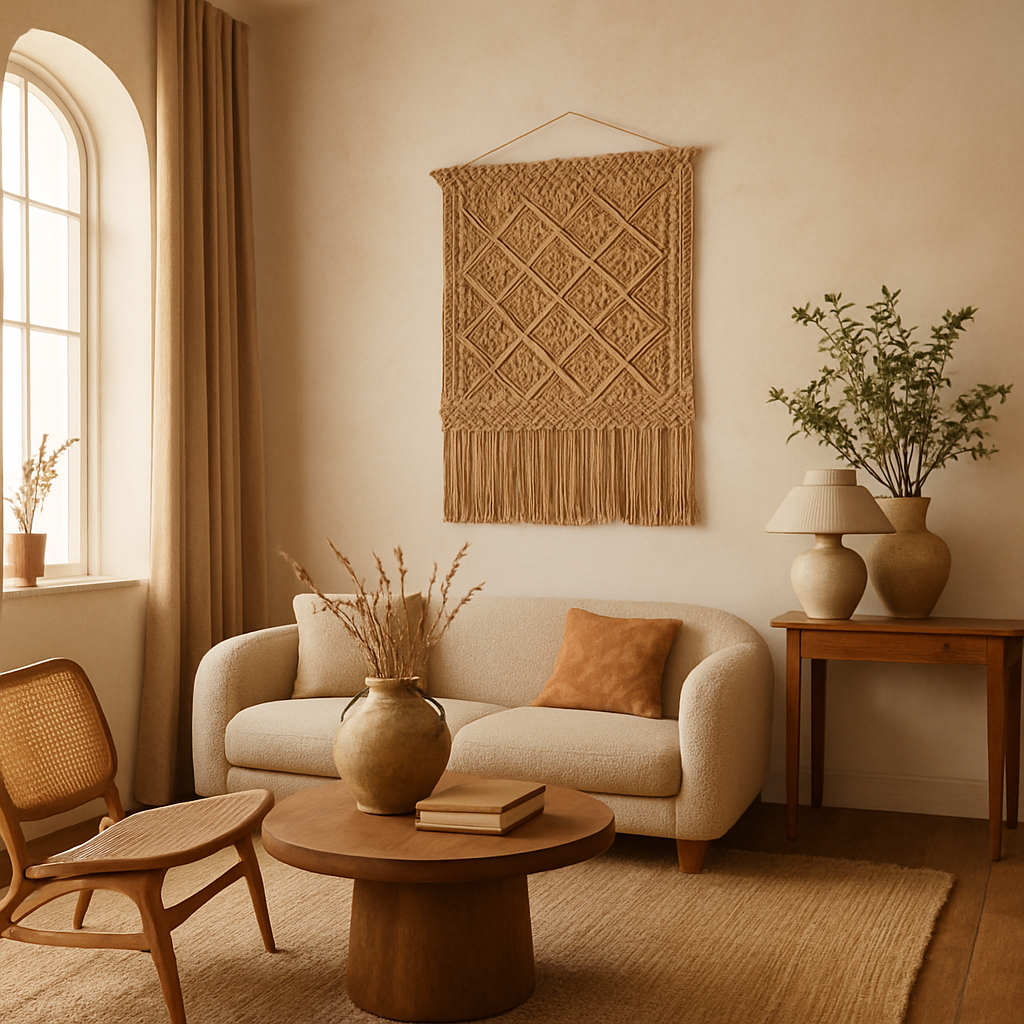
Your home tells a story about who you are, and the language it speaks is shaped by design. Whether you have recently moved into a new property or feel that your current space no longer reflects your personality, understanding the latest interior designer trends can help you make informed decisions that balance aesthetics with functionality. The world of interior design is constantly shifting, driven by cultural movements, technological advancements, and a growing awareness of environmental responsibility. Professional interior designers are blending traditional craftsmanship with forward-thinking innovation to create spaces that feel both timeless and contemporary. Have you ever walked into a room and immediately felt at ease, without being able to pinpoint exactly why? That reaction is the result of intentional design choices working together harmoniously. In this comprehensive guide, we will explore ten transformative trends that leading interior designers are championing, giving you the knowledge and inspiration to reimagine your living spaces with confidence and purpose.
Biophilic Design: Bringing Nature Indoors
Biophilic design has moved from a niche concept to a mainstream priority among professional interior designers, and its influence on residential spaces continues to grow at a remarkable pace. This approach centers on incorporating natural elements such as living walls, indoor water features, natural stone surfaces, and abundant plant life into interior environments. The American Society of Interior Designers (ASID) has highlighted biophilic design as one of the most impactful movements in residential interiors, noting that it addresses both aesthetic desires and wellness concerns simultaneously. Research from the Human Spaces report indicates that environments incorporating natural elements can increase well-being by up to 15 percent, making this far more than a passing aesthetic preference. Interior designers who specialize in biophilic principles consider factors such as natural light patterns, air quality improvements through specific plant species, and the psychological effects of organic textures and materials.
Implementing biophilic design does not require a complete renovation or an unlimited budget, and even modest interventions can yield meaningful results. Start by assessing the natural light available in each room and consider how window treatments, mirrors, and reflective surfaces can maximize it throughout the day. Introduce a variety of indoor plants at different heights and scales, from tall fiddle leaf figs that anchor a corner to trailing pothos on shelving units that add layers of visual interest. Natural materials such as reclaimed wood, cork flooring, jute rugs, and linen textiles create a tactile connection to the outdoors that synthetic alternatives simply cannot replicate. Many designers recommend incorporating at least one living element in every room of the home, creating a cohesive thread of nature that runs through the entire living experience.
The benefits of biophilic design extend well beyond visual appeal, touching on physical health, mental clarity, and emotional well-being in measurable ways. Studies published in environmental psychology journals have shown that exposure to natural elements indoors can reduce stress hormones, lower blood pressure, and improve concentration and creativity. What specific natural elements resonate most with your personal sense of calm and comfort? Whether it is the sound of a small tabletop fountain, the sight of fresh greenery against a neutral wall, or the feel of a natural stone countertop beneath your hands, biophilic design invites you to engage all your senses. Interior designers working within this framework often conduct detailed lifestyle assessments with their clients to identify which natural elements will deliver the greatest impact for each individual household.
Quiet Luxury: The Rise of Understated Elegance
Quiet luxury has emerged as a defining aesthetic in contemporary interior design, representing a deliberate shift away from conspicuous displays of wealth toward refined, understated sophistication. This trend prioritizes exceptional materials, expert craftsmanship, and thoughtful curation over logos, bold patterns, or trendy statement pieces that quickly feel dated. Interior designers affiliated with the International Interior Design Association (IIDA) have noted a significant increase in client requests for spaces that feel luxurious through quality rather than quantity. The quiet luxury approach values a perfectly tailored cashmere throw draped over a handcrafted oak chair far more than a room filled with recognizable brand names. This philosophy extends to every design decision, from the selection of hardware and fixtures to the sourcing of textiles and artwork.
The material palette of quiet luxury relies heavily on natural fibers, artisanal finishes, and materials that develop character and patina over time rather than deteriorating. Think Belgian linen upholstery in muted earth tones, hand-plastered walls with subtle texture variations, unlacquered brass fixtures that age gracefully, and solid hardwood flooring with visible grain patterns. Color schemes tend toward warm neutrals, soft creams, gentle taupes, and muted sage greens that create an enveloping sense of calm without feeling sterile or cold. Interior designers working within this aesthetic often spend considerable time sourcing materials from specialized suppliers and artisan workshops, ensuring that every element in the room meets exacting standards of quality. The investment in superior materials means that spaces designed around quiet luxury principles tend to age beautifully, requiring less frequent updating than trend-driven interiors.
Adopting quiet luxury in your own home requires a shift in mindset from accumulation to curation, focusing on fewer pieces of higher quality rather than filling every surface and corner. Begin by editing your existing possessions ruthlessly, removing anything that feels mass-produced, purely decorative without function, or visually noisy. Replace these items gradually with carefully chosen pieces that you genuinely love and that demonstrate visible craftsmanship, whether that means a hand-thrown ceramic vase, a vintage wooden bowl, or a bespoke shelving unit built by a local woodworker. According to Architectural Digest (AD PRO), the quiet luxury movement reflects a broader cultural desire for authenticity and permanence in an increasingly disposable world. How might your home feel different if every object in it was something you truly valued and intended to keep for years to come?
Smart Home Integration: Technology Meets Design
The integration of smart home technology into interior design has matured significantly, moving beyond novelty gadgets and visible tech clutter toward seamless, invisible systems that enhance daily life without compromising aesthetic integrity. Professional interior designers now collaborate closely with home automation specialists during the planning phase of projects, ensuring that technology infrastructure is built into the architecture rather than retrofitted as an afterthought. Motorized window treatments that adjust automatically based on sun position, integrated speaker systems concealed within walls and ceilings, and lighting controls that shift color temperature throughout the day to support circadian rhythms represent just a few examples of how smart technology serves design goals. The National Council for Interior Design Qualification (NCIDQ) has increasingly included technology literacy in its competency expectations for certified designers, recognizing that modern practice demands fluency in digital integration.
One of the most transformative aspects of smart home integration is the ability to create environments that respond dynamically to the needs and preferences of their occupants throughout each day. Morning routines can be supported by gradual lighting increases, gentle audio cues, and automated shade adjustments that welcome natural light at precisely the right moment. Evening settings might dim overhead fixtures, activate accent lighting to create warmth and intimacy, and adjust thermostats to optimal sleeping temperatures without any manual intervention from residents. Kitchen spaces benefit enormously from smart technology, with touchless faucets, integrated charging stations concealed within cabinetry, and refrigeration systems that help manage household inventory and reduce food waste. The key principle that distinguishes thoughtful smart home design from mere gadgetry is invisibility: the best technology disappears into the design, serving the occupant without demanding attention.
Cost considerations for smart home integration vary widely depending on the scope of the project, ranging from modest upgrades that cost a few hundred dollars to comprehensive whole-home systems that represent a significant investment. Interior designers typically charge between $150 and $500 per hour for their expertise, and those with smart home specialization may command rates at the higher end of that range due to the additional technical knowledge required. A phased approach often works well for homeowners who want to build a smart home ecosystem gradually, starting with lighting and climate control before expanding to security, entertainment, and appliance automation. What aspects of your daily routine at home would benefit most from intelligent automation? Answering this question honestly helps prioritize investments and ensures that technology serves genuine needs rather than creating complexity for its own sake.
Japandi: The Fusion of Japanese and Scandinavian Aesthetics
Japandi represents a sophisticated fusion of Japanese and Scandinavian design philosophies, combining the warm minimalism of Nordic interiors with the refined simplicity and wabi-sabi appreciation found in traditional Japanese spaces. This hybrid aesthetic has captured the attention of both designers and homeowners because it addresses a universal desire for calm, ordered environments without sacrificing warmth or personality. The shared values between these two design traditions include a deep respect for natural materials, an emphasis on craftsmanship, a preference for clean lines, and a belief that beauty emerges from simplicity rather than excess. Houzz trend reports have consistently identified Japandi as one of the fastest-growing search terms on their platform, reflecting genuine consumer enthusiasm rather than industry-manufactured hype. Interior designers drawn to this aesthetic appreciate its versatility, finding that Japandi principles adapt comfortably to urban apartments, suburban family homes, and rural retreats alike.
The material vocabulary of Japandi interiors draws from both traditions, creating a layered yet cohesive sensory experience that feels grounded and intentional. Light-toned Scandinavian woods such as ash, birch, and pine are combined with darker Japanese-influenced timbers like walnut and black-stained oak to create subtle contrast within a restrained palette. Ceramics play a significant role, with handmade pottery in earthy glazes serving functional purposes as tableware, vases, and decorative objects that celebrate imperfection. Textiles tend toward natural fibers with visible weave structures, including cotton, linen, and wool in neutral and indigo-based color schemes that reference both Nordic and Japanese textile traditions. Furniture silhouettes are low and horizontal, reflecting the Japanese preference for ground-level living while incorporating the comfort and ergonomic considerations that Scandinavian design is known for.
Creating a Japandi-inspired interior requires discipline in editing and a willingness to embrace negative space as a design element in its own right, which can feel challenging for homeowners accustomed to fuller, more decorated environments. Begin by reducing visual clutter dramatically, keeping only those objects that serve a clear function or bring genuine joy, and organizing remaining possessions in concealed storage wherever possible. Introduce a consistent natural material palette throughout your home, selecting two or three wood tones and carrying them from room to room to establish continuity and flow. A survey conducted by the ASID found that 68 percent of homeowners who adopted minimalist design principles reported feeling less stressed in their daily home environments. The Japandi approach proves that stripping back does not mean stripping away character; instead, it reveals the inherent beauty of well-chosen materials, thoughtful proportions, and carefully considered spatial relationships.
Curved Furniture and Organic Forms
The dominance of sharp angles and rigid geometries in interior furniture is giving way to a resurgence of curved forms, rounded edges, and organic silhouettes that bring softness, movement, and visual comfort to living spaces. This trend reflects a psychological need for environments that feel nurturing and approachable rather than austere and clinical, a response to the hard edges and flat screens that dominate our working lives. Interior designers are specifying serpentine sofas, arched doorways, oval dining tables, and kidney-shaped coffee tables that encourage a more fluid interaction between people and their surroundings. The IIDA has featured curved furniture prominently in its annual trend forecasts, noting that these forms create natural conversation areas and improve traffic flow through rooms more effectively than angular alternatives. Leading furniture manufacturers have responded by expanding their offerings of curved pieces at every price point, making this trend accessible to a wide range of budgets.
Beyond furniture, organic forms are appearing in architectural details, lighting fixtures, mirrors, and decorative accessories throughout the home in ways that soften and humanize interior spaces. Arched mirrors have become particularly popular, adding vertical interest and a sense of grandeur while breaking the monotony of rectangular wall openings. Sculptural pendant lights with flowing, asymmetrical forms serve as functional art pieces that draw the eye upward and add drama without visual heaviness. Even built-in elements such as niches, shelving, and fireplace surrounds are being designed with gentle curves and rounded profiles that reference natural forms like river stones, rolling hills, and ocean waves. Interior designers report that clients respond immediately and positively to rooms featuring curved elements, often describing the spaces as more welcoming and comfortable than their angular predecessors.
Incorporating curved furniture into an existing interior requires thoughtful consideration of scale, placement, and balance to avoid creating a space that feels disjointed or chaotic. A single statement piece, such as a round ottoman, a curved sectional, or an organically shaped accent chair, can transform the feel of a room without requiring a complete redesign. Pair curved furniture with straight-lined architectural elements like rectangular windows, linear shelving, or flat-panel cabinetry to create a dynamic tension that keeps the eye engaged and prevents the space from feeling overly soft. Consider the flow of movement through the room and position curved pieces to guide that flow naturally, creating pathways that feel intuitive rather than forced. What shapes dominate your current living spaces, and how might introducing a few organic forms change the way you experience and move through those rooms?
Sustainable and Reclaimed Materials
Sustainability has evolved from a secondary consideration in interior design to a primary driver of material selection, sourcing decisions, and project planning among conscientious designers and their clients. The use of reclaimed wood, recycled metals, upcycled textiles, and sustainably harvested natural materials reflects a growing understanding that beautiful interiors should not come at the expense of environmental health. According to a report by the World Green Building Council, the building and construction sector accounts for approximately 39 percent of global carbon emissions, giving interior designers and homeowners significant leverage to drive positive change through material choices. The ASID has established sustainability guidelines that encourage designers to prioritize low-impact materials, specify products with transparent supply chains, and reduce construction waste through careful planning and modular design strategies. Reclaimed materials carry an additional aesthetic advantage, bringing patina, history, and character to interiors that new materials simply cannot replicate.
Practical applications of sustainable design principles span every room and every budget level, from simple material swaps to comprehensive whole-home approaches that prioritize longevity and environmental responsibility. Reclaimed barn wood can be repurposed as accent walls, floating shelves, or dining tables that serve as conversation pieces while keeping valuable timber out of landfills. Recycled glass countertops offer a durable and visually striking alternative to virgin stone, available in a spectrum of colors and patterns that suit both modern and traditional interiors. Low-VOC paints and finishes have improved dramatically in quality and availability, eliminating the health concerns associated with traditional coatings without compromising color accuracy or durability. Natural insulation materials such as wool, hemp, and cellulose provide excellent thermal performance while reducing reliance on petroleum-based products. Interior designers focused on sustainability often maintain databases of certified suppliers and artisans who share their commitment to environmental stewardship.
The financial case for sustainable interior design is strengthening as more homeowners recognize that investing in durable, high-quality materials reduces long-term costs compared to replacing cheaper alternatives every few years. A well-crafted solid wood table that lasts for decades represents better value than a particleboard alternative that warps and deteriorates within a few years, even though the initial purchase price may be significantly higher. Energy-efficient lighting, properly insulated windows, and smart climate control systems reduce utility costs month after month, gradually recovering their installation expenses while improving daily comfort. How much consideration do you currently give to the environmental impact and expected lifespan of the materials and furnishings in your home? Shifting your purchasing criteria to prioritize durability, repairability, and end-of-life recyclability creates interiors that are both beautiful and responsible, proving that sustainability and style are complementary rather than competing goals.
Conclusion
The ten interior designer trends explored in this guide share a common thread: they each prioritize the well-being of the people who inhabit the spaces, whether through natural elements that soothe the senses, technology that simplifies daily routines, or sustainable materials that protect the planet for future generations. These are not fleeting fashions that will feel dated within a season but rather thoughtful movements rooted in genuine human needs for comfort, beauty, connection, and responsibility. The best approach to incorporating these trends into your own home is selective and personal, choosing the ideas that resonate with your lifestyle, values, and aesthetic preferences rather than attempting to adopt everything at once. Consult with a certified interior designer through organizations like the ASID or IIDA to develop a plan that addresses your specific needs, budget, and timeline. Begin with one or two changes that excite you most, observe how they affect your daily experience of home, and build from there with confidence. Your home is your most personal environment, and investing thoughtfully in its design is an investment in your own quality of life.
More Articles You May Like



Comments
Post a Comment