10 Inspiring Room Interior Design Trends to Transform Your Space
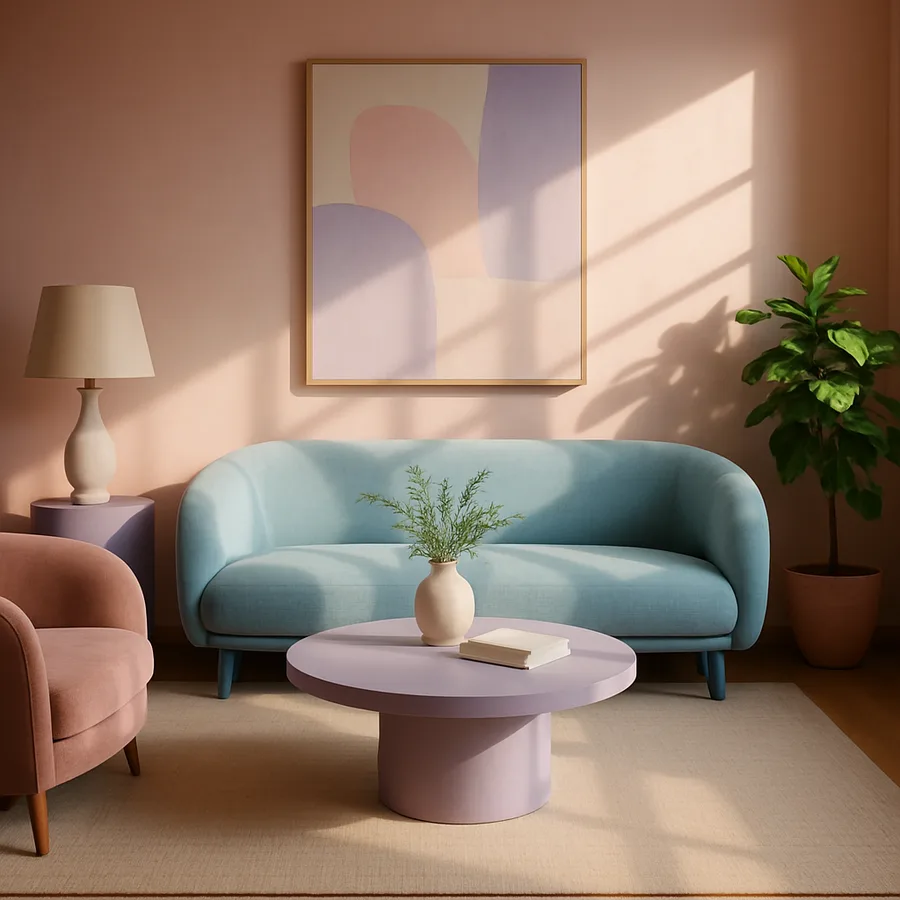
Interior design trends reflect the evolving relationship between people and the spaces they inhabit, offering fresh perspectives on how rooms can better serve our aesthetic desires and functional needs. The American Society of Interior Designers (ASID) tracks emerging trends through extensive surveys of both design professionals and homeowners, and their findings reveal a consistent movement toward warmth, authenticity, and connection with nature. Far from being superficial fashion statements, the trends shaping room interior design today address deep human needs for comfort, sustainability, and self-expression in the places where we spend the majority of our lives.
The International Interior Design Association (IIDA) has noted that post-pandemic design priorities have permanently shifted the industry landscape, with homeowners demanding spaces that support mental health, remote work, social connection, and personal wellbeing simultaneously. According to the National Kitchen and Bath Association, residential renovation spending exceeded $420 billion in recent years, signaling an unprecedented level of investment in home environments. These trends are not merely aspirational -- they are being actively implemented in homes across every budget level, from modest apartment refreshes to comprehensive whole-house renovations.
This guide examines the most influential room interior design trends currently transforming residential spaces, offering practical inspiration for incorporating each trend into your own home. Whether you embrace one trend fully or weave elements of several into your existing design, these movements offer exciting possibilities for making your rooms more beautiful, more functional, and more aligned with how you actually live. Have you noticed your design preferences shifting in recent years? The trends below likely explain why.
Biophilic Design and the Return to Nature
Biophilic design -- the practice of incorporating natural elements, materials, and patterns into built environments -- has moved from niche architectural concept to mainstream interior design essential. Rooted in the biophilia hypothesis proposed by biologist E.O. Wilson, this approach recognizes the innate human need to connect with the natural world, even when living in urban environments far removed from wilderness. Houzz reports that searches for biophilic design elements have increased by over 300% in the past three years, reflecting widespread recognition that natural elements in interior spaces demonstrably reduce stress, improve air quality, and enhance cognitive function.
Implementing biophilic design in your rooms extends far beyond simply adding a few houseplants, though living greenery remains one of its most accessible expressions. Natural materials like stone, wood, rattan, linen, and clay bring organic texture and visual warmth that synthetic materials cannot replicate. Water features, even small tabletop fountains, introduce the calming sound of flowing water into interior spaces. Large windows that frame views of outdoor greenery, skylights that connect rooms to the sky, and interior courtyards that bring the outside in all represent architectural expressions of biophilic principles. Even biomorphic patterns -- wallpapers, textiles, and artwork featuring organic shapes found in nature -- activate the same psychological benefits as direct nature contact.
The ASID has identified natural light maximization as one of the most impactful biophilic strategies available to homeowners. Removing heavy window treatments, enlarging window openings where structurally possible, installing sun tunnels in interior rooms, and using reflective surfaces to bounce daylight deeper into living spaces all increase occupants' connection to natural light cycles. This connection supports circadian rhythm regulation, which in turn improves sleep quality, mood stability, and overall health. The beauty of biophilic design is its scalability -- a single trailing pothos plant on a bookshelf contributes to the same continuum as a living green wall spanning an entire room.
Curved and Organic Furniture Forms
The dominance of straight lines and sharp angles in furniture design is giving way to softer, more organic forms that echo the curves found in nature. Rounded sofas, arched doorways, circular coffee tables, and kidney-shaped desks are appearing in design showrooms and living rooms with increasing frequency. The IIDA attributes this shift partly to a collective desire for comfort and softness in domestic spaces after years of minimalist, angular design that prioritized visual austerity over physical warmth. Curved furniture simply feels more inviting -- the eye follows its contours smoothly rather than stopping abruptly at corners, creating a sense of flow and ease.
From a functional perspective, curved furniture offers surprising practical benefits beyond aesthetics. Rounded edges eliminate sharp corners that pose hazards for young children and pets, making curved pieces inherently safer in family homes. Circular and oval dining tables encourage more egalitarian conversation by eliminating the head-of-table power dynamic inherent in rectangular designs. Curved sofas and sectionals create intimate conversational groupings that rectangular configurations struggle to achieve. These functional advantages, combined with their visual warmth, make curved furniture pieces valuable investments that serve both form and function.
Incorporating curves into your room design does not require replacing all your furniture at once. A single statement piece -- an arched floor mirror, a round accent table, or a curved-back dining chair -- can introduce organic softness into an otherwise angular room. Architectural curves through arched doorway treatments, curved molding, or rounded built-in niches add permanent sculptural interest. Even circular artwork, round throw pillows, and spherical light fixtures contribute to the overall sense of organic flow. The key is balance -- rooms that are entirely angular feel cold, while rooms that are entirely curved can feel disorienting. The most successful interiors blend straight and curved elements in intentional proportion.
Warm Maximalism and Collected Interiors
After years of stark minimalism dominating design media, a warmer, more expressive approach to room design has emerged that celebrates abundance, pattern mixing, and personal curation. Warm maximalism differs from its predecessor -- the chaotic maximalism of the early 2000s -- in its emphasis on intentionality, cohesion, and quality over mere quantity. Every piece in a warm maximalist room earns its place through beauty, meaning, or function, creating an environment that feels richly layered rather than cluttered. The NCIDQ recognizes this trend as a return to the collected, evolved interiors that characterized well-designed homes before the minimalist revolution stripped them bare.
Pattern mixing is a hallmark of warm maximalism, and mastering it requires understanding scale and color relationships. Combine patterns of different scales -- a large-scale floral with a medium geometric and a small-scale stripe, for example -- while maintaining a consistent color palette across all patterns. This approach creates visual richness without chaos, as the shared colors unify disparate patterns into a harmonious whole. Houzz design experts recommend starting with two patterns if mixing feels intimidating, then gradually adding more as your confidence grows. The goal is a room that rewards extended viewing, revealing new details and relationships each time you look.
The collected interior aesthetic, closely related to warm maximalism, values pieces acquired over time from various sources over matching furniture sets purchased in a single shopping trip. This approach produces rooms with genuine character and storytelling potential -- a vintage Moroccan rug, an inherited oak bookcase, a contemporary art print, and a handmade ceramic lamp coexist in a space that reflects a life actually lived. How many of your most treasured possessions came from a single store? The collected approach acknowledges that the most meaningful interiors evolve gradually, incorporating pieces that carry personal history, travel memories, and aesthetic discoveries accumulated over years.
Artisan Craftsmanship and Handmade Elements
In reaction to the homogeneity of mass-produced furniture and decor, there is a powerful trend toward celebrating artisan craftsmanship, handmade objects, and materials that bear the visible marks of human creation. Hand-thrown ceramics with subtle imperfections, hand-woven textiles with natural irregularities, hand-carved wood furniture with tool marks, and hand-blown glass with bubbles and variations are prized precisely for the qualities that distinguish them from machine-made perfection. The ASID has highlighted this trend as part of a broader cultural movement toward supporting local makers, preserving traditional craft techniques, and valuing authenticity over uniformity.
Artisan elements bring a quality of warmth and humanity to interior spaces that factory-produced items simply cannot provide. When you run your hand across a hand-hewn wooden tabletop and feel the subtle ridges left by the craftsperson's tools, you are connecting with another human being's skill, intention, and time in a way that is fundamentally different from touching a CNC-machined surface. This tactile dimension of artisan design is particularly important in an increasingly digital world where so much of daily life occurs through smooth glass screens. Rooms that incorporate handmade elements ground their occupants in physical reality, providing a sensory counterpoint to the flatness of digital environments.
Supporting artisan craftsmanship is more accessible than many homeowners realize, with local pottery studios, woodworking shops, textile weavers, and glassblowers operating in communities across the country. Farmers markets, craft fairs, and artist cooperatives offer direct access to handmade objects at prices that often compete with mid-range mass-produced alternatives. Online platforms have also democratized access to artisan goods from around the world. Even a single handmade piece -- a ceramic vase on a mantel, a woven wall hanging above a bed, a hand-forged iron candle holder on a dining table -- elevates the entire room by introducing the irreplaceable quality of human touch.
Multifunctional Spaces and Flexible Room Design
The rigid single-purpose room is becoming obsolete as homeowners increasingly demand spaces that adapt to multiple activities throughout the day. A dining room that converts to a home office, a living room that transforms into a yoga studio, a guest bedroom that doubles as a craft room -- these hybrid spaces require flexible design solutions that can shift function without requiring physical reconfiguration. The IIDA has identified flexible design as one of the most significant trends in residential interiors, driven by remote work, smaller living spaces, and a cultural shift toward experiences over possessions that demands rooms earn their square footage multiple times over.
Furniture innovation is driving the practical possibilities of multifunctional spaces, with an expanding market of pieces designed specifically for flexible use. Wall beds that fold into desk systems, modular seating that reconfigures for different group sizes, nesting tables that expand when needed and tuck away when not, and storage systems that conceal home office equipment behind closed doors all enable rooms to serve multiple purposes without visual clutter. A Houzz survey found that 67% of homeowners who renovated after the pandemic specifically designed at least one room for dual or triple functionality, up from just 23% in pre-pandemic renovations.
Zoning is the design technique that makes multifunctional spaces work without feeling confused or compromised. Use area rugs to delineate different functional zones within a single room, pendant lighting to mark specific activity areas, and furniture arrangement to create distinct pockets of purpose. A living room might feature a conversation zone anchored by a rug and sofa grouping, a work zone defined by a desk and task lamp near a window, and a reading zone created by an armchair and floor lamp in a corner. Each zone functions independently while contributing to the room's overall aesthetic coherence. Color can also serve as a zoning tool, with subtle shifts in accent colors signaling the transition from one function to another.
Sustainable and Conscious Material Choices
Environmental consciousness has moved from a niche concern to a mainstream design priority, with increasing numbers of homeowners actively seeking sustainable materials, ethical manufacturing, and reduced environmental impact in their interior design choices. The ASID Outlook and State of Interior Design report found that 78% of designers reported increased client demand for sustainable options, reflecting a generational shift in values that prioritizes environmental responsibility alongside aesthetics. Reclaimed wood, recycled metals, organic textiles, low-VOC paints, and biodegradable materials are no longer fringe alternatives -- they are becoming the preferred choices for design-conscious consumers.
The "buy less, buy better" philosophy extends the sustainable mindset beyond material sourcing to purchasing behavior itself. Investing in fewer, higher-quality pieces that will last decades rather than filling rooms with disposable furnishings that will end up in landfills within a few years is itself a powerful environmental statement. The NCIDQ has incorporated sustainability principles into its certification standards, recognizing that responsible material specification is now a core competency for professional designers. Heirloom-quality furniture crafted from solid wood, natural stone surfaces that age gracefully, and timeless design pieces that transcend trend cycles all represent sustainable choices that happen to also be beautiful.
Vintage and second-hand furniture shopping is perhaps the most sustainable and budget-friendly interior design strategy available, as it extends the life of existing pieces while preventing new manufacturing impacts. The environmental cost of a reupholstered vintage sofa is a fraction of that associated with manufacturing a new one, even when the new piece uses sustainably sourced materials. Do you know the environmental footprint of your most recent furniture purchase? As awareness of furniture industry waste grows -- an estimated 12 million tons of furniture ends up in American landfills each year according to the EPA -- second-hand shopping is being reframed not as a budget compromise but as a conscious, ethical design choice.
Conclusion
The room interior design trends transforming residential spaces share a common thread: a movement toward authenticity, warmth, flexibility, and environmental responsibility. From biophilic design that reconnects us with nature to warm maximalism that celebrates personal expression, from artisan craftsmanship that honors human touch to multifunctional spaces that respect the reality of modern life, these trends reflect deeper cultural values rather than superficial aesthetic preferences. Organizations like ASID, IIDA, NCIDQ, and Houzz continue to document and validate these movements, confirming that they represent lasting shifts in how we think about and design our living environments.
You do not need to embrace every trend simultaneously to benefit from the ideas they represent. Choose the movements that resonate most strongly with your personal values, lifestyle needs, and aesthetic sensibilities, and begin incorporating them incrementally into your existing spaces. A few biophilic plants here, a curved accent piece there, a handmade ceramic on the shelf -- small, intentional additions informed by these trends can gradually transform your rooms from ordinary to extraordinary. Begin this weekend with a single change inspired by the trend that spoke to you most, and let the transformation unfold naturally from there.
More Articles You May Like



Comments
Post a Comment