Top 10 Room Interior Design Trends to Transform Your Space
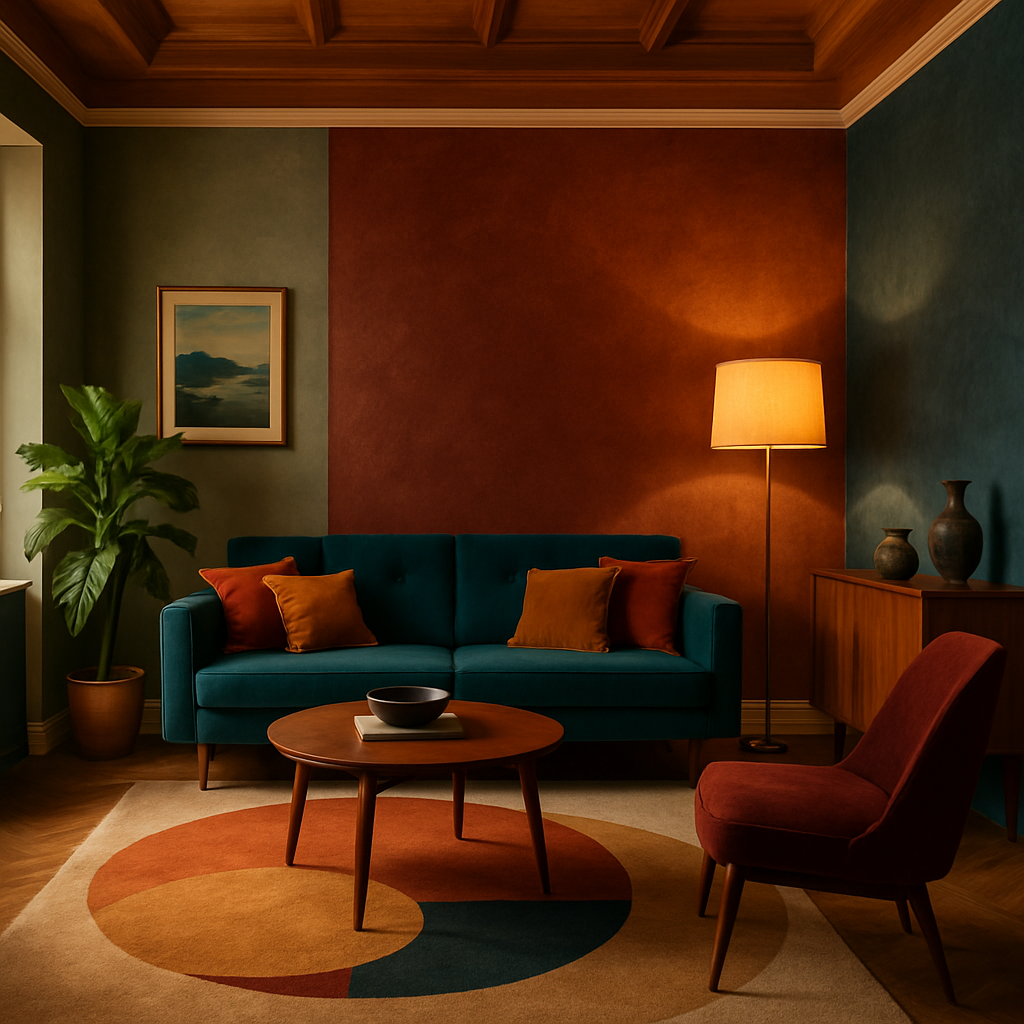
Room design operates at the intersection of personal taste, functional requirement, and broader cultural currents, and the trends that gain traction each year reveal something meaningful about how society relates to domestic space. The movements gaining momentum right now share a notable emphasis on sensory richness, spatial intelligence, and material authenticity. According to the American Society of Interior Designers (ASID), residential design project inquiries increased 23 percent year over year, with clients demonstrating more sophistication and specificity in their briefs than professionals had previously encountered. This guide examines ten trends that are reshaping rooms across every budget level, offering actionable insight into how you can apply each one to your own home. The goal is not to follow every trend but to identify the two or three that address your specific dissatisfactions and aspirations.
Statement Ceilings Command Attention Upward
The ceiling, long dismissed as the "fifth wall" and painted reflexively in flat white, has become one of the most dynamic design surfaces in residential interiors. Statement ceilings take many forms: coffered paneling with contrasting paint, wallpapered surfaces that draw the eye upward, exposed timber beams that add rustic dimension, and even painted murals that transform overhead planes into gallery-quality compositions. Houzz reported that searches for "statement ceiling ideas" increased 89 percent over the previous year, reflecting a widespread recognition that this underutilized surface represents untapped creative potential. The psychological effect is significant: rooms with designed ceilings consistently feel more intentional and complete than identical rooms with plain white overhead planes.
Practical considerations vary by ceiling type. Adding architectural molding or coffering to a standard eight-foot ceiling creates the illusion of greater height when the recessed panels are painted a shade lighter than the surrounding grid. Conversely, painting a high ceiling in a deeper tone than the walls produces a more intimate, cocoon-like atmosphere. Wallpaper installation on ceilings follows the same principles as wall application but requires additional adhesive strength to resist gravity, so specifying a paste-the-wall product is advisable. Costs range from as little as $200 for a single-room paint treatment to $5,000 or more for custom millwork in a primary living area, a range that accommodates virtually any budget.
Have you ever stood in a room that felt finished yet somehow unremarkable, despite attractive furniture and thoughtful accessories? The ceiling is often the missing element. Designers affiliated with the International Interior Design Association (IIDA) recommend evaluating the ceiling as part of every room's initial design concept rather than addressing it as an afterthought. Even a simple treatment, such as painting the ceiling in the same color as the walls to create a color-drenched envelope, or adding a single decorative medallion around a light fixture, elevates the spatial experience disproportionately to its cost. The ceiling is the largest uninterrupted surface in most rooms, and designing it deliberately yields outsized returns.
Mixed Metals Add Depth and Sophistication
The old rule of matching all metal finishes within a room has been thoroughly retired. Contemporary design embraces the deliberate mixing of two to three metal tones, such as brushed brass, matte black, and polished nickel, within a single space. The effect introduces visual depth and a sense of collected elegance that monochromatic metal schemes cannot achieve. AD PRO has documented this trend across residential, hospitality, and retail design sectors, noting that mixed-metal interiors photograph with greater dimension and read as more sophisticated than their single-finish counterparts. The key to success is establishing a dominant metal (approximately 60 percent of the room's metal surfaces) and supporting it with one or two complementary accents.
Application points for mixed metals are numerous. Cabinet hardware, light fixtures, plumbing fixtures, curtain rods, mirror frames, furniture legs, and decorative objects all present opportunities to layer metal tones. A kitchen might feature brushed brass cabinet pulls, a matte black faucet, and polished nickel pendant lights, creating a richly layered metals story without any single finish overwhelming the space. In a bathroom, chrome shower fixtures can coexist beautifully with unlacquered brass vanity hardware and an oil-rubbed bronze mirror frame. The National Council for Interior Design Qualification (NCIDQ) has updated its materials curriculum to include mixed-metals composition principles, acknowledging that this skill has become a baseline expectation in professional practice.
For homeowners hesitant to commit, swapping hardware is the lowest-risk entry point. Cabinet knobs and drawer pulls can be changed in an afternoon for $50 to $200 depending on the room, and they introduce a secondary metal tone that immediately tests the concept. If the result pleases you, extend the palette to light fixtures and accessories on subsequent weekends. What metal finishes currently dominate your kitchen or bathroom? Introducing even one contrasting metal, a brass soap dispenser on a chrome-fixtured vanity, for instance, begins to break the monotony and signal a more considered design approach.
Textured Walls Replace Flat Paint as the Default
Smooth, flat-painted walls have served as the default residential surface treatment for decades, but a growing desire for tactile richness is driving homeowners toward textured alternatives. Limewash paint, which creates a softly mottled, chalky surface with inherent depth, has emerged as one of the most popular options. Venetian plaster, a technique that layers tinted plaster to produce a polished stone-like finish, occupies the premium end of the spectrum. Between these extremes, options include grasscloth wallcoverings, board-and-batten paneling, shiplap cladding, and decorative plaster techniques that add three-dimensional relief. ASID's trend analysis found that textured wall treatments now appear in 34 percent of residential project specifications, up from 12 percent five years ago.
The sensory impact of textured walls extends beyond visual interest. Rough plaster surfaces scatter light in complex patterns that change throughout the day, creating a living quality that flat paint cannot replicate. Grasscloth wallcovering introduces subtle organic variation that softens the acoustic character of a room while adding a warm, handcrafted feel. Even relatively simple treatments like limewash or color washing produce effects that reward close inspection, revealing layers and variations that flat coatings actively suppress. Costs range from $3 to $6 per square foot for limewash to $15 to $30 per square foot for skilled Venetian plaster application, with most textured paint techniques falling in the $5 to $10 range.
Which rooms in your home would benefit most from added texture? Entryways, dining rooms, and bedrooms tend to be the strongest candidates because occupants spend extended time in close proximity to the walls and can appreciate the surface quality at a human scale. Large open-plan living areas can also benefit, particularly when a textured treatment is applied to a single focal wall behind a fireplace or media center. IIDA professionals suggest requesting large-scale samples, ideally 24 by 24 inches or larger, before committing to a full-room application, since textured finishes interact with light and furniture in ways that small swatches cannot predict. The tactile dimension these treatments introduce transforms walls from passive backgrounds into active participants in the room's sensory experience.
Nature-Inspired Palettes Ground the Senses
Color selections across the residential market have shifted decisively toward palettes drawn from the natural world. Forest greens, ocean blues, sandy neutrals, sunset corals, and stone grays now dominate paint collections and textile ranges. This movement extends beyond simple earth tones to encompass the full chromatic range observable in landscapes, flora, and geological formations. Houzz color trend data shows that nature-inspired palette searches outpaced all other color categories by a three-to-one margin, confirming broad consumer adoption. The appeal connects directly to biophilic design principles: colors encountered in nature trigger positive psychological and physiological responses that artificial color combinations do not reliably produce.
Composing a nature-inspired palette requires observation rather than formula. Study a landscape photograph that resonates with you, whether a desert mesa, a Pacific Northwest forest, or a Mediterranean coastline, and extract its dominant, secondary, and accent colors. Desert palettes yield warm sand, terracotta, sage, and clear sky blue. Forest palettes produce deep green, bark brown, moss, and filtered golden light. Coastal palettes offer slate blue, driftwood gray, seafoam, and white sand. Using nature as a direct reference ensures chromatic harmony because these color relationships have been refined by geological and biological processes over millennia. Professional designers, who typically charge $150 to $500 per hour for comprehensive color consultation, frequently use this landscape-reference technique as a starting framework.
Does your current color scheme reference the natural environment you find most restorative? If not, consider whether aligning your interior palette with your preferred landscape might enhance your daily experience at home. A single room repainted in a nature-derived palette often creates a noticeable shift in how occupants describe the space, moving from neutral descriptors like "fine" or "okay" to emotive language like "calming," "grounding," or "restorative." NCIDQ examination content now includes biophilic color theory as a testable knowledge domain, recognizing its growing centrality to competent residential design practice. Color costs nothing more than paint and a weekend; the emotional return can be substantial.
Flexible Furniture Arrangements Replace Fixed Layouts
Static furniture arrangements bolted to a single configuration are giving way to more fluid, adaptable layouts that accommodate changing activities throughout the day and week. Lightweight accent chairs that can migrate between conversation areas and reading corners, nesting tables that expand for entertaining and compress for daily use, and modular sofas that reconfigure from L-shaped sectionals to parallel seating rows all serve this new expectation. ASID's residential furnishing survey recorded a 41 percent increase in consumer interest for modular and reconfigurable furniture systems, driven by the ongoing reality of multipurpose rooms in homes where square footage must serve professional, social, and personal functions.
The planning principle behind flexible arrangements is zoning without walls. Area rugs define conversation groupings. Freestanding bookshelves or console tables delineate workspace from relaxation zones. Even the orientation of a sofa can create a psychological boundary between a dining area and a living area in an open plan. The critical insight is that furniture placement, not furniture selection, determines how a room functions. Two identical furniture collections arranged differently will produce entirely different experiences of the same architectural space. Designers trained through IIDA-accredited programs learn to prototype multiple arrangements before finalizing a scheme, testing how each configuration supports the client's specific daily routines.
When did you last rearrange the furniture in your primary living space? Many homeowners default to the arrangement established on moving day and never revisit it. Yet a simple ninety-minute rearrangement session, moving the sofa away from the wall, floating the dining table to create a pass-through corridor, or angling a pair of chairs toward a window view, can transform a room's functionality and emotional tone at zero cost. AD PRO has published multiple case studies showing that professional rearrangement consultations, typically billed at $200 to $400 for a single room, consistently rank among clients' highest-satisfaction design investments. Before purchasing any new furniture, exhaust the possibilities of what you already own in new positions.
Warm Lighting Replaces Cool White Defaults
The color temperature of residential lighting has emerged as a design variable that homeowners and professionals are now managing with much greater intentionality. Cool white light, in the 4000K to 5000K range, dominated residential LED adoption because it mimicked the familiar bluish cast of fluorescent tubes that manufacturers and consumers associated with brightness and modernity. However, extensive research on circadian rhythm disruption, combined with growing aesthetic preference for warmth, has shifted specification decisively toward the 2700K to 3000K range. The National Council for Interior Design Qualification (NCIDQ) now addresses lighting color temperature as a health and wellness consideration in its examination framework, reflecting the seriousness with which the profession regards this parameter.
The impact of warm lighting extends beyond ambiance to influence how colors, textures, and skin tones appear within a space. Earth-toned walls that look rich and inviting under 2700K light can appear washed out and yellowed under 4000K light. Dark wood floors that glow warmly at lower color temperatures shift toward an unflattering orange cast under cooler sources. Skin tones universally benefit from warm light, which explains why high-end restaurants and hospitality venues have specified warm sources for decades. Replacing every LED bulb in a room with 2700K equivalents typically costs less than $30 and takes under ten minutes, yet the perceptual transformation is profound enough that homeowners frequently describe it as a renovation without renovating.
Have you experimented with different color temperatures in the rooms where you spend the most time? The difference between 3000K and 4000K in a bedroom or dining room is dramatic and immediately perceptible. For task-intensive spaces like kitchens and home offices, a slightly higher temperature of 3000K to 3500K maintains adequate visual acuity while preserving warmth. Dimmer switches add another layer of control, allowing you to shift from functional brightness during meal preparation to intimate glow during dinner service. Houzz lighting professionals report that color temperature specification is now the single most discussed parameter in client consultations, surpassing fixture style and even budget in terms of the attention it receives. This prioritization is well justified, because no other single change affects spatial perception as broadly and immediately as light quality.
Conclusion
The room design trends defining this year share a commitment to sensory depth, functional intelligence, and material authenticity. Statement ceilings reclaim overlooked square footage. Mixed metals and textured walls layer visual complexity into previously flat surfaces. Nature-inspired palettes and warm lighting create environments that support physiological well-being as well as aesthetic pleasure. Flexible furniture strategies and thoughtful spatial planning ensure that every room earns its keep throughout the diverse demands of modern living.
Transformation does not require simultaneous adoption of all ten trends or a budget-breaking renovation. Select the one or two ideas that address your most pressing spatial frustrations, whether that is a lifeless ceiling, a rigid furniture layout, or unflattering light quality, and implement them deliberately. Consult with a certified interior designer if you want expert guidance; initial consultations typically cost between $250 and $750 and provide a roadmap that prevents costly missteps. The rooms you inhabit every day deserve your thoughtful attention, and the trends outlined here offer tested, practical frameworks for making them work harder and feel better. Choose one starting point, act on it this month, and trust that momentum will carry the rest.



Comments
Post a Comment