Top 5 Unique Techniques Learned at the Heritage School of Interior Design
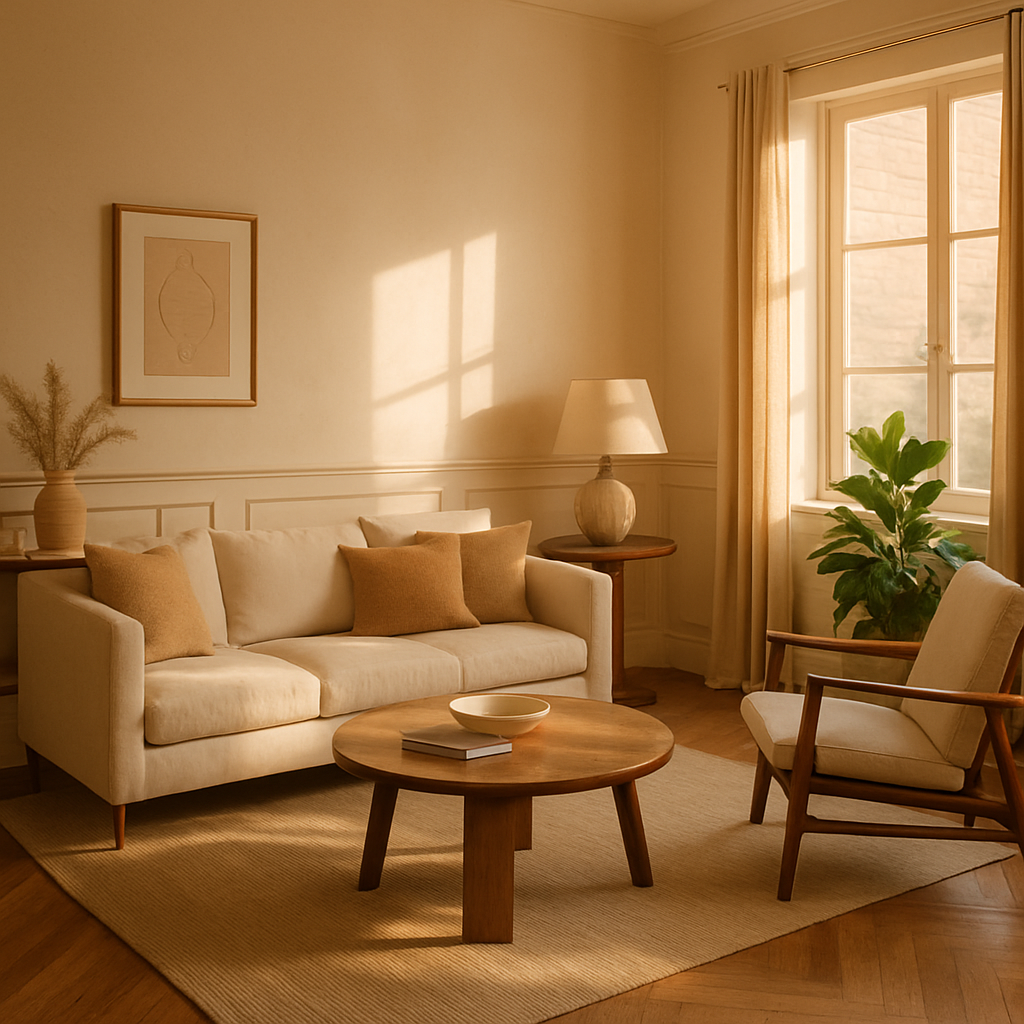
Have you ever walked into a room and felt an immediate sense of harmony and style? This isn't by accident; it's the result of expert interior design. According to the National Council for Interior Design Qualification (NCIDQ), certified designers can increase a property's resale value by up to 15%. The Heritage School of Interior Design, renowned for its innovative curriculum, teaches aspiring designers how to create such impactful spaces. In this article, we explore five unique techniques from the Heritage School that can elevate your design projects to new heights. From foundational concepts to expert-level details, these strategies are crafted to enhance both functionality and aesthetics.
Understanding Foundational Design Concepts
The Heritage School of Interior Design places a strong emphasis on foundational design principles, which are essential for any successful project. One of the key concepts taught is spatial awareness. This involves understanding how to utilize space effectively, ensuring that each element contributes to the overall flow and function of the room. For example, the use of scale and proportion can dramatically affect how an area feels. A well-proportioned room often appears more cohesive and inviting, which is crucial for achieving a professional look.
Another fundamental technique is color theory. The Heritage School educates students on how color can influence mood and perception within a space. By applying principles such as complementary and analogous color schemes, designers can create environments that evoke specific emotions. For instance, blues and greens are often used to promote tranquility, making them ideal for bedrooms and bathrooms.
The school also emphasizes the importance of texture in design. By incorporating a variety of textures, from soft fabrics to rough stone, designers can add depth and interest to a space. This technique is particularly effective in creating visual contrast and tactile engagement, which can make a room feel more dynamic and layered. As we explore deeper into the curriculum, these foundational concepts serve as the building blocks for more advanced design strategies.
Analyzing Design Impact with Data
At the Heritage School, data-driven design is a critical component of the curriculum. According to a Houzz annual survey, 58% of homeowners believe that design improvements increase their overall happiness. This statistic underscores the importance of understanding how design choices impact client satisfaction. Students are taught to analyze survey data and feedback to tailor their designs to meet client expectations more effectively.
The school also teaches students to use data to anticipate design trends. By examining industry reports and consumer behavior studies, students learn to identify emerging trends before they become mainstream. For example, the rise of biophilic design, which integrates natural elements into interiors, has been a significant trend in recent years. Knowing this, designers can create spaces that not only look modern but also resonate with current consumer preferences.
Moreover, students explore how demographic data can inform design decisions. Understanding the target market's age, lifestyle, and cultural background can guide the selection of styles and materials. For instance, younger demographics may prefer sustainable materials and smart home technologies, while older clients might value traditional aesthetics and comfort. This data-driven approach ensures designs are not only visually appealing but also highly relevant to the intended audience.
Implementing Actionable Design Strategies
One of the standout features of the Heritage School's curriculum is its focus on actionable strategies that students can immediately apply to real-world projects. For instance, students learn the art of mood board creation, a technique that allows designers to communicate their vision clearly to clients. By compiling images, textures, and color swatches, mood boards serve as a tangible representation of the proposed design.
The school also emphasizes the importance of lighting in design. Proper lighting can transform a space, enhancing colors and textures while setting the desired ambiance. Students are taught how to layer different types of lighting-ambient, task, and accent-to achieve a balanced and functional design. This technique is crucial, as poorly chosen lighting can undermine even the most well-conceived spaces.
Furthermore, the curriculum includes training on sustainable design practices. With growing awareness of environmental issues, incorporating eco-friendly materials and energy-efficient solutions has become increasingly important. The Heritage School equips students with the know-how to source sustainable materials and implement green design principles, ensuring that their projects are both beautiful and environmentally responsible. With these actionable strategies in hand, students are well-prepared to tackle any design challenge.
Gaining Expert-Level Insights
Experienced professionals often note that the devil is in the details, a principle that the Heritage School of Interior Design instills in its students. One advanced technique taught is the strategic use of focal points. By creating a strong focal point, such as a statement piece of furniture or an eye-catching art installation, designers can draw attention and create visual interest. This technique helps anchor the space and provides a clear design narrative.
Another expert insight offered by the Heritage School is the integration of technology in design. With the advent of smart home devices, designers need to seamlessly incorporate technology without compromising aesthetics. Students learn how to design spaces that are both technologically advanced and visually pleasing, ensuring that the latest gadgets enhance rather than detract from the overall design.
The school also covers advanced space planning techniques. Students are taught to consider both form and function, ensuring that each element serves a purpose. For example, in multi-use spaces, flexible furniture arrangements can accommodate different activities without sacrificing style. These expert-level insights enable students to refine their skills and deliver exceptional design solutions that meet the highest standards.
Exploring Additional Depth
The Heritage School of Interior Design also delves into the psychology of design, teaching students how to create spaces that positively impact emotional well-being. By understanding the psychological effects of different design elements, students can craft environments that promote comfort and relaxation. For instance, using curved furniture and soft textures can create a sense of safety and warmth.
Moreover, the school encourages students to explore cultural influences in design. By studying global design styles, such as the minimalist elegance of Japanese interiors or the vibrant patterns of Moroccan decor, students gain a broader perspective. This cultural awareness enables them to infuse their designs with unique elements that reflect diverse influences, catering to a wide range of client preferences.
Lastly, students are taught the importance of storytelling through design. By crafting a cohesive narrative that ties together all elements of a space, designers can create immersive experiences. This approach ensures that every design decision supports the overall concept, resulting in spaces that are both meaningful and memorable. As we conclude, these advanced techniques provide a comprehensive understanding of interior design.
Final Perspectives on Heritage School Techniques
As we reflect on the unique techniques taught at the Heritage School of Interior Design, it's clear that these methods equip students with the skills needed to excel in the industry. From foundational principles to expert-level insights, the curriculum offers a balanced blend of theory and practical application. These teachings prepare students to meet the demands of a dynamic field, where innovation and creativity are paramount.
Are you ready to transform your design practice with these techniques? The Heritage School empowers its students to not only understand but also anticipate the needs of their clients. By mastering these skills, designers can create spaces that are not only aesthetically pleasing but also deeply functional and personalized.
As you consider your next steps in the world of interior design, remember that continuous learning and adaptation are key. The techniques you've explored here are just the beginning of a lifelong journey of growth and discovery.
Conclusion: Taking Action with Heritage School Insights
In conclusion, the top five unique techniques learned at the Heritage School of Interior Design provide a comprehensive framework for creating stunning and functional interiors. By mastering foundational concepts, leveraging data, implementing actionable strategies, gaining expert insights, and exploring additional depths, you can elevate your design projects to new levels of excellence.
Now, it's time for you to take action. Start by exploring the Heritage School's resources and consider enrolling in one of their courses to deepen your understanding of these techniques. Even dedicating a few hours each week to expanding your knowledge can significantly enhance your design capabilities. Begin today by visiting the Heritage School's website and browsing their course offerings. Your journey to becoming a more skilled and confident designer starts here.



Comments
Post a Comment