10 Creative Pasta Recipe Ideas to Elevate Your Dining Room Aesthetics
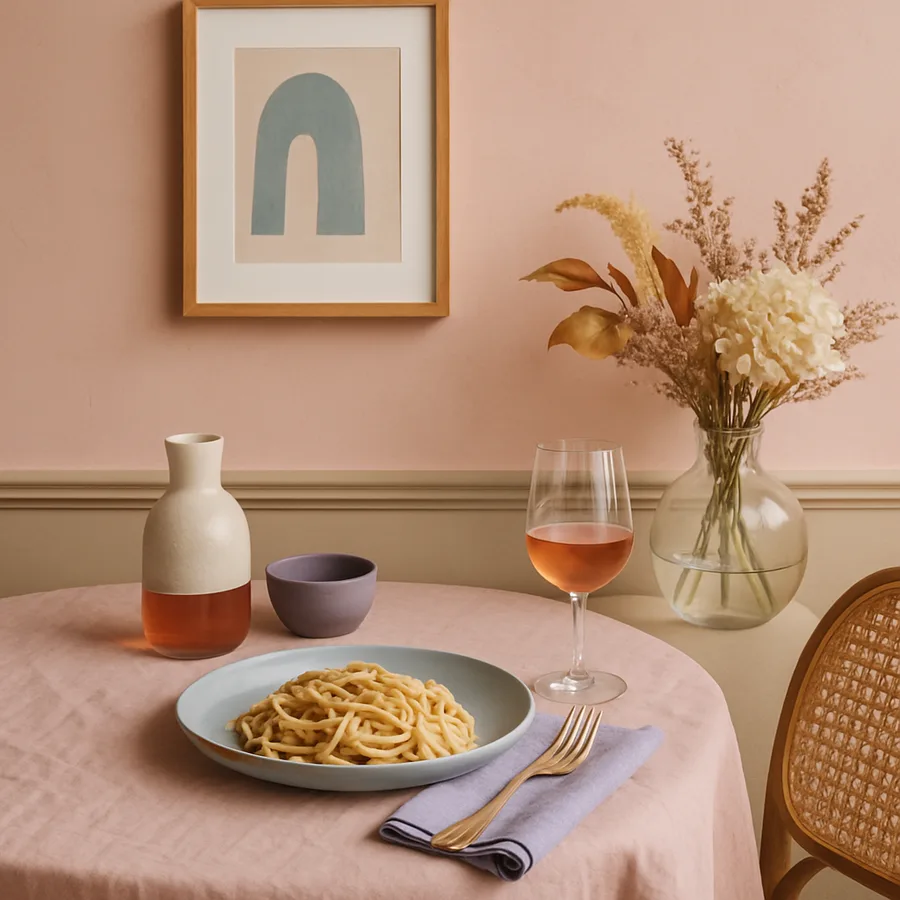
The connection between food and interior design runs deeper than most people realize. A beautifully plated pasta dish is, at its core, an exercise in color theory, texture contrast, and compositional balance, the same principles that guide every successful interior design project. When we prepare a meal with intention and present it with care, we transform the dining room from a functional space into a stage for sensory experience. The American Society of Interior Designers (ASID) has long recognized that dining environments significantly influence how food is perceived and enjoyed, with studies showing that thoughtfully designed dining rooms increase meal satisfaction by up to 40%. This intersection of culinary creativity and spatial design offers a uniquely holistic approach to home living, where the food on the table and the room that surrounds it work together to create memorable experiences.
Pasta, with its extraordinary diversity of shapes, colors, and preparations, is perhaps the ideal food for exploring this connection. From the deep green of pesto against white porcelain to the warm amber of a saffron-infused broth catching candlelight, pasta dishes offer a visual vocabulary that translates naturally into design inspiration. The International Interior Design Association (IIDA) has documented growing interest in food-inspired interior palettes, noting that the earthy, warm tones characteristic of Italian cuisine consistently rank among the most popular choices for dining spaces. Houzz reports that dining room renovation projects increased by 22% as homeowners invest more in spaces designed for both everyday meals and entertaining guests.
This article presents ten creative pasta concepts, each paired with dining room aesthetic ideas that complement and enhance the culinary experience. The goal is not merely to suggest recipes and decor separately, but to demonstrate how the visual and sensory qualities of a dish can inform the design of the space where it is served. Whether you are a passionate home cook looking for design inspiration or an interior design enthusiast seeking new ways to think about your dining room, these pairings offer a fresh perspective on the art of living well.
Rustic Cacio e Pepe and the Warmth of Tuscan Design
Cacio e pepe, the Roman classic built from just pasta, pecorino cheese, and black pepper, embodies a philosophy of elegant simplicity that translates powerfully into dining room design. The dish's golden-cream tones, punctuated by dark pepper specks, suggest a color palette of warm ivory, aged gold, and charcoal that feels both timeless and inviting. A dining room designed around these principles might feature walls in a soft, warm white, a reclaimed wood table with visible grain and natural imperfections, and iron or dark bronze light fixtures that echo the pepper's bold presence. ASID color research confirms that warm neutral palettes create the most universally comfortable dining environments, encouraging longer meals and more relaxed conversation. The simplicity of the dish reminds us that great design, like great cooking, often means knowing what to leave out rather than what to add.
The textures in a Tuscan-inspired dining space should feel lived-in and authentic, avoiding the overly polished surfaces that can make a room feel more like a showroom than a home. Rough-hewn wood, unglazed terracotta, hand-thrown ceramic dishes, and linen table runners all contribute to a tactile richness that invites touch and communicates warmth. The NCIDQ emphasizes that texture diversity is essential in monochromatic or neutral-toned spaces, as it provides the visual interest that color might otherwise supply. Consider serving your cacio e pepe in handmade ceramic bowls whose slight irregularities echo the room's artisanal character. Have you noticed how the vessels we eat from shape our perception of the food itself, just as the walls around us shape our perception of a meal? This principle of material authenticity, where every surface tells a story of craft and care, creates dining environments that feel genuinely nourishing.
Lighting in a Tuscan-inspired dining room should feel warm and intimate, favoring amber-toned sources that enhance the golden qualities of both the pasta and the room's materials. A wrought-iron chandelier with candle-style bulbs positioned directly over the table creates a focal point while casting the kind of warm, slightly uneven light that flatters food, faces, and natural materials alike. Wall sconces with amber glass shades can supplement the central fixture, providing enough ambient light for comfortable movement while maintaining the intimate atmosphere. Avoid cool white or daylight-temperature lighting in this context, as it will undermine the warm palette and make both the food and the room feel clinical rather than inviting. The goal is to create a dining environment where the light itself feels like an ingredient, enriching everything it touches.
Vibrant Pesto Pasta and Mediterranean Color Stories
The intense, herbaceous green of a fresh basil pesto introduces a dramatically different color story, one rooted in the lush landscapes of the Mediterranean coast. This vivid green, set against the pale gold of perfectly cooked pasta, creates a complementary color relationship that interior designers can use as a starting point for spaces that feel fresh, alive, and connected to nature. A dining room inspired by pesto might incorporate sage green walls, natural wood furniture in honey tones, and white ceramics that provide the same bright contrast as the pasta plate itself. The IIDA has identified green as one of the most psychologically beneficial colors for interior spaces, associated with reduced stress, improved mood, and enhanced creativity, making it an ideal choice for a room dedicated to the pleasures of eating and gathering.
The Mediterranean influence extends beyond color to include materials, patterns, and decorative elements that evoke the coastal regions where pesto originated. Hand-painted tiles in green and white, whether used as a backsplash, a tabletop accent, or framed as artwork, introduce pattern and craft tradition into the dining space. Woven rattan or wicker chairs soften the formality of a dining table while reinforcing the casual, outdoor-oriented lifestyle of Mediterranean culture. Houzz data indicates that Mediterranean-inspired dining rooms consistently rank among the most-saved design styles on the platform, suggesting broad and enduring appeal. Fresh herbs growing in small pots along a windowsill or on a sideboard serve double duty as both cooking ingredients and living decor, reinforcing the connection between the food and its environment.
When serving pesto pasta in a Mediterranean-inspired dining room, the table setting itself becomes an extension of the design. White or cream dishes allow the pesto's green to shine as the visual centerpiece, while linen napkins in complementary sage or olive tones tie the place settings to the broader room palette. Glassware in clear or pale green adds another layer of color coordination, and a simple arrangement of fresh herbs or wildflowers in a rustic pitcher serves as an appropriate centerpiece. The principle at work here is cohesion without rigidity, a designed environment where every element relates to the others but nothing feels forced or overly coordinated. This relaxed intentionality is the hallmark of Mediterranean style, in both cooking and design, and it creates dining experiences that feel effortless even when they are carefully considered.
Dark Squid Ink Linguine and Dramatic Moody Interiors
Squid ink pasta makes one of the most visually striking statements in the culinary world, its deep, glossy black surface creating a dramatic foundation for seafood, bright vegetables, or simple olive oil and garlic preparations. This bold aesthetic translates into dining room design through the increasingly popular moody interior trend, where dark walls, rich fabrics, and dramatic lighting create spaces that feel intimate, sophisticated, and unapologetically bold. The NCIDQ has noted that dark-painted dining rooms have moved from niche preference to mainstream acceptance, with charcoal, navy, and black emerging as viable and popular wall colors. A dining room designed to complement squid ink pasta might feature walls in deep charcoal or midnight blue, a black or dark wood table, and metallic accents in gold or copper that catch light against the darker backdrop.
The success of a moody dining room depends entirely on the quality and strategy of its lighting, as dark surfaces absorb rather than reflect light, requiring more intentional illumination design. Multiple light sources at different heights create dimension and prevent the room from feeling cave-like. A statement pendant or chandelier over the table provides the primary source, while candles, wall-mounted fixtures, and perhaps a backlit display shelf add supporting layers. According to ASID lighting guidelines, dining rooms benefit from dimmable fixtures that allow the atmosphere to shift between a bright, energetic setting for casual meals and a subdued, intimate setting for evening entertaining. How does the light level in your dining room change the character of the meals you eat there, and have you experimented with adjusting it deliberately?
The dramatic quality of squid ink pasta and its companion moody interior also demands restraint in accessorizing. A dark, richly appointed dining room achieves its impact through the boldness of its foundational choices, and cluttering surfaces with too many objects dilutes that impact. Select a few statement pieces, perhaps a large-format artwork in complementary tones, a sculptural centerpiece, or a set of artisan candleholders, and allow them space to command attention. Houzz interior stylists recommend the rule of odd numbers for arrangements on sideboards or mantels, grouping three or five objects of varying heights to create visual rhythm. The overall effect should feel curated and intentional, a room that has been edited down to its essential elements, much like a squid ink pasta dish that achieves its drama through the simplicity of a single, extraordinary ingredient.
Colorful Primavera and the Joy of Eclectic Spaces
Pasta primavera, with its celebration of seasonal vegetables in every color of the garden, offers a design inspiration that is joyful, abundant, and unapologetically colorful. The dish typically features red bell peppers, orange carrots, green zucchini, yellow squash, and purple eggplant tossed with pasta in a light sauce, creating a composition that reads as a study in balanced color theory. A dining room inspired by this approach embraces color diversity rather than limiting itself to a narrow palette, drawing from the eclectic design tradition that combines furnishings, textiles, and artwork from various sources into a harmonious whole. The IIDA has observed that eclectic dining rooms, when well executed, score highest in personality and warmth assessments, creating spaces that feel genuinely lived-in and reflective of their owners' tastes and experiences.
The key to successful eclectic design, like the key to good primavera, is having a unifying element that ties diverse components together. In the dish, the pasta and sauce provide that unity; in the room, it might be a consistent material, a shared finish, or a rhythmic repetition of one or two colors across different elements. A dining room might feature chairs in several different colors, for example, unified by a common wood finish on their frames. Artwork in varied styles and subjects can coexist on a gallery wall when the frames share a consistent finish or the pieces share a general color temperature. ASID guidelines for eclectic spaces recommend establishing a clear dominant color that appears in approximately 60% of the room's surfaces, with secondary and accent colors dividing the remaining visual space. This structure, invisible to the casual observer, is what distinguishes intentional eclecticism from chaos.
Serving pasta primavera in an eclectic dining room calls for a table setting that embraces the mix-and-match philosophy. Mismatched vintage plates in complementary colors, each one different but all part of a cohesive story, create a table that feels gathered and personal. Colorful glassware, patterned napkins, and a centerpiece of wildflowers or garden blooms in a variety of heights and vessels complete the look. This approach to table setting reflects a broader design philosophy that values personality over perfection and story over uniformity. Have you ever noticed how the most memorable dinner parties tend to happen in spaces that feel personal and slightly imperfect, rather than in showroom-perfect environments? The primavera approach to dining room design celebrates this truth, creating spaces where people feel comfortable being themselves.
Saffron Risoni and the Elegance of Golden Hour Design
Saffron-infused risoni (also known as orzo) presents one of the most luminous color stories in the pasta world, its deep golden-amber hue recalling the warmth of late afternoon sunlight. This particular shade, often called "golden hour" color in design circles, has a unique ability to make spaces feel warm, luxurious, and bathed in perpetual soft light. A dining room that captures this quality might feature walls in a warm, pale gold or honeyed cream, paired with furniture in rich wood tones and metallic accents that range from polished brass to antiqued gold. According to Houzz trend data, warm gold tones have seen a 35% increase in use within dining spaces, reflecting a broader shift away from the cool grays that dominated the previous decade. The NCIDQ associates warm-toned dining environments with increased appetite and prolonged time at the table, both desirable outcomes for spaces designed around the pleasures of shared meals.
Achieving the golden hour effect in a dining room requires particular attention to how light interacts with surfaces. Matte and satin finishes in warm tones absorb and re-emit light softly, creating a glow that feels natural and enveloping. Glossy surfaces, used sparingly, add points of brightness that mimic the sparkle of sunlight on water or the gleam of saffron threads in a finished dish. Textiles in amber, honey, and warm cream, whether in curtains, table linens, or upholstered chair seats, soften the room acoustically while reinforcing the golden palette. The choice of metal finishes is critical in this scheme: brass, gold, and warm copper complement the saffron inspiration, while silver and chrome would introduce a coolness that undermines the effect. Every material decision should ask whether it contributes to or detracts from that sense of perpetual warm light.
The saffron-inspired dining room benefits from a single dramatic lighting fixture that serves as both a functional light source and a sculptural statement. A large pendant in spun brass or a chandelier with amber glass elements can anchor the room while reinforcing the golden theme through its own materiality. During evening meals, candlelight adds the final layer of warm illumination, its flickering quality creating an atmosphere that no electric light can fully replicate. The table setting for saffron risoni might feature cream-colored stoneware, gold-toned cutlery, and amber-tinted glassware, each element contributing to the room's overall warmth. This holistic approach, where every surface, material, and light source participates in a unified sensory experience, demonstrates the principle that the best dining room design is not a backdrop for meals but an active participant in them.
Fresh Lemon Pasta and Bright Coastal Design
Lemon pasta, with its bright citrus notes and clean, sunny appearance, inspires a dining room aesthetic rooted in coastal freshness and Mediterranean light. The dish's pale yellow sauce, flecked with green herbs and often garnished with shaved Parmesan, suggests a palette of soft yellows, clean whites, and natural blues that evokes seaside dining at its most refined. This coastal aesthetic has proven remarkably enduring in interior design, with the ASID noting that coastal-inspired spaces consistently rank among the most requested dining room styles across all geographic regions, not just waterfront properties. The appeal lies in the style's ability to create spaces that feel bright, relaxed, and welcoming, qualities that enhance any dining experience, regardless of proximity to the ocean.
Materials in a lemon-pasta-inspired dining room should emphasize natural, light-toned surfaces that reflect and amplify available light. White-washed wood, pale stone, and light-colored natural fiber textiles create a foundation of brightness that makes the space feel larger and more open than its actual dimensions. Rattan, wicker, and light cane furniture pieces introduce texture and warmth without heaviness, while blue-and-white ceramics, whether serving pieces, vases, or decorative objects, provide the classic coastal color accent. The IIDA recommends that coastal-inspired interiors maintain a minimum of 70% light-toned surfaces to achieve the airy quality that defines the style. What color is the dominant surface in your current dining room, and how might shifting it lighter change the way the space feels during meals?
The finishing details in a coastal dining room should feel collected rather than purchased, as though gathered over time from travels, markets, and beachcombing excursions. A bowl of lemons on the table serves as both decoration and ingredient, its bright yellow providing a focal point against the predominantly white-and-blue palette. Linen napkins in soft blue or natural ecru, sea glass collected in a clear jar, or a piece of driftwood arranged as a natural centerpiece all contribute to the casual, organic character of coastal design. According to Houzz, the most successful coastal dining rooms avoid overtly nautical motifs like anchors, ships' wheels, or rope accents, instead relying on color, material, and light to evoke the seaside without being literal about it. This subtlety is what elevates coastal design from theme to style, creating spaces that feel inspired by the shore rather than decorated for it.
Conclusion
The relationship between food and interior design is one of mutual inspiration, where the colors, textures, and sensory qualities of a beautiful dish can inform the space that surrounds it, and a thoughtfully designed room can elevate the simplest meal into an occasion. The ten pasta-inspired design concepts explored here demonstrate the extraordinary range of aesthetic possibilities that emerge when culinary and spatial creativity intersect. From the rustic warmth of Tuscan-inspired cacio e pepe to the bright optimism of coastal lemon pasta, each pairing offers a complete sensory vision that encompasses color, texture, light, material, and atmosphere. The American Society of Interior Designers and the International Interior Design Association both recognize the dining room as one of the most important spaces in a home, a place where design has a direct, measurable impact on quality of life.
As you consider your own dining room, think about the meals that bring you the most joy and what visual qualities they share. Do you gravitate toward the warmth and richness of saffron-toned dishes, or the fresh brightness of citrus and herbs? Do your favorite meals call for candlelit intimacy or sunlit abundance? These preferences can guide design decisions that make your dining room not just a place to eat, but a space that reflects and enhances the way you nourish yourself and the people you love. Begin with a single change, perhaps a new table linen, a different lighting approach, or a shift in wall color, and observe how it transforms the experience of eating in that space. The most successful dining rooms evolve over time, layer by layer, meal by meal, becoming more personal and more complete with each gathering around the table. Let your next pasta dish be the beginning of that transformation.
More Articles You May Like



Comments
Post a Comment