Transform Your Home: Essential Elements of Rustic Interior Design Style
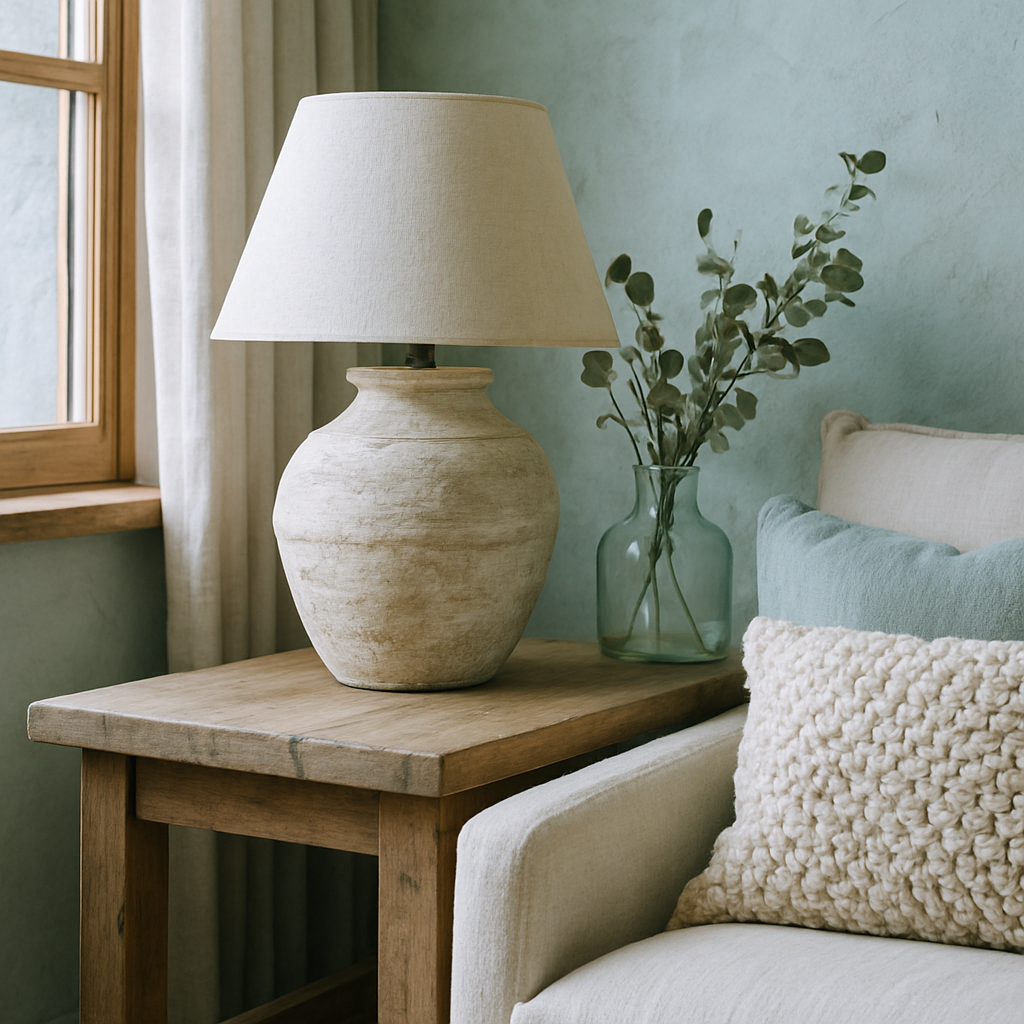
Imagine stepping into a home where every corner whispers stories of the past, enveloping you in warmth and nostalgia. This allure of rustic interior design has captivated homeowners, with an increasing number opting for its timeless charm. According to a recent Houzz survey, over 45% of homeowners are leaning towards natural and earthy aesthetics in their home redesigns. If you're drawn to the rustic style, you're not alone. This article will equip you with the essential elements of rustic interior design, guide you through foundational concepts, delve into deeper analyses with data, and provide actionable strategies to transform your home. Whether you're embarking on a full-home makeover or a single room refresh, read on to learn how to infuse your space with rustic elegance.
Foundational Concepts of Rustic Interior Design
At its core, rustic interior design emphasizes simplicity, natural materials, and an unpretentious warmth that evokes a sense of comfort. The style draws inspiration from rural and farmhouse aesthetics, emphasizing rugged and organic elements. Think of wooden beams with visible grains, stone fireplaces, and repurposed barn doors. These elements capture the essence of rustic style, offering a sense of permanence and authenticity. The primary goal is to create a space that feels grounded in nature, making it both inviting and soothing.
Natural materials are the cornerstone of rustic design. Wood, stone, and metal are used extensively, with a preference for unrefined finishes that highlight their natural beauty. For instance, reclaimed wood floors and exposed brick walls are popular choices that add texture and depth to a room. These elements not only enhance the aesthetic appeal but also bring a tactile warmth that modern materials often lack. The use of such materials is a testament to the rustic design's commitment to sustainability and environmental consciousness.
Color palettes in rustic design are typically subdued, reflecting the hues found in nature. Earthy tones like browns, greens, and grays dominate, creating a calm and harmonious environment. Subtle pops of color can be introduced through textiles and accessories, but they often remain within the natural spectrum. This adherence to a muted palette ensures that the focus remains on the textures and materials, rather than on bold or distracting colors. Transitioning from these foundational concepts, let's explore how data underscores the popularity of rustic design elements.
Deeper Analysis with Data
The popularity of rustic interior design can be attributed to several factors, as evidenced by data from industry surveys and reports. According to ASID (American Society of Interior Designers), the demand for natural materials in home design has increased by 30% over the past five years. This trend is largely driven by a growing awareness of sustainability and a desire to create homes that reflect a connection to nature. Homeowners are increasingly seeking out design elements that are not only beautiful but also environmentally responsible.
Further supporting this trend, Houzz's annual survey reveals that 55% of homeowners who renovated in 2022 incorporated rustic elements into their designs. This statistic highlights a significant shift towards embracing rustic aesthetics, particularly in kitchens and living rooms. The preference for rustic design is not just a fleeting trend but a growing movement towards authenticity and simplicity in interior spaces. These findings reflect a broader cultural shift towards valuing craftsmanship and durability over disposable, mass-produced goods.
In addition to sustainability, the resale value of homes with rustic interiors is another compelling factor. Real estate experts often note that well-designed rustic homes can command a 5-15% higher resale value. This is supported by research indicating that buyers are willing to pay a premium for homes that offer unique character and charm. As we delve into actionable strategies in the next section, consider how these trends can be leveraged to enhance both the aesthetic and financial value of your home.
Actionable Strategies for Achieving Rustic Style
Ready to transform your home with rustic interior design? Start by identifying key areas where natural materials can be introduced or emphasized. For instance, consider installing reclaimed wood floors or adding a stone backsplash in the kitchen. These elements not only enhance the rustic feel but are also durable and environmentally friendly. Are there existing architectural features you can highlight, such as exposed beams or brickwork? Accentuating these elements can instantly add rustic charm to your space.
Furniture selection is crucial in achieving a cohesive rustic look. Opt for pieces that feature distressed finishes and solid, sturdy construction. Look for vintage or antique furniture that tells a story and adds character to your home. Incorporating a mix of textures, such as leather, wool, and linen, can also enhance the rustic aesthetic. When selecting accessories, focus on handmade or artisanal items that reflect the rustic style's emphasis on craftsmanship. Consider visiting local flea markets or antique shops to find unique pieces that add a personal touch to your decor.
Lighting plays a pivotal role in creating the right ambiance. Rustic design often incorporates fixtures made from wrought iron, brass, or other aged metals. Think of lantern-style pendant lights or antique chandeliers to illuminate your space with a warm, inviting glow. Don't overlook the importance of natural light, which can be maximized by using sheer curtains or leaving windows unobstructed. As we transition to expert-level details, consider how lighting can significantly influence the overall mood and functionality of your rustic interior.
Expert-Level Details for a Polished Look
Experienced professionals often note that the key to a successful rustic design lies in the balance between rough and refined elements. While it's important to highlight natural materials, incorporating elements of understated elegance can elevate the overall look. This is where the concept of "quiet luxury" comes into play, blending rustic textures with sophisticated finishes. Consider pairing a reclaimed wood table with sleek, modern chairs or adding a plush, neutral-toned rug to soften a stone floor. This juxtaposition creates a dynamic and visually interesting space.
Another expert tip is to focus on layering textures to add depth and interest. For example, layering wool throws over a leather sofa or placing a jute rug beneath a wooden coffee table can enhance the tactile experience of your room. These layers create a cozy, lived-in feel that is central to rustic design. Additionally, incorporating biophilic design elements, such as indoor plants or living walls, can further connect your interior to the natural world, enhancing both visual appeal and air quality.
For those looking to invest in technology, smart home integration can be seamlessly incorporated into rustic interiors. Automated lighting and climate control systems, for example, can enhance comfort and convenience without detracting from the rustic aesthetic. Many modern systems offer customizable interfaces that blend seamlessly with traditional design elements. As we move into additional insights, consider how technology can complement rather than compete with your rustic design goals.
Additional Depth and Considerations
When designing a rustic interior, it's important to consider the overall flow and layout of your space. Mapping out how you use each room can help determine where rustic elements will be most effective. For instance, where do you spend the most time relaxing? Which areas could benefit from more warmth and texture? By answering these questions, you can prioritize areas for design enhancements, ensuring that your space is both functional and aesthetically pleasing.
Budgeting is another critical aspect of any design project. Rustic interiors can be achieved on a range of budgets, from modest updates to extensive renovations. For a single room redesign, expect to spend between $5,000 and $15,000, depending on the scope and materials chosen. Full-home projects can range from $50,000 to $150,000 or more. It's essential to set a realistic budget that considers both immediate needs and long-term goals. Consulting with certified interior designers, such as those with NCIDQ (National Council for Interior Design Qualification) credentials, can provide valuable insights into cost-effective strategies and high-impact investments.
Finally, remember that personalization is key to creating a space that truly feels like home. While rustic design has its foundational elements, it's essential to infuse your personality and preferences into the space. Whether it's displaying cherished family heirlooms or incorporating favorite colors in subtle ways, these personal touches will make your rustic interior uniquely yours. In the concluding section, we'll summarize the essential takeaways and offer a practical step to begin your design journey.
Final Perspectives on Rustic Interior Design
Rustic interior design offers a timeless appeal that combines natural beauty with a sense of history and craftsmanship. By embracing its core elements-natural materials, earthy color palettes, and a balance between rough and refined-you can create a home that is both inviting and stylish. As we've explored, the popularity of rustic design is supported by data and expert insights, underscoring its enduring appeal and value.
Whether you're starting with a small project or planning a comprehensive redesign, the principles of rustic design can be adapted to suit your specific needs and preferences. Remember to focus on authenticity and sustainability, prioritizing quality over quantity. The beauty of rustic design lies in its ability to evoke warmth and comfort, creating a sanctuary that reflects your personal style.
As you embark on your rustic design journey, consider how each element contributes to the overall ambiance and functionality of your space. In the conclusion, we'll offer a concrete next step to help you get started on transforming your home with rustic charm.
Conclusion
Incorporating rustic interior design into your home is more than just a trend-it's a way to create a space that resonates with warmth, character, and timeless beauty. By understanding and applying the essential elements of rustic style, you can transform your home into a cozy retreat that reflects your personal taste and values. From foundational concepts to expert-level details, this guide has provided a comprehensive overview to inspire your design journey.
Ready to take the first step? Start by exploring designer portfolios on platforms like Houzz or Instagram. Spend just 20 minutes this week browsing images and noting elements that resonate with you. This initial research will sharpen your eye and guide your decision-making process. Remember, the transformation of your home into a rustic haven begins with a single, intentional step. Happy designing!



Comments
Post a Comment