Transforming Workspaces: Top Office Interior Design Trends
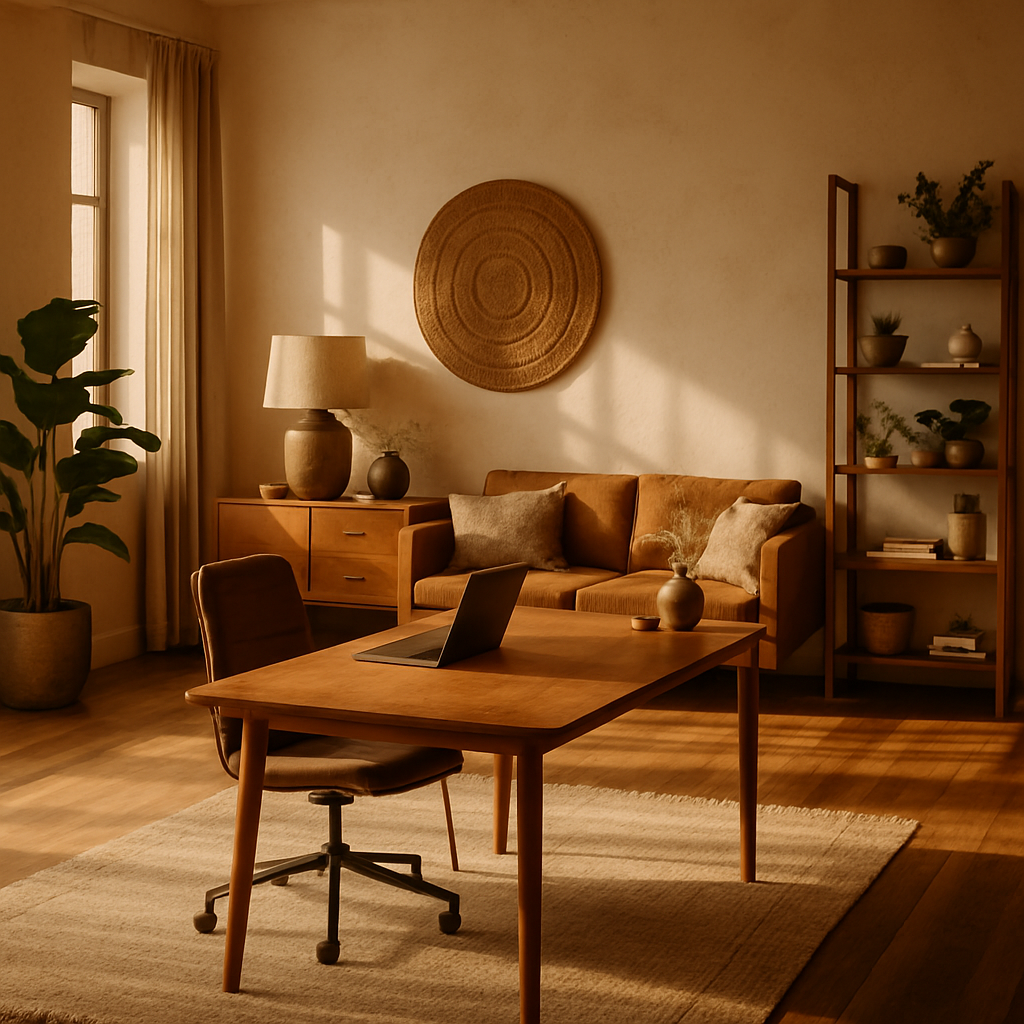
The way we think about office spaces has undergone a seismic shift. Gone are the days of sterile cubicle farms and fluorescent-lit corridors that drained the energy from everyone who walked through them. The modern workplace demands a thoughtful approach to design, one that balances aesthetics with functionality and places employee well-being at the center of every decision. According to the American Society of Interior Designers (ASID), workplaces that invest in intentional design see measurable improvements in both employee satisfaction and retention. Whether you are planning a complete office overhaul or simply refreshing your current setup, understanding the forces shaping commercial interiors will help you create a space that truly performs. From biophilic elements that reconnect us with nature to smart home technology that anticipates our needs, the trends driving office design forward are as varied as they are exciting. This guide walks you through the most influential movements redefining what it means to work in a well-designed space.
Biophilic Design Brings Nature Into the Office
Biophilic design has moved from niche concept to mainstream expectation in commercial interiors. The principle is straightforward: human beings have an innate need to connect with nature, and when office environments reflect that connection, people perform better. Living green walls, indoor planters, water features, and natural materials like reclaimed wood and stone are appearing in offices of every size. Research published by the International Interior Design Association (IIDA) found that employees working in biophilic environments reported a 15% increase in overall well-being compared to those in conventional offices. The effect is not merely psychological; access to daylight and natural elements has been linked to lower cortisol levels and improved cognitive function throughout the workday.
Implementing biophilic design does not require a complete renovation. Start with potted plants on desks, moss walls in communal areas, and large windows that allow natural light to flood the floor plan. Materials matter as much as greenery, so consider replacing synthetic surfaces with bamboo, cork, or sustainably harvested timber. Even the color palette can echo nature; earthy tones of sage, terracotta, and warm sand create a calming backdrop that reduces visual fatigue. Acoustic panels made from natural fibers serve double duty by dampening noise and adding organic texture to otherwise hard surfaces. The goal is to create layers of sensory connection that remind occupants they are part of the living world, not sealed away from it.
Forward-thinking firms are also integrating outdoor workspaces into their design strategies. Covered terraces, rooftop gardens, and courtyard meeting areas extend the usable square footage while giving teams a change of scenery that sparks fresh ideas. How might your own workspace benefit from even a small dose of the natural world? Whether it is a single fiddle-leaf fig in the reception area or a full vertical garden in the break room, every biophilic intervention signals to employees and visitors alike that well-being is a priority. The return on that investment shows up in engagement scores, sick-day reductions, and the kind of creative energy that cannot be manufactured by motivational posters alone.
Quiet Luxury Redefines Professional Elegance
The quiet luxury movement has migrated from residential interiors into the corporate sphere, replacing flashy branding and ostentatious finishes with understated sophistication. In practice, quiet luxury means investing in exceptional materials and craftsmanship rather than conspicuous logos or trendy statement pieces. Think hand-stitched leather seating, brushed brass hardware, bespoke joinery, and acoustically engineered wall panels wrapped in bouclé or fine wool. The effect is a workspace that communicates competence and confidence without shouting. Houzz trend reports consistently rank this restrained approach among the top directions for high-end commercial projects, noting that clients increasingly equate visual calm with organizational maturity.
Color plays a central role in achieving quiet luxury. Neutral palettes anchored by warm whites, taupe, greige, and soft charcoal create a cohesive canvas that ages gracefully and resists the whiplash of passing fads. Texture does the heavy lifting; layering matte surfaces against subtle sheens introduces depth without introducing visual noise. A polished concrete floor paired with fluted timber paneling and a plush wool area rug creates a sensory experience that feels curated rather than decorated. Lighting follows the same philosophy, with indirect coves, dimmable pendants, and task lamps replacing the harsh overhead grids of previous decades. The result is a space that supports focus during concentrated work and warmth during collaborative moments.
For firms considering this direction, the key is restraint. Every element should earn its place through function, comfort, or enduring beauty. A single sculptural light fixture above the reception desk can set the tone for an entire floor. Integrated storage solutions keep surfaces clean, reinforcing the visual serenity that defines the approach. What would your office feel like if every surface, every fixture, and every piece of furniture was chosen for lasting quality rather than short-term impact? Quiet luxury is not about spending more; it is about spending thoughtfully, directing budgets toward fewer, better pieces that elevate the everyday experience of everyone who uses the space.
Smart Technology Creates Responsive Environments
Smart home technology has outgrown the residential living room and is now reshaping how offices operate at a fundamental level. Sensor-driven climate control, automated lighting systems, and app-controlled room booking platforms are standard features in newly designed workplaces. These systems learn from occupancy patterns and adjust heating, cooling, and illumination in real time, eliminating the wasted energy of empty conference rooms blazing with lights. The National Council for Interior Design Qualification (NCIDQ) has highlighted the growing importance of technology literacy among designers, noting that modern projects routinely require coordination between interior professionals and building automation engineers.
Beyond environmental controls, smart technology is enabling entirely new ways of working. Wireless charging surfaces embedded in desks, integrated video-conferencing walls, and acoustic-sensing ceiling tiles that adjust sound dampening based on room activity are moving from novelty to necessity. Data collected by these systems also provides facility managers with actionable insights about space utilization, helping organizations right-size their footprints and allocate resources more effectively. The initial investment in smart infrastructure typically ranges from $150 to $500 per hour of specialist consultation, but the long-term savings in energy costs and space optimization often deliver a compelling payback within the first few years.
Privacy and security deserve careful attention as offices become more connected. Designers must work with IT teams to ensure that sensor networks, cameras, and occupancy trackers comply with local data regulations and respect employee comfort. Transparent communication about what data is collected and how it is used builds the trust necessary for successful adoption. Have you considered how intelligently your current workspace responds to the people inside it? The most effective smart offices feel intuitive rather than intrusive, anticipating needs so seamlessly that occupants rarely think about the technology at all. That invisible intelligence is the hallmark of well-integrated design.
Japandi Aesthetics Merge Function and Serenity
Japandi design, the harmonious blend of Japanese minimalism and Scandinavian functionality, has found a natural home in the modern office. Both traditions share a reverence for clean lines, natural materials, and purposeful simplicity, making their fusion particularly well-suited to work environments where clarity and calm support productivity. Light-toned ash and oak furniture, linen upholstery, ceramic accents, and carefully edited accessories define the Japandi office. According to Architectural Digest (AD PRO), this aesthetic resonates strongly with companies seeking to project values of mindfulness, sustainability, and global awareness. The palette is deliberately restrained, relying on soft neutrals, muted greens, and the warmth of unfinished wood to create visual harmony.
Functionality is never sacrificed for appearance in a Japandi workspace. Storage is built in and concealed, cables are routed through purpose-designed channels, and every piece of furniture serves a clear role. Low-profile seating and open floor plans encourage a sense of spaciousness even in compact offices. Sliding screens inspired by traditional shoji partitions offer flexible room division without the permanence of drywall, allowing teams to reconfigure spaces as needs change. The absence of clutter is not an afterthought; it is a design principle that requires disciplined planning and ample concealed storage to maintain.
Adopting Japandi does not mean stripping a workspace down to emptiness. The warmth of wabi-sabi imperfection, visible in a hand-thrown pottery vase or an artisan-woven textile, prevents the aesthetic from feeling cold or institutional. What if your office communicated focus and intentionality through every material choice? The discipline of editing out the unnecessary often reveals the beauty inherent in well-made essentials. For teams exploring this direction, a good starting point is the reception area or a single meeting room, where the principles can be tested and refined before rolling out across the broader floor plate.
Flexible Layouts Support Hybrid Work Models
The rise of hybrid work has made rigid floor plans obsolete. Organizations are discovering that they need spaces capable of shape-shifting throughout the day, accommodating everything from focused solo work to large-scale team gatherings within the same footprint. Modular furniture systems with wheeled desks, stackable seating, and movable acoustic partitions allow a morning workshop space to become an afternoon quiet zone with minimal effort. A study cited by ASID found that 72% of design professionals now consider adaptability the single most important factor in commercial interior planning, surpassing aesthetics and even cost as a client priority.
Hot-desking areas, phone booths, and bookable collaboration pods have become the building blocks of the flexible office. Rather than assigning every employee a permanent workstation, forward-thinking companies provide a menu of settings that people choose based on the task at hand. Touchdown bars near the entrance serve those popping in for a few hours, while enclosed focus rooms support deep work that demands silence. Social hubs with comfortable lounge seating, coffee stations, and writable wall surfaces encourage the spontaneous interactions that hybrid schedules can otherwise starve. The design challenge lies in creating enough variety to support diverse activities without the space feeling fragmented or chaotic.
Technology underpins the success of flexible layouts. Room-booking apps, wayfinding screens, and occupancy sensors help people find available settings quickly, reducing the friction that can make hot-desking feel disorienting rather than liberating. Designers must also consider the emotional dimension of flexibility; people still crave a sense of belonging, even in shared environments. Personal lockers, team neighborhoods with distinctive design identities, and display walls showcasing project work all help maintain cultural cohesion. Does your current office empower people to choose the right setting for every task, or does it force one mode of working on everyone? The answer often reveals the next design opportunity.
Wellness-Centric Design Prioritizes Human Health
Wellness has evolved from a perk to a foundational design principle in contemporary offices. Circadian lighting systems that mimic the arc of natural daylight, standing-desk options, and air-filtration technologies that maintain optimal indoor air quality reflect a growing recognition that the built environment directly affects physical health. The WELL Building Standard, frequently referenced by IIDA-certified professionals, provides a rigorous framework for evaluating how design decisions impact air, water, nourishment, light, movement, thermal comfort, sound, materials, mind, and community. Offices pursuing WELL certification often discover that many improvements are surprisingly affordable and deliver outsized returns in productivity and morale.
Acoustic design deserves special mention within the wellness conversation. Open-plan offices promised collaboration but often delivered noise-related stress that undermined the very teamwork they sought to encourage. Modern acoustic strategies layer sound-absorbing ceiling tiles, upholstered partitions, white-noise generators, and strategically placed soft furnishings to create a soundscape that supports both conversation and concentration. Dedicated quiet zones marked by visual cues such as carpet color changes and lower lighting levels give occupants permission to retreat without leaving the building. These interventions address one of the most common complaints in workplace satisfaction surveys and represent a high-impact, moderate-cost improvement path.
Mental wellness is equally embedded in the design agenda. Meditation rooms, restorative nap pods, and outdoor walking paths signal that an organization values sustainable performance over presenteeism. Color psychology informs palette choices, with blues and greens deployed in relaxation areas and warmer tones energizing collaborative zones. Art programs that rotate original works through office spaces provide cognitive stimulation and conversation starters that enrich the daily experience. How well does your workspace support not just the tasks people perform but the human beings performing them? The strongest office designs answer that question with every material, layout, and lighting decision they make.
Conclusion
The office interior design trends reshaping workspaces today share a common thread: they place human experience at the center of every decision. Biophilic elements reconnect us with nature, quiet luxury elevates everyday surroundings through restrained elegance, and smart technology creates environments that respond intelligently to our presence. Japandi aesthetics prove that simplicity and warmth can coexist, while flexible layouts acknowledge that no single arrangement serves every task. Wellness-centric design closes the loop by ensuring that the spaces we occupy actively support our physical and mental health. Together, these movements represent a maturation of commercial interior design, one that views the workplace not as a container for desks but as a strategic asset capable of attracting talent, fueling creativity, and sustaining performance over the long term. If you are ready to transform your workspace, begin by identifying which of these trends aligns most closely with your organizational values and employee needs. Consult a designer credentialed by ASID or NCIDQ, request a workplace audit, and take the first step toward an office that works as hard and as thoughtfully as the people inside it.
More Articles You May Like



Comments
Post a Comment