The Ultimate Guide to Hiring an Interior Designer: What You Need to Know
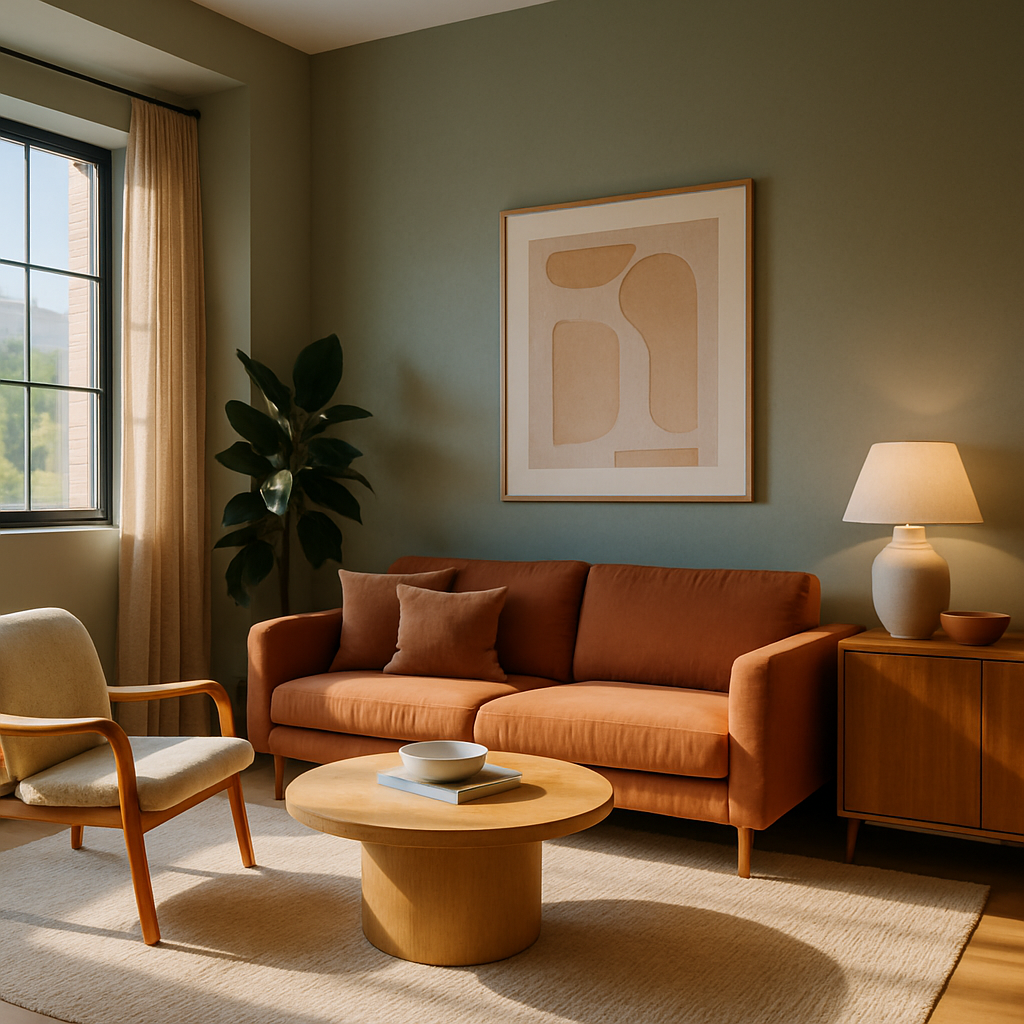
Imagine walking into your home and feeling an immediate sense of peace and satisfaction, knowing every detail has been carefully curated by a professional. According to the American Society of Interior Designers (ASID), beautifully designed spaces can increase home resale value by 5-15%. However, hiring an interior designer can feel daunting if you're unsure where to start. This guide will navigate you through the essential steps of hiring an interior designer, from understanding professional credentials to assessing budget considerations, aiming to transform your space into a harmonious blend of form and function.
Understanding Interior Design Credentials
When embarking on the journey of hiring an interior designer, it's crucial to understand the credentials that signify expertise and professionalism. The National Council for Interior Design Qualification (NCIDQ) sets the gold standard in the industry. Designers holding an NCIDQ certification have demonstrated extensive knowledge in key areas such as building codes, lighting design, and material selection. This certification ensures you are hiring someone who is not only creative but also deeply knowledgeable about the technical aspects of interior spaces.
In addition to NCIDQ, organizations like the International Interior Design Association (IIDA) and ASID also offer memberships that indicate a designer's commitment to industry standards and ongoing education. These affiliations often require designers to participate in continuing education, ensuring they remain current with evolving design trends and regulatory requirements. Are you aware of the difference between a certified interior designer and a decorator? While decorators focus on aesthetics, certified designers have the technical expertise to address structural and functional challenges.
Understanding these distinctions is vital as they can influence the outcome of your project significantly. Hiring a certified professional ensures that you are not just getting an aesthetically pleasing design but one that is safe, sustainable, and compliant with all relevant regulations. As you move forward, knowing these credentials can guide you in making informed decisions about who to trust with your home.
Budgeting for Your Interior Design Project
Budgeting is a critical component of any interior design project, influencing every decision from the designer you hire to the materials used. The scope of your project - whether it's a single room or an entire home - will significantly impact your budget needs. According to Houzz's annual survey data, homeowners typically spend between $5,000 and $15,000 on single-room redesigns, while full-home projects can range from $50,000 to $150,000 or more. Knowing these benchmarks can help set realistic expectations for what your project might cost.
Designers often employ various fee structures, including hourly rates, flat fees, or a percentage of the total project cost. Hourly rates can range from $150 to $500, depending on the designer's experience and location. Alternatively, some designers charge a percentage of the total project cost, typically between 10-25%. This fee structure can be advantageous if your project scope evolves, allowing for flexibility in design adjustments.
Have you considered the long-term value of well-designed interiors? Beyond immediate aesthetics, smart design choices can enhance your home's resale value and functionality. Practical investments in sustainable materials or smart home integrations can not only save money over time but also appeal to future buyers. As we delve into the next section, consider how your budget can align with both your immediate needs and future gains.
Crafting Your Vision: Strategies for Success
Before meeting with potential designers, take time to articulate your vision. This step involves more than just choosing colors and styles; it requires a deep dive into how you use your space daily. Map out where family activities take place, identify areas that get cluttered, and consider how lighting affects different rooms throughout the day. This self-reflection will help you communicate your lifestyle needs effectively to your designer, ensuring a space that truly works for you.
Visualization tools can also play a pivotal role in this stage. Modern designers often use AR/VR technology to provide clients with immersive previews of potential designs. These tools allow you to virtually walk through your redesigned space, making it easier to visualize changes and make informed decisions. Is there a particular style or trend you're drawn to? Whether it's the serene minimalism of Japandi or the organic appeal of biophilic design, identifying these preferences early on can streamline the design process.
Collaborate with your designer to establish a clear timeline and milestones for your project. This collaboration will help manage expectations and keep the process on track. As we move to the next section, we'll explore how to evaluate potential designers and ensure they align with your vision and goals.
Evaluating Potential Designers
When it comes to selecting the right interior designer, reviewing portfolios is an indispensable step. Platforms like Houzz and Instagram are treasure troves of designer portfolios and project photos. They provide a visual snapshot of a designer's style and expertise, helping you determine if their aesthetic aligns with your vision. Additionally, the American Institute of Architects (AIA) local chapters often host events where you can meet designers and see their work firsthand.
Experienced professionals often note the importance of chemistry between client and designer. A designer who listens actively and communicates clearly will be better equipped to translate your ideas into reality. Arrange initial consultations with a few designers to get a sense of their approach and personality. During these meetings, inquire about their preferred project phases - from concept development and design presentation to procurement, installation, and final styling.
As you evaluate potential candidates, consider their experience with projects similar to yours. Do they have a track record of working within your budget range? Are they familiar with the latest industry trends such as sustainable materials or smart home integration? These insights will help you make a choice that ensures both a successful collaboration and a satisfying end result. In the next section, we'll dive deeper into how current trends can influence your design choices.
Integrating Current Design Trends
Staying abreast of current design trends can significantly enhance the outcome of your interior design project. Trends such as biophilic design, which emphasizes natural materials and indoor-outdoor flow, are gaining momentum for their aesthetic and health benefits. Incorporating elements like living walls or large windows can create a serene, refreshing environment in your home.
The concept of 'quiet luxury' is also making waves, focusing on understated elegance through high-quality materials and minimalist designs. This trend is perfect for those who appreciate subtle sophistication over opulence. Smart home integration remains a popular choice, offering conveniences such as automated lighting, climate control, and window treatments. These technologies not only enhance comfort but also improve energy efficiency, aligning with sustainable living principles.
Have you considered how these trends could fit into your design vision? Reflect on which elements resonate with your lifestyle and values. By incorporating these trends thoughtfully, you can create a home that is both current and timeless. As we conclude, we will tie together these insights and provide practical steps for moving forward with your project.
Final Thoughts on Hiring an Interior Designer
Embarking on an interior design project is an exciting opportunity to transform your living space into a reflection of your personality and lifestyle. However, the journey requires careful planning and consideration to ensure success. From understanding professional credentials and budgeting appropriately to crafting a vision and evaluating designers, each step plays a crucial role in the overall experience.
As you proceed, remember that the goal is not only to enhance the aesthetic appeal of your home but also to improve its functionality and value. By staying informed and actively engaging in the process, you can achieve a design outcome that exceeds your expectations and enhances your day-to-day life. In the final section, we will provide a clear call to action to help you take the first concrete steps in your design journey.
Conclusion: Taking the First Step
Hiring an interior designer is a strategic investment in your home and quality of life. By understanding the role of credentials, budgeting wisely, crafting a clear vision, and staying informed about current trends, you are well-prepared to embark on this journey. Start by browsing designer portfolios on Houzz or scheduling consultations with local professionals. Even 20 minutes of research this week can significantly sharpen your eye for what you want.
Are you ready to transform your space with the help of a professional? Take the time to reflect on your goals and gather inspiration. Engage with your chosen designer openly and collaboratively to ensure a seamless and rewarding experience. With the right guidance and preparation, your dream interior is within reach.



Comments
Post a Comment