The Future of Interior Design: Trends Shaping Companies Like Interior Bliss
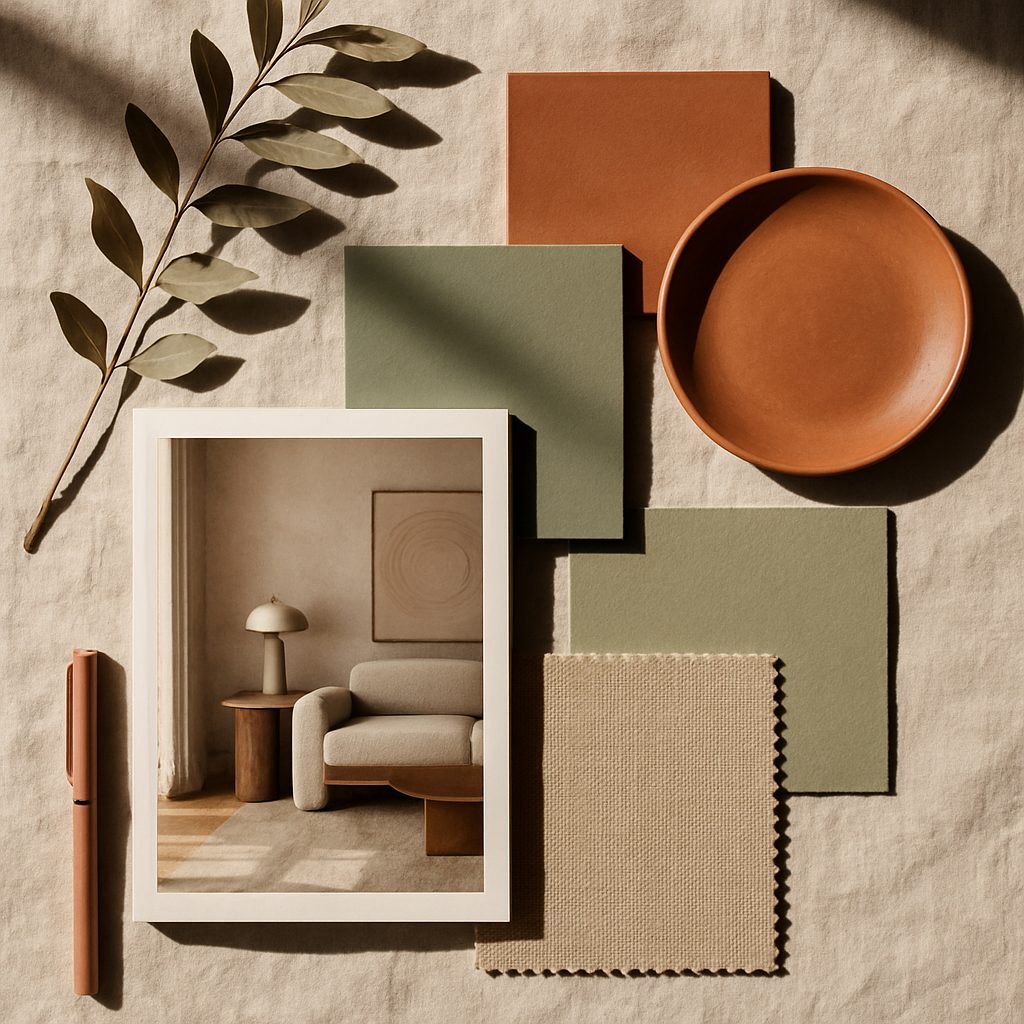
Have you ever walked into a room and felt an immediate sense of calm or inspiration? This is not by accident. The future of interior design is rapidly evolving, with trends that promise to redefine how we experience our spaces. Companies like Interior Bliss are at the forefront, leveraging these trends to create environments that are not only aesthetically pleasing but also profoundly impactful on our well-being. This article explores the key trends shaping the future of interior design, provides data-driven insights, and offers actionable strategies for anyone looking to transform their space.
Foundational Concepts in Modern Interior Design
The foundation of modern interior design is built upon the principles of functionality, aesthetics, and sustainability. As homes become more than just living spaces, the demand for designs that accommodate work, play, and relaxation is increasing. The concept of biophilic design, which emphasizes the use of natural materials and indoor-outdoor flow, has gained traction. This approach not only enhances aesthetic appeal but also contributes to improved mental health and productivity, as supported by numerous studies.
Biophilic design is often coupled with smart home integration, a trend that continues to rise. Automated systems for lighting, climate, and window treatments are becoming staples in modern homes. According to a Houzz survey, nearly 45% of homeowners who renovated in 2023 incorporated some form of smart technology into their design plans. This seamless integration of technology and design is key, as it enhances both convenience and energy efficiency.
Additionally, the concept of quiet luxury, which focuses on understated elegance and high-quality materials, is reshaping how spaces are perceived. This trend is characterized by subtle sophistication rather than overt opulence, appealing to those who value quality over quantity. As we delve into the specifics of these trends, it becomes clear how they are influencing companies like Interior Bliss to redefine the future of interior design.
Deeper Analysis with Data-Driven Insights
Statistics from the American Society of Interior Designers (ASID) reveal that well-designed interiors can increase a home's resale value by 5-15%. This underscores the economic value of investing in professional design services. Furthermore, the ASID's annual reports indicate a growing preference for sustainable and reclaimed materials, with 67% of designers reporting increased client interest in 2023. Such materials not only reduce environmental impact but also add unique character to any space.
Interior Bliss, like many forward-thinking companies, is leveraging these trends to offer tailored design solutions that resonate with contemporary homeowners. The integration of smart technologies, as highlighted by Houzz, is another area where data supports the trend. Homeowners are increasingly drawn to features that enhance convenience and reduce energy consumption, such as automated lighting systems and programmable thermostats.
Moreover, the rise of Japandi style-a blend of Japanese minimalism and Scandinavian warmth-illustrates how cultural intersections are influencing design preferences. This style's emphasis on simplicity and natural elements aligns with broader trends in sustainability and functionality. As we move forward, understanding these data points helps both professionals and homeowners make informed decisions about their design projects.
Actionable Strategies for Transforming Spaces
Are you ready to transform your living space but unsure where to start? Begin by assessing your current environment and identifying areas for improvement. Consider how you use each room: where do you spend the most time, and what functions do these spaces serve? Mapping out your daily routines can reveal key insights into how your design should evolve.
Next, explore the potential of integrating biophilic elements, such as incorporating plants or using materials like wood and stone. These not only enhance the visual appeal but also contribute to a healthier living environment. Experienced professionals often note that even small changes, like adding a few indoor plants, can significantly impact the ambiance and air quality of a space.
Finally, consider consulting with a certified interior designer, particularly those with NCIDQ (National Council for Interior Design Qualification) credentials. These professionals are equipped with the expertise to guide you through the design process, from concept development to installation. Whether you're planning a complete overhaul or a modest update, their insights can help you achieve a seamless transformation that aligns with current trends and your personal style.
Expert-Level Detail on Emerging Trends
For those deeply invested in the future of design, understanding the nuances of emerging trends is crucial. Take, for instance, the use of augmented reality (AR) and virtual reality (VR) in interior design. These technologies allow clients to visualize potential changes in real-time, offering a more immersive experience than traditional design presentations. According to the International Interior Design Association (IIDA), these tools are becoming standard practice for many leading firms.
Another significant trend is the emphasis on sustainability, not just in materials but in design processes. This includes reducing waste during construction and sourcing materials locally to minimize carbon footprints. Interior Bliss is among the companies pioneering these practices, ensuring their projects are as environmentally responsible as they are visually stunning.
Furthermore, the focus on personalized spaces that reflect individual tastes and lifestyles is more pronounced than ever. Designers are increasingly drawing inspiration from social media platforms like Instagram and Pinterest, where users curate aesthetic visions that reflect their personalities. This shift towards personalization is driving innovation in design, as companies strive to meet the unique preferences of their clients.
Additional Depth on Interior Design Innovations
The landscape of interior design is continuously evolving, with innovations that challenge traditional norms and open new possibilities. One such innovation is the trend of adaptable multi-use spaces. As more people work from home, the demand for flexible spaces that can serve multiple purposes has grown. Interior Bliss, for example, offers solutions that transform dining rooms into home offices or guest rooms into yoga studios, maximizing utility without sacrificing style.
Additionally, the resurgence of artisanal and handcrafted items is breathing new life into interiors. These elements bring a sense of authenticity and character that mass-produced items often lack. According to Architectural Digest's AD PRO, the demand for bespoke furniture and decor has surged, with many homeowners seeking pieces that tell a story and contribute to the narrative of their space.
Finally, understanding fee structures is essential for those embarking on a design project. Interior designers typically charge a flat fee, an hourly rate ranging from $150 to $500, or a percentage of the total project cost. Clients should also be aware of procurement markups on furniture, which can significantly impact the overall budget. By familiarizing yourself with these details, you can better navigate the financial aspects of your design journey.
Final Perspectives on the Future of Interior Design
As we look toward the future of interior design, it's clear that innovation and tradition will continue to intersect in fascinating ways. Companies like Interior Bliss are not only embracing emerging trends but also setting new standards for the industry. By focusing on sustainability, technology, and personalization, they are helping to shape spaces that resonate deeply with those who inhabit them.
What aspects of your current living space do you wish to improve? Reflecting on this question can guide your decision-making as you explore the possibilities offered by modern design trends. Whether you're drawn to the serenity of biophilic design or the smart functionality of integrated technology, the future of interior design is ripe with opportunities for transformation.
Conclusion
The trends shaping the future of interior design are not just about aesthetics, but about creating spaces that enhance our daily lives. From embracing sustainable practices to integrating cutting-edge technology, companies like Interior Bliss are leading the charge. As you consider redesigning your space, start by browsing portfolios on platforms like Houzz or consulting with certified professionals to visualize the possibilities. Even a short 20-minute session of research can sharpen your eye for detail and inspire your next steps.
Ready to transform your space? Begin by reaching out to a local designer with NCIDQ or ASID credentials to discuss your vision. Their expertise can help you navigate the complex world of design, ensuring your home is not only beautiful but a true reflection of your personal style.



Comments
Post a Comment