Transform Your Space: Trendy House Interior Design Ideas You Need to Try
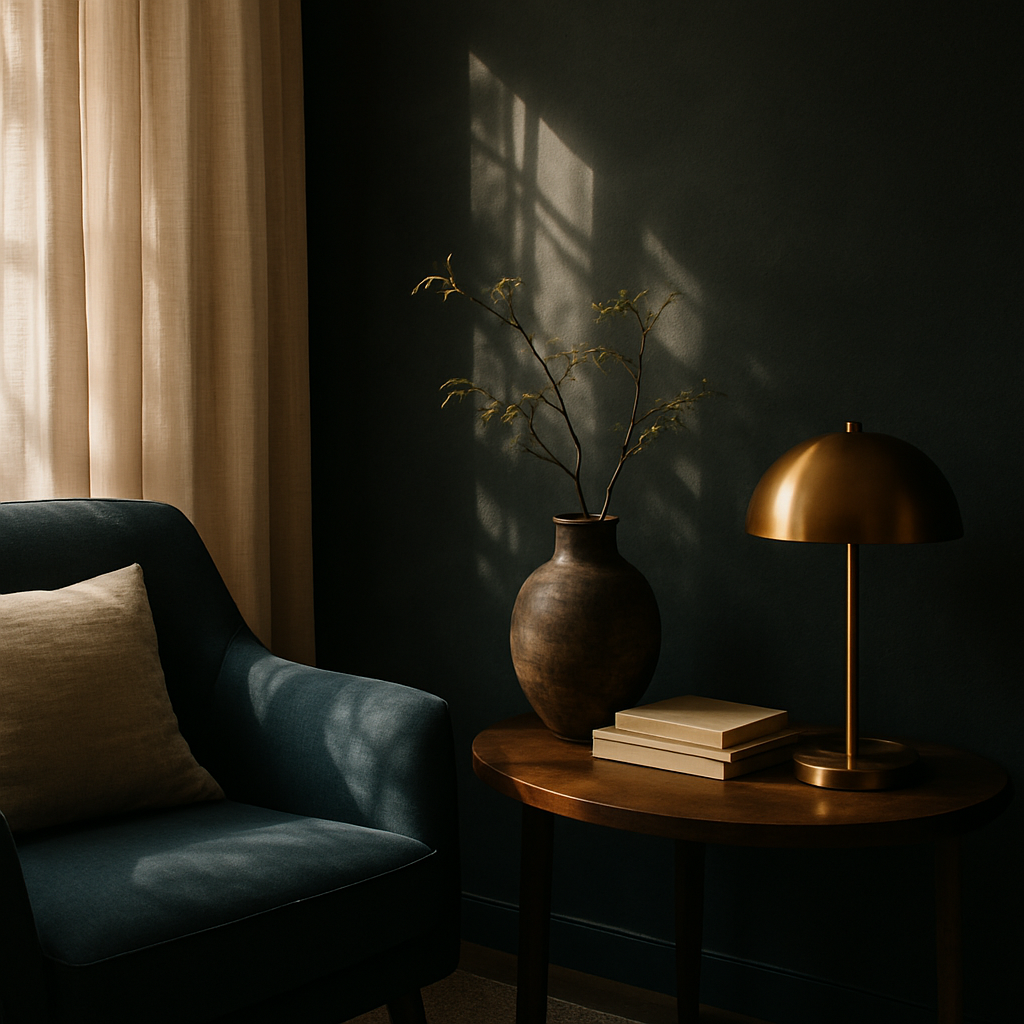
Every room in your home holds untapped potential, waiting for the right combination of ideas, materials, and vision to unlock its full character. The difference between a space that merely functions and one that genuinely inspires often comes down to understanding which design directions resonate with how people actually live today. Interior design trends have shifted dramatically in recent seasons, moving away from the mass-produced uniformity that dominated the previous decade toward deeply personal, textured, and emotionally resonant interiors. The International Interior Design Association (IIDA) reports that residential clients are increasingly seeking spaces that reflect their individual stories rather than replicating catalog showrooms. This guide presents the most compelling house interior design ideas shaping contemporary homes, each offering a practical pathway to transform your space from ordinary to extraordinary. From the serene discipline of Japandi to the sensory richness of layered textiles, these ideas are designed to be adapted, combined, and made entirely your own.
The Japandi Aesthetic: Where East Meets Scandinavian Simplicity
The Japandi design philosophy has earned its place as one of the most influential interior design movements by offering something that many trends fail to deliver: genuine tranquility. Born from the convergence of Japanese wabi-sabi principles and Scandinavian hygge sensibilities, Japandi interiors celebrate imperfection, natural materials, and the beauty of restraint. A Japandi living room might feature a low-profile sofa in an undyed linen, positioned on a hand-knotted wool rug, with a single ceramic vessel on a floating shelf serving as the sole decorative accent. Every object earns its place through either function or profound aesthetic contribution, and nothing occupies space merely to fill it.
Implementing the Japandi aesthetic begins with editing. Walk through your room and identify every item that does not serve a clear purpose or bring genuine visual pleasure. Remove those items for a trial period and observe how the space feels with greater breathing room between furnishings. Next, evaluate your color palette. Japandi interiors gravitate toward muted, nature-derived tones: warm grays, soft taupes, charcoal, cream, and the occasional accent of deep indigo or forest green. These colors create a cocoon-like atmosphere that encourages rest and contemplation. Designers certified through the National Council for Interior Design Qualification (NCIDQ) often describe the Japandi palette as one that recedes rather than demands, allowing architectural forms and material textures to become the primary visual experience.
The material choices in a Japandi interior carry particular significance. Light-toned woods such as ash, maple, or white oak provide warmth without heaviness. Handmade ceramics with visible glazing variations introduce organic imperfection. Woven baskets, stone accessories, and raw linen window treatments contribute layers of natural texture that prevent the pared-back aesthetic from feeling stark or cold. The most successful Japandi rooms achieve a paradox: they feel simultaneously spare and rich, minimal and deeply layered. This duality is what gives the style its enduring appeal and distinguishes it from the flat, colorless minimalism that preceded it. Have you considered how much calmer your bedroom might feel with half the objects currently on your nightstand removed?
Quiet Luxury: The Art of Understated Elegance
Quiet luxury has emerged as the defining aesthetic for homeowners who value quality over spectacle, craftsmanship over branding, and longevity over novelty. This approach to interior design rejects the ostentatious displays of wealth that characterized earlier luxury trends in favor of a more refined, subtle expression of taste. A quiet luxury interior reveals its caliber through touch and detail rather than visual volume. The sofa upholstery is a cashmere-wool blend that feels extraordinary against the skin. The cabinetry hardware is solid bronze, patinated by hand, rather than gold-plated zinc alloy. The difference is invisible in photographs but unmistakable in person.
The financial investment in quiet luxury can be substantial, but it operates on a fundamentally different economic model than trend-driven decorating. Interior designers featured on Architectural Digest (AD PRO) consistently advocate for the cost-per-year calculation: a dining table crafted from solid walnut by a skilled furniture maker may cost several thousand dollars initially, but its cost per year of use approaches zero as it endures for decades, developing character with age. Compare this to a trendy but poorly constructed alternative that requires replacement every few seasons. The quiet luxury philosophy aligns with the broader sustainability movement, recognizing that the most environmentally responsible purchase is the one you never need to make again.
Incorporating quiet luxury into your home does not require unlimited resources. Begin with the surfaces you touch most frequently: bedding, sofa cushions, towels, and dining chairs. Upgrading these contact points to higher-quality natural fibers creates an immediate and daily improvement in your living experience. Next, consider the fixtures and hardware throughout your home. Replacing hollow, lightweight door handles with solid brass or stainless steel versions is a modest investment that transforms the tactile experience of moving through your space. According to ASID research, the cumulative effect of these small, quality-focused upgrades often exceeds the impact of a single dramatic renovation, because they improve every interaction with your home rather than just the visual impression.
Bold Color Blocking and Statement Walls
While muted palettes dominate much of contemporary design, a counter-movement toward bold, confident color has gained significant momentum among homeowners seeking interiors with personality and energy. Color blocking, the technique of placing large areas of contrasting solid colors adjacent to one another, brings a graphic quality to residential spaces that immediately commands attention. An emerald green accent wall behind a blush pink sofa creates a combination that is both unexpected and harmonious. A deep navy kitchen island positioned against white cabinetry produces a nautical sophistication that feels timeless rather than trendy. The key is commitment: half-measures with color typically look tentative rather than intentional.
The psychology of color in interior spaces is well documented and provides a practical framework for making bold choices with confidence. Warm tones like terracotta, amber, and burnt sienna stimulate energy and appetite, making them excellent choices for kitchens, dining rooms, and creative workspaces. Cooler hues such as slate blue, sage green, and dusty lavender promote calm and concentration, suiting bedrooms, bathrooms, and reading nooks. The most sophisticated color-blocked interiors use a maximum of three dominant colors, plus neutral tones for transition and rest. This discipline prevents the palette from becoming overwhelming while still delivering the visual impact that makes color blocking so compelling.
Executing a statement wall requires attention to the surrounding context. The wall you select should typically be the first surface visible upon entering the room or the wall behind the primary furniture grouping. Preparation is critical: any imperfections in the wall surface will be amplified by bold color, so invest in proper patching, priming, and high-quality paint. Many designers recommend paint finishes with a slight sheen, such as eggshell or satin, for colored walls, as these finishes add depth and reflect light in ways that flat finishes cannot. For those hesitant to commit to permanent color, removable wallpaper in graphic patterns offers a low-risk alternative that delivers comparable impact. What color would you choose if you could transform one wall in your home without consequence?
Multifunctional Spaces for Modern Living
The way people use their homes has fundamentally shifted, and interior design has evolved to accommodate the reality that a single room must often serve multiple purposes throughout the day. A dining table doubles as a home office. A guest bedroom transforms into a yoga studio. A living room serves as both a media center and a children's play area. Designing multifunctional spaces requires a different mindset than traditional room-by-room planning, one that prioritizes adaptability, clever furniture selection, and zoning techniques that allow one space to feel like several distinct environments depending on the time of day and the activity at hand.
Furniture selection is the linchpin of successful multifunctional design. Extendable dining tables that seat two for daily use and eight for entertaining, sofa beds with mechanisms that genuinely rival dedicated mattresses in comfort, and nesting side tables that expand and contract based on need all exemplify the dual-purpose thinking that modern living demands. Storage ottomans, fold-down desks mounted to walls, and modular shelving systems that can be reconfigured as needs change further extend the functional range of a single room. Houzz project galleries showcase hundreds of examples where creative furniture solutions have allowed compact apartments and modest homes to accommodate lifestyles that would traditionally require significantly more square footage.
Beyond furniture, the design tools for creating multifunctional spaces include lighting, acoustic treatment, and movable partitions. A pendant light on a dimmer can transform a workspace into a dining atmosphere in seconds. Acoustic panels disguised as artwork absorb sound during video calls and add visual interest during off hours. Curtain dividers on ceiling-mounted tracks can separate a sleeping area from a living area in a studio apartment with a single pull. Professional interior designers, who may charge between $150 and $500 per hour, can identify spatial opportunities that untrained eyes overlook, often finding ten or fifteen percent more usable area in a home simply through smarter spatial planning and furniture selection.
Textural Layering for Sensory Depth
Texture is the design element that separates rooms you admire in photographs from rooms you want to inhabit. While color and form create visual appeal, texture engages the sense of touch and adds a three-dimensional richness that makes a space feel genuinely lived-in and welcoming. Textural layering, the practice of combining multiple surface qualities within a single room, has become a signature technique among leading interior designers who understand that a monochromatic room can feel extraordinarily rich when its surfaces range from rough to smooth, matte to lustrous, woven to polished.
Building a textural palette follows a logic similar to building a color palette: variety within a cohesive framework. Start with a dominant base texture, often the flooring material and wall finish. Layered onto this foundation are secondary textures in soft furnishings: a chunky knit throw draped over a smooth leather armchair, a bouclé cushion resting on a velvet sofa, a sisal rug beneath a glass-topped coffee table. Tertiary textures arrive through accessories: a hammered copper vase, a fluted ceramic lamp base, a stack of linen-bound books. The IIDA emphasizes that the most successful textural compositions include at least one unexpected contrast, such as rough concrete paired with delicate silk or industrial metal alongside soft sheepskin, to create moments of surprise that keep the eye moving through the space.
The practical benefits of textural layering extend to acoustic performance and thermal comfort. Rooms with hard surfaces throughout, such as tile floors, plaster walls, and glass tabletops, tend to echo uncomfortably and feel cold. Introducing soft, absorbent textures through rugs, curtains, upholstered furniture, and textile wall hangings dramatically reduces reverberation and creates a warmer, more intimate atmosphere. This is particularly important in the open-plan spaces that dominate modern floor plans, where sound can travel unimpeded across large areas. A strategically placed area rug, combined with floor-to-ceiling curtains and an upholstered headboard, can transform a cavernous bedroom into a cozy retreat without sacrificing any of the architectural openness that makes the space feel modern and generous.
Curated Art and Personal Collections as Design Anchors
The most compelling modern interiors share a quality that no amount of professional styling can manufacture: they feel authentically personal. Curated art collections, travel mementos displayed with intention, and inherited objects given positions of honor within a contemporary setting all contribute to the sense that a home belongs to specific individuals with specific stories. This personalization trend represents a deliberate departure from the cookie-cutter perfection of social media staging, where homes often look beautiful but interchangeable. The American Society of Interior Designers (ASID) has noted a marked increase in client requests for designs that integrate meaningful personal objects rather than relying entirely on purchased decor.
Displaying personal collections effectively requires the same design discipline applied to any other element in the room. The gallery wall, when executed with care, remains one of the most effective ways to showcase art and photographs in a modern interior. The key is establishing a consistent element, whether that is uniform frame materials, consistent matting width, or a shared color thread through the artworks, that provides visual cohesion amid diversity. Collections of three-dimensional objects, such as ceramics, sculptures, or vintage finds, benefit from being grouped on dedicated surfaces like console tables or floating shelves, where they can be arranged with sufficient spacing to allow each piece to be appreciated individually rather than merging into visual noise.
Lighting plays a crucial role in elevating personal collections from casual displays to curated installations. Picture lights above framed works, adjustable spotlights directed at sculptural objects, and illuminated display shelves all signal that these items have been placed with intention and deserve attention. The investment in proper display lighting is modest but the effect is significant: a painting that disappears into a dim wall during evening hours comes alive under a warm picture light, becoming a focal point that anchors the entire room. Consider rotating your displays seasonally, bringing different pieces to prominence throughout the seasons to keep your home feeling fresh and to give each treasured object its moment in the spotlight.
Conclusion
Transforming your living space is less about following a single trend and more about assembling a personal vocabulary of design ideas that speak to how you live, what you value, and how you want to feel in your own home. The ideas explored in this guide, from the meditative restraint of Japandi to the sensory indulgence of textural layering, from the confident simplicity of quiet luxury to the joyful expressiveness of bold color, represent a spectrum of possibilities that can be mixed, adapted, and personalized without limit. What matters most is that each choice is intentional, that every element in your home earns its place through either functional contribution or genuine emotional resonance. The professionals at NCIDQ and IIDA champion this intentional approach precisely because it produces spaces that endure beyond the lifespan of any single trend.
Begin your transformation by identifying the one idea from this guide that excites you most and commit to implementing it in a single room within the next month. Start small: a textural upgrade to your bedding, a bold color on a powder room wall, or a curated arrangement of your favorite objects on a living room shelf. These incremental changes build confidence and momentum, and each successful update informs the next. If the scope of your vision exceeds your comfort level with independent execution, consider consulting a professional interior designer who can translate your inspirations into a cohesive plan tailored to your specific space, budget, and lifestyle. Your home is the backdrop to your daily life, and it deserves the same thoughtfulness you bring to every other aspect of living well.
More Articles You May Like



Comments
Post a Comment