The Future of Interior Design: Exploring AI-Driven Design Trends
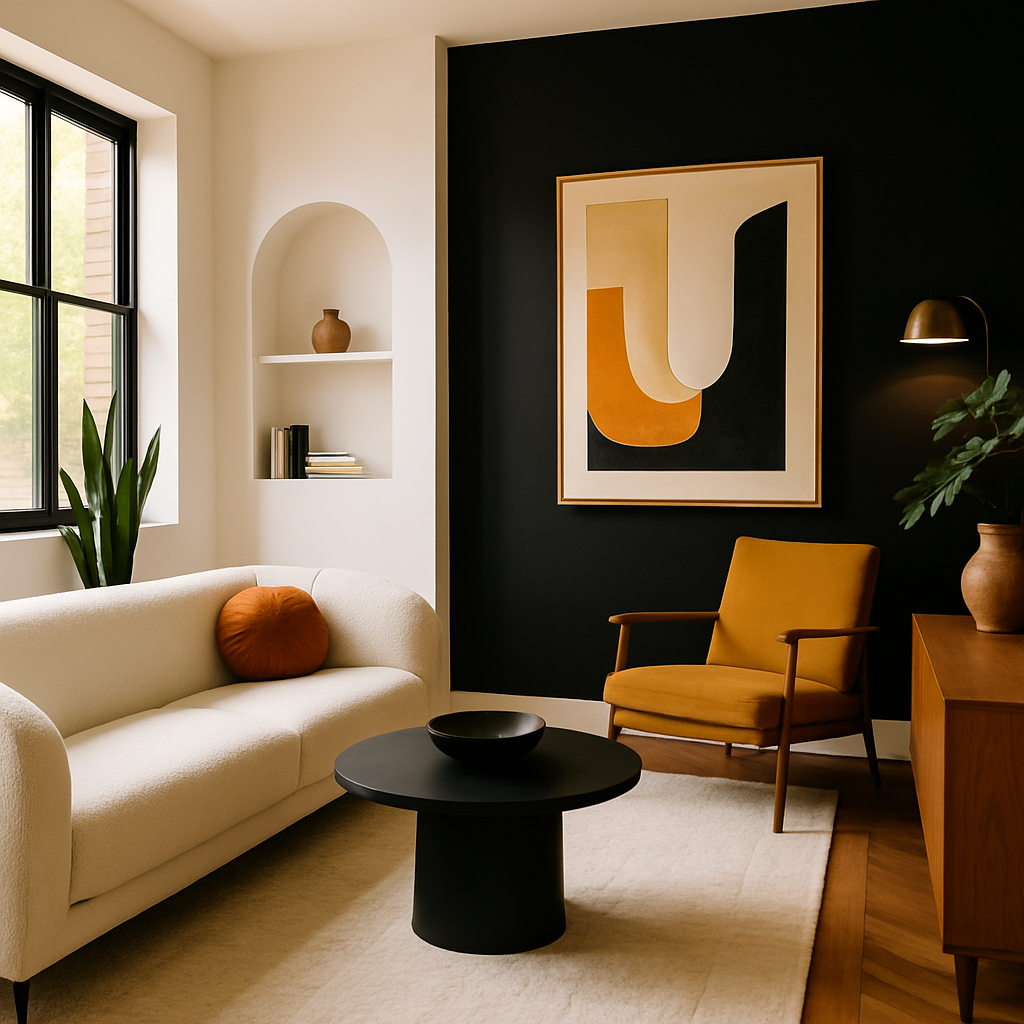
Imagine stepping into a room that seems to anticipate your every need, adapting the lighting, temperature, and even the artwork displayed on the walls to suit your mood. This is not a scene from a futuristic movie but a glimpse into the future of interior design, where AI-driven trends are revolutionizing the way spaces are conceived, created, and experienced. According to Houzz's annual survey, over 45% of homeowners are now incorporating smart technology into their redesign projects, a clear indication of the growing intersection between technology and design. This article will explore the foundational concepts of AI in interior design, provide deeper analysis with real-world data, offer actionable strategies for leveraging these trends, and delve into expert-level details on how AI is reshaping the industry. Join us as we navigate this exciting frontier.
Understanding AI in Interior Design
To grasp the impact of AI on interior design, it's essential to understand how artificial intelligence functions in this context. AI refers to the simulation of human intelligence processes by machines, particularly computer systems. In interior design, AI can analyze vast amounts of data to predict design outcomes, optimize space usage, and enhance aesthetic appeal. This technology enables designers to create highly personalized environments that reflect the unique preferences and lifestyles of their clients.
One of the most prominent applications of AI in interior design is through virtual reality (VR) and augmented reality (AR) tools. These technologies allow designers and clients to visualize proposed changes in real-time, making it easier to make informed decisions about colors, layouts, and materials. The NCIDQ (National Council for Interior Design Qualification) reports that professionals using these tools experience a 25% increase in client satisfaction during the concept development phase.
AI also plays a crucial role in sustainability, a significant trend in contemporary design. By analyzing data on energy consumption, material sourcing, and environmental impact, AI systems help designers select sustainable materials and design eco-friendly spaces. This shift towards sustainability is not only beneficial for the planet but also aligns with the increasing consumer demand for environmentally responsible design solutions. As we delve deeper into AI's role, consider how these technologies might enhance your own interior spaces.
Data-Driven Design Innovations
AI-driven design trends are underpinned by a wealth of data that informs every decision, from initial concept to final installation. According to an ASID (American Society of Interior Designers) report, data-driven design processes can reduce project costs by up to 30%, as they allow for more accurate budgeting and resource allocation. By leveraging AI analytics, designers can predict trends, optimize floor plans, and select materials that align with both aesthetic goals and functional requirements.
Consider, for example, the use of AI in developing biophilic design elements, which integrate natural elements into interior spaces to promote well-being. AI algorithms can analyze environmental data to determine the optimal placement of plants, natural light sources, and water features, creating harmonious environments that support mental and physical health. Research suggests that biophilic design can improve productivity and reduce stress, making it a valuable consideration for both residential and commercial spaces.
Moreover, AI's ability to analyze user behavior and preferences allows for hyper-personalized design solutions. Platforms like Houzz utilize AI to suggest design ideas based on user interactions, ensuring that each project reflects the client's unique style and needs. This level of personalization is not only a hallmark of modern design but also a driving factor in client satisfaction and project success. As we move forward, the implications of data-driven design will continue to expand, offering even more innovative solutions to traditional design challenges.
Strategies for Implementing AI in Your Design Projects
For those looking to incorporate AI-driven trends into their design projects, there are several actionable strategies to consider. First, explore AI-powered design software such as Autodesk's Revit or SketchUp, which offer advanced features for creating detailed 3D models and simulations. These tools can streamline the design process, allowing for precise adjustments and instant visualizations that enhance decision-making.
Additionally, consider integrating smart home technology into your design plans. Devices like Amazon Echo or Google Nest can control lighting, climate, and security systems, adding convenience and efficiency to your space. According to industry surveys, homes equipped with smart technology can achieve a 10-15% higher resale value, making it a wise investment for future-proofing your design.
Another strategy is to collaborate with certified professionals who are proficient in using AI tools. Engaging an interior designer with NCIDQ or IIDA (International Interior Design Association) credentials ensures that you benefit from expert insights and cutting-edge technology. Experienced professionals often note that their ability to effectively utilize AI tools significantly enhances both the creative process and the final outcome. As you consider these strategies, which aspects of AI-driven design will you prioritize in your next project?
Expert Insights into AI's Impact on Design
Industry experts predict that AI will continue to transform interior design by enhancing creativity, efficiency, and sustainability. The integration of AI allows designers to push creative boundaries while maintaining practical functionality. For instance, AI can generate numerous design iterations quickly, enabling designers to explore unconventional ideas that might have been too time-consuming to pursue manually.
In terms of efficiency, AI streamlines the procurement and installation phases of design projects. By predicting supply chain variables and optimizing logistics, AI reduces delays and cost overruns. This efficiency is particularly valuable in large-scale projects where time management is critical. As AIA (American Institute of Architects) chapters have noted, projects utilizing AI technologies are often completed 20% faster than traditional methods.
Sustainability remains a core focus of AI-driven design. By utilizing AI to evaluate the environmental impact of materials and processes, designers can create spaces that are not only aesthetically pleasing but also environmentally responsible. The use of reclaimed materials and energy-efficient systems is a testament to AI's role in fostering sustainable design practices. As we transition to the next section, consider how these expert insights might influence your approach to design.
Additional Depth: AI and Consumer Engagement
AI is not only transforming design processes but also enhancing consumer engagement in interior design. Platforms like Pinterest and Instagram provide endless inspiration and allow users to curate their design preferences. AI algorithms analyze these interactions to offer personalized recommendations, making it easier for consumers to articulate their vision. This interaction between AI and consumer preferences leads to a more collaborative design experience.
Furthermore, AI-powered chatbots and virtual assistants are revolutionizing client-designer communication. These tools can handle routine inquiries, schedule meetings, and even provide preliminary consultations, freeing up designers to focus on more complex tasks. According to AD PRO, the use of AI in client interactions increases efficiency by 30%, allowing for more meaningful and productive engagements.
As AI continues to evolve, its potential to enhance consumer engagement will only grow. The integration of AI into design platforms and communication tools represents a significant shift towards more accessible and inclusive design processes. As you reflect on these developments, how might AI enhance your interaction with design professionals and influence your design choices?
The Future of AI in Interior Design
As we look to the future, the role of AI in interior design will undoubtedly expand, offering new opportunities for creativity and innovation. The continuous development of AI technologies promises to further refine design processes, making them more efficient, sustainable, and personalized. From smart home integration to sustainable material selection, the possibilities are vast and varied.
However, with these advancements come challenges, particularly in ensuring that AI complements rather than replaces the human touch in design. The balance between technological innovation and human creativity will be crucial in shaping the future of the industry. Designers and consumers alike must navigate this evolving landscape with an open mind and a willingness to embrace change.
Ultimately, the future of interior design is bright, with AI at the forefront of driving meaningful transformation. As the industry continues to evolve, staying informed and adaptable will be key to leveraging these trends effectively. Now, as we conclude, consider the specific AI-driven trends you might incorporate into your design projects.
Conclusion: Embracing AI-Driven Design
The future of interior design is undeniably intertwined with AI-driven trends that promise to enhance creativity, sustainability, and functionality in unprecedented ways. By understanding and implementing these technologies, designers and homeowners can create spaces that are not only beautiful but also smart and sustainable. Whether through AI-powered design tools, smart home technology, or sustainable practices, the potential for innovation is limitless.
As you explore the possibilities of AI in your own design endeavors, remain open to new ideas and technologies that can elevate your spaces. Start by browsing designer portfolios on platforms like Houzz or Pinterest this week-even 20 minutes of research will sharpen your eye for what you want. The journey to a more advanced and harmonious design future begins with a single, informed step.



Comments
Post a Comment