Transitional Interior Design Trends: Blending Modern and Traditional Styles in 2023
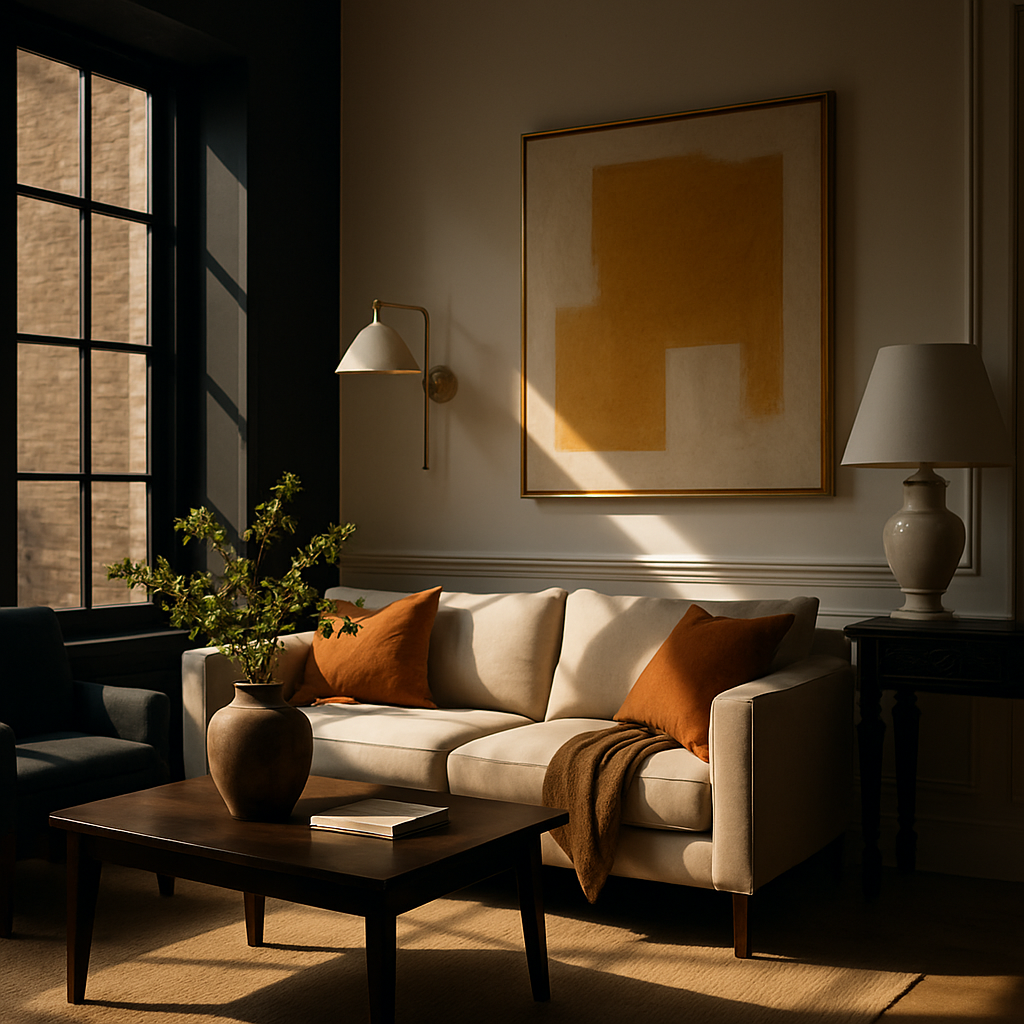
Did you know that homes featuring transitional interior designs can potentially increase their resale value by 5-15%? This statistic, often cited in the real estate industry, highlights the widespread appeal of transitional style, which seamlessly blends modern and traditional elements. As we dive into 2023, this hybrid design approach continues to captivate homeowners and interior designers alike, offering the best of both worlds. In this article, we will explore the foundational concepts of transitional design, analyze current trends with supporting data, provide actionable strategies for incorporating this style into your home, and deliver expert insights to deepen your understanding of this timeless design approach.
Understanding Transitional Interior Design
Transitional interior design is characterized by its ability to balance the sleek, clean lines of modern aesthetics with the warmth and charm of traditional decor. This design style avoids the extremes of either spectrum, opting instead for a harmonious middle ground that feels both fresh and familiar. In essence, transitional design is about creating a space that feels warm and inviting without sacrificing modern functionality. The use of neutral color palettes is a staple in transitional design, allowing for a versatile backdrop that can be easily personalized with accessories and accent pieces.
Neutral tones such as creams, taupes, and grays dominate transitional interiors, providing a canvas for layering different textures and materials. This style often incorporates natural materials like wood and stone, which add a touch of organic warmth to the space. Furniture pieces in a transitional room are typically simple yet sophisticated, featuring classic lines and understated elegance. The integration of materials like leather, glass, and metal can also add contemporary flair to the overall design.
The beauty of transitional design lies in its flexibility. Homeowners can easily update or change elements within the space without having to undergo a complete overhaul. For example, swapping out a few accessories or reupholstering furniture can refresh the look while maintaining the core design principles. This adaptability makes transitional design particularly appealing for those who enjoy evolving their living environments over time. As we move forward, let's delve into the latest trends that are shaping transitional interiors in 2023.
Current Trends in Transitional Design
As we step into 2023, the transitional style continues to evolve with new trends that enhance its timeless appeal. A significant trend this year is the incorporation of biophilic design elements, which emphasize natural materials and connections to the outdoors. According to Houzz's annual survey, nearly 60% of homeowners are integrating natural elements into their home designs, reflecting a growing desire for spaces that promote well-being and harmony with nature. In transitional interiors, this translates to the use of plants, natural fibers, and organic shapes that breathe life into the room.
Another trend gaining traction is the concept of quiet luxury, a design approach that focuses on understated elegance and high-quality materials. This trend aligns perfectly with the transitional style, which favors a sophisticated yet approachable aesthetic. According to the American Society of Interior Designers (ASID), there is an increasing demand for bespoke furniture and artisanal decor that speaks to craftsmanship and individuality. Homeowners are more inclined to invest in pieces that offer both functionality and artistic value.
Smart home integration is also becoming a prominent feature in transitional design. With the rise of technology-driven solutions, homeowners are seeking ways to incorporate smart lighting, climate control, and automated window treatments into their interiors without compromising the traditional charm. This seamless blending of technology and design is facilitated by tools like AR/VR room visualization, which allows designers to experiment with layouts and functionalities before making permanent changes. As these trends become more prevalent, they offer exciting opportunities for creating personalized and functional transitional spaces.
Incorporating Transitional Design into Your Home
Bringing transitional design into your home involves a thoughtful balance of modern and traditional elements. Start by assessing your space and identifying areas where you can introduce transitional touches. Consider your current furniture and decor-are there pieces that can be reimagined or repurposed? For example, a modern sofa can be complemented with traditional accent pillows or a classic area rug to create a cohesive look. This blend is key to achieving a transitional style that feels both intentional and inviting.
When selecting color schemes, focus on neutral tones that provide a versatile backdrop for your design. You can then introduce pops of color through accessories like artwork, vases, or throw blankets. Mixing different textures is another effective strategy for achieving a transitional look. Combine smooth surfaces like glass and metal with softer materials like wool or linen to add depth and interest to the room.
Lighting plays a crucial role in transitional design, as it can influence the mood and functionality of a space. Consider using layered lighting to create a warm, inviting atmosphere. Incorporate a mix of ambient, task, and accent lighting to highlight different areas of the room. For instance, a chandelier or pendant light can serve as a focal point, while table lamps and wall sconces provide additional layers of illumination. As you refine your transitional space, remember that the goal is to create a harmonious environment that reflects both modern innovation and traditional comfort.
Expert Insights on Transitional Design
Experienced professionals often note that the key to successful transitional design is balance. This style thrives on the interplay of contrasting elements, creating a space that feels dynamic yet cohesive. Certified interior designers, such as those holding NCIDQ (National Council for Interior Design Qualification) credentials, emphasize the importance of proportion and scale in achieving this balance. When selecting furniture and decor, consider how each piece interacts with the others in terms of size and visual weight.
The International Interior Design Association (IIDA) suggests that transitional interiors benefit from a curated approach, where each element is carefully chosen to enhance the overall aesthetic. Avoid overcrowding your space with too many competing patterns or styles. Instead, focus on a few key pieces that anchor the room and build around them with complementary elements. This method ensures that the space feels intentional and thoughtfully designed.
Another insight from industry experts is the value of personalization in transitional design. While this style offers a timeless template, it also allows for individual expression through unique decor choices. Consider incorporating personal artifacts or heirloom pieces that tell a story and add character to the space. By infusing your personality into the design, you create an environment that is not only stylish but also meaningful. As we continue to explore transitional design, let's examine additional layers of detail that can elevate your interior.
Additional Layers of Transitional Design
To further enhance your transitional interior, consider integrating sustainable and reclaimed materials. This not only aligns with current design trends but also supports environmental consciousness. Reclaimed wood, recycled metals, and eco-friendly textiles can add unique textures and stories to your space. According to Architectural Digest's AD PRO network, sustainable design is becoming increasingly important to homeowners, with many willing to invest in materials that have a reduced impact on the environment.
Another layer to consider is the use of Japandi elements-a fusion of Japanese minimalism and Scandinavian warmth. This style emphasizes simplicity, functionality, and natural beauty, which harmonizes well with transitional interiors. Incorporating Japandi elements can introduce a sense of calm and balance, enhancing the overall ambiance of your space. Think of low, streamlined furniture, natural wood finishes, and a focus on craftsmanship.
Lastly, don't overlook the power of styling and accessories in completing your transitional design. Artwork, mirrors, and decorative objects can add personality and interest to the room. When styling, focus on creating vignettes or groupings that tell a story or highlight a particular theme. This approach not only enhances the visual appeal but also creates a sense of continuity throughout the space. As you explore these additional layers, you'll find new ways to enrich your transitional interior and make it uniquely yours.
Final Perspectives on Transitional Design
As you consider integrating transitional design into your home, it's important to reflect on what truly resonates with you. Are you drawn to the clean lines of modern design, or do you find comfort in the warmth of traditional elements? Understanding your preferences will guide you in creating a space that feels authentic and tailored to your lifestyle. Transitional design offers a versatile framework that can be adapted to suit various tastes and preferences.
Remember that the goal of transitional design is to create a harmonious balance between the past and the present. By thoughtfully curating your space with elements from both modern and traditional styles, you can achieve a timeless interior that exudes both comfort and elegance. As you embark on your design journey, consider how each choice contributes to the overall narrative of your home.
In conclusion, transitional interior design remains a popular choice for 2023, offering a unique blend of modern and traditional styles that appeal to a wide range of homeowners. Whether you're planning a complete redesign or simply looking to refresh your space, transitional design provides endless possibilities for creativity and personalization. Start by browsing portfolios on Houzz or Instagram this week-even 20 minutes of research will sharpen your eye for what you want. By embracing the principles and trends of transitional design, you can create a space that is both sophisticated and inviting.



Comments
Post a Comment