Creating Stunning Spaces: How Mobile App Design Enhances Interior Design Projects
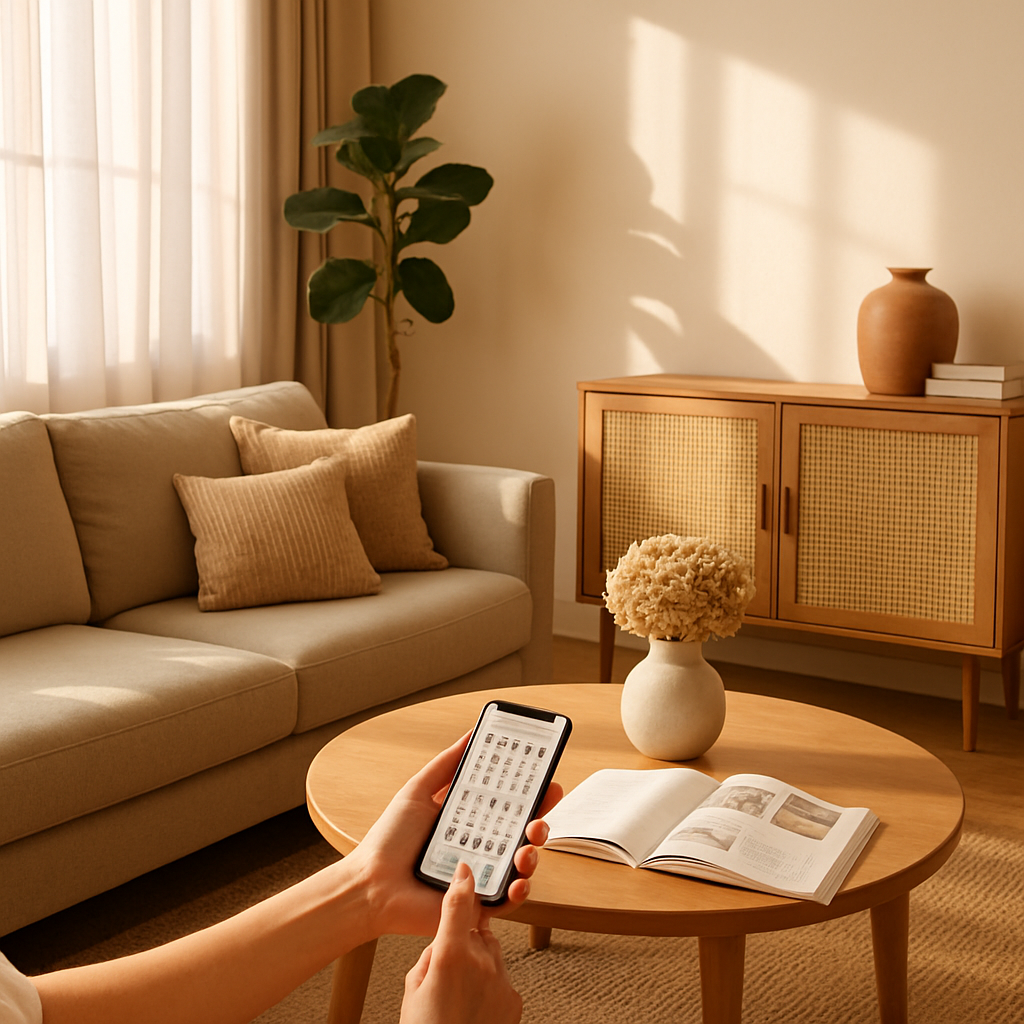
Imagine transforming your living room with just a swipe of your finger. According to Houzz, over 70% of homeowners now use mobile apps to visualize home improvement projects before committing funds. This shift isn't just about convenience; it's about empowerment. With mobile app design, interior design projects have taken on a new dimension, offering clients and designers alike a tool for precision and creativity. This article explores how these digital innovations are reshaping the landscape of interior design, from foundational concepts to expert strategies. By understanding these trends, you can harness technology to create stunning spaces that reflect your vision.
The Foundation of Mobile App Design in Interior Projects
At the core of mobile app design's impact on interior projects is the ability to visualize spaces before making any physical changes. Apps like Houzz and Pinterest allow users to browse thousands of design ideas, narrowing down styles and concepts that resonate with their personal tastes. These platforms have become essential tools for both amateur decorators and professional designers, offering a comprehensive library of inspiration and practical solutions.
Furthermore, augmented reality (AR) features in apps like IKEA Place enable users to superimpose furniture items into their real-world spaces. This technological advancement eliminates much of the guesswork involved in design decisions, making it easier to choose the right pieces. According to a study by the American Society of Interior Designers (ASID), 65% of interior designers report that AR tools have significantly improved client satisfaction by reducing costly errors and revisions.
Additionally, mobile apps streamline the communication process between clients and designers. By using platforms like SketchUp or RoomSketcher, designers can create detailed floor plans and 3D models that clients can access and modify in real-time. This collaborative approach not only saves time but also ensures that the final design aligns perfectly with the client's vision and lifestyle.
The integration of mobile apps in this way lays the groundwork for more efficient and creative interior design processes. As we delve deeper, we'll explore the specific data and trends that highlight the growing reliance on these digital tools.
Data-Driven Insights: The Role of Mobile Apps in Design
The impact of mobile apps on interior design is underscored by compelling data. According to a survey conducted by Houzz, over 80% of homeowners who used design apps reported higher satisfaction with their project outcomes. This statistic highlights the growing trust in digital tools to deliver results that meet or exceed expectations. But why are these apps so effective?
One reason is the detailed analytics and feedback that apps provide. Platforms like Magicplan allow users to take precise measurements and generate accurate floor plans, minimizing the margin for error. This data-driven approach leads to more informed decision-making, as users can experiment with different layouts and furnishings without incurring additional costs. The ability to test various scenarios virtually empowers users to make decisions with confidence.
Moreover, the accessibility of these apps has democratized interior design. Previously, hiring a professional designer was a luxury reserved for those with substantial budgets. Now, with tools like Homestyler, anyone can access professional-grade design capabilities. This democratization is reflected in spending trends, with the Houzz survey indicating a 20% increase in design-related app downloads over the past year. As apps become more sophisticated, we can expect these numbers to climb, further cementing their role in the design process.
Understanding these insights is crucial for anyone looking to leverage mobile technology in their design projects. Next, we'll explore actionable strategies for using these apps effectively.
Actionable Strategies for Using Mobile Apps
For those ready to embrace mobile app design in their interior projects, there are several strategies to ensure success. First, it's important to select the right app for your needs. While some apps specialize in AR features, others may offer more robust project management tools. Identifying your priorities will help you choose an app that complements your workflow.
Once you've selected an app, take advantage of its community features. Apps like Houzz and Pinterest are not just repositories of ideas; they are vibrant communities where professionals share insights and feedback. Engaging with these communities can provide inspiration and practical advice tailored to your specific challenges. Have you explored what other users are creating? This interaction can spark new ideas and solutions for your own projects.
Finally, don't underestimate the power of regular updates. As mobile app technology evolves, new features and improvements are constantly being added. Staying informed about these updates ensures that you are maximizing the potential of your chosen tools. Experienced professionals often note that keeping up with app advancements can dramatically enhance the efficiency and creativity of their design projects.
These strategies are just the beginning. In the following section, we'll delve into expert-level details that can further refine your approach to mobile app design in interiors.
Expert-Level Insights on Mobile App Integration
For seasoned designers, mobile app design offers opportunities to elevate their work to new heights. One expert-level insight involves integrating apps with existing design software. For example, apps like Coohom can seamlessly sync with professional-grade tools like AutoCAD, allowing for a fluid transition between digital and physical design spaces. This integration ensures that designers can maintain the precision and detail required for high-end projects.
Additionally, mobile apps can enhance project management. Tools like Trello and Asana, while not specifically design-focused, are invaluable for coordinating complex projects with multiple stakeholders. By integrating these apps with design-specific tools, designers can streamline their workflows and ensure that every aspect of a project is meticulously organized.
Another consideration for expert designers is the use of app analytics to track client preferences and project trends. Apps that offer robust data analytics can provide insights into client behavior, helping designers tailor their services to meet evolving demands. Have you considered how data analysis could refine your client interactions? This level of detail can differentiate top-tier designers in a competitive market.
These expert insights demonstrate the potential of mobile apps to transform interior design practices. We'll now explore additional details to further enhance your understanding.
Delving Deeper: Additional Details on Mobile App Utilization
As we delve deeper into mobile app utilization, it's essential to consider the role of technology in promoting sustainable design. Apps like Good On You provide insights into the sustainability of materials and products, allowing designers to make eco-conscious choices. This focus on sustainability aligns with the growing trend of biophilic design, which emphasizes natural materials and harmonious indoor-outdoor flows.
Moreover, the integration of smart home technology is another area where mobile apps excel. Apps like Philips Hue allow users to control lighting and climate settings, creating environments that are not only aesthetically pleasing but also functionally optimized. As the trend of smart home integration continues to grow, designers who leverage these capabilities will be well-positioned to meet client expectations.
The final aspect to consider is the potential for virtual reality (VR) features in mobile apps. While still an emerging technology, VR offers revolutionary possibilities for interior design, allowing clients to experience fully immersive virtual walkthroughs of their spaces. This technology is particularly beneficial for large-scale commercial projects, where the stakes are high, and precision is paramount.
With these additional details in mind, we turn our attention to final perspectives that can guide your future design endeavors.
Final Perspectives on Mobile App Design in Interiors
In contemplating the future of mobile app design in interiors, it's clear that these tools are more than just a passing trend. They represent a fundamental shift in how design projects are conceived and executed. By embracing mobile technology, designers can offer clients a level of personalization and precision previously unattainable.
However, this integration requires a commitment to continuous learning. As mobile apps evolve, staying informed about new developments will be crucial for maintaining a competitive edge. Have you considered setting aside time each month to explore new app features and updates? This proactive approach will ensure that you remain at the forefront of the industry.
As we conclude, the significance of mobile apps in the realm of interior design is undeniable. They offer new avenues for creativity and collaboration, ultimately leading to more successful projects.
Conclusion: Embrace the Future of Interior Design
Mobile app design is transforming the landscape of interior design, offering tools that enhance creativity, precision, and client satisfaction. By leveraging these technologies, you can create stunning spaces that reflect your unique vision and style. The future of interior design is here, and it's digital.
Ready to explore the possibilities? Start by browsing designer portfolios on Houzz and experimenting with AR features in apps like IKEA Place. Even 20 minutes of research can sharpen your eye for what you want and inspire your next project. Embrace the digital tools available to you, and watch your interior design projects flourish in new and exciting ways.



Comments
Post a Comment