Maximize Small Spaces: Innovative Room Interior Design Ideas You Need to Try
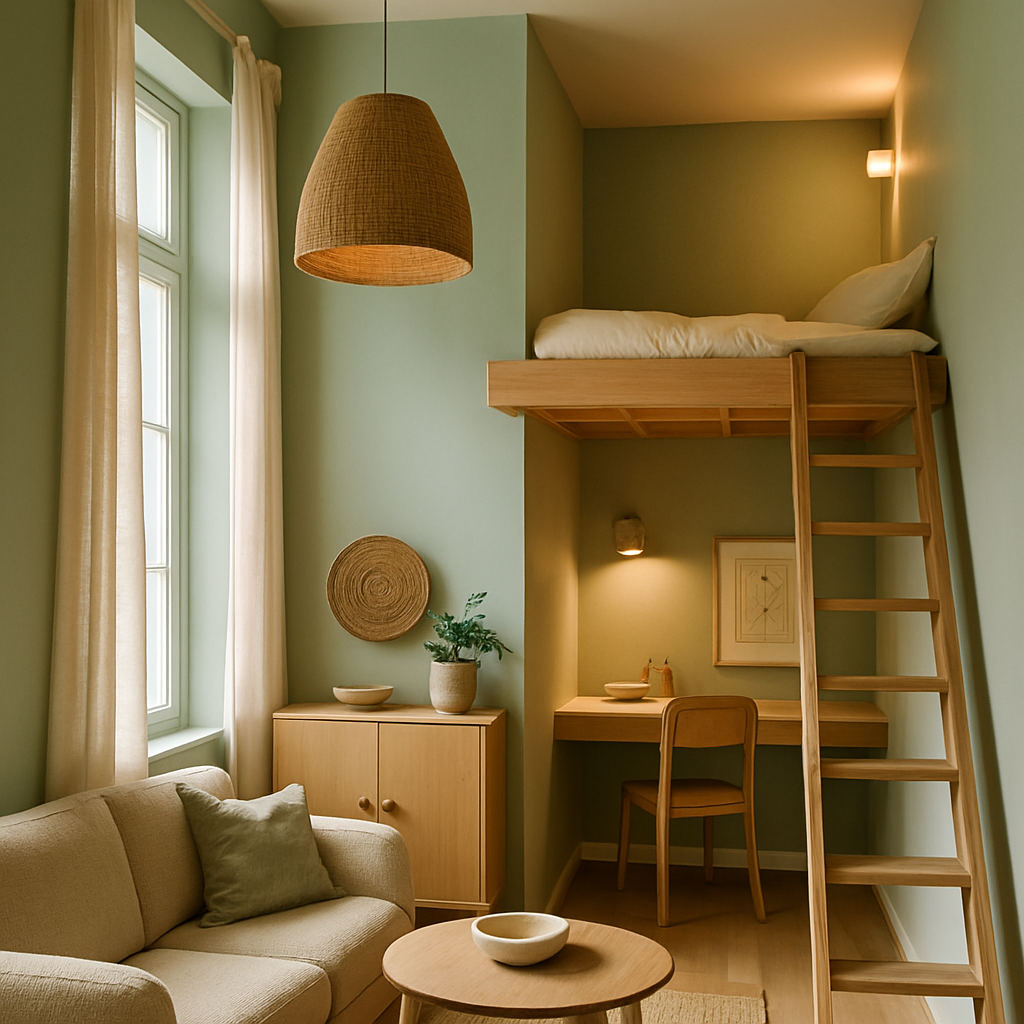
Tiny spaces can often feel overwhelming, but they also offer unique opportunities for creativity. Did you know that 70% of homeowners struggle with making small spaces functional, according to a Houzz survey? If you're among them, you're not alone. This article will explore innovative room interior design ideas specifically aimed at maximizing small spaces. We'll cover foundational concepts, delve into data-driven insights, and provide actionable strategies to transform your cramped quarters into a stylish sanctuary. Whether you lean towards biophilic design or the understated elegance of quiet luxury, these expert tips will guide you in reimagining every corner of your home.
Understanding the Basics of Small Space Design
The first step in maximizing small spaces is understanding the foundational principles of design. One key concept is the effective use of scale and proportion. In small rooms, choosing furniture that fits the space without overwhelming it is crucial. For instance, opting for a compact sectional in the living room instead of a bulky sofa can free up essential space for movement and other furnishings.
Another fundamental principle is the strategic use of color. Light colors tend to make rooms feel larger and more open, while darker shades can create a cozy, intimate atmosphere. A popular choice among interior designers is to paint walls in neutral tones like soft greys or whites, which can also serve as a versatile backdrop for vibrant accents. Consider adding pops of color through pillows, artwork, or rugs to bring personality to the space without cluttering it visually.
Finally, the integration of vertical space is often overlooked but vital. Tall bookshelves, hanging plants, and mounted storage solutions can draw the eye upward, making the room feel more expansive. This technique not only adds storage but also enhances the aesthetic appeal of the space. Understanding these principles sets a solid foundation for more advanced strategies, which we'll explore next.
Leveraging Data and Trends in Space Optimization
According to the American Society of Interior Designers (ASID), incorporating data and current trends can significantly improve space utilization in small homes. For instance, the trend of biophilic design, which emphasizes natural materials and an indoor-outdoor flow, has been shown to enhance both the functionality and visual appeal of cramped spaces. Implementing elements like living walls or abundant natural light can make a small room feel more connected to the outside world while also improving air quality and mood.
Data from Houzz indicates that homeowners who incorporate smart home technology often report higher satisfaction with their space. Smart lighting and automated window treatments can be programmed to adjust throughout the day, optimizing light and temperature while conserving energy. Imagine a morning where your lights gradually brighten and curtains open automatically, creating a seamless transition from sleep to wakefulness.
Additionally, the International Interior Design Association (IIDA) highlights the importance of sustainable and reclaimed materials in modern design. Not only do these materials contribute to environmental sustainability, but they also offer unique textures and histories that enrich the narrative of your space. Reclaimed wood, for instance, can be used for flooring or accent walls, adding character and depth to even the smallest of rooms. As we continue, we'll explore actionable strategies to put these insights into practice.
Actionable Strategies for Small Space Design
Moving from theory to practice, the first actionable strategy is to embrace multi-functional furniture. Pieces like a fold-out desk or a sofa bed can serve dual purposes, allowing you to switch between work, relaxation, and sleep without the need for separate areas. This is particularly effective in studio apartments or shared spaces where every inch counts.
Another strategy is to prioritize decluttering. Experienced professionals often note that less is more when it comes to small spaces. Begin by assessing each item in your room for its utility and aesthetic value. Donate, sell, or store items that don't meet your criteria. The result is not only a tidier environment but also a clearer mind-essential for productivity and relaxation.
Lastly, consider using mirrors to create the illusion of space. Placing a large mirror opposite a window can reflect natural light and views, making the room appear more open. Similarly, mirrored furniture or decor can bounce light around the room, adding brightness and a sense of depth. These strategies are just the beginning. Next, we'll delve into expert-level details that can elevate your design game even further.
Expert-Level Insights into Space Maximization
For those ready to take their small space design to the next level, consulting with a certified interior designer can be invaluable. Professionals with credentials like the NCIDQ (National Council for Interior Design Qualification) have the expertise to tailor solutions to your specific needs and preferences. They can offer insights into everything from custom-built furniture to strategic layout adjustments that the average homeowner might overlook.
Budget considerations are also crucial in design planning. According to industry standards, redesigning a single room can cost between $5,000 and $15,000, with comprehensive home projects ranging from $50,000 to $150,000 or more. However, a well-designed interior can increase your property's resale value by 5-15%, making these investments worthwhile. An NCIDQ-certified designer can help allocate your budget effectively to maximize both aesthetic and financial returns.
Moreover, advanced technologies like AR/VR room visualization tools are becoming more common in the design process. These tools allow you to 'walk through' your redesigned space in a virtual environment before any physical changes are made. This technology not only helps in making informed decisions but also in visualizing complex concepts that can be difficult to grasp in two dimensions. Up next, we'll explore additional depth in maximizing your space.
Enhancing Small Spaces with Additional Details
An often underutilized method for maximizing small spaces is the use of layered lighting. By combining ambient, task, and accent lighting, you can create a dynamic and adaptable atmosphere that suits different activities and moods. For example, pendant lights above a dining table can provide focused illumination for meals, while dimmable ceiling lights can set the stage for a cozy evening.
Texture also plays a critical role in small space design. Mixing various materials and finishes can add depth and interest to a compact room. Consider pairing sleek metals with soft fabrics or combining rough stone with smooth wood surfaces. This approach creates visual intrigue and can make a room feel more spacious by drawing attention to different elements.
Finally, incorporating personal touches can transform a small space into a home that feels truly yours. Whether it's displaying a cherished collection, hanging family photographs, or showcasing art, these elements inject personality and warmth into the environment. When combined with the expert strategies and insights covered earlier, these details can help you create a space that is not only efficient but also deeply personal. In the final section, we'll tie everything together and look at the bigger picture.
Final Perspectives on Maximizing Small Spaces
Successfully maximizing small spaces requires a blend of creativity, strategic planning, and attention to detail. By integrating foundational design principles with cutting-edge trends and technologies, you can transform even the most constrained areas into functional and beautiful environments. Whether you're working with a single room or an entire home, the ideas discussed here can provide inspiration and direction.
As you consider which strategies to implement, ask yourself: How can I make my space work harder for me? What elements truly bring me joy and functionality? These questions can guide you in making thoughtful decisions that reflect your lifestyle and aspirations. Implementing these innovative room interior design ideas can lead to a space that not only meets your needs but also enhances your quality of life.
Conclusion: Your Next Steps in Small Space Design
In summary, maximizing small spaces is about more than just fitting furniture into a room; it's about creating a harmonious balance between form and function. From understanding design basics and leveraging data-driven trends to implementing expert strategies and personal touches, the possibilities are vast. Remember, a well-designed space can significantly enhance your day-to-day living and even increase your property's value.
Start by browsing designer portfolios on platforms like Houzz or consulting with NCIDQ-certified professionals to gather ideas. Even dedicating 20 minutes to research can sharpen your eye for what you want. With the right approach and a bit of creativity, you can transform any small space into a stylish and functional haven. What will your next design project be?



Comments
Post a Comment