Transform Your Space: How AI is Revolutionizing Interior Design Trends
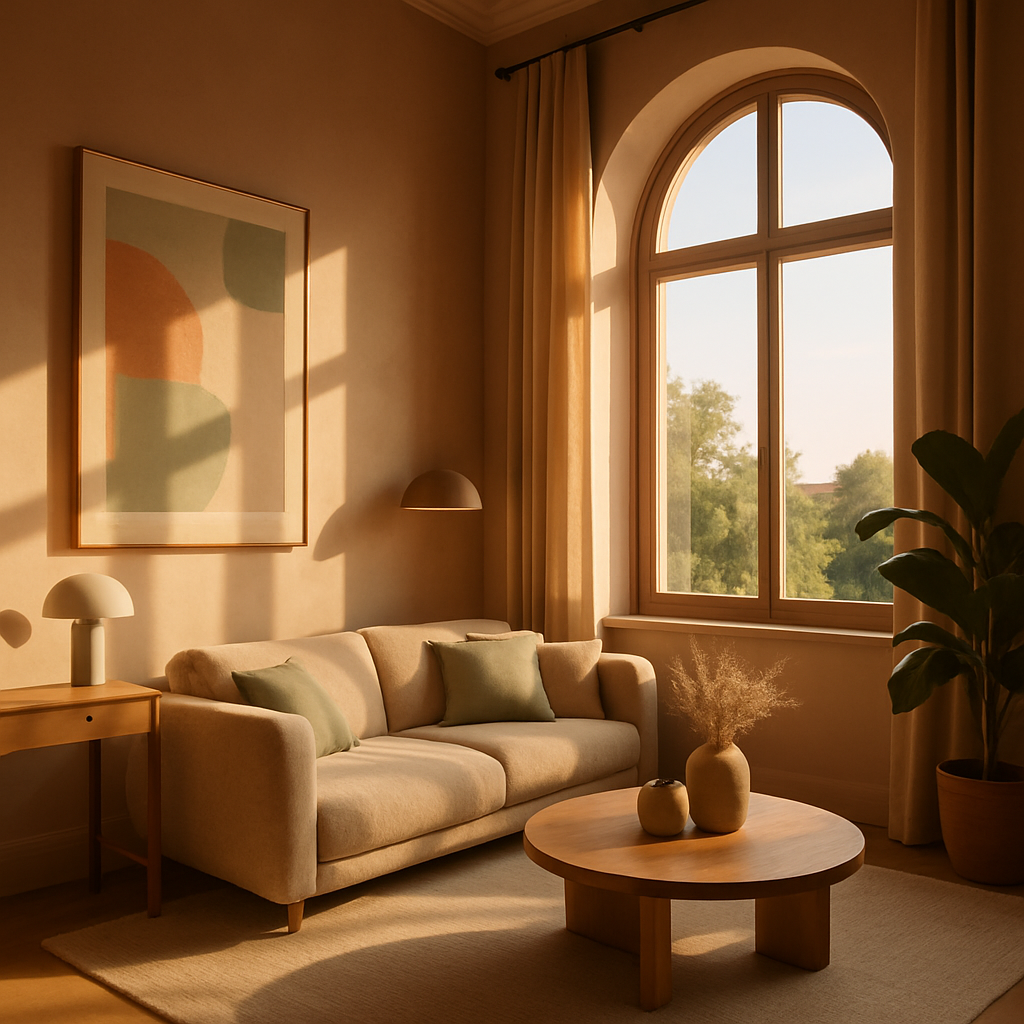
Imagine walking into a room that has been designed entirely around your personal preferences, lifestyle habits, and aesthetic sensibilities, all without a single in-person consultation. This is no longer a futuristic fantasy but a present-day reality, thanks to the rapid integration of artificial intelligence into the interior design industry. The convergence of machine learning algorithms, computer vision, and generative design tools is fundamentally reshaping how professionals and homeowners approach spatial transformation. Whether you are a seasoned designer charging $150 to $500 per hour or a homeowner embarking on your first renovation, AI-driven platforms are democratizing access to sophisticated design intelligence that was previously available only to the elite few.
From biophilic design concepts that seamlessly blend nature with technology to the refined elegance of quiet luxury aesthetics, AI is accelerating the adoption of trends that resonate with modern sensibilities. Organizations like the American Society of Interior Designers (ASID) have noted a marked increase in the adoption of technology-driven design methodologies among their membership. As the boundaries between human creativity and machine precision continue to blur, understanding how AI is revolutionizing interior design trends has become essential for anyone looking to create spaces that are both beautiful and intelligently conceived.
Understanding AI-Powered Design Platforms and Their Capabilities
Artificial intelligence design platforms represent a seismic shift in how interior spaces are conceptualized, planned, and executed. These sophisticated tools leverage deep learning neural networks trained on millions of professionally designed interiors to generate recommendations that align with established design principles. Unlike traditional design software that requires manual input for every element, AI platforms can analyze a photograph of an empty room and produce multiple fully realized design concepts within minutes. The technology considers factors such as natural light patterns, room dimensions, traffic flow, and even the psychological impact of color choices on occupant well-being. According to a recent survey by Houzz, over 67 percent of design professionals now incorporate some form of AI technology into their workflow, signaling a fundamental transformation in industry practice.
The machine learning algorithms powering these platforms grow more sophisticated with each interaction, learning from user feedback to refine their understanding of personal taste and functional requirements. When a homeowner indicates a preference for Japandi-inspired minimalism, the AI does not simply replicate a template but instead synthesizes elements of Japanese wabi-sabi philosophy with Scandinavian functionality to create something uniquely tailored. These platforms analyze spatial relationships, furniture proportions, and material textures at a granular level that would take a human designer considerably longer to process. The result is a design process that maintains the creative warmth of human intuition while harnessing the analytical power of computational intelligence. Have you ever wondered how a machine can understand the subtle difference between a space that feels merely decorated and one that feels genuinely designed?
Professional organizations including the International Interior Design Association (IIDA) have begun developing guidelines for the ethical and effective integration of AI tools within professional practice. These frameworks address critical questions about intellectual property, the role of human oversight in AI-generated designs, and the standards that AI outputs must meet to align with building codes and accessibility requirements. The platforms themselves continue to evolve, with newer iterations capable of generating photorealistic three-dimensional renderings that allow clients to virtually walk through their redesigned spaces before a single piece of furniture is moved. This capability dramatically reduces the costly and time-consuming cycle of physical mockups and revisions that has traditionally characterized the design process, making professional-quality design more accessible and efficient than ever before.
How AI is Accelerating the Biophilic Design Movement
Biophilic design, the practice of incorporating natural elements into built environments to enhance human well-being, has found an unexpected but powerful ally in artificial intelligence. AI algorithms are now capable of analyzing environmental data such as sunlight exposure, humidity levels, and air circulation patterns to determine the optimal placement of living walls, indoor gardens, and natural material features within any given space. This data-driven approach removes much of the guesswork from biophilic design implementation, ensuring that living elements are positioned where they will thrive rather than merely where they look attractive. The marriage of ecological sensitivity with computational precision is producing spaces that are not only aesthetically striking but also measurably healthier for their occupants. Research published in collaboration with the ASID Foundation indicates that properly implemented biophilic design can reduce occupant stress levels by up to 37 percent.
Smart home integration further amplifies the biophilic experience when guided by AI systems. Intelligent climate control systems can automatically adjust temperature, humidity, and ventilation to support the specific plant species incorporated into a room's design, while smart lighting systems mimic natural circadian rhythms to complement the organic materials and living elements present in the space. AI platforms can now recommend specific plant species based on a room's unique light profile, the homeowner's maintenance preferences, and the desired aesthetic outcome, whether that is a lush tropical atmosphere or a restrained Japanese moss garden. The technology even accounts for seasonal variations, suggesting design adaptations that maintain visual harmony as outdoor conditions change throughout the calendar. This level of intelligent integration between natural and technological elements represents a genuinely new paradigm in residential design.
Interior designers working with AI-enhanced biophilic planning tools report significant improvements in client satisfaction and project outcomes. The ability to present clients with data-supported rationale for design decisions, such as the specific wellness benefits of introducing a particular water feature or the air-purifying properties of recommended plant selections, adds a layer of credibility and persuasiveness to design proposals. Furthermore, AI tools can simulate the long-term evolution of biophilic elements, showing clients how a living wall will mature over months and years, or how natural wood finishes will develop a patina that enhances the room's character over time. This forward-looking perspective helps clients develop realistic expectations and a deeper appreciation for designs that are meant to evolve rather than remain static. What role do you believe natural elements should play in the spaces where you live and work?
The Quiet Luxury Movement Enhanced by Intelligent Design Tools
Quiet luxury, characterized by understated elegance, superior craftsmanship, and a deliberate absence of ostentatious branding, has emerged as one of the most influential interior design trends in recent memory. AI is proving to be an ideal companion for this aesthetic philosophy because of its ability to analyze and curate materials, textures, and forms based on quality metrics rather than brand recognition or trend popularity. Machine learning algorithms trained on extensive databases of artisan textiles, bespoke furniture, and heritage materials can identify combinations that achieve the effortless sophistication that quiet luxury demands. Where a less experienced designer might default to recognizable luxury brands, AI tools can surface lesser-known ateliers and craft workshops whose work embodies the principles of restrained excellence. The National Council for Interior Design Qualification (NCIDQ) has highlighted the growing importance of material literacy in professional practice, a competency that AI tools are helping to democratize.
The technology excels at identifying the subtle details that distinguish authentic quiet luxury from its superficial imitations. AI analysis can evaluate thread counts, wood grain patterns, stone veining, and metal finishes with a precision that rivals expert human assessment, ensuring that every material selection contributes to a cohesive atmosphere of refined quality. Color palette generation is another area where AI demonstrates particular aptitude for the quiet luxury aesthetic, producing nuanced combinations of muted tones, natural hues, and carefully calibrated neutrals that create visual depth without resorting to bold contrasts or saturated accents. These palettes account for how colors interact under different lighting conditions throughout the day, a consideration that is especially important in spaces designed around natural materials and subtle textural variations. The result is an environment that feels inherently luxurious without announcing itself, precisely the effect that quiet luxury seeks to achieve.
Designers specializing in high-end residential projects, where fees commonly range from $250 to $500 per hour, are finding that AI tools enhance rather than threaten their creative practice. By handling the analytical and research-intensive aspects of material sourcing and spatial planning, these tools free designers to focus on the interpretive and relational dimensions of their work that no algorithm can replicate. The ability to rapidly iterate on design concepts also means that designers can present clients with a broader range of options during the initial consultation phase, fostering a more collaborative and exploratory design process. Architectural Digest (AD PRO) has featured numerous case studies demonstrating how leading designers are integrating AI into their practices without sacrificing the personal touch that distinguishes their work from automated alternatives. This symbiotic relationship between human creativity and machine intelligence is defining a new standard for luxury interior design.
Smart Home Integration and the AI-Designed Living Experience
The smart home revolution and the AI design revolution are converging to create living environments that are not merely automated but genuinely intelligent. AI design platforms now consider smart home infrastructure as a fundamental design element rather than a technological afterthought, integrating sensor placement, voice assistant positioning, and automated fixture locations into the overall aesthetic and functional plan of a space. This holistic approach ensures that technology serves the design vision rather than competing with it, a concern that has historically limited the adoption of smart home features in aesthetically conscious interiors. The invisible integration of technology into beautiful spaces represents one of the most significant advances in contemporary residential design, allowing homeowners to enjoy both technological convenience and visual sophistication.
Machine learning algorithms analyze household behavior patterns to recommend smart home configurations that anticipate rather than simply respond to occupant needs. An AI system might observe that a family consistently dims the living room lights and adjusts the thermostat at a particular time each evening, subsequently automating these actions while also recommending furniture arrangements and window treatments that optimize the space for evening relaxation. This behavioral intelligence extends to energy management, with AI platforms suggesting design modifications such as thermal mass placement, cross-ventilation pathways, and passive solar features that reduce energy consumption while maintaining comfort. The integration of sustainability considerations into the design process through AI analysis reflects the growing demand among homeowners for spaces that are both intelligent and environmentally responsible.
The IIDA has recognized the emergence of smart interior design as a distinct specialization within the profession, acknowledging that the skills required to design truly intelligent spaces extend beyond traditional aesthetic and spatial competencies. Designers working in this space must understand data architecture, user experience principles, and systems integration alongside color theory and furniture arrangement. AI tools are bridging this knowledge gap by translating complex technical requirements into design-friendly recommendations that maintain aesthetic integrity while ensuring optimal system performance. As smart home technology continues to evolve, the role of AI in mediating between technological capability and design quality will only become more important, making this intersection one of the most dynamic and opportunity-rich areas within the broader interior design landscape.
AI-Driven Material Innovation and Sustainable Design Choices
Artificial intelligence is transforming the material selection process in ways that have profound implications for both design quality and environmental sustainability. AI platforms can now analyze the complete lifecycle of building and finishing materials, from raw material extraction through manufacturing, installation, use, and eventual disposal, to provide designers and homeowners with comprehensive sustainability profiles for every element in a proposed design. This capability enables genuinely informed decision-making about materials, moving beyond surface-level green marketing to substantive environmental impact assessment. The ability to compare thousands of material options across multiple sustainability metrics simultaneously gives AI a decisive advantage over traditional manual research methods, which are inherently limited by time and cognitive capacity.
The technology is also driving innovation in material development itself, with AI algorithms identifying novel combinations of natural and engineered materials that offer superior performance characteristics while maintaining the aesthetic qualities that design professionals demand. Machine learning models trained on material science data are predicting the properties of composite materials before they are physically produced, accelerating the development of new sustainable options for interior applications. These innovations include bio-based resins that replicate the appearance and durability of traditional petrochemical products, recycled textile composites that meet commercial-grade performance standards, and mycelium-based materials that offer remarkable acoustic and thermal insulation properties. According to industry data compiled by the ASID, sustainable material specification has increased by 45 percent among member firms over the past five cycles of reporting, a trend that AI tools are actively accelerating.
For homeowners, AI-powered material recommendation engines simplify what has traditionally been one of the most overwhelming aspects of the design process. Rather than navigating showrooms filled with thousands of samples, homeowners can describe their preferences, functional requirements, and budget parameters to an AI platform that returns a curated selection of materials optimized for their specific project. These recommendations account for practical considerations such as durability in high-traffic areas, moisture resistance in bathrooms and kitchens, and compatibility with radiant heating systems, while also ensuring visual coherence across the entire home. The democratization of expert-level material knowledge through AI is empowering homeowners to make decisions that are both aesthetically pleasing and functionally sound, regardless of their prior design experience or the size of their project budget.
Personalization at Scale: How AI Understands Individual Design Preferences
Perhaps the most transformative capability of AI in interior design is its ability to develop a deep, nuanced understanding of individual taste that goes far beyond simple style categorization. Traditional design approaches often begin by asking clients to identify with broad stylistic labels such as modern, traditional, or eclectic, categories that are too coarse to capture the rich complexity of personal aesthetic preferences. AI platforms instead build detailed preference profiles through a combination of explicit inputs and implicit behavioral signals, analyzing which design images a user lingers on, which elements they consistently select or reject, and how their choices evolve over time. This granular understanding enables a level of personalization that transforms the design experience from a process of selection among predetermined options to one of genuine co-creation between human intuition and machine intelligence.
The Japandi aesthetic provides an instructive example of how AI personalization operates in practice. A homeowner expressing interest in Japandi will receive recommendations that reflect their specific interpretation of this hybrid style rather than a generic template. The AI might detect that one homeowner gravitates toward the warmer, more rustic elements of Scandinavian design while favoring the formal restraint of Japanese aesthetics, while another prefers the cooler minimalism of Nordic interiors combined with the organic imperfection of Japanese wabi-sabi philosophy. These distinctions, which might take a human designer several consultations to identify, can be detected by AI systems through pattern analysis of visual preference data within a single interactive session. The result is a design direction that feels deeply personal and authentically aligned with the homeowner's sensibility.
Personalization extends beyond aesthetics to encompass functional and emotional dimensions of the design experience. AI platforms can analyze lifestyle data to recommend designs that support specific wellness goals, work-from-home requirements, family dynamics, and entertaining preferences. A household with young children will receive fundamentally different recommendations from a retired couple, not merely in terms of durability and safety but in spatial organization, sensory design, and the integration of play and learning environments with adult living spaces. This multidimensional personalization represents a genuine advance in how design serves human needs, moving beyond the decorative to address the full spectrum of how people inhabit and experience their homes. How might your daily life change if your living space were designed around the way you actually live rather than an idealized version of domestic life?
The Future of Human-AI Collaboration in Interior Design
The trajectory of AI in interior design points not toward the replacement of human designers but toward a profound expansion of what design can achieve when human creativity is augmented by machine intelligence. Leading design firms, as documented by AD PRO, are developing hybrid workflows in which AI handles data analysis, material research, code compliance checking, and initial concept generation, while human designers contribute the emotional intelligence, cultural sensitivity, and narrative capacity that transforms a well-arranged space into a meaningful environment. This division of labor plays to the unique strengths of both human and artificial intelligence, producing outcomes that neither could achieve independently. The most forward-thinking designers are actively investing in their AI literacy, recognizing that the ability to effectively collaborate with intelligent tools will be a defining professional competency.
Emerging AI capabilities promise to further enrich this collaborative dynamic. Natural language processing advances are enabling design platforms that can interpret nuanced verbal descriptions of desired atmospheres, translating phrases like the feeling of a quiet Sunday morning or the energy of a Marrakech souk into concrete design elements and spatial arrangements. Computer vision improvements are allowing AI systems to analyze existing spaces with unprecedented accuracy, identifying structural opportunities and constraints that inform more creative and site-responsive design solutions. Generative AI models are producing design variations that push beyond established conventions, offering designers provocative starting points that stimulate rather than constrain creative exploration. These developments suggest a future in which AI serves as both analytical assistant and creative provocateur, expanding the boundaries of what designers can imagine and execute.
The NCIDQ and other credentialing bodies are actively updating their examination frameworks to reflect the growing importance of technology fluency in professional interior design practice. Educational programs accredited by these organizations are incorporating AI tools and methodologies into their curricula, ensuring that emerging designers enter the profession equipped to leverage these capabilities from the outset. For homeowners, the implications are equally significant, as AI-driven design becomes more accessible and more capable, the gap between professional-level design outcomes and DIY approaches will continue to narrow, raising the baseline quality of interior environments across all market segments. This democratization of design excellence may well prove to be the most lasting and significant impact of the AI revolution in interior design.
Conclusion
The integration of artificial intelligence into interior design is not a distant possibility but a present reality that is fundamentally transforming how spaces are conceived, planned, and experienced. From the data-driven precision of biophilic design placement to the nuanced material curation that defines quiet luxury, AI is enhancing every dimension of the design process while preserving the human creativity and emotional intelligence that give spaces their soul. Smart home integration, sustainable material innovation, and unprecedented personalization capabilities are converging to create living environments that are more beautiful, more functional, and more responsive to individual needs than anything previously achievable through traditional methods alone.
Whether you are a professional designer seeking to expand your capabilities or a homeowner preparing to transform your living space, now is the time to explore how AI-powered design tools can elevate your next project. Begin by experimenting with one of the many AI design platforms available, bring your unique vision and preferences to the conversation, and discover how the collaboration between human imagination and machine intelligence can produce results that exceed what either could accomplish alone. The future of interior design is not about choosing between human creativity and artificial intelligence but about harnessing the extraordinary potential that emerges when both work together toward the shared goal of creating spaces that truly enhance the way we live.
More Articles You May Like



Comments
Post a Comment