10 Essential Elements of Organic Modern Interior Design for a Chic Home
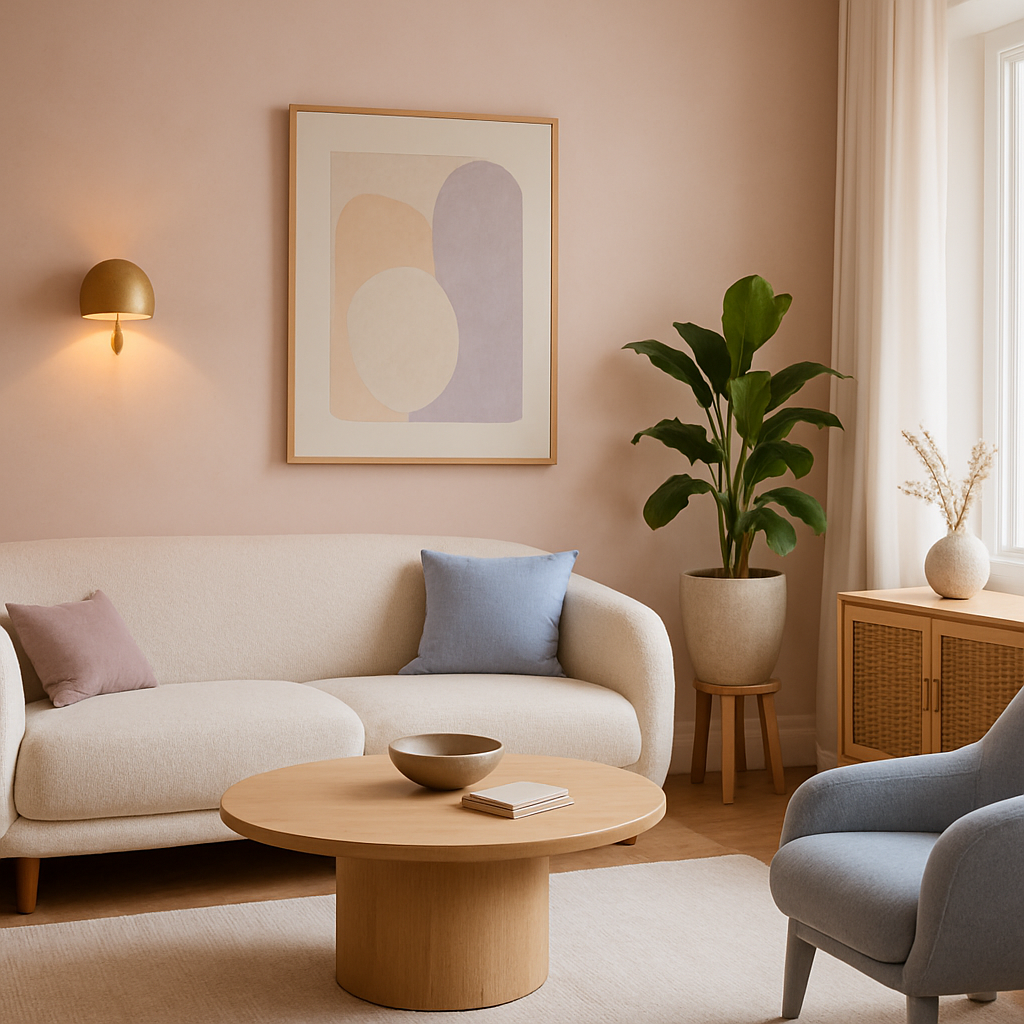
Ever walked into a room and felt an immediate sense of calm and sophistication? That elusive blend often characterizes the organic modern interior design style. According to Houzz, a leading platform for home remodeling and design, over 60% of homeowners expressed a desire for more natural elements in their interiors in their latest survey. This trend is not just about aesthetics; it's about creating spaces that nurture and inspire. In this article, we'll explore the ten essential elements that define organic modern design, offering you a roadmap to transform your home into a chic haven. From foundational concepts and deeper analyses with data to actionable strategies and expert-level insights, you'll gain a comprehensive understanding of how to incorporate this style into your space.
Understanding the Foundations of Organic Modern Design
At its core, organic modern interior design marries the sleek lines and minimalist approach of modern design with the warmth and natural elements of organic materials. This design philosophy is about balance - combining the clean, uncluttered look that modernism champions with the textures and hues of nature. Experienced professionals often note that this style thrives on contrast; think smooth concrete floors paired with a reclaimed wood ceiling. It's the tension between these elements that creates visual interest and harmony.
One of the foundational concepts in organic modern design is the use of natural materials. This can include everything from wood and stone to leather and wool. These materials are celebrated not only for their aesthetic appeal but also for their durability and sustainability. According to the International Interior Design Association (IIDA), there's a growing demand for eco-friendly materials as consumers become more environmentally conscious. This shift is reflected in the increasing use of reclaimed woods and recycled metals in modern interiors.
Another key element is the incorporation of biophilic design principles. This involves designing spaces that foster a connection to the natural world through the use of natural light, plants, and outdoor views. Such design choices have been shown to reduce stress and increase productivity, making them popular in both residential and commercial spaces. As we delve deeper into organic modern design, we'll see how these foundational elements build upon each other to create cohesive, inviting environments.
Diving Deeper: The Role of Color and Texture
Color and texture are paramount in organic modern interior design. The palette is typically neutral, with whites, grays, and beiges dominating. However, these hues are anything but dull. By layering different shades and tones, designers create depth and interest within a room. A touch of greenery or a splash of a muted jewel tone can add vibrancy without overwhelming the serene environment. Architectural Digest's AD PRO network suggests incorporating subtle color variations to enhance the sense of space.
Texture, meanwhile, is where the organic modern style truly shines. The interplay between smooth and rough surfaces can transform a room from flat to dynamic. Imagine a plush wool rug atop a polished concrete floor or the juxtaposition of a linen sofa against a sleek glass coffee table. This attention to texture not only adds visual interest but also invites tactile engagement, encouraging you to touch and feel the materials around you. The National Council for Interior Design Qualification (NCIDQ) emphasizes the importance of tactile elements in creating inviting spaces.
Data from Houzz indicates that homeowners who incorporate varied textures report higher satisfaction levels with their spaces. This may be because texture adds warmth and character, making rooms feel more lived-in and personalized. As we explore actionable strategies for implementing these elements, consider how you can experiment with color and texture in your own home.
Actionable Strategies for Integrating Organic Modern Design
Ready to bring organic modern design elements into your home? Start by assessing your current space. Which areas feel cluttered or stark? By identifying these zones, you can target them for transformation. A minimalist approach is key, so begin by decluttering and organizing. This doesn't mean stripping rooms bare but rather curating them with intention. Experienced designers often advise starting with one room before expanding the style throughout your home.
Next, consider your lighting. Natural light is a cornerstone of organic modern design, so maximize it wherever possible. If expansive windows aren't an option, mimic natural light with soft, warm LED bulbs. Automated window treatments can also help optimize natural light flow throughout the day. Smart home integration is a growing trend that allows for seamless control over lighting, climate, and more, enhancing both functionality and aesthetics.
Finally, integrate natural elements. This could be as simple as adding a few potted plants or as involved as installing a living wall. Houseplants not only purify the air but also add life and color to a space. According to ASID research, the presence of plants can improve overall well-being and increase a home's appeal. As you plan these changes, think about how each element interacts with the others to maintain a cohesive design.
Expert Insights on Furniture and Decor
Furniture selection is crucial in achieving an organic modern look. Opt for pieces that boast clean lines and natural materials. Think mid-century modern with a twist - a walnut dining table paired with rattan chairs, or a leather sofa complemented by a jute rug. The key is to balance modernity with comfort, ensuring that each piece invites you to stay awhile. IIDA professionals recommend investing in quality over quantity, selecting timeless pieces that will endure both in style and durability.
When it comes to decor, less is more. Choose a few statement pieces that speak to your personal style. This could be an abstract piece of art, a vintage vase, or a handcrafted sculpture. These items should add character without cluttering the space. Remember, the goal of organic modern design is to create a serene, uncluttered environment that still feels personal and inviting.
Consider incorporating technology that enhances your living experience without detracting from the aesthetic. This might include a sleek sound system or a discreet smart thermostat. The integration of technology should be seamless, complementing the overall design rather than overshadowing it. With these expert insights, you're well on your way to creating a home that embodies chic, organic modern style.
Additional Elements to Consider
While we've covered many aspects of organic modern design, there are additional elements worth considering. One such element is the use of sustainable materials. As more homeowners become environmentally conscious, the demand for sustainable furniture and decor has risen. Look for items made from bamboo, reclaimed wood, or recycled metals. These materials not only reduce environmental impact but also add unique character to your home.
Another aspect is the integration of outdoor and indoor spaces. This might involve installing large sliding glass doors or creating an outdoor seating area that feels like an extension of your interior. This blurring of boundaries is a hallmark of both modern and organic design, offering a seamless flow between environments. According to the American Society of Interior Designers (ASID), such designs can increase a home's value by enhancing its appeal and functionality.
Lastly, consider the role of personal touches. While organic modern design emphasizes minimalism, it doesn't mean your space should lack personality. Incorporate family photos, travel souvenirs, or handmade crafts to infuse your home with warmth and individuality. As you refine your design, think about how these elements contribute to the overall harmony and balance of your space.
Final Perspectives on Achieving Organic Modern Design
As you embark on your journey to create an organic modern interior, remember that the process is as important as the outcome. Take the time to explore different materials, colors, and layouts to see what resonates with you. The beauty of this design style is its flexibility, allowing you to tailor it to your personal preferences while maintaining its core principles.
Don't be afraid to seek inspiration from platforms like Pinterest or Instagram, where designers often share innovative ideas and stunning transformations. These resources can provide a wealth of inspiration and practical tips as you refine your design vision. You might even discover new trends or elements to incorporate into your space.
The journey to achieving an organic modern home is an ongoing one, filled with opportunities to adapt and evolve your space to meet your needs. As you continue to explore and experiment, remember that the ultimate goal is to create a home that feels both chic and nurturing.
Conclusion: Your Next Steps Toward a Chic Organic Modern Home
In summary, organic modern interior design offers a harmonious blend of nature and modernity, creating spaces that are both elegant and comfortable. By understanding and applying its essential elements - from natural materials and neutral palettes to smart home integrations and sustainable choices - you can transform your home into a chic sanctuary.
Are you ready to take the next step? Start by browsing design portfolios on Houzz or Pinterest this week. Even dedicating just 20 minutes can sharpen your eye for what you want in your space. As you gather ideas and inspiration, remember to keep an open mind and enjoy the process. Your chic, organic modern home awaits.



Comments
Post a Comment