Transform Your Space: Essential Elements of Modern Interior Design
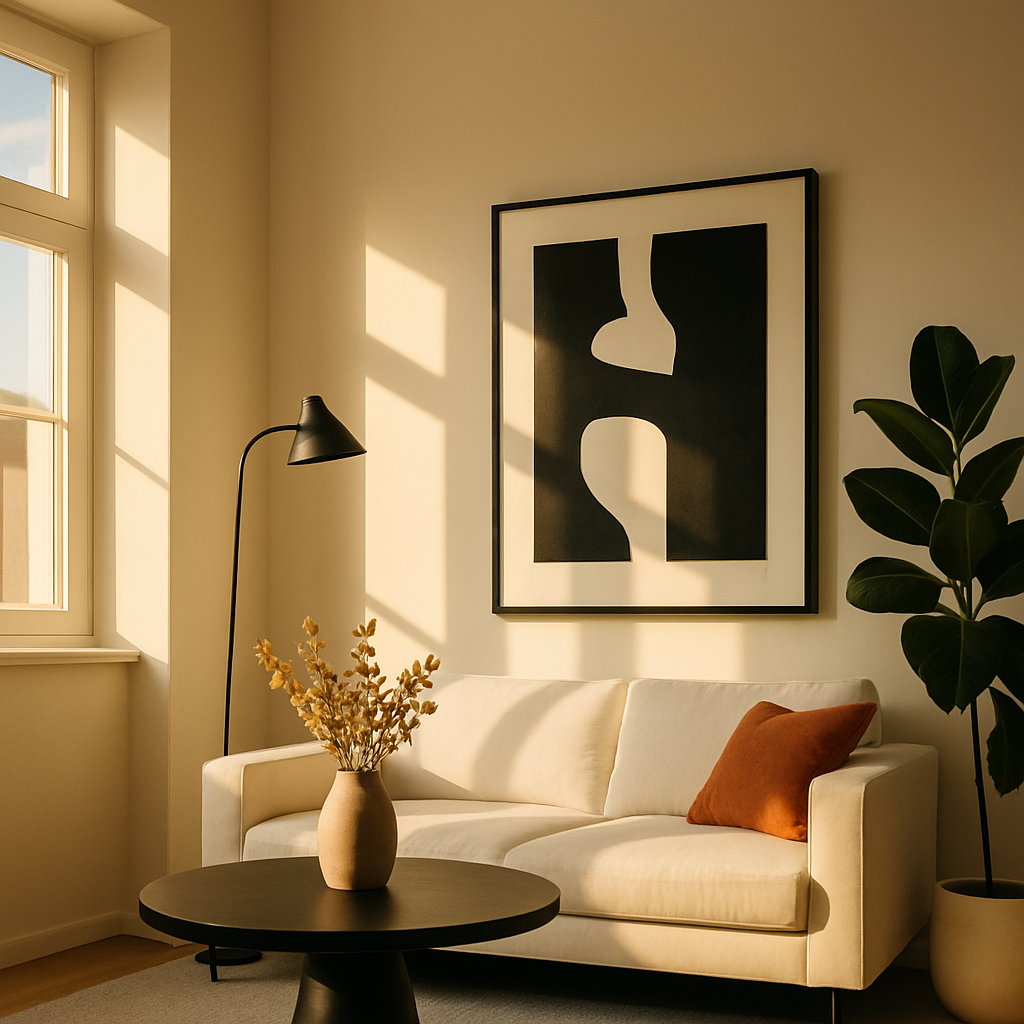
Did you know that a well-designed interior can increase your home's resale value by up to 15%? This statistic, often cited by real estate professionals, underscores the profound impact that interior design can have not just on aesthetics but also on financial outcomes. Modern interior design is about more than just beauty-it's about creating a harmonious space that reflects your lifestyle and values. In this article, we'll explore foundational concepts of modern design, delve into deeper analyses with supporting data, offer actionable strategies, and share expert-level details that can transform any room. Are you ready to reimagine your living space?
Understanding the Foundations of Modern Interior Design
At its core, modern interior design emphasizes simplicity, functionality, and elegance. This design philosophy emerged in the early 20th century as a response to the ornate styles of the past, promoting clean lines, minimalism, and the use of industrial materials. Key characteristics include open floor plans, neutral color palettes, and the integration of natural light. By focusing on these elements, modern design creates spaces that feel airy and uncluttered, allowing for both comfort and efficiency.
One of the essential principles is the idea of "form follows function," which suggests that the design of any object should primarily relate to its intended function. This concept is evident in the use of multi-functional furniture, such as a sofa bed or expandable dining table, which maximizes utility without sacrificing style. The emphasis on sustainability has also become a hallmark of modern design, with many designers opting for eco-friendly materials and energy-efficient systems.
To truly embrace modern interior design, it's crucial to understand the balance between aesthetics and practicality. This balance ensures that spaces are not only visually appealing but also serve the needs of their inhabitants. Consider how you use each room in your home: Where do you spend the most time? What activities take place there? Answering these questions can guide your design decisions, ensuring that your space is both beautiful and functional.
Delving Deeper: The Role of Data in Design Choices
Data-driven design is becoming an increasingly important aspect of modern interior design. According to a Houzz survey, homeowners typically invest between $5,000 and $15,000 on a single room redesign, highlighting the importance of making informed choices. By leveraging data, designers can predict trends, optimize space usage, and ensure that their designs meet client expectations. For example, the growing popularity of biophilic design-a concept that incorporates natural elements into interiors-can be attributed to studies showing its positive effects on well-being and productivity.
Experienced professionals often note that understanding demographic data can enhance design outcomes. For instance, knowing the age, lifestyle, and preferences of a home's occupants can influence everything from color schemes to furniture selection. Designers use this information to create spaces that are not only stylish but also meet the specific needs of their clients. This approach ensures that each project is tailored to the individual, resulting in higher satisfaction rates and more successful outcomes.
Another critical aspect is the integration of technology into design processes. Tools like AR/VR room visualization are revolutionizing how designers present concepts to clients, allowing for more interactive and collaborative planning. According to Architectural Digest's AD PRO network, these technologies have increased client confidence in design decisions, leading to smoother project executions. As we move forward, the role of data and technology in interior design will only continue to grow, offering exciting new opportunities for innovation.
Actionable Strategies for Transforming Your Space
Ready to transform your space? Start by decluttering each room, focusing on keeping only items that serve a purpose or hold significant value. This process not only frees up physical space but also creates a mental sense of clarity. Consider adopting the Japandi style, a fusion of Japanese minimalism and Scandinavian warmth, which emphasizes simplicity and comfort. By curating your possessions and selecting furniture with clean lines and natural materials, you can achieve a serene and inviting atmosphere.
Lighting plays a pivotal role in modern interior design. Experts recommend layering your lighting to create a dynamic and adaptable environment. Combine ambient lighting, such as recessed ceiling lights, with task lighting, like desk lamps, and accent lighting, such as LED strips under cabinets. This approach not only enhances the functionality of your space but also adds depth and dimension to your design. Remember, the right lighting can dramatically change the mood and perception of a room.
Finally, don't overlook the power of color. Neutral palettes dominate modern design, but that doesn't mean your space has to be bland. Introduce pops of color through accessories like cushions, rugs, or artwork. These accents can be easily updated to reflect changing trends or personal preferences without the need for a complete redesign. By carefully selecting colors that resonate with you, you can personalize your space while maintaining a modern aesthetic.
Expert Insights: The Importance of Professional Guidance
While many homeowners enjoy the DIY aspect of interior design, there's tremendous value in consulting with a certified interior designer. Professionals with credentials such as NCIDQ (National Council for Interior Design Qualification) bring a wealth of knowledge and expertise to the table. They are well-versed in design principles, building codes, and sustainability practices, ensuring that your project is not only aesthetically pleasing but also safe and compliant.
Additionally, engaging a professional can help you navigate the complexities of project management. From concept development to procurement and installation, a certified designer can streamline the process, saving you time and potential headaches. According to ASID (American Society of Interior Designers), working with a professional can enhance project satisfaction and provide returns on investment through increased home value and improved functionality.
Many designers also have access to exclusive resources and discounts on furniture and materials, which can offset their service fees. Whether you opt for a flat fee, an hourly rate, or a percentage of the project cost, hiring a designer can be a cost-effective choice in the long run. With their guidance, you can achieve a design that not only meets but exceeds your expectations.
Additional Depth: Exploring 2026 Design Trends
As you embark on your design journey, consider incorporating some of the emerging trends for 2026. Biophilic design continues to gain traction, with homeowners increasingly seeking to integrate nature into their interiors. This trend involves using natural materials, like wood and stone, and features such as living walls or indoor gardens, to create a soothing and organic environment.
Quiet luxury and understated elegance are also making waves in the design world. This trend emphasizes quality over quantity, focusing on well-crafted items that offer both beauty and durability. By investing in timeless pieces and opting for a minimalist approach, you can create a sophisticated yet comfortable living space.
Finally, smart home integration is becoming a must-have feature in modern interiors. Automated systems for lighting, climate control, and window treatments not only enhance convenience but also improve energy efficiency. By embracing these technologies, you can create a home that is both cutting-edge and eco-friendly, aligning with the values of modern design.
Final Perspectives: The Future of Interior Design
The future of interior design is poised to be more innovative and personalized than ever before. With advancements in technology and a growing emphasis on sustainability, the possibilities for transforming your space are endless. As you explore the essential elements of modern design, consider how these trends and strategies can be adapted to suit your unique lifestyle and preferences.
Are you ready to take the next step in your design journey? By understanding the foundational principles and leveraging expert insights, you can create a space that is both functional and inspiring. Whether you choose to work with a professional or embark on a DIY project, the key is to remain open to new ideas and possibilities.
In conclusion, modern interior design offers a wealth of opportunities to transform your space into a reflection of your personality and values. From foundational concepts to expert insights and emerging trends, the tools and strategies are at your disposal. Start by browsing portfolios on platforms like Houzz this week-even 20 minutes of research will sharpen your eye for what you want. Are you ready to create a space that truly resonates with you?



Comments
Post a Comment