The Ultimate Guide to Textured Wall Designs: Elevate Your Interior Style
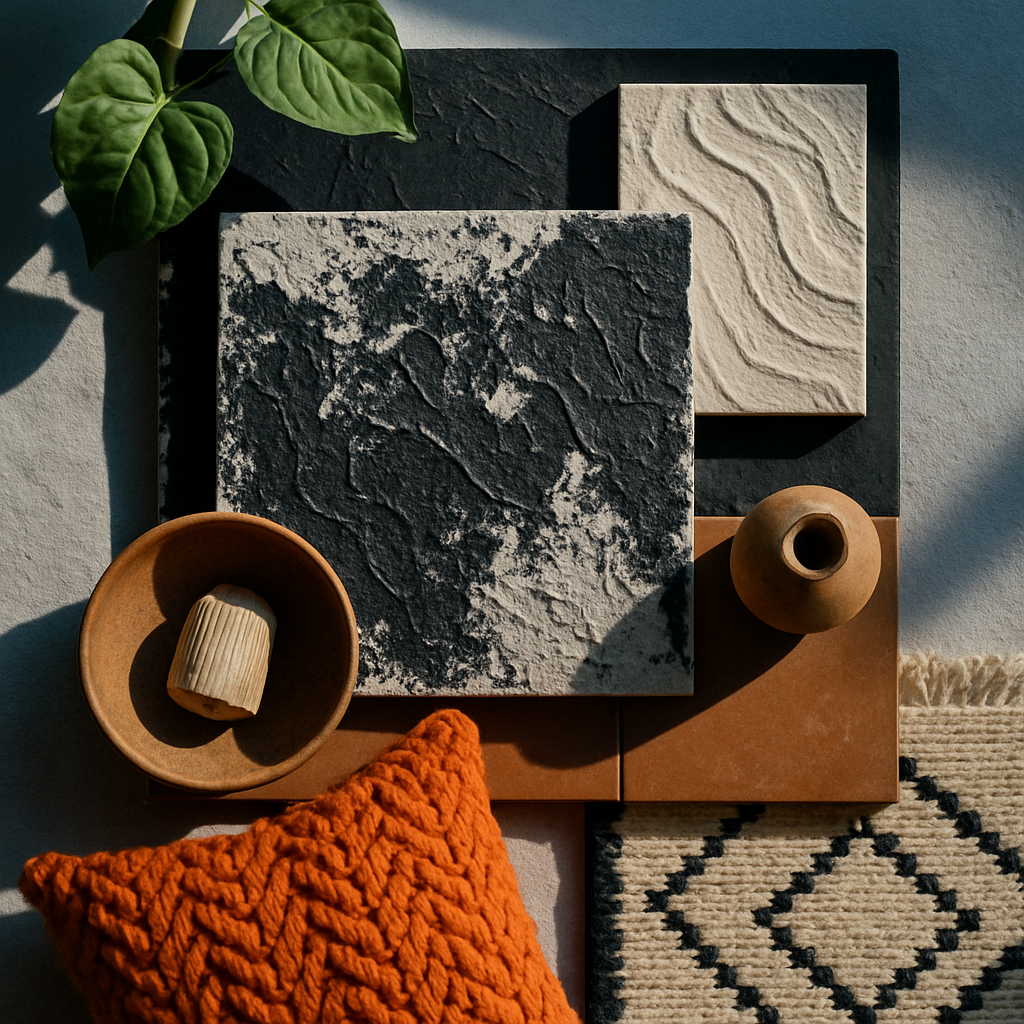
Have you ever walked into a room and felt an immediate sense of warmth and character, only to realize it's the walls that are doing the talking? Textured wall designs have emerged as a powerful trend in interior design, offering a unique way to elevate the style and ambiance of any space. According to a recent Houzz survey, over 60% of homeowners are now incorporating textured surfaces into their redesign plans, highlighting a growing appreciation for depth and tactile interest. In this guide, we'll explore foundational concepts of textured wall designs, dive into deeper analyses with real data, and provide actionable strategies for incorporating these designs into your home. Whether you're aiming for subtle sophistication or bold expressions, we've got expert insights to guide your creativity.
Understanding Textured Wall Designs
Textured wall designs are more than just a decorative choice; they are a strategic element in creating a room's atmosphere. These designs add depth and interest, transforming flat surfaces into dynamic canvases that engage the senses. At its core, textured wall design involves the use of materials, patterns, and techniques to create a surface that feels different to the touch and looks distinct to the eye. From the roughness of stone to the softness of fabric, texture can evoke a variety of emotions, making it a versatile tool in a designer's toolkit.
The appeal of textured walls lies in their ability to reflect light differently, creating a play of shadows and highlights that can make a space feel larger and more inviting. Techniques such as plastering, stucco, and even wallpaper with raised patterns are popular methods for achieving these effects. Many designers, including those in the AD PRO network, emphasize the importance of texture in adding layers to a design, suggesting that a well-thought-out wall texture can become a focal point without overwhelming the space.
When considering textured wall designs, it's essential to understand the types of materials available. Options range from natural materials like brick and stone to synthetic alternatives like textured wallpapers and 3D panels. Each material brings its own set of benefits and challenges, influencing the overall design outcome. By choosing the right texture, you can align the aesthetic of your interior with your personal style, whether that's rustic, modern, or somewhere in between. As we move forward, we'll delve into the data supporting the popularity and functionality of textured walls.
The Rise of Textured Walls: Data and Trends
Why are textured walls gaining traction among homeowners and designers alike? Part of the answer lies in their ability to enhance a room's acoustics and insulation properties. According to ASID (American Society of Interior Designers) research, textured surfaces can absorb sound more effectively than flat ones, reducing echo and creating a cozier environment. This functional benefit is particularly desirable in open-concept homes where noise can easily travel. Moreover, textured walls offer an added layer of insulation, which can contribute to energy savings.
Furthermore, industry surveys indicate that homes with textured wall designs often see a 5-15% increase in resale value. This statistic underscores the growing market demand for such designs, which are perceived as both aesthetically pleasing and functionally beneficial. The IIDA (International Interior Design Association) highlights that potential buyers are increasingly looking for unique features that set a home apart, and textured walls fit this criterion perfectly.
The trend towards textured walls is also being driven by the rise of biophilic design, where natural elements are integrated into interiors to promote well-being. Textured walls can mimic natural textures found in the environment, such as the grain of wood or the ruggedness of stone, fostering a connection with nature. This approach not only enhances the visual appeal of a space but also contributes to a sense of calm and relaxation. As we explore strategies for incorporating textured walls into your home, consider how these elements can align with your overall design goals.
Incorporating Textured Walls: Strategies and Tips
Ready to add some texture to your walls? Begin by evaluating the existing elements in your room. Consider where a textured wall would have the most impact - is it a feature wall in the living room or a cozy backdrop in the bedroom? The placement of your textured wall will set the tone for the rest of the room. For instance, a brick wall in a modern loft can add industrial charm, while a velvet-textured wall in a bedroom might evoke luxury and comfort.
Next, choose materials that not only complement your style but also serve the room's function. For high-traffic areas, durable materials like stone or brick are ideal, as they can withstand wear and tear. For a softer look and feel, fabric or wallpaper with a raised pattern can add elegance without compromising on warmth. Experienced professionals often note that mixing textures can create a more dynamic and engaging space. To achieve this, consider pairing a textured wall with different materials, such as glass or metal accents, to enhance contrast.
Finally, don't underestimate the power of color. The color of your textured wall can dramatically influence the perception of texture. Lighter shades tend to highlight subtle textures, while darker colors can enhance depth. When selecting colors, think about the mood you want to create. Are you aiming for a serene retreat or a vibrant and energetic space? By aligning your color choices with your texture, you can create a cohesive design that speaks to your personal style. With these strategies in mind, let's delve into expert-level considerations for textured walls.
Expert Insights on Textured Wall Designs
Design professionals emphasize the importance of understanding the spatial dynamics before implementing textured walls. When a room is small, excessive texture can be overwhelming. However, a strategic application can add dimension without crowding. An expert tip from the NCIDQ (National Council for Interior Design Qualification) suggests using textured walls to guide the eye towards specific focal points, thereby enhancing the room's layout and flow.
Moreover, the integration of smart home technology is opening new possibilities for textured wall designs. Imagine walls that change texture or appearance based on lighting conditions or time of day. Automated lighting systems can interact with textured surfaces to create different ambiances, adding another layer of sophistication. Experienced designers are increasingly using AR/VR tools to visualize these effects with clients, allowing for greater precision and creativity in design choices.
For those concerned about maintenance, it's worth noting that modern materials have significantly reduced upkeep challenges. High-quality wallpapers and synthetic panels are designed to be durable and easy to clean, making them a practical choice for busy households. As we continue, we'll explore additional aspects that can enrich your understanding and application of textured wall designs.
Enhancing Your Space: Additional Considerations
When planning a textured wall project, budgeting is crucial. Costs can vary widely depending on materials and scale. A single room redesign with textured walls might range from $5,000 to $15,000, while more extensive projects could climb to $50,000 or more. Understanding these numbers helps set realistic expectations and allows for smarter decision-making. Platforms like Houzz offer a wealth of resources, including designer portfolios and budget breakdowns, to aid in your planning.
Another factor to consider is the environmental impact of your design choices. Sustainable and reclaimed materials are increasingly popular as homeowners seek eco-friendly options. Using recycled wood or sustainably sourced stone not only reduces environmental impact but also lends a story to your design. This narrative element can add a personal touch to your home, making it truly unique.
The integration of Japandi style - a blend of Japanese minimalism and Scandinavian warmth - offers a compelling approach to textured walls. This style emphasizes simplicity and functionality, often incorporating natural materials that provide subtle texture. By focusing on quality and craftsmanship, Japandi-inspired designs create spaces that feel both serene and sophisticated. As we wrap up, consider how these additional insights can refine your approach to textured walls.
Final Thoughts on Textured Wall Designs
The journey to incorporating textured wall designs into your home is one of creativity, strategy, and personal expression. It's about more than just aesthetics; it's about crafting a space that feels right for you. As you explore different textures, remember to balance boldness with subtlety, functionality with style, and personal taste with timeless design principles.
Ultimately, the right textured wall can transform a room, turning ordinary spaces into extraordinary experiences. Whether you're a DIY enthusiast or working with a professional designer, the key is to experiment and remain open to new possibilities. By applying the insights and strategies discussed, you can create an interior that not only looks stunning but also resonates with your lifestyle and values.
Are you ready to start your textured wall journey? Begin by exploring designer portfolios on platforms like Houzz or Pinterest. Even a short session of research can provide a wealth of inspiration and clarity. The walls are waiting - what story will they tell?



Comments
Post a Comment