Inside the Creative Minds: A Day in the Life of an Interior Design Studio
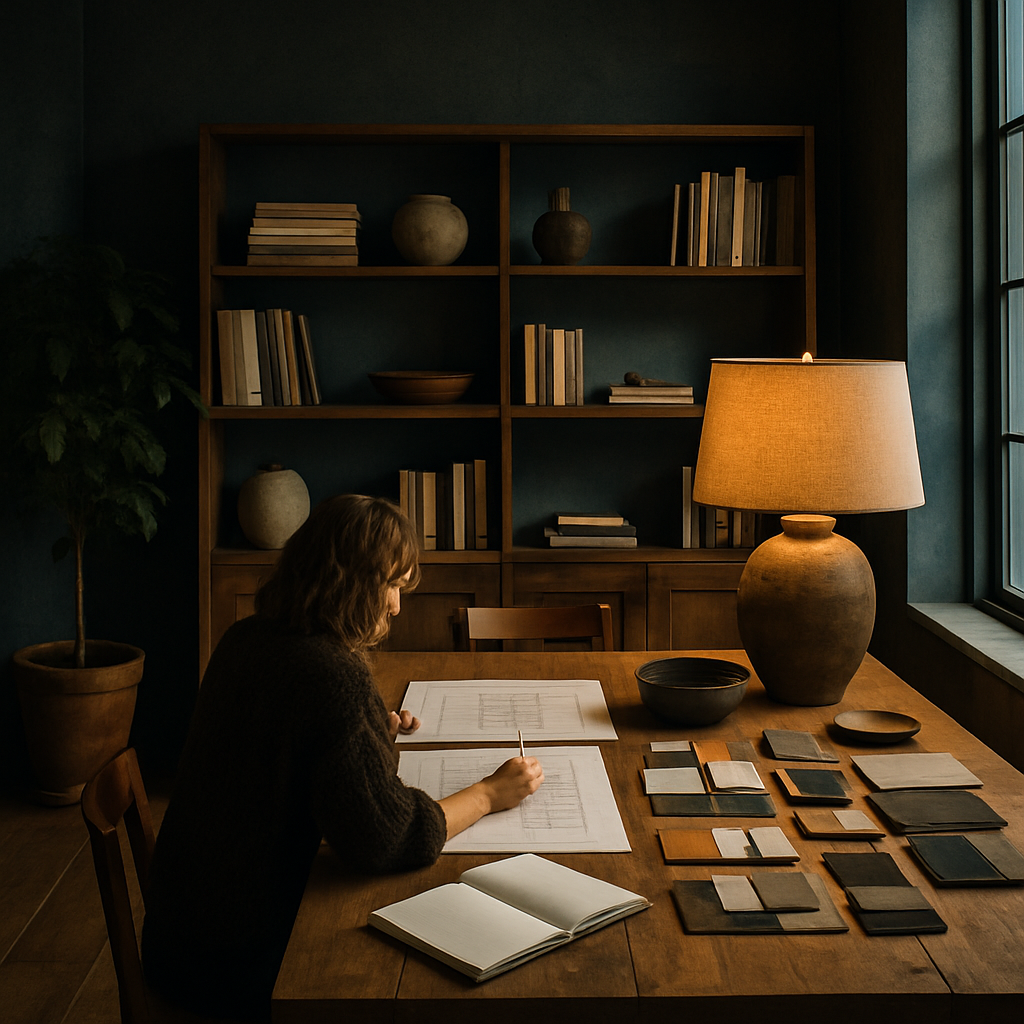
Imagine walking into a space that feels tailor-made for you, where every detail harmonizes perfectly. This is the magic that an interior design studio weaves daily. According to a recent survey by Houzz, 85% of homeowners believe that professional design significantly enhances their living spaces. But what does a day in the life of an interior design studio really look like? In this article, we take you behind the scenes to explore the dynamic processes that transform ordinary spaces into extraordinary environments. From initial concept development to the final reveal, discover the intricate workings and creative minds behind every design decision.
The Foundation of Creativity
An interior design studio is where creativity meets strategy. The day often begins with a team meeting to discuss ongoing projects and upcoming deadlines. This collaborative environment is crucial, as it allows designers to brainstorm ideas and offer feedback on each other's work. According to the American Society of Interior Designers (ASID), 70% of successful projects are attributed to effective team collaboration. These meetings set the tone for the day, ensuring that every team member is aligned with the project goals.
Once the team is on the same page, designers dive into the concept development phase. This is where initial ideas take shape. Designers use tools like Pinterest and Instagram to gather inspiration and create mood boards that capture the essence of their vision. This phase is all about exploring possibilities and pushing creative boundaries. Experienced professionals often note that a well-curated mood board can make or break a project's direction, acting as a visual guide for the design process.
With a clear concept in mind, the team moves on to the design presentation. Here, designers use advanced software to create 3D models and renderings that bring their visions to life. This is not just about aesthetics; it's about ensuring functionality and flow within the space. By visualizing the design, clients can better understand the proposed changes and provide valuable feedback. This foundational stage sets the groundwork for a successful project, ensuring that both designers and clients are on the same page before any physical changes are made.
Diving Deeper: Analysis and Data
As the design process evolves, data becomes a critical component. Interior designers often rely on industry surveys and reports to inform their decisions and justify their design choices. For instance, a Houzz report indicates that integrating sustainable materials can increase a home's resale value by up to 15%. This data-driven approach not only supports the design concept but also adds a layer of credibility to the project's potential impact.
Designers frequently analyze spatial data to optimize the functionality of a room. This involves measuring dimensions and assessing how different elements interact within the space. The goal is to create a seamless experience for the inhabitants, whether it's maximizing natural light or ensuring that furniture placement promotes ease of movement. According to the International Interior Design Association (IIDA), understanding spatial relationships is key to achieving client satisfaction.
By the end of this analytical phase, designers are equipped with a robust set of data and insights that guide the refinement of their concepts. They can confidently present their ideas to clients, using statistics and visualizations to demonstrate the benefits of their design strategies. This analytical depth transforms abstract ideas into tangible plans, ready for execution in the next phases of the project.
Actionable Strategies for Design Success
So, how does an interior design studio ensure that a project progresses smoothly from concept to completion? The key lies in actionable strategies that streamline the design process. First, effective communication with clients is paramount. Designers must maintain open lines of dialogue to manage expectations and incorporate client feedback throughout the project. This involves regular updates and meetings, ensuring that clients are informed and engaged at each stage.
Another strategy involves the use of technology to enhance design accuracy and client satisfaction. Designers now employ AR/VR tools to offer virtual walkthroughs of proposed designs. This immersive experience allows clients to interact with the space before any physical changes occur, minimizing the risk of costly revisions. According to industry consensus, incorporating such innovative tools can reduce project timelines by up to 20%.
Finally, a successful design studio prioritizes project management. This includes setting realistic timelines, managing budgets, and coordinating with contractors and suppliers. By staying organized and proactive, studios can anticipate potential challenges and address them promptly. This strategic approach ensures that projects are completed on time and within budget, ultimately leading to satisfied clients and repeat business.
Expert Insights from the Design World
What sets an exceptional interior design studio apart? Often, it's the depth of expertise and industry connections that they bring to the table. Certified interior designers, holding credentials like the NCIDQ (National Council for Interior Design Qualification), demonstrate a high level of competence and professionalism. These certifications reassure clients that their projects are in capable hands.
Design studios often collaborate with a network of trusted suppliers and craftsmen to source high-quality materials and furnishings. This network is built over years of industry experience and can significantly impact the outcome of a project. For example, sourcing sustainable and reclaimed materials not only aligns with current design trends but also appeals to environmentally conscious clients, adding value to the project.
Moreover, experienced designers stay abreast of emerging trends and technologies. For instance, the integration of smart home features is becoming increasingly popular, with lighting and climate control systems enhancing both comfort and energy efficiency. By leveraging their industry knowledge and connections, design studios can offer clients cutting-edge solutions that improve both aesthetic appeal and functionality.
Additional Depth: Industry-Specific Details
Understanding the financial aspects of a design project is crucial for both clients and designers. Interior design studios typically operate on various fee structures, such as a flat fee, hourly rate, or a percentage of the total project cost. Clients can expect to pay between $5,000 and $15,000 for a single-room redesign, while full-home projects can range from $50,000 to $150,000 or more, depending on the scope.
Additionally, procurement markups on furniture and decor items are common, as studios often have access to trade discounts. This can affect the overall budget, but it also ensures that clients receive high-quality products that are not readily available to the public. Transparency in pricing is essential, and reputable studios will provide detailed estimates and invoices to maintain trust and clarity throughout the project.
Designers also consider the resale value of the property when making design decisions. According to market data, well-designed interiors can yield a 5-15% higher resale value. This potential return on investment is an important consideration for homeowners looking to enhance their living spaces while also increasing their property's market appeal. By understanding these financial nuances, design studios can offer clients informed advice that aligns with their budgetary constraints and long-term goals.
Final Perspectives on Studio Life
Reflecting on a day in the life of an interior design studio reveals a blend of creativity, strategy, and expertise. Each project is a journey that requires careful planning and execution. Have you ever wondered how these professionals navigate the complexities of design and client relationships to deliver exceptional results? Their success lies in their ability to adapt and innovate, staying ahead of design trends and technological advancements.
The dynamic nature of studio work demands a commitment to continuous learning and professional development. Designers frequently attend industry events, workshops, and seminars to hone their skills and expand their knowledge. This dedication to growth ensures that they remain at the forefront of the industry, ready to tackle new challenges and deliver outstanding designs.
As you explore the possibility of working with a design studio, consider the insights and strategies shared here. They offer a glimpse into the meticulous processes and creative minds that transform spaces into personalized sanctuaries. Whether you're planning a simple room refresh or a full-scale renovation, the expertise of a professional design studio could be the key to unlocking your home's potential.
Conclusion: Taking the Next Step
In conclusion, a day in the life of an interior design studio is a testament to the blend of creativity, expertise, and strategic planning that transforms spaces into reflections of their inhabitants. From concept development to execution, each phase is crucial in crafting environments that are not only beautiful but also functional and personalized. As you consider embarking on your own design journey, engage with these insights and strategies to guide your decisions.
Are you ready to take the next step in your interior design project? Start by browsing portfolios on Houzz or Instagram this week-just 20 minutes of research can sharpen your eye for what you truly want. Reach out to a certified interior designer to discuss your vision and see how professional expertise can bring it to life. Your dream space is within reach, and with the right team, the possibilities are endless.



Comments
Post a Comment