Transform Your Space: The Essential Guide to Transitional Interior Design
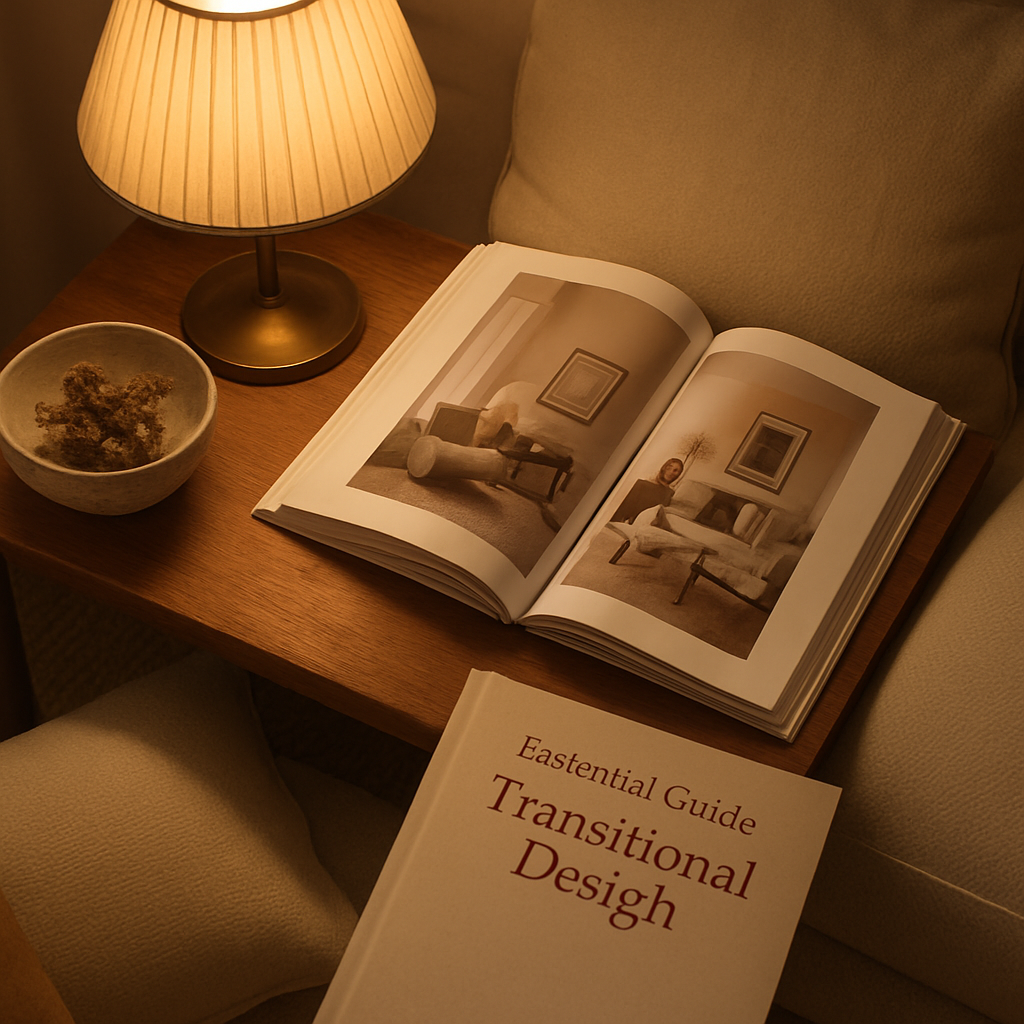
Have you ever walked into a room and felt instantly at ease, but couldn't quite put your finger on why? This subtle harmony is often the hallmark of transitional interior design, a style that artfully balances the old with the new. Transitional design offers a sophisticated mix of traditional and contemporary elements, providing a timeless appeal that many homeowners crave. In this article, we'll explore the foundational concepts of transitional interior design, analyze its growing popularity with supporting data, and provide actionable strategies for incorporating this style into your home. We'll also delve into expert-level insights, giving you a comprehensive understanding of how to transform your space.
Understanding Transitional Interior Design
Transitional interior design is all about balance. It merges the classic lines and textures of traditional design with the clean, understated elegance of contemporary aesthetics. This style thrives on contrast-think a modern sectional sofa paired with an antique wooden coffee table. The result is a space that feels both fresh and familiar, offering comfort without sacrificing style.
One key to transitional design is the use of a neutral color palette. Colors like taupe, gray, and cream create a calming background that allows furniture and decor to shine. According to the American Society of Interior Designers (ASID), neutral tones have been consistently favored in recent years, with homeowners increasingly drawn to their versatility and longevity.
But how do you achieve this harmonious blend? The answer lies in the careful selection of furniture and accessories. Choose pieces with clean lines and subtle curves, and mix textures like wood, metal, and fabric. This approach not only adds depth but also ensures that your space remains cohesive. The transition from one style element to another should feel seamless, not jarring, which is the essence of transitional design.
The Popularity of Transitional Design: A Data-Driven Look
Transitional design has gained significant traction over the past decade, driven by its flexible nature and broad appeal. Industry surveys, such as those conducted by Houzz, reveal that more than 60% of homeowners prefer transitional styles for their renovations. This growing interest is largely due to the style's adaptability, making it suitable for a wide range of homes and personal tastes.
Moreover, transitional spaces often yield a higher resale value. According to a report by the National Association of Realtors (NAR), homes with well-executed interior design can sell for 5-15% more than similar properties without. This potential for return on investment makes transitional design not only an aesthetic choice but a financially savvy one as well.
Experienced professionals often note that transitional design's popularity is also linked to its ability to evolve with trends. As new styles emerge, transitional interiors can be easily updated with a few key pieces, maintaining the overall aesthetic without requiring a complete overhaul. This flexibility is particularly appealing to those who wish to keep their homes stylish yet timeless.
Actionable Strategies for Implementing Transitional Design
Ready to transform your space with transitional interior design? Start by assessing your current decor. Identify the pieces that can be retained and those that need replacement. Focus on achieving a balance between the ornate and the streamlined. For example, pair a classic wingback chair with a sleek, modern lamp.
Next, consider your color palette. Stick to neutral tones, but don't be afraid to incorporate subtle pops of color through accessories like throw pillows or artwork. This will add personality without disrupting the overall harmony. Additionally, integrating natural materials such as wood and stone can enhance the transitional feel, aligning with the 2026 design trend of biophilic design.
Finally, pay attention to proportion and scale. Transitional design relies heavily on these elements to ensure that spaces feel balanced and inviting. When selecting furniture, consider the size of your room and how each piece interacts with others. A large room might benefit from a spacious sectional, while a smaller space could be elevated with a few well-chosen accent chairs. Are you ready to embrace this elegant yet versatile style?
Expert Insights on Transitional Design
For those seeking to deepen their understanding of transitional design, consulting with certified interior designers can provide invaluable insights. Professionals holding credentials like the NCIDQ (National Council for Interior Design Qualification) have a comprehensive grasp of design principles and can offer tailored advice to suit your specific needs.
One expert tip is to focus on lighting. Transitional spaces benefit from a mix of ambient, task, and accent lighting. Consider installing dimmers to control mood and highlight different areas of a room. Smart home integration, such as automated window treatments, can further enhance the functionality and sophistication of your space.
Another aspect to consider is the use of textiles. Incorporating a variety of textures, such as silk, cotton, and wool, can add warmth and interest to a room. Experienced designers often suggest layering rugs and using draperies to soften hard surfaces, which is especially important in spaces that feature a lot of hard materials like wood or metal.
Additional Considerations for Transitional Design
As you refine your transitional design, consider the role of accessories. Artworks, sculptures, and decorative items should be chosen carefully to complement the overall aesthetic. According to Architectural Digest, minimalistic yet meaningful accessories are key to achieving a cohesive look without clutter.
Furniture arrangement also plays a crucial role. Ensure that seating areas are conducive to conversation and comfort. A well-placed sofa or a pair of armchairs can create an inviting atmosphere that encourages interaction. Transitional design often emphasizes symmetry, so try to maintain balance in your layouts.
Lastly, don't overlook the impact of personal touches. Incorporate items that reflect your personality and experiences, such as family photos or travel souvenirs. These elements not only personalize your space but also add layers of interest and depth, making your home truly unique.
Final Thoughts on Transitional Interior Design
Transitional interior design offers a timeless solution for those seeking to blend the old with the new. Its emphasis on balance, contrast, and harmony makes it a versatile choice for any home. As trends evolve, this style remains a steadfast option, capable of adapting to changes while maintaining a cohesive look.
Whether you're starting from scratch or reimagining an existing space, the principles of transitional design can guide you toward creating a home that is both elegant and inviting. How will you begin your journey into transitional design? Consider taking inspiration from platforms like Pinterest and Instagram, where countless examples await your exploration.
In the end, transitional design is not just about aesthetics; it's about creating a space where you feel at ease and inspired. Are you ready to embark on this transformation?
Conclusion
In summary, transitional interior design is a dynamic and adaptable style that merges elements of traditional and contemporary design. By focusing on balance, neutral palettes, and thoughtful furniture selection, you can transform your space into a haven of sophistication and comfort. This guide has provided you with the foundational knowledge and strategies to begin your design journey.
Now, take the next step: start by browsing designer portfolios on Houzz this week. Even dedicating just 20 minutes to research can sharpen your eye for what you truly desire in your home. Transitional design is about creating harmony and elegance-let this guide be your starting point on that journey.



Comments
Post a Comment