The Ultimate Guide to Collaborating with an Interior Designer Effectively
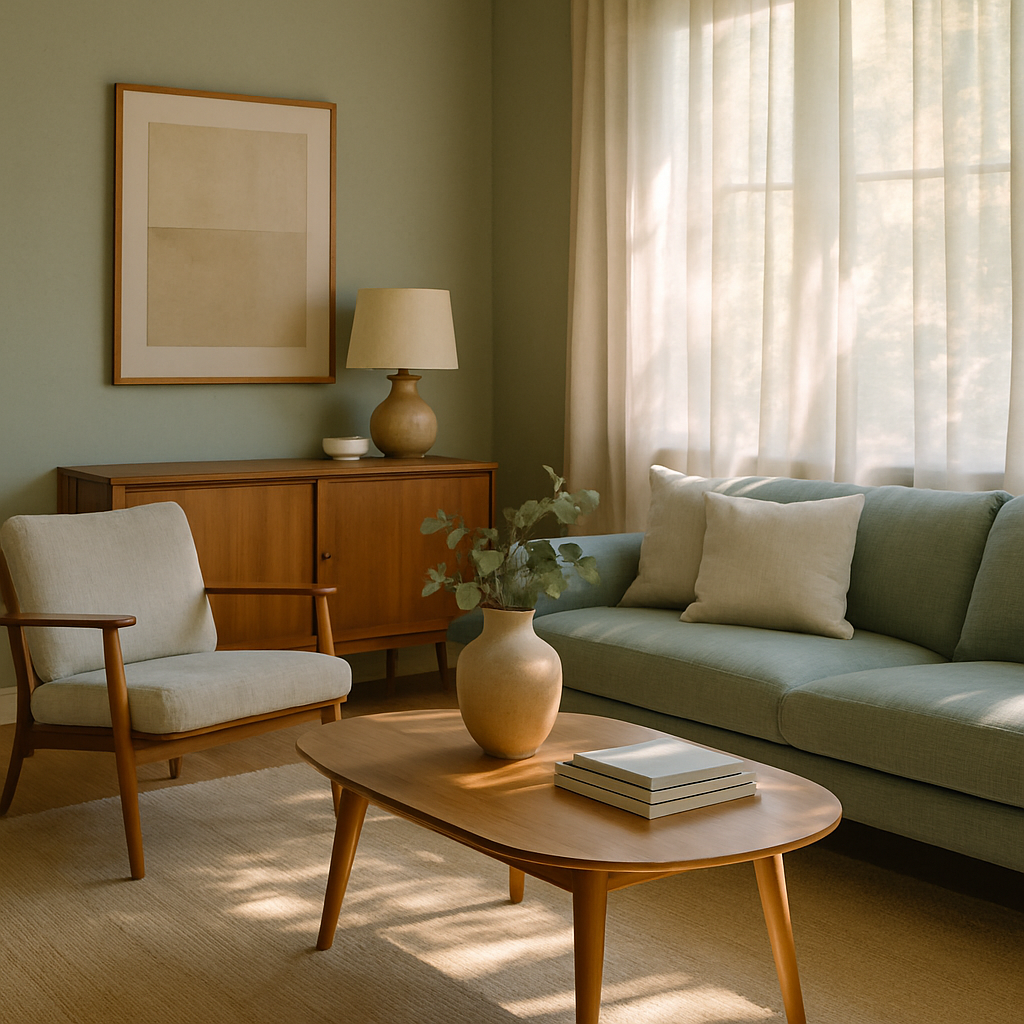
Hiring an interior designer is only the beginning of the journey toward your dream home; what truly determines the success of the project is the quality of the collaboration that unfolds over the weeks and months that follow. Many homeowners invest considerable time selecting the perfect designer only to undermine the partnership through poor communication, unclear expectations, or a misunderstanding of their respective roles in the creative process. Effective collaboration between a homeowner and an interior designer is a skill that can be learned and refined, and mastering it transforms the experience from a transactional service into a genuinely creative partnership. The most celebrated residential interiors are almost always the product of a strong designer-client relationship where both parties contribute meaningfully and respectfully to the outcome. What if the difference between a good result and an extraordinary one had less to do with budget or talent and more to do with how well you and your designer worked together? This guide provides a comprehensive framework for building that productive partnership, covering everything from initial preparation through final installation and beyond.
Preparing Before the First Meeting
The work of effective collaboration begins well before your first formal meeting with your interior designer, and the preparation you invest at this stage pays dividends throughout the entire project lifecycle. Start by gathering visual inspiration that represents not just spaces you find attractive but the specific feelings, moods, and atmospheres you want your home to evoke. Platforms like Houzz and Pinterest offer powerful tools for creating organized inspiration boards, but physical collections of magazine clippings, fabric scraps, travel photographs, and even paint chips from hardware stores can be equally valuable for communicating your aesthetic preferences. The American Society of Interior Designers (ASID) recommends that clients prepare a written list of functional requirements for each room, including how many people will use the space regularly, what activities will take place there, any accessibility considerations, and storage needs that must be addressed. Go beyond listing what you want and articulate what you want to feel when you enter each room, as this emotional dimension gives your designer invaluable guidance that purely functional specifications cannot provide.
Honest self-assessment of your lifestyle habits, daily routines, and domestic realities is equally important preparation that prevents the design from becoming an idealized fantasy disconnected from how you actually live. If you have young children, energetic pets, a home-based business, or a passion for cooking elaborate meals, these realities must inform every material selection, furniture choice, and spatial arrangement. Designers cannot accommodate needs they do not know about, so being forthright about the messy, unglamorous aspects of daily life is not embarrassing but essential. Document the specific pain points in your current living situation with as much detail as possible: Is the entryway constantly cluttered because there is no designated storage for shoes and bags? Does the kitchen island create a bottleneck during meal preparation because it is positioned too close to the stove? Do you struggle to find a quiet, comfortable place to read in the evenings because every room is oriented around a television? These concrete observations give your designer practical problems to solve rather than abstract preferences to interpret.
Financial preparation deserves equal attention, and arriving at the first meeting with a clearly defined budget range demonstrates professionalism and enables productive conversations from the outset. Determine your total available budget for the project, including a contingency reserve of 10 to 20 percent for unexpected expenses, and be prepared to share this information openly with your designer rather than playing a guessing game that wastes time and erodes trust. According to the International Interior Design Association (IIDA), transparent budget conversations at the start of a project correlate strongly with higher client satisfaction at completion, because designers can direct their creativity toward solutions that are both beautiful and financially realistic. Have you taken the time to distinguish between your essential requirements and your aspirational wishes, understanding that budget constraints may require prioritizing some goals over others? Creating a tiered priority list before your first meeting helps both you and your designer make allocation decisions efficiently when tradeoffs become necessary during the design process.
Establishing Clear Communication Protocols
Once the project begins, establishing explicit communication protocols prevents the misunderstandings, delays, and frustrations that derail even the most promising designer-client relationships. Discuss and agree upon practical logistics during your kickoff meeting, including preferred communication channels for different types of exchanges, expected response times for routine and urgent matters, and a regular meeting cadence that keeps the project moving forward without overwhelming either party. Some homeowners prefer the immediacy and informality of text messaging for quick questions and decisions, while others want every communication documented in email for future reference. Neither approach is wrong, but aligning expectations prevents situations where a homeowner feels ignored because their text went unanswered for three days, or a designer feels overwhelmed by a barrage of late-night messages. The National Council for Interior Design Qualification (NCIDQ) standards emphasize that defining communication boundaries is a professional responsibility that protects both the client relationship and the designer's ability to perform effectively.
Beyond logistics, effective communication in a design collaboration requires developing a shared vocabulary for discussing aesthetic concepts, spatial relationships, and emotional responses to design choices. Terms like "modern," "cozy," "minimalist," and "traditional" mean different things to different people, and assumptions about shared understanding lead to costly misalignments between vision and execution. When your designer presents a concept using industry terminology you do not recognize, ask for clarification without hesitation, as good designers welcome these questions and prefer educated clients who understand the reasoning behind recommendations. Visual references are almost always more precise than verbal descriptions for communicating design ideas, so supplement conversations with specific images that illustrate what you mean rather than relying solely on adjective-laden descriptions. A simple practice of sharing three to five reference images alongside any significant feedback ensures that both parties are literally looking at the same thing when discussing design direction.
Decision-making protocols deserve particular attention because design projects require hundreds of individual decisions, and bottlenecks in the approval process can delay timelines and inflate costs significantly. Agree early on which decisions require your direct input and which you are comfortable delegating to your designer's professional judgment, creating clear categories that prevent both micromanagement and unwelcome surprises. Many experienced designers recommend a tiered approach where major decisions about layout, color direction, and hero furniture pieces require formal client approval, while secondary decisions about hardware finishes, grout colors, and accessory placement fall within the designer's discretionary authority. How quickly can you realistically respond to decision requests during the workweek, and do you need to consult with a partner or family member before approving major choices? Being honest about your decision-making process and timeline helps your designer plan their workflow accordingly and prevents the project from stalling at critical junctures.
Providing Constructive Feedback That Moves the Project Forward
The ability to provide clear, constructive feedback is perhaps the single most important skill a homeowner can develop for a successful design collaboration, yet it is the area where most clients feel least confident and comfortable. When your designer presents concepts, material selections, or furniture options, resist the impulse to respond with vague reactions like "I don't love it" or "something feels off" without attempting to identify what specifically is not working for you. Instead, try to pinpoint whether your concern relates to color, scale, texture, style, functionality, or emotional tone, as this specificity helps your designer course-correct efficiently rather than guessing at your intentions. A study referenced by AD PRO found that projects where clients provided specific, actionable feedback progressed 30 percent faster than those where feedback was ambiguous or purely reactive, translating directly into time and cost savings. Framing feedback in terms of what you do want rather than what you do not want is particularly effective, as it gives your designer a positive direction to pursue rather than a list of negatives to avoid.
Timing and method of feedback delivery matter as much as content, and establishing healthy feedback habits early in the project sets a productive tone for the entire engagement. Respond to presentations and proposals within the agreed-upon timeframe rather than letting materials sit unreviewed for weeks, even if your response is a simple acknowledgment that you need more time to consider the options. When you disagree with a recommendation, express your perspective while remaining open to the designer's professional reasoning, as there may be practical, structural, or budgetary factors influencing their suggestion that are not immediately apparent. The ASID code of ethics encourages designers to explain the rationale behind their recommendations transparently, and you should expect and welcome these explanations as part of a respectful collaborative process. Avoid the common trap of soliciting opinions from friends, family members, and social media followers about every design decision, as this well-intentioned crowdsourcing introduces conflicting perspectives that confuse the direction and undermine the designer's professional authority.
There will inevitably be moments during the project when you and your designer disagree about a significant design choice, and how you navigate these disagreements largely determines the ultimate quality of the outcome. Approach design conflicts with curiosity rather than defensiveness, asking your designer to explain their perspective fully before asserting your own preference. Sometimes a designer's recommendation that initially feels wrong becomes compelling once you understand the thinking behind it, and sometimes your instinct about your own home proves more important than professional convention. The healthiest collaborations find a middle ground where the designer's expertise is respected but the homeowner's personal connection to their space is honored as the ultimate arbiter of subjective choices. What approach do you typically take when you disagree with a professional recommendation, and might adjusting that approach lead to more productive creative partnerships? Remember that your designer wants the project to succeed as much as you do, and disagreements handled well often lead to solutions that neither party would have conceived independently.
Managing the Design Process and Timeline
Understanding the typical phases of an interior design project helps homeowners set realistic expectations about timeline, participate productively at each stage, and avoid the anxiety that comes from not knowing what happens next. Most comprehensive design projects move through distinct phases including programming and discovery, concept development, design development, documentation, procurement, and installation, with each phase building upon the work completed in the previous one. The programming phase focuses on gathering information about your needs, preferences, lifestyle, and budget; concept development translates this information into initial design directions through mood boards, preliminary layouts, and material palettes; and design development refines the selected concept into specific, detailed plans. Professional designers typically charge between $150 and $500 per hour for their expertise across these phases, with the most intensive billing occurring during concept and design development when creative output and client interaction are at their peak.
Timeline management requires active participation from both the homeowner and the designer, with delays most commonly caused by slow decision-making, product lead times that exceed initial estimates, and construction complications that surface only after demolition begins. Furniture and custom millwork lead times can range from six weeks to six months depending on the manufacturer, material availability, and level of customization, making early procurement decisions critical for maintaining the overall project schedule. Your designer should provide a detailed project timeline at the outset, identifying key milestones, decision deadlines, and dependencies that must be completed in sequence. When delays occur, and they almost certainly will at some point, respond constructively by working with your designer to adjust the timeline and identify opportunities to resequence tasks rather than assigning blame. The IIDA has published guidelines emphasizing that realistic timeline communication is a professional obligation, and designers who consistently overpromise delivery dates to win projects ultimately harm their clients and their own reputation.
Site visits and progress check-ins during the construction and installation phases keep you connected to the physical transformation of your space and provide opportunities to catch potential issues before they become expensive problems. Establish a regular site visit schedule with your designer, whether weekly or biweekly depending on the project intensity, and use these visits to review work completed, discuss upcoming decisions, and address any concerns while changes can still be made cost-effectively. Document the condition of your space with photographs before construction begins, creating a visual record that proves invaluable for resolving disputes with contractors and for appreciating the full extent of the transformation once the project is complete. How comfortable are you with the inherent uncertainty of renovation projects, and have you built sufficient schedule flexibility into your expectations to accommodate the surprises that inevitably arise? Adopting a mindset of adaptive patience, remaining engaged and proactive while accepting that perfection requires time, positions you as the kind of client who inspires a designer's best work.
Navigating Budget Decisions and Trade-Offs Together
Budget management in interior design projects requires ongoing collaboration between homeowner and designer, as initial estimates inevitably evolve when conceptual plans meet material realities, construction conditions, and the granular costs of specific products and finishes. The most successful collaborations treat the budget as a living document that is reviewed and adjusted regularly rather than a static number established at the outset and never revisited. Your designer should provide regular budget updates that track committed expenditures against the approved budget, flag potential overages before they occur, and present options for reallocating funds when priorities shift. According to research published by the ASID, projects with formal budget tracking processes in place experience cost overruns that average 40 percent less than projects managed informally, demonstrating that structured financial oversight directly protects the homeowner's interests.
Trade-off decisions are an unavoidable reality of design projects, and approaching them strategically rather than emotionally leads to much better outcomes for the overall space. When budget pressure requires choosing between two desired elements, evaluate each option against your prioritized list of project goals rather than making decisions in isolation. Your designer can help by modeling the impact of different allocation scenarios, showing you how investing more in kitchen countertops might require simplifying bathroom tile selections, or how choosing a less expensive sofa could free funds for the custom built-in shelving that would transform your living room. The concept of "investing where you live" provides useful guidance, directing proportionally higher budgets toward the spaces where you spend the most time and that have the greatest impact on your daily quality of life. Smart trade-off decisions often involve choosing exceptional quality for visible, high-impact elements while accepting standard options for utilitarian components that rarely draw attention.
Transparency about financial constraints and changing circumstances throughout the project builds trust and enables creative problem-solving that pure stubbornness about original budgets cannot. If your financial situation changes during the project, whether positively or negatively, communicate this promptly to your designer so they can adjust plans accordingly. Designers experienced with biophilic design, quiet luxury, and smart home integration can often identify cost-effective alternatives that achieve similar aesthetic and functional goals without the premium price tags associated with top-tier products. Where in your current project might thoughtful substitution deliver equivalent impact at meaningfully lower cost? The answer often lies in strategic material choices, such as selecting a beautiful porcelain tile that convincingly replicates natural marble at a fraction of the price, or choosing a high-quality performance fabric that offers the look and feel of silk with dramatically greater durability and a much lower cost per yard.
Wrapping Up the Project and Building a Lasting Relationship
The final stages of a design project, encompassing installation, styling, and the punch list process, require the same collaborative attention and patience that characterized the earlier phases, even as excitement about the finished result makes it tempting to rush. Installation day often reveals minor issues that need adjustment, from furniture pieces that fit slightly differently in reality than they appeared in renderings to paint colors that read differently under the actual light conditions of your home compared to studio samples. A professional designer manages these final adjustments methodically through a punch list that documents every item requiring attention, assigns responsibility for each correction, and tracks completion until every detail meets the agreed-upon standard. The NCIDQ competency framework includes project closeout as a formal phase of practice, recognizing that how a project ends shapes the client's overall perception of the experience as much as any earlier milestone. Allow your designer sufficient time to complete final styling and adjustments without pressure, as this finishing layer often makes the difference between a space that looks professionally designed and one that feels professionally designed.
Post-project evaluation provides valuable closure for both parties and generates insights that improve the homeowner's future design decisions and the designer's professional practice. Schedule a formal walkthrough with your designer approximately one month after installation, allowing time for you to actually live in the space and identify any functional issues that were not apparent during the initial reveal. Discuss what worked well in the collaboration, what you would do differently next time, and whether there are future projects or phases that you would like to explore together. Many designer-client relationships evolve into long-term partnerships where the designer becomes a trusted advisor for ongoing additions, seasonal updates, and future home projects, providing continuity and accumulated knowledge that benefits both parties. The strongest interior design firms build their reputation and revenue primarily through repeat clients and referrals, which means your designer is genuinely invested in your long-term satisfaction.
Effective collaboration with an interior designer is ultimately about creating the conditions under which two different perspectives, your intimate knowledge of how you live and your designer's professional expertise in how spaces work, can combine to produce something greater than either could achieve alone. The strategies outlined in this guide, from thorough preparation and transparent communication to constructive feedback and adaptive budget management, are not merely procedural best practices but expressions of mutual respect that elevate the creative process. Your home is the backdrop against which your life unfolds, and investing in a collaborative relationship that honors both your vision and your designer's craft is one of the most rewarding investments you can make. Take the first step by reaching out to credentialed professionals through the ASID or IIDA directories, and approach the partnership with openness, honesty, and the understanding that the best designs emerge from the best collaborations. The space you have been imagining is within reach, and the right partnership will bring it to life.
More Articles You May Like


Comments
Post a Comment