10 Stunning Interior Design Ideas to Transform Your Home This Year
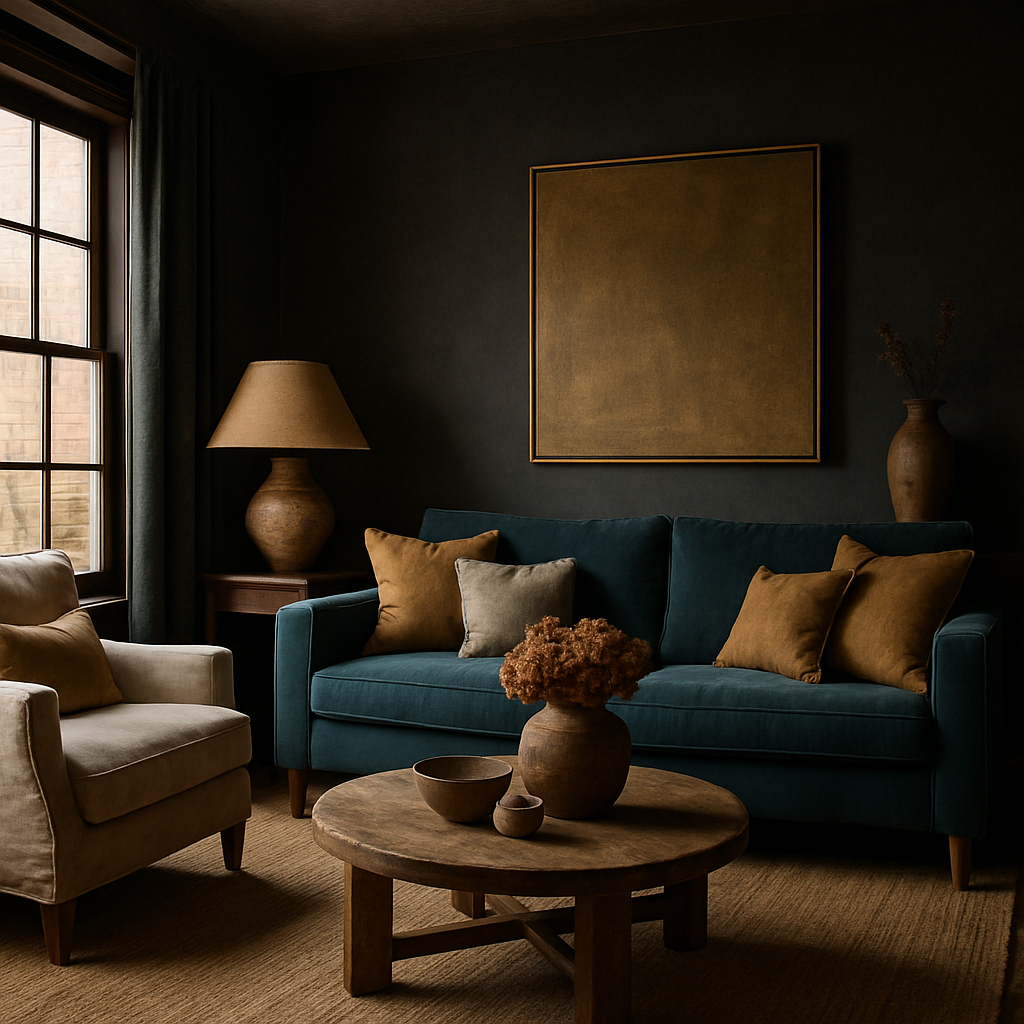
Imagine walking into your home and feeling an immediate sense of tranquility and style. According to the Houzz annual survey, nearly 70% of homeowners plan to renovate or redecorate their homes in the coming year. Why not join them and give your space the refresh it deserves? In this article, we'll explore ten stunning interior design ideas that can dramatically transform your home, enhancing both aesthetics and functionality. From incorporating biophilic design to adopting smart home technologies, these ideas are crafted to inspire and guide you through your next design project.
Understanding the Basics of Interior Design
Before diving into specific design ideas, it's crucial to understand the foundational principles of interior design. These principles guide designers in creating harmonious and functional spaces. Firstly, balance is key. Whether it's symmetrical, asymmetrical, or radial, achieving balance ensures that no part of the room overpowers another. For instance, a room with a large sectional sofa should be balanced with equally substantial furniture or decor on the opposite side.
The second principle is contrast, which adds visual interest to a space. This can be achieved through color, shape, or texture. Consider pairing a sleek, modern chair with a rustic wooden table to create an intriguing contrast. Finally, emphasis or focal points draw the eye and anchor the room. This could be a striking piece of artwork, a bold-colored wall, or an ornate chandelier. These foundational concepts set the stage for the more detailed design ideas discussed in the subsequent sections.
Understanding these principles not only enhances your ability to appreciate well-designed spaces but also empowers you to make informed choices in your own home. Armed with this knowledge, you're ready to explore the more specific design trends that can transform your interiors. But how do these principles translate into actionable design choices? Let's delve into the current trends that are capturing the imagination of designers worldwide.
The Rise of Biophilic Design
Biophilic design, which emphasizes the integration of natural elements into interior spaces, is gaining significant traction. This design approach is not just about aesthetics; it's backed by research. Studies have shown that incorporating nature into indoor environments can reduce stress and enhance well-being. Imagine a living room that blurs the line between indoor and outdoor through the use of large windows, living walls, and natural materials like wood and stone.
According to the American Society of Interior Designers (ASID), biophilic design is expected to be a leading trend in 2026. Designers are increasingly using materials that mimic natural textures, such as stone and wood, alongside greenery to create tranquil, restorative spaces. A practical example could be a home office that features a wall of plants, providing both a visual and air-quality boost.
But why is this trend so appealing? It taps into our intrinsic connection to nature, offering a refuge from the hectic pace of modern life. For those living in urban environments, biophilic design provides a crucial link to the natural world, enhancing both mental and physical health. As we explore other design ideas, consider how biophilic principles might be woven into your own home to create a serene and harmonious environment.
Incorporating Smart Home Technologies
The integration of smart home technologies into interior design is revolutionizing how we interact with our living spaces. From lighting to climate control, smart technologies offer convenience and efficiency. For instance, automated window treatments can adjust based on the time of day or your personal preferences, optimizing both natural light and privacy.
Experienced professionals often note that smart home integration can significantly enhance the functionality of a space. The International Interior Design Association (IIDA) emphasizes that these technologies should be seamlessly integrated into the design, maintaining the aesthetic appeal of the room. Imagine controlling all your home's systems from a single device, simplifying your daily routines and enhancing your quality of life.
As you consider incorporating smart technologies into your home, ask yourself: how can these innovations serve my lifestyle? Whether it's a sophisticated lighting system that changes the ambiance at the touch of a button or a smart thermostat that learns your schedule, the possibilities are vast. As we move forward, we'll look into more traditional design elements that continue to hold significant value in transforming spaces.
Exploring Japandi Style
Japandi design, a harmonious blend of Japanese minimalism and Scandinavian warmth, is another trend making waves in the interior design world. This style focuses on simplicity, functionality, and the use of natural materials. It's about creating spaces that are both beautiful and practical, with a strong emphasis on craftsmanship and quality.
Houzz data shows a growing interest in Japandi style, particularly among homeowners seeking a calm, uncluttered aesthetic. This trend is characterized by clean lines, neutral color palettes, and a mix of textures that add depth and interest. For example, a Japandi-inspired living room might feature a low-profile sofa, a simple wooden coffee table, and a few carefully curated decorative items.
Why is Japandi style so compelling? It offers a sense of tranquility and balance, making it ideal for creating spaces that feel like a retreat from the outside world. As we consider additional design ideas, think about how Japandi elements might enhance the functionality and aesthetic of your home. Next, we'll delve into the role of sustainable and reclaimed materials in modern interior design.
The Impact of Sustainable and Reclaimed Materials
Sustainability is no longer just a buzzword; it's a crucial consideration in contemporary design. The use of sustainable and reclaimed materials not only benefits the environment but also adds unique character to interiors. Reclaimed wood, for example, brings history and warmth to a space, while recycled glass and metal can offer innovative, eco-friendly design solutions.
According to Architectural Digest's AD PRO network, more designers are prioritizing sustainability in their projects. This shift is driven by consumer demand and the growing awareness of environmental impacts. A room featuring sustainable materials might include furniture made from reclaimed wood, energy-efficient lighting, and textiles crafted from organic fibers.
As you plan your next design project, consider how sustainable choices can align with your aesthetic goals. Not only do these materials reduce your carbon footprint, but they also contribute to a healthier indoor environment. As we wrap up our exploration of design trends, we'll focus on the future of interior design and how these trends might evolve.
Looking Ahead: The Future of Interior Design
As we look to the future, it's clear that interior design will continue to evolve in response to technological advancements and changing consumer preferences. Augmented reality (AR) and virtual reality (VR) tools are already being used to help clients visualize design plans, making the design process more interactive and accessible.
The National Council for Interior Design Qualification (NCIDQ) suggests that these technologies will play an increasingly important role in the industry. Imagine being able to walk through a virtual model of your redesigned home before any physical changes are made. This capability not only enhances communication between designers and clients but also ensures that the final result aligns closely with the client's vision.
As you explore these emerging technologies, consider how they might enhance your design experience. Whether you're planning a major renovation or a simple refresh, staying informed about these trends will ensure your home remains stylish and functional. In conclusion, let's summarize the key takeaways and identify actionable steps you can take to bring these ideas to life in your own home.
Conclusion: Bringing Your Design Vision to Life
In summary, transforming your home with stunning interior design ideas involves a blend of foundational principles, innovative trends, and personal preferences. From biophilic design to smart home technologies and sustainable materials, each idea offers unique benefits that can elevate your living space. As you embark on your design journey, remember to prioritize both aesthetics and functionality, ensuring that your home is a true reflection of your lifestyle.
Ready to start your transformation? Begin by browsing designer portfolios on platforms like Houzz and Instagram. Even 20 minutes of research can sharpen your eye for what you truly want. Whether you're considering a full-home redesign or just a single room update, these design ideas provide a wealth of inspiration and guidance to help you achieve a space that is both beautiful and functional.


Comments
Post a Comment