The Evolution of Interior Design: Trends and Innovations Shaping Our Spaces
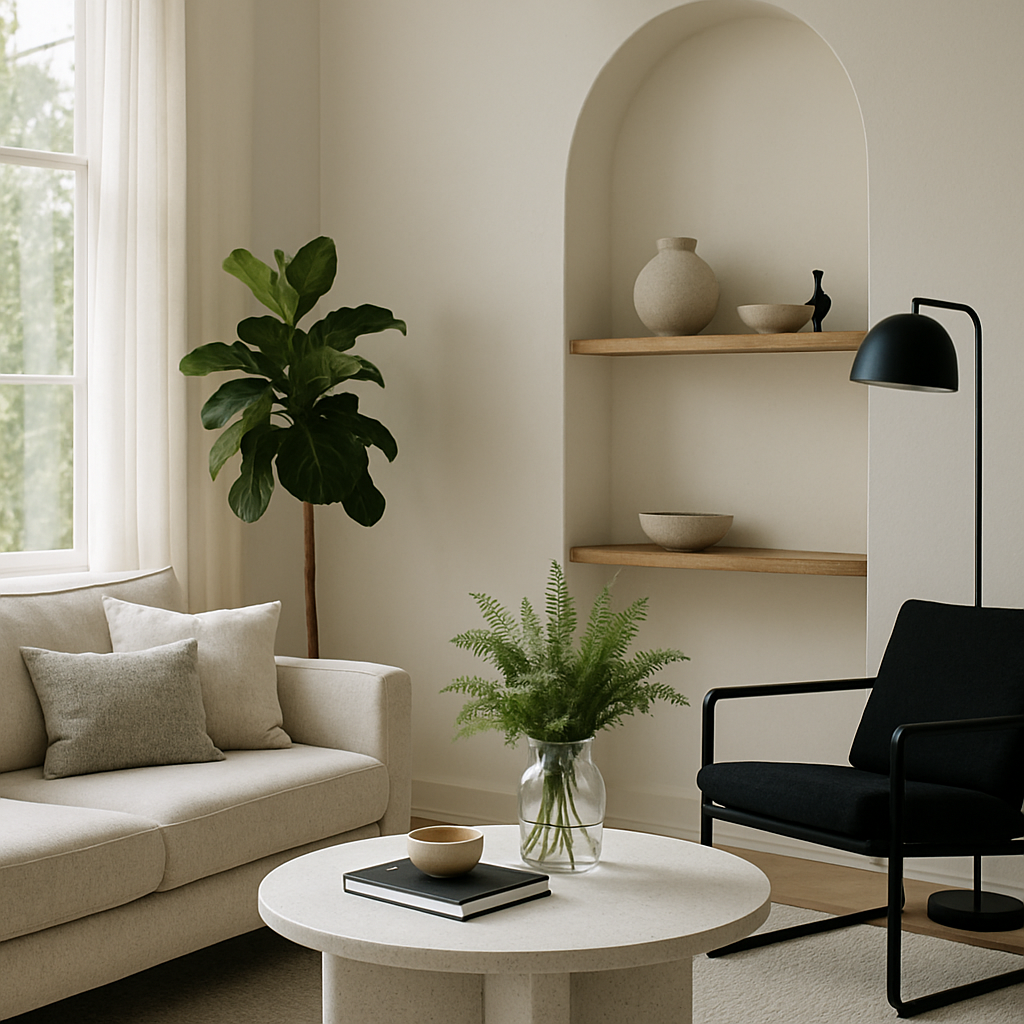
Interior design has never been static. From the ornate grandeur of classical European interiors to the radical simplicity of modernism and the technology-infused environments of contemporary practice, the discipline has continuously reinvented itself in response to changing cultural values, technological capabilities, economic conditions, and evolving understandings of human well-being. Each era of interior design reflects the broader aspirations and anxieties of its society, serving as a tangible record of what people valued, feared, celebrated, and sought refuge from within the walls of their homes. Studying this evolution is not merely an academic exercise; it provides essential context for understanding why contemporary design looks and functions the way it does, and where it is heading next. What forces have driven the most significant shifts in how we design our living spaces, and what can those historical patterns teach us about the trends reshaping residential interiors right now? This guide traces the major movements and turning points in interior design history, connecting them to the innovations and philosophies that define the field's current trajectory and its most promising future directions.
Classical Foundations: Proportion, Craft, and Symbolic Meaning
The roots of Western interior design reach back to the classical civilizations of Greece and Rome, where principles of proportion, symmetry, and the symbolic use of materials established foundational concepts that continue to influence design practice thousands of years later. Greek interiors emphasized mathematical harmony, with room proportions derived from geometric relationships that were believed to reflect cosmic order and were directly tied to the architectural principles codified by Vitruvius and later studied extensively during the Renaissance. Roman domestic architecture, documented most dramatically in the preserved homes of Pompeii, demonstrates sophisticated approaches to spatial planning, decorative painting, mosaic flooring, and the integration of gardens and water features that anticipated biophilic design principles by two millennia. These classical traditions established the enduring idea that interior environments should express meaning beyond mere shelter, communicating the values, social standing, and cultural sophistication of their inhabitants through deliberate design choices.
The Renaissance and subsequent Baroque and Rococo periods expanded the decorative vocabulary of interior design dramatically, introducing elaborate plasterwork, gilding, rich textiles, and commissioned artwork that transformed rooms into immersive sensory environments reflecting the wealth and taste of European aristocracy. Craftsmen during these periods achieved extraordinary levels of technical mastery in woodworking, metalwork, textile production, and surface decoration, creating pieces that remain benchmarks of quality and artistry against which contemporary craftsmanship is still measured. The International Interior Design Association (IIDA) has noted that the emphasis on handcraft and material quality characteristic of these historical periods resonates strongly with the contemporary quiet luxury movement, which similarly prioritizes artisanal skill and authentic materials over mass-produced alternatives. Interior designers today who work in historically influenced styles draw directly upon this classical inheritance, adapting its proportional systems, decorative motifs, and material philosophies to suit contemporary lifestyles and construction methods.
The transition from aristocratic interiors designed for display and ceremony to middle-class domestic environments designed for comfort and family life represents one of the most significant shifts in interior design history, fundamentally reorienting the discipline's priorities. The Arts and Crafts movement of the late nineteenth century, championed by William Morris and his contemporaries, explicitly rejected industrial mass production in favor of handcrafted objects, honest materials, and designs that served human comfort rather than aristocratic spectacle. This philosophical shift planted seeds that would eventually grow into the modern design movements of the twentieth century, establishing the principle that good design should be accessible to ordinary people and that functional integrity matters as much as decorative beauty. How much of what you value in your own home, whether that is comfort, craftsmanship, natural materials, or functional simplicity, traces its philosophical origins to these nineteenth-century reform movements that challenged centuries of decorative excess? Recognizing these historical connections deepens your appreciation of contemporary design and helps you understand why certain principles feel instinctively right.
Modernism and the Revolution of Simplicity
The modernist movement that emerged in the early twentieth century represented the most radical transformation in interior design philosophy since the classical era, stripping away centuries of accumulated ornament in favor of clean lines, open plans, and an honest expression of materials and structure. Architects and designers including Le Corbusier, Ludwig Mies van der Rohe, and Eileen Gray championed the idea that form should follow function, that buildings should embrace industrial materials like steel, glass, and concrete without disguise, and that open, flowing spatial plans better served modern lifestyles than the compartmentalized room layouts of traditional homes. The Bauhaus school in Germany synthesized art, craft, and technology into a unified design education that influenced every aspect of the built environment, producing furniture, lighting, and textile designs that remain in production and popular demand decades after their creation. The American Society of Interior Designers (ASID) traces the formalization of interior design as a distinct profession to this period, when the complexity of modern building systems and the philosophical ambitions of the modernist movement demanded specialized expertise beyond what architects and decorators had traditionally provided.
Mid-century modernism, spanning roughly from the late 1940s through the 1960s, translated the sometimes austere principles of early modernism into warmer, more livable residential environments that remain among the most coveted design aesthetics in the contemporary marketplace. Designers like Charles and Ray Eames, Florence Knoll, and Arne Jacobsen created furniture that combined industrial production methods with organic forms, natural materials, and a human-centered approach to comfort that made modernism accessible and appealing to a broad middle-class audience. The open floor plans, large windows, integration of indoor and outdoor spaces, and emphasis on natural light that characterized mid-century homes directly anticipated many features that contemporary designers treat as contemporary innovations. According to Houzz market data, mid-century modern remains one of the most consistently searched design styles on their platform, demonstrating an enduring appeal that transcends generational boundaries. The lasting influence of mid-century design on contemporary practice confirms that its principles of simplicity, warmth, and functional elegance address fundamental human needs that are not subject to fashion cycles.
Postmodernism emerged in the 1970s and 1980s as a reaction against what many perceived as the cold rigidity and cultural uniformity of late modernism, reintroducing color, pattern, historical references, and playful irony into interior design. While postmodernist interiors are rarely replicated in their original form today, the movement's insistence that design should accommodate diversity of taste, cultural specificity, and emotional expression permanently expanded the vocabulary available to interior designers. The eclectic mixing of periods, styles, and cultural influences that characterizes much contemporary interior design owes a direct debt to postmodernism's challenge to the modernist orthodoxy that one correct style existed for all people and all contexts. What elements of your own aesthetic preferences reflect modernist values of simplicity and function, and which reflect postmodernist values of eclecticism and personal expression? Most people find that their taste draws from both traditions, which is precisely why contemporary design is so richly varied and resistant to singular stylistic categorization.
The Sustainability Revolution in Interior Design
Environmental consciousness has transformed interior design from a discipline focused primarily on aesthetics and function into one that increasingly considers ecological impact, resource consumption, and the health of both occupants and the planet as core design criteria. The sustainable design movement gained institutional momentum when organizations including the ASID, IIDA, and the U.S. Green Building Council began developing standards, certifications, and educational programs that made environmental responsibility a professional expectation rather than an optional specialization. The LEED certification system for interior projects established measurable benchmarks for energy efficiency, material sustainability, indoor air quality, and water conservation that gave designers and clients a shared framework for evaluating environmental performance. According to the World Green Building Council, buildings account for approximately 39 percent of global carbon emissions, and interior finishes and furnishings represent a significant portion of that footprint through their embodied energy, transportation impact, and end-of-life waste contribution.
Practical innovations in sustainable interior design span the full range of materials, systems, and practices that constitute a completed interior environment. Low-VOC and zero-VOC paints and adhesives have largely replaced their toxic predecessors, improving indoor air quality without sacrificing performance or aesthetic options. Reclaimed and recycled materials including salvaged wood, recycled glass, repurposed metals, and upcycled textiles offer both environmental benefits and unique aesthetic character that new materials cannot replicate. Energy-efficient lighting systems, particularly LED technology, have reduced lighting energy consumption by up to 75 percent compared to traditional incandescent fixtures while offering superior color rendering, longer lifespan, and dramatically greater control over color temperature and intensity. Sustainable design also addresses durability and longevity as environmental virtues, recognizing that a well-crafted piece of solid wood furniture that lasts for generations produces far less environmental impact over its lifetime than a succession of disposable alternatives manufactured from composite materials and destined for landfills within a few years.
The circular economy concept is emerging as the next frontier of sustainable interior design, challenging the traditional linear model of manufacture, use, and disposal with a regenerative approach that designs waste and pollution out of the system from the beginning. Furniture rental and leasing programs, material take-back schemes, design-for-disassembly principles, and biodegradable material innovations represent practical applications of circular thinking that are gaining traction in both commercial and residential markets. The NCIDQ has incorporated sustainability knowledge into its examination requirements, ensuring that all newly certified designers possess baseline competency in environmentally responsible practice. Have you considered the full lifecycle of the furnishings and materials in your home, from raw material extraction through manufacturing, shipping, use, and eventual disposal? Adopting a lifecycle perspective transforms purchasing decisions from short-term transactions into long-term investments that reflect your values and your responsibility to future generations. The most exciting aspect of the sustainability revolution in interior design is that it has proven that environmental responsibility and exceptional aesthetics are complementary objectives, not competing ones.
Smart Home Technology: The Digital Layer of Design
The integration of digital technology into residential interiors represents the most transformative innovation in interior design since the introduction of electric lighting, fundamentally expanding what interior environments can do and how they respond to the needs of their occupants. Early smart home systems were characterized by visible hardware, complex interfaces, and unreliable performance that created more frustration than convenience, but the current generation of smart technology has matured into seamless, intuitive systems that professional interior designers can specify with the same confidence they bring to traditional materials and furnishings. Voice-controlled lighting, automated climate systems, motorized window treatments, integrated audio distribution, and security systems that communicate through a unified platform represent the baseline of smart home capability, with more sophisticated installations incorporating circadian lighting automation, occupancy-responsive environmental adjustments, and energy management systems that optimize consumption in real time. Interior designers who specialize in smart home integration typically command fees at the higher end of the $150 to $500 per hour range, reflecting the additional technical expertise and coordination responsibilities these projects demand.
The design challenge of smart home technology lies not in the capability of the systems but in their integration into interior environments that feel warm, human, and aesthetically coherent rather than clinical or gadget-laden. Leading designers approach technology as infrastructure that should be as invisible as plumbing and electrical wiring, concealing speakers within walls and ceilings, hiding control panels behind decorative surfaces, and replacing visible switches and thermostats with touch-sensitive surfaces or voice-activated controls that eliminate hardware clutter entirely. AD PRO has documented a growing trend toward technology concealment, with custom furniture incorporating wireless charging surfaces, motorized television lifts that hide screens behind artwork or within cabinetry, and whole-room audio systems that deliver concert-quality sound from speakers completely hidden within architectural elements. The National Council for Interior Design Qualification (NCIDQ) has expanded its competency framework to include technology integration, recognizing that contemporary interior design practice increasingly requires fluency in digital systems alongside traditional design skills.
Privacy, security, and digital well-being considerations are becoming integral parts of the smart home design conversation, reflecting growing awareness that technology should serve occupants without compromising their autonomy or exposing their personal data to unauthorized access. Reputable designers and integrators specify systems from manufacturers with strong data protection records, configure networks to isolate smart home devices from personal computing equipment, and provide clients with clear guidance on privacy settings and data management practices. The concept of intentional disconnection is also emerging as a design consideration, with some homeowners requesting technology-free zones within their homes where screens, speakers, and connected devices are deliberately absent to create spaces for undistracted conversation, reading, and rest. How would you characterize your own relationship with technology in your home, and are there spaces where you wish the digital layer were less present or more seamlessly integrated? Answering this question helps designers calibrate the technology strategy to your specific preferences, ensuring that smart home features enhance your life without overwhelming your domestic environment with unnecessary complexity.
Biophilic Design and the Return to Nature
Biophilic design, rooted in the hypothesis that humans possess an innate biological affinity for natural environments, has emerged as one of the most scientifically supported and aesthetically compelling movements in contemporary interior design. The term biophilia was popularized by biologist E.O. Wilson, who proposed that millions of years of evolution in natural settings have hardwired humans to respond positively to natural elements including plants, water, sunlight, natural materials, and views of landscape. Interior designers applying biophilic principles incorporate these elements systematically, moving beyond the simple addition of houseplants to include natural material palettes, biomimetic patterns and forms, water features, natural ventilation, maximized daylight, and views to exterior greenery. The ASID has endorsed biophilic design as a evidence-based approach to improving occupant health and well-being, citing research demonstrating measurable reductions in stress, improvements in cognitive function, and enhancements to mood and creativity in environments that incorporate nature-based design strategies.
The practical implementation of biophilic design in residential interiors ranges from straightforward interventions accessible to any homeowner to sophisticated architectural strategies that require professional design expertise and significant structural modification. Living walls, whether purchased as modular systems or custom-designed for specific spaces, bring dramatic quantities of vegetation into interior environments while also improving air quality through natural filtration and adding humidity that benefits both plant and human health. Natural material selections, including stone, wood, clay, leather, wool, and linen, provide tactile connections to the natural world that synthetic alternatives, however visually convincing, cannot fully replicate. Water features, from simple tabletop fountains to integrated wall cascades, introduce the calming auditory dimension of moving water that research consistently identifies as one of the most effective biophilic interventions for stress reduction. A landmark study by Terrapin Bright Green found that biophilic design interventions in workplace settings increased productivity by up to 8 percent and reduced absenteeism by up to 10 percent, with similar benefits documented in residential contexts through improved sleep quality, reduced anxiety, and enhanced overall life satisfaction.
The convergence of biophilic design with other contemporary movements including sustainability, wellness design, and the Japandi aesthetic suggests that the return to nature represents not a passing trend but a fundamental and permanent reorientation of interior design priorities. Sustainable material sourcing reinforces biophilic goals by ensuring that the natural materials used in interiors are harvested responsibly and contribute to ecological health rather than depleting it. Wellness design extends biophilic principles to encompass air quality management, acoustic comfort, circadian lighting, ergonomic furniture, and spaces designed specifically for physical movement, meditation, and social connection. The Japandi aesthetic provides a stylistic framework that translates biophilic and wellness principles into a visually cohesive and culturally rich design language. How connected to nature do you feel within your current home, and what specific natural elements would most enhance your sense of well-being in the spaces where you spend the most time? Interior designers can help you answer this question through detailed lifestyle assessments and environmental audits that identify the most impactful biophilic interventions for your specific situation, creating a personalized strategy for bringing nature into your daily domestic experience.
The Future: Where Design, Technology, and Well-Being Converge
The trajectory of interior design points toward an increasingly integrated future where aesthetic beauty, functional performance, technological capability, environmental responsibility, and human well-being are treated not as competing priorities but as interconnected dimensions of a unified design approach. Emerging technologies including augmented reality visualization tools, artificial intelligence-assisted space planning, advanced manufacturing techniques such as 3D printing, and responsive building materials that adapt their properties to changing conditions promise to expand the designer's toolkit dramatically in the coming decades. The Houzz platform has already integrated augmented reality features that allow homeowners to visualize furniture and finishes in their actual spaces before purchasing, reducing decision uncertainty and return rates while accelerating the design process. Professional organizations including the ASID and IIDA are actively researching how these technological developments will reshape design practice, education, and client expectations, preparing the profession for a future that is arriving faster than many anticipated.
Wellness design is expanding beyond individual rooms and interventions toward whole-home approaches that treat the residential environment as a comprehensive system for supporting physical health, mental clarity, emotional balance, and social connection. Circadian lighting systems that automatically shift color temperature and intensity throughout the day, air purification and humidity management technologies, acoustic design strategies that create zones of appropriate sound levels for different activities, and fitness-integrated spaces that encourage movement and physical activity represent components of a holistic wellness approach that treats the home as an active contributor to health rather than a passive container for daily life. The WELL Building Standard, originally developed for commercial environments, is being adapted for residential application, establishing measurable criteria for air quality, water quality, nourishment support, lighting, fitness integration, comfort, and mental well-being that give designers and homeowners concrete targets to pursue.
The evolution of interior design from a decorative art focused on surface beauty to a multidisciplinary practice encompassing spatial psychology, materials science, environmental stewardship, and digital technology reflects a deeper evolution in human understanding of how profoundly our physical surroundings shape our quality of life. The most exciting current developments in the field, from biophilic design and smart home integration to sustainable material innovation and wellness-centered planning, share a common foundation: the recognition that great design serves people first. As you consider your own relationship with the spaces you inhabit, remember that every aspect of your home can be thoughtfully designed to support the life you want to live. Consult with credentialed professionals through the ASID, IIDA, or NCIDQ to explore how the latest innovations and enduring principles of interior design can transform your specific living environment. The spaces of the future will be smarter, healthier, more sustainable, and more beautiful than ever before, and the journey toward creating them in your own home begins with a single, intentional decision to invest in design that truly matters.
More Articles You May Like



Comments
Post a Comment