Maximize Small Spaces: Creative Home Interior Design Ideas You'll Love
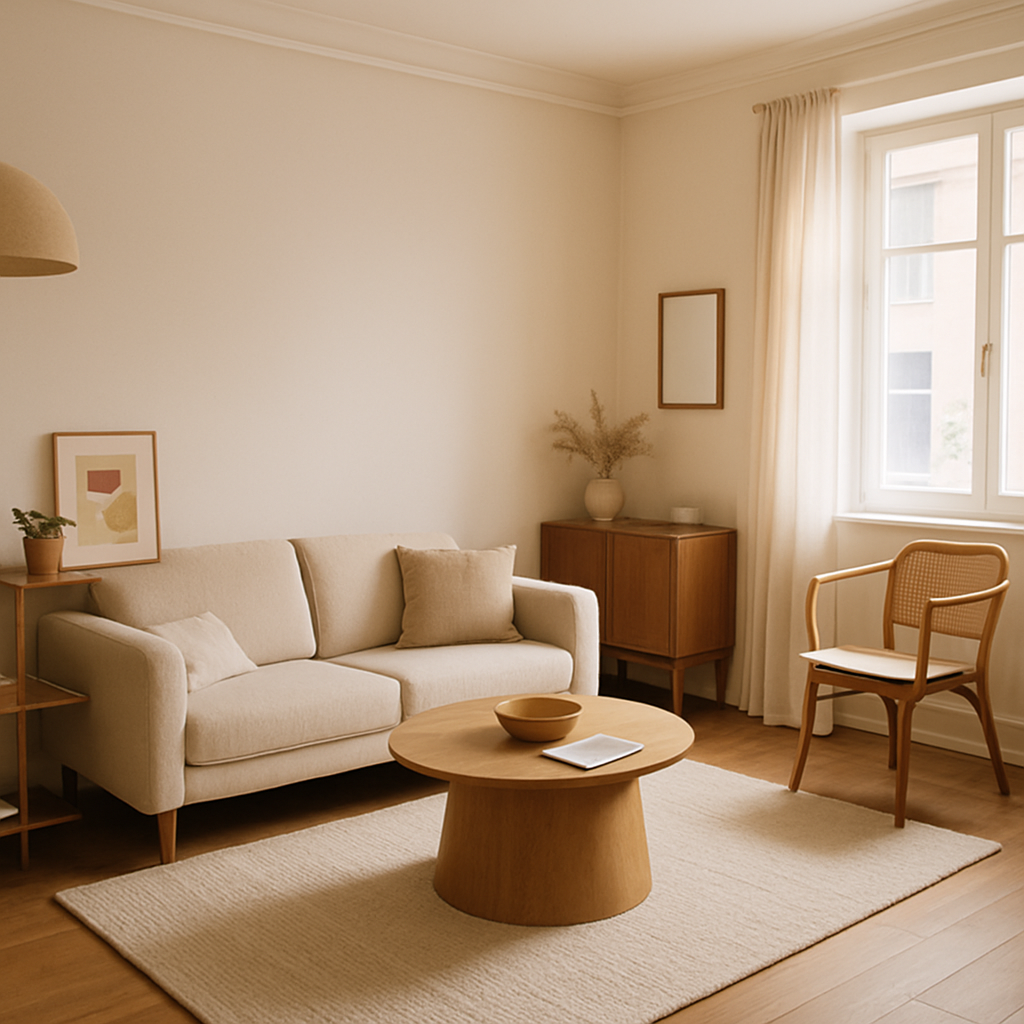
Imagine walking into a tiny apartment that feels spacious, inviting, and functional. How is this possible? According to the American Society of Interior Designers (ASID), strategic design can transform small areas into highly efficient living spaces. This article delves into creative home interior design ideas that maximize small spaces, providing practical solutions and expert insights. We'll explore foundational design principles, analyze industry data, and offer actionable strategies to help you reimagine your home. Whether you're working with a studio apartment or a compact house, these insights will empower you to create a space that feels both expansive and personal.
Understanding the Foundations of Small Space Design
At the heart of maximizing small spaces lies the principle of multi-functionality. When every square foot counts, each item in your home should serve more than one purpose. Consider a sofa that converts into a bed or a dining table that doubles as a workspace. According to the National Council for Interior Design Qualification (NCIDQ), leveraging multi-functional furniture not only conserves space but also enhances the room's utility. This foundational concept is key to designing rooms that are both practical and stylish.
Another essential aspect is the use of vertical space. Often overlooked, walls can be a game-changer in small areas. Installing shelves or using tall bookcases draws the eye upward, creating the illusion of height and openness. This strategy, widely endorsed by the International Interior Design Association (IIDA), allows for additional storage without occupying precious floor space. It's a simple yet effective way to keep the room organized and visually appealing.
Lighting also plays a critical role in small space design. Natural light is ideal, but if it's limited, strategically placed mirrors can amplify the available light. Mirrors reflect light and give the impression of a larger space. Designers often use this trick in compact settings to create a sense of depth and openness. Understanding these foundational concepts sets the stage for more advanced strategies in small space optimization.
Analyzing Data: What the Numbers Say About Small Spaces
The design industry's focus on small space efficiency is backed by compelling data. According to a survey by Houzz, nearly 87% of homeowners who redesigned small spaces reported increased satisfaction with their home's functionality. This statistic underscores the importance of thoughtful design in enhancing everyday living experiences. It suggests that even minor changes can have significant impacts on how a space is perceived and used.
Furthermore, research from Architectural Digest indicates that well-designed small spaces can add as much as 5-15% to a home's resale value. This data highlights not only the aesthetic but also the financial benefits of investing in small space design. Buyers increasingly appreciate the efficiency and creativity required to make compact areas livable and attractive. This trend reflects a growing market for homes that maximize their interior potential.
These findings are supported by anecdotal evidence from industry professionals. Experienced designers often note that clients feel more at ease in spaces that are efficiently organized and visually pleasing. The psychological impact of a well-designed environment should not be underestimated, as it significantly contributes to the overall quality of life. Understanding these data points provides a solid foundation for implementing practical design strategies.
Actionable Strategies for Maximizing Small Spaces
Ready to transform your small space? Start by decluttering. Removing unnecessary items can instantly make a room feel larger. A minimalist approach, inspired by the Japandi trend-which combines Japanese minimalism with Scandinavian functionality-can be particularly effective. This style emphasizes simplicity and natural materials, creating a serene and spacious atmosphere.
Next, consider furniture with built-in storage. A bed with drawers underneath or a coffee table with hidden compartments can significantly increase your storage capacity without adding clutter. This strategy not only saves space but also keeps your environment tidy and organized. When every piece of furniture serves a dual purpose, you maximize the utility of your space.
Finally, embrace smart home technology. Automated lighting, climate control, and even window treatments can be managed through apps, reducing the need for physical switches and controls. Smart integration not only enhances convenience but also contributes to a sleek, modern aesthetic. These technologies are becoming increasingly accessible and offer practical solutions for small space dwellers. By implementing these strategies, you can create a home that feels both spacious and efficient.
Expert-Level Insights for Small Space Design
Experienced professionals often recommend embracing biophilic design-integrating natural elements like plants and wooden textures into interiors. This approach not only enhances the aesthetic appeal but also promotes well-being by connecting inhabitants with nature. Living walls, for example, are a popular feature in small spaces, providing greenery without compromising on floor area.
For those seeking a touch of luxury, the trend of quiet luxury-characterized by understated elegance and high-quality materials-can be adapted to smaller interiors. Select a few signature pieces that exude quality and craftsmanship to elevate your space. This focus on quality over quantity ensures that each element in your space contributes to its overall harmony and style.
Additionally, AR/VR room visualization tools are gaining traction among designers and homeowners alike. These technologies allow you to experiment with different layouts and designs before committing. By visualizing changes in a virtual environment, you can make more informed decisions, ensuring that every adjustment enhances your small space. Incorporating expert-level insights can significantly refine your approach to interior design.
Additional Depth: The Role of Color and Texture
When it comes to small spaces, color and texture play a pivotal role in shaping the perception of size. Light colors, such as whites, creams, and pastels, reflect light, making spaces feel larger and more open. However, don't shy away from bold accents. A strategically placed dark wall or vibrant piece of art can add depth and character, drawing the eye and creating a focal point.
Textures add another layer of interest and can help in defining different zones within a small area. Consider using rugs, throws, and cushions to add warmth and personality to your space. These elements can help demarcate areas for different activities, such as a reading nook or a dining spot, without the need for physical dividers.
Furthermore, mixing textures keeps a space from feeling flat or monotonous. Combine smooth surfaces with rough textures, such as a sleek metal lamp on a rustic wooden table, to create visual interest. These techniques demonstrate how color and texture can be powerful tools in enhancing small space design.
Final Perspectives on Small Space Living
Living in small spaces requires a blend of creativity and practicality. It's about making the most of what you have while maintaining a sense of style and comfort. By embracing the principles of multi-functionality, strategic use of color and texture, and the latest in smart home technology, you can turn even the smallest apartment into a stylish sanctuary.
It's important to remember that small spaces offer unique opportunities for innovation. Each design choice is a chance to express your personality and lifestyle. How will you make your space uniquely yours? Whether through bold color choices or innovative furniture solutions, the possibilities are as limitless as your imagination.
Conclusion: Take the First Step Toward a Stunning Small Space
In summary, maximizing small spaces is about more than just saving inches-it's about creating a home that reflects your personality and meets your needs. By applying the strategies discussed, from decluttering and smart technology integration to color and texture use, you can transform any compact area into a functional and fashionable environment. Are you ready to start your small space transformation? Begin by browsing designer portfolios on platforms like Houzz this week-just 20 minutes of research can inspire new ideas and help you visualize your ideal space.


Comments
Post a Comment