The Top 5 Reasons to Hire an Interior Design Company for Your Next Project
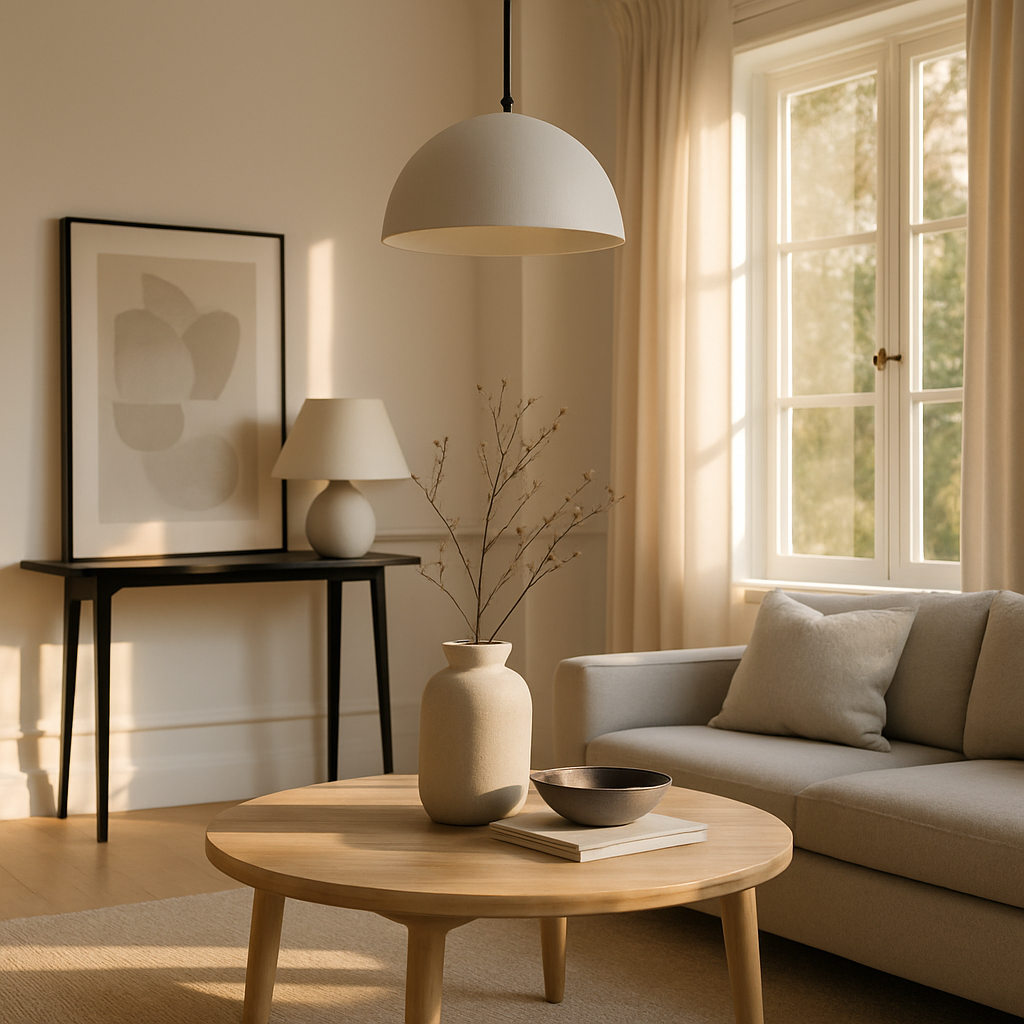
You have stared at the same room for months, maybe longer, knowing it could be so much more but unsure how to get there. The paint swatches taped to the wall have been there so long they have started to curl at the edges, and the furniture arrangement that was supposed to be temporary has become permanent by default. If this sounds familiar, you are not alone. Millions of homeowners find themselves stuck between wanting a beautiful, functional home and the overwhelming complexity of making it happen. Hiring an interior design company is the bridge between that frustration and a home that genuinely works for you. But beyond the obvious aesthetic benefits, there are deeply practical reasons why engaging a professional firm is one of the smartest investments you can make. From saving you money in ways you would never anticipate to protecting your wellbeing through evidence-based design principles, the value proposition extends far beyond making rooms look pretty. Here are the top five reasons why your next project deserves professional design expertise.
Reason One: Professional Space Planning Transforms How You Live
Space planning is the invisible architecture of interior design, and it is arguably the single most impactful service a design company provides. While most homeowners focus on aesthetics when they think about design, professionals know that how a room is organized determines whether it functions well or creates daily friction. A skilled space planner considers traffic flow patterns, sight lines from key positions, the relationship between activity zones, and how natural and artificial light interact with the layout throughout the day. These considerations affect everything from how comfortable a conversation feels in your living room to whether your kitchen actually supports the way you cook and entertain.
The American Society of Interior Designers (ASID) has published research showing that professionally planned spaces result in measurably higher occupant satisfaction compared to self-designed layouts. This is not surprising when you consider that design professionals study spatial relationships, ergonomics, and human behavioral patterns as core components of their training. A designer holding NCIDQ certification has demonstrated competency in these technical aspects through rigorous examination, ensuring that their space plans are grounded in established principles rather than personal taste alone. The difference between a room that feels right and one that feels slightly off almost always comes down to spatial planning decisions that are invisible to the untrained eye.
Consider how biophilic design principles can be woven into space planning to create rooms that actively support your physical and mental health. Positioning seating areas to maximize views of natural greenery, orienting workspaces to receive optimal daylight, and creating clear visual connections between indoor and outdoor environments are all spatial planning decisions with documented wellness benefits. A design company brings the knowledge to implement these principles strategically, ensuring that the layout of your home does not just look good but actively contributes to your quality of life. How many hours do you spend each day in rooms that could be working harder to support your comfort, productivity, and relaxation? The answer to that question reveals the true value of professional space planning.
Reason Two: Access to Trade Resources Saves Money and Expands Options
One of the least understood advantages of hiring an interior design company is the access it provides to trade-only resources that are completely unavailable to retail consumers. The design industry operates on a two-tier system where manufacturers, showrooms, and artisans offer their best products, pricing, and customization options exclusively to credentialed professionals. When you hire a design company, their trade accounts become your gateway to this world. This includes furniture lines that do not sell to the public, fabric houses with thousands of textile options you will never see in a retail store, and custom fabrication workshops that only accept projects through design professionals.
The financial implications of trade access are substantial. Design companies typically receive trade discounts ranging from 20 to 50 percent off retail pricing, and while they do apply a markup to cover their procurement services, the net cost to clients is often still below what they would pay buying at retail. According to data compiled by Houzz from their annual kitchen and bathroom surveys, homeowners who worked with design professionals reported that their overall spending on furnishings was comparable to DIY budgets but resulted in significantly higher quality selections. In other words, the professional's trade access allows you to get better materials and furnishings for a similar investment, rather than settling for mass-market alternatives that may not deliver the longevity or craftsmanship you want.
Beyond pricing, trade access opens up customization possibilities that simply do not exist in the retail world. Want a sofa in a specific dimension that fits your awkward alcove, upholstered in a particular fabric from a different manufacturer, with a cushion firmness calibrated to your preference? A design company can make that happen through their trade relationships. Want handmade ceramic tiles in a custom glaze that matches the natural stone in your fireplace surround? Their network includes artisan workshops that specialize in exactly this kind of bespoke production. This level of customization is what creates the sense that a professionally designed home was made specifically for you, because in many cases, it literally was.
Reason Three: Expert Project Management Protects Your Time and Sanity
Anyone who has managed a home renovation without professional help can attest to the sheer volume of decisions, logistics, and unexpected problems that consume your time and mental energy. Coordinating contractors, tracking material deliveries, managing construction schedules, and resolving the inevitable conflicts between different trades is essentially a full-time job. An interior design company assigns a dedicated project manager to handle this complexity on your behalf, allowing you to maintain your normal routine while your home is being transformed. This is not a luxury but a practical necessity for anyone who values their time and wants to avoid the burnout that derails so many self-managed renovation projects.
Professional project management also provides financial protection through structured oversight and accountability. Design companies establish detailed project timelines with milestones, hold contractors to negotiated schedules and specifications, and catch quality issues before they become expensive problems to fix. The International Interior Design Association (IIDA) recommends that clients request a detailed project management plan as part of any design proposal, including communication protocols, site visit schedules, and procedures for handling change orders. This level of structure prevents the budget creep that plagues unmanaged projects, where small decisions accumulate into significant cost overruns because no one is tracking the financial impact of each change in real time.
The stress reduction factor of professional project management should not be underestimated. Home renovations consistently rank among the most stressful life experiences, often straining relationships and disrupting household stability. When a design company manages the process, they absorb the friction of dealing with delayed shipments, contractor scheduling conflicts, and the hundred small problems that arise during any construction project. You receive progress updates and are consulted on important decisions, but the daily problem-solving burden falls on professionals who have handled these situations hundreds of times before. What would you do with the mental energy you currently spend worrying about your home project if someone else were managing those details for you?
Reason Four: Design Expertise Prevents Costly Mistakes
The cost of design mistakes in a home renovation can be staggering, and they often are not apparent until significant money has already been spent. Choosing the wrong countertop material for a heavy-use kitchen, selecting flooring that cannot handle moisture in a bathroom adjacent to a shower, or investing in furniture that is the wrong scale for a room are all common errors that result in replacement costs, buyer's remorse, and wasted time. An interior design company brings expertise that prevents these mistakes before they happen, drawing on years of experience with materials, construction methods, and the practical realities of residential living.
Material expertise alone can save thousands of dollars over the life of a project. A professional designer knows which natural stones are porous and require ongoing sealing, which engineered surfaces resist heat and scratching, and which wood species are appropriate for high-traffic areas versus decorative applications. They understand how different materials age, how they respond to humidity and temperature changes, and how maintenance requirements vary across options that may look similar in a showroom but perform very differently in a real home. Statistics from industry surveys indicate that homeowners who skip professional guidance spend an average of 20% more on corrections and replacements within the first three years compared to those who invest in professional design from the start.
Design expertise also extends to understanding building codes, accessibility requirements, and structural implications that homeowners may overlook. Moving a wall, adding a bathroom, or changing the location of kitchen plumbing all have regulatory and structural dimensions that must be addressed correctly the first time. Design companies work within these constraints daily and collaborate with architects and engineers when structural questions arise. They also stay current with evolving building standards and material certifications, ensuring that your project meets or exceeds all applicable requirements. The cost of fixing code violations or structural problems after construction is dramatically higher than getting the design right from the beginning, making professional expertise a genuine financial safeguard.
Reason Five: A Professional Design Company Creates Cohesive, Lasting Results
Perhaps the most visible reason to hire an interior design company is the cohesive, polished result that distinguishes a professionally designed home from one that was assembled incrementally over time. Cohesion does not mean uniformity or rigidity. It means that every room in your home feels like it belongs to the same family, with consistent underlying principles of color, material, proportion, and mood that create a unified experience as you move through the spaces. This narrative quality is difficult to achieve without professional guidance because it requires seeing the home as a whole rather than as a collection of individual rooms.
The quiet luxury aesthetic that has become increasingly influential in residential design exemplifies why professional cohesion matters. This approach relies on subtle material quality, restrained color palettes, and meticulous attention to proportion and detail. Without a trained eye managing these relationships across multiple rooms, the result can easily tip from quiet sophistication into bland monotony or, conversely, into disconnected rooms that each try too hard to make an independent statement. A design company maintains the delicate balance between consistency and variety, ensuring that each space has its own character while contributing to a larger whole. AD PRO has noted that the most successful residential projects in recent portfolios share this quality of effortless cohesion, where the design feels inevitable rather than assembled.
Lasting results also depend on making choices that transcend short-lived trends while remaining contemporary and fresh. An experienced design company understands the difference between foundational design decisions that should prioritize timelessness and surface-level elements where current trends can be embraced safely. Architectural features, built-in cabinetry, plumbing fixtures, and flooring should generally favor enduring quality and classic proportions. Accessories, textiles, paint colors, and decorative lighting can reflect current movements like Japandi or biophilic design without risking the long-term relevance of the overall space. This layered approach to trend integration is a skill that comes from years of professional practice and from observing how design decisions age across dozens of completed projects. Does your current home reflect a cohesive vision, or has it evolved into a patchwork of disconnected decisions made at different times? A design company can help you see and correct that pattern.
How to Prepare for Your First Meeting with a Design Company
Now that you understand the compelling reasons to hire a design company, the next step is preparing for your initial consultation to make the most of that meeting. Begin by documenting your goals for the project in writing. What rooms are included? What problems are you trying to solve? What is your realistic budget range? Having these answers written down before the meeting prevents the scattered conversations that waste valuable consultation time and ensures that the design team has the information they need to assess whether the project is a good fit. Bring photographs of spaces you admire, but also bring images of your current rooms so the designer can see the starting point and understand the scale of transformation you are envisioning.
Research the companies on your shortlist before the consultation. Review their portfolios on their websites and on platforms like Houzz, read client reviews, and check their professional credentials. Are the principals certified through NCIDQ? Is the firm a member of ASID or IIDA? These affiliations indicate a commitment to professional standards, continuing education, and ethical business practices. Prepare specific questions to ask during the meeting, including their typical project timeline for a scope similar to yours, how they structure their fees, how many projects they manage concurrently, and who on the team would be your primary contact throughout the project.
Finally, approach the consultation with openness and honesty. Be transparent about your budget, your timeline expectations, and any concerns you have about the process. If you have had a negative experience with a contractor or designer in the past, share that context so the company understands your sensitivities and can address them proactively. The best professional relationships begin with candid communication and mutual respect. A design company that listens carefully, asks thoughtful questions, and responds honestly about what is achievable within your parameters is signaling exactly the kind of partnership that produces exceptional results. Trust that process, invest in it fully, and prepare to be genuinely surprised by what your home can become.
Balancing Current Trends with Timeless Design Principles
One of the greatest advantages of working with an experienced design company is their ability to help you navigate the tension between current trends and timeless design. The design world moves quickly, with new styles and influences emerging constantly through social media, trade shows, and shelter publications. Without professional guidance, it is easy to chase trends that feel exciting in the moment but lose their appeal within a few seasons, leaving you with expensive choices that feel dated. A design company brings the perspective to identify which trends have genuine staying power and which are better enjoyed through temporary, easily updated elements.
Smart home integration represents a trend category that sits firmly on the timeless side of this spectrum. The infrastructure for automated lighting, climate control, security, and entertainment systems adds lasting functionality and value to your home. A design company with experience in technology integration ensures that these systems are planned into the architecture of your spaces from the beginning, with proper wiring, control panel placement, and device concealment that maintains the aesthetic integrity of the design. The key is distinguishing between the technology infrastructure, which should be robust and future-proof, and the specific devices and interfaces, which will evolve and be replaced over time.
Japandi design offers another instructive example of a trend-meets-timelessness dynamic. Its core principles of natural materials, functional simplicity, and handcrafted quality are rooted in design traditions that have endured for centuries in both Japanese and Scandinavian cultures. A design company can incorporate these principles as foundational elements of your home without committing to a rigid stylistic label that may feel constraining as your tastes evolve. This nuanced approach to trend integration is one of the most valuable forms of guidance a professional firm provides. They help you build a home that feels contemporary and relevant without being enslaved to any single trend, creating spaces that will continue to feel fresh and personal for years to come. What elements of current design movements genuinely resonate with how you want to live, rather than just how you want your home to look?
Conclusion
The decision to hire an interior design company is ultimately a decision about how you want to invest in your quality of life. Professional space planning, trade access, expert project management, design expertise that prevents costly mistakes, and the creation of cohesive, lasting interiors are not abstract benefits but tangible advantages that affect your daily experience of home. The financial investment in professional design consistently proves its value through smarter material choices, avoided mistakes, trade-level pricing, and results that endure rather than requiring premature replacement or renovation. Beyond the practical returns, there is the irreplaceable experience of living in spaces that were thoughtfully designed to support your specific lifestyle, reflect your personality, and bring genuine comfort and satisfaction to every day. If you have been contemplating a design project, take the first step by scheduling consultations with two or three companies whose work resonates with you. Prepare your questions, be honest about your budget and goals, and approach the process with the confidence that professional design is not an extravagance but one of the most rewarding investments you can make in your home and your life.
More Articles You May Like



Comments
Post a Comment