The Ultimate Guide to Hiring an Interior Designer for Your Dream Home
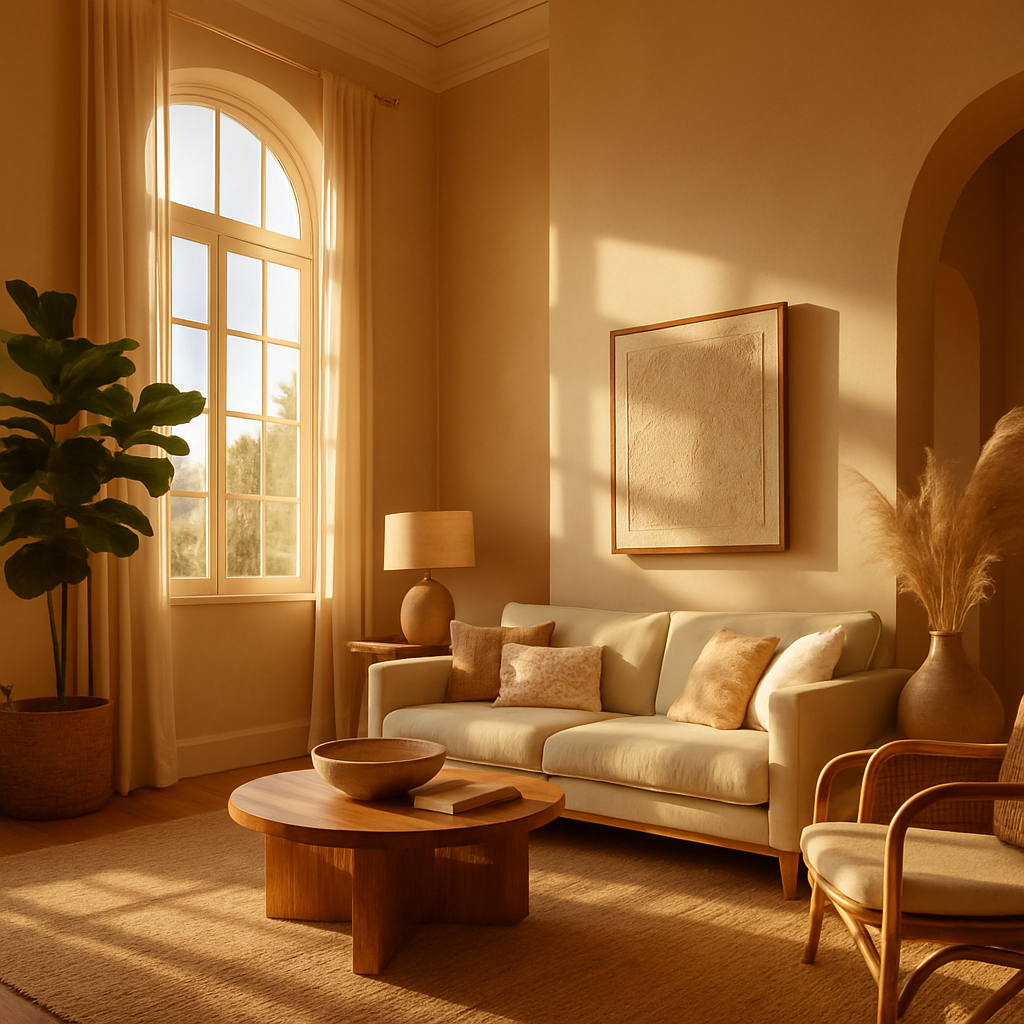
Have you ever walked into a beautifully designed room and wondered how everything came together so perfectly? According to the American Society of Interior Designers (ASID), 68% of homeowners who have hired a professional designer reported higher satisfaction with their home projects. Whether you're looking to transform a single room or your entire home, hiring an interior designer can elevate your space to new heights. This guide will walk you through the essentials of hiring an interior designer, from understanding their role to implementing the latest design trends. By the end, you'll be equipped with the knowledge to make informed decisions that align with your vision and budget.
Understanding the Role of an Interior Designer
When considering the transformation of your living space, understanding the role of an interior designer is crucial. Unlike decorators, who primarily focus on aesthetics, certified interior designers possess a more comprehensive skill set. They are trained in space planning, building codes, and project management, often holding credentials such as the NCIDQ (National Council for Interior Design Qualification). This certification ensures that they meet high standards of practice, covering everything from safety regulations to advanced design concepts.
Interior designers work closely with architects and contractors during renovations to ensure that the design vision is feasible and aligns with structural parameters. This collaboration is vital in large-scale projects where architectural changes are involved, such as moving walls or installing new lighting systems. Their expertise in both the artistic and technical aspects of design allows them to create spaces that are not only beautiful but also functional and safe.
Moreover, interior designers are adept at managing the entire design process, from concept development to installation. They handle procurement, often securing trade discounts on furnishings and materials, and oversee the logistics to ensure that projects are completed on time and within budget. By leveraging their industry connections, they can access exclusive resources that might not be available to the general public. Understanding this multifaceted role will help you appreciate the value an interior designer brings to your project.
The Financial Implications of Hiring an Interior Designer
One of the foremost considerations when hiring an interior designer is the financial aspect. The cost of hiring a designer can vary significantly based on their experience, the scope of the project, and the fee structure they employ. Typically, designers charge either a flat fee, an hourly rate, or a percentage of the total project cost. Hourly rates can range from $150 to $500, depending on the designer's reputation and location. For larger projects, a percentage fee of 10% to 25% of the total project cost is common.
According to Houzz's annual survey, homeowners spend an average of $5,000 to $15,000 for a single-room redesign and can invest upwards of $50,000 to $150,000 for a full-home project. While these figures may seem daunting, it's important to consider the potential return on investment. Studies suggest that well-designed interiors can increase a home's resale value by 5% to 15%. This financial upside makes hiring a designer a strategic investment rather than a mere expense.
It's also worth noting that designers often have access to exclusive discounts on furniture and materials, which can help offset some of their fees. By managing procurement and leveraging these savings, they can provide high-quality results that align with your budget. As you weigh the financial implications, consider what value you place on professional expertise and the long-term benefits of a thoughtfully designed home.
Actionable Steps for Hiring the Right Designer
Navigating the process of hiring an interior designer can be daunting, but with a clear strategy, you can find the right professional to bring your vision to life. Start by defining your style preferences and project goals. Are you drawn to the clean lines of Japandi, or do you prefer the lush textures of biophilic design? Understanding your aesthetic will help you communicate effectively with potential designers.
Next, conduct thorough research to compile a list of candidates. Platforms like Houzz and Instagram are excellent resources for finding designers whose portfolios align with your style. Additionally, check directories from professional organizations such as ASID or IIDA (International Interior Design Association) to ensure the designers are credentialed and experienced. Remember, the right designer should not only have a strong portfolio but also a work ethic and communication style that resonate with you.
Once you've shortlisted a few candidates, schedule consultations to discuss your project in detail. Prepare questions about their design process, past projects, and fee structure. Does their vision align with yours? How do they handle challenges? These meetings are an opportunity to gauge their professionalism and compatibility with your project. By taking these actionable steps, you can confidently select a designer who will transform your home into a space that reflects your unique personality.
Leveraging Design Trends for a Modern Home
Incorporating contemporary design trends is a surefire way to enhance the appeal and functionality of your home. In 2026, several trends are shaping the interior design landscape, offering fresh ideas for homeowners. One such trend is biophilic design, which emphasizes a connection to nature through natural materials, living walls, and an indoor-outdoor flow. This approach not only enhances aesthetics but also promotes well-being by integrating natural elements into daily life.
Quiet luxury is another rising trend, characterized by understated elegance and high-quality materials. This style focuses on creating a serene and sophisticated environment with a muted color palette and refined textures. For tech enthusiasts, smart home integration is becoming increasingly popular. From automated lighting systems to climate control and window treatments, technology is seamlessly blending with interior design to offer convenience and efficiency.
Finally, sustainable and reclaimed materials are gaining traction as more homeowners seek eco-friendly options. Designers are creatively incorporating recycled wood, stone, and fabrics to minimize environmental impact while maintaining style. By leveraging these trends, you can create a modern, inviting home that reflects both current styles and your personal taste. Discussing these trends with your designer will ensure your project stays relevant and innovative.
Understanding the Design Process
The design process is a collaborative journey between you and your interior designer, consisting of several distinct phases. Initially, you'll engage in concept development, where ideas are brainstormed, and a cohesive vision for the project is established. During this phase, you and your designer will discuss your preferences, lifestyle needs, and budget to create a blueprint that aligns with your goals.
Following the conceptual stage, the design presentation phase begins. Here, your designer will present detailed plans, material samples, and mood boards to illustrate the proposed design. It's essential to provide feedback and ask questions to ensure the design meets your expectations. This phase often involves several rounds of revisions to refine the concept further.
Once the design is finalized, the procurement and installation phases commence. Your designer will coordinate the ordering of materials, furnishings, and other elements, managing timelines and logistics to ensure everything arrives on schedule. The installation phase brings the design to life, with the designer overseeing the arrangement and styling to ensure a polished finish. Understanding these phases will help you anticipate the project's progression and maintain open communication with your designer.
Final Considerations for a Successful Design Project
As you embark on your interior design journey, it's crucial to keep a few final considerations in mind. Open and ongoing communication with your designer is key to a successful project. Regular updates, site visits, and progress meetings will help maintain alignment and address any issues that arise promptly. Are you comfortable voicing concerns or suggesting changes? Ensuring you have a good rapport with your designer will facilitate a smoother collaboration.
Additionally, flexibility is important in managing expectations and adapting to unforeseen circumstances. Design projects can be complex, with variables like supply chain delays or budget adjustments potentially impacting timelines. By maintaining a flexible mindset, you can work collaboratively with your designer to find solutions and keep the project on track.
Finally, trust the expertise of your designer. While it's natural to have personal preferences, experienced professionals often note that trusting their vision and recommendations can lead to outcomes that exceed initial expectations. Their industry knowledge and creative insights can guide you toward innovative solutions you might not have considered. With these considerations in place, you're well on your way to achieving a design project that reflects your aspirations and enhances your living space.
Conclusion: Taking the Next Steps
In conclusion, hiring an interior designer for your dream home is a strategic decision that can significantly enhance your living environment. By understanding the designer's role, financial implications, and design trends, you are better equipped to embark on this transformative journey. Reflect on the actionable steps discussed, and begin by researching potential designers whose work resonates with you. Engage in meaningful consultations to ensure a strong partnership that aligns with your vision and budget.
Ready to start this exciting endeavor? Begin by browsing portfolios on Houzz or Instagram this week. Even dedicating 20 minutes to research can sharpen your eye for design and clarify your preferences. By taking this first step, you'll be moving closer to creating a space that not only meets your functional needs but also reflects your personal style. Your dream home awaits-take the leap and transform your space into a stunning retreat.



Comments
Post a Comment