The Future of Interior Design Jobs: Emerging Trends and Opportunities
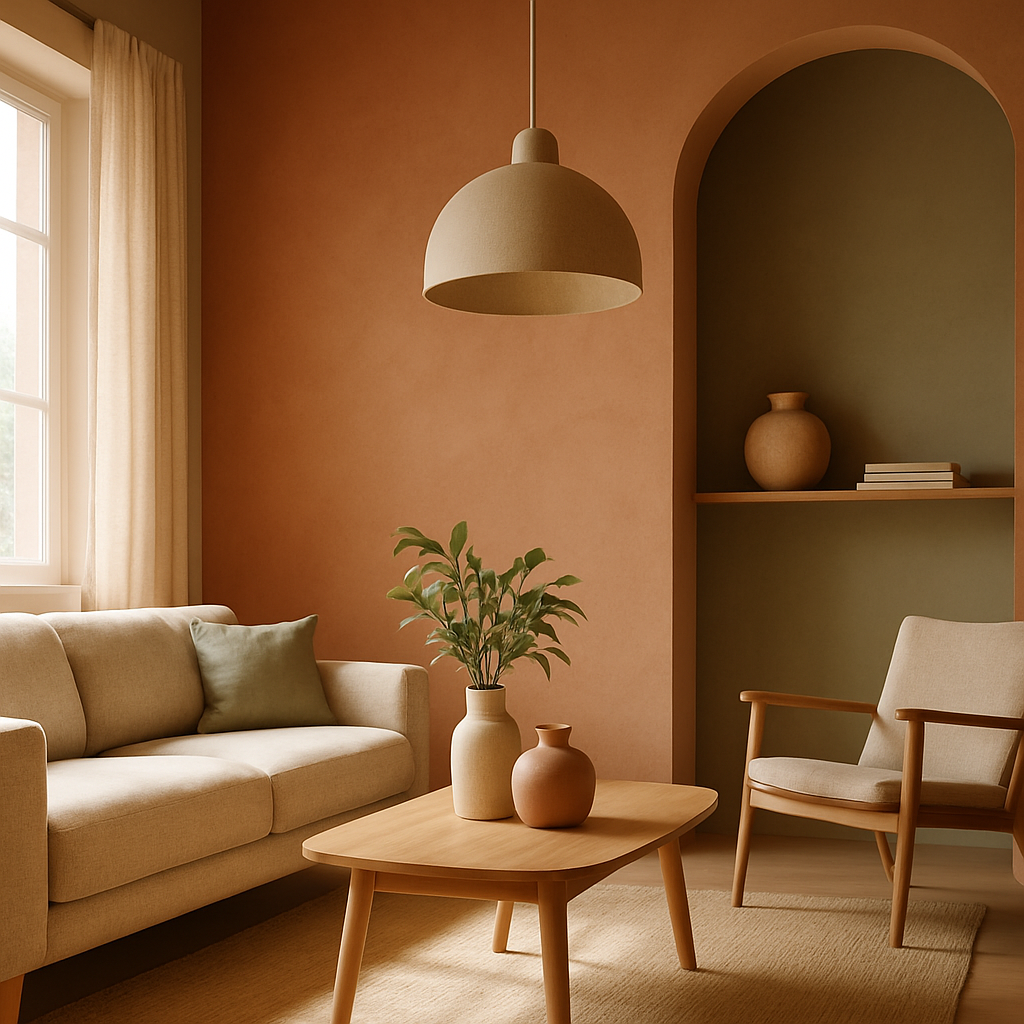
The interior design profession stands at an extraordinary crossroads. What was once a field defined primarily by selecting color palettes and arranging furniture has evolved into a multidisciplinary powerhouse that touches technology, sustainability, wellness, and human psychology. For aspiring designers and seasoned professionals alike, the landscape of opportunity has never been more expansive or more demanding. The transformation is not merely cosmetic; it reflects fundamental shifts in how people live, work, and interact with their built environments. According to the Bureau of Labor Statistics, employment of interior designers is projected to grow faster than average across all occupations, driven by demand for sustainable spaces, aging-in-place solutions, and commercial wellness environments. Whether you are considering a career pivot or looking to future-proof your existing practice, understanding where the profession is headed will give you a decisive competitive advantage. Have you considered which emerging specialization might align with your passions and strengths?
Biophilic Design Specialists Are in High Demand
Biophilic design has moved from a niche academic concept to one of the most sought-after specializations in the industry. Organizations like the American Society of Interior Designers (ASID) have published extensive research demonstrating that spaces incorporating natural elements reduce occupant stress by up to 37 percent and boost cognitive function measurably. Employers across the corporate, hospitality, and healthcare sectors are now actively seeking designers who can integrate living walls, water features, natural light optimization, and organic material palettes into functional environments. The demand is not simply aesthetic; it is rooted in hard data about productivity, employee retention, and patient recovery outcomes. Forward-thinking firms recognize that biophilic design expertise commands premium billing rates, often in the range of $200 to $400 per hour for specialized consultation. This specialization rewards designers who combine botanical knowledge with spatial planning and environmental psychology.
The career pathways within biophilic design are remarkably diverse. Some professionals focus exclusively on interior plantscaping and living wall systems, working closely with horticultural engineers to create self-sustaining green installations inside office towers and hospitals. Others specialize in daylighting strategies, using computational modeling tools to maximize natural light penetration while minimizing glare and thermal gain. A growing number of biophilic designers are finding opportunities in residential wellness retreats and luxury hospitality properties, where guests expect immersive nature experiences without sacrificing modern comfort. The International Interior Design Association (IIDA) has noted a significant increase in continuing education programs specifically addressing biophilic principles, indicating strong institutional recognition of this career track. Designers who invest in certifications related to WELL Building Standards and Living Building Challenge position themselves at the intersection of wellness and sustainability.
What makes biophilic design particularly promising as a career path is its applicability across virtually every project type. Senior living facilities are incorporating nature-connected spaces to support cognitive health in residents with dementia. Schools are redesigning classrooms with natural textures, daylight, and views of greenery to improve student attention and academic performance. Even data centers and industrial facilities are beginning to integrate biophilic elements in break rooms and collaborative areas to support worker wellbeing. The evidence base continues to grow, making it increasingly difficult for clients to dismiss biophilic design as merely decorative. For designers who enjoy bridging science and creativity, this specialization offers both intellectual satisfaction and strong earning potential. The question is not whether biophilic design will remain relevant, but how quickly you can develop the expertise to meet surging demand.
Smart Home Integration Creates New Design Roles
The proliferation of connected home technology has created an entirely new category of interior design professional: the smart home integration specialist. These designers go far beyond selecting attractive light fixtures or recommending speaker placements. They architect comprehensive ecosystems where lighting, climate control, security, entertainment, window treatments, and even kitchen appliances communicate seamlessly through unified platforms. The role demands fluency in both design aesthetics and technology architecture, a combination that remains rare and therefore highly compensated. Clients investing in smart home systems routinely spend between $50,000 and $300,000 on residential technology integration, and they expect their interior designer to ensure that every sensor, panel, and actuator disappears elegantly into the design scheme. Professionals who master this intersection can command consultation fees of $300 to $500 per hour.
The technical knowledge required for smart home design extends well beyond consumer familiarity with voice assistants. Designers in this space must understand network infrastructure, including the placement of access points, the routing of low-voltage wiring, and the selection of communication protocols such as Zigbee, Z-Wave, and Matter. They need to collaborate closely with electricians, AV installers, and software developers, serving as the creative director who ensures technology serves the spatial narrative rather than disrupting it. Houzz research indicates that more than 60 percent of homeowners undertaking major renovations now prioritize some level of smart home integration, yet fewer than 15 percent of interior designers feel confident specifying and coordinating these systems. That gap represents an enormous opportunity for designers willing to invest in technical education. Industry certifications from organizations such as CEDIA provide structured pathways for building this competency.
Looking ahead, the convergence of artificial intelligence with interior environments will further expand these roles. Adaptive lighting systems that respond to circadian rhythms, climate systems that learn occupant preferences, and even furniture configurations that adjust automatically based on usage patterns are moving from prototype to production. Interior designers who understand these technologies will serve as essential translators between engineering teams and end users, ensuring that intelligent environments feel intuitive and welcoming rather than clinical or intrusive. The residential sector is leading adoption, but commercial applications in hospitality, coworking spaces, and healthcare are following rapidly. Designers who position themselves now as smart environment specialists will find themselves at the center of a transformation that is only accelerating.
Sustainability Credentials Open Premium Market Segments
Sustainability is no longer an optional add-on in interior design; it has become a baseline expectation among educated clients and a regulatory requirement in an increasing number of jurisdictions. Designers who hold credentials such as LEED AP, WELL AP, or Living Future Accreditation access project types and client segments that remain closed to generalists. The National Council for Interior Design Qualification (NCIDQ) has integrated sustainability competencies into its examination framework, signaling that the profession considers environmental responsibility a core skill rather than a specialization. Corporate clients in particular are driving demand, as ESG reporting requirements compel organizations to document the environmental performance of their facilities, including interior finishes, furniture sourcing, and energy consumption patterns.
The business case for sustainability expertise is compelling. Projects pursuing LEED or WELL certification typically carry higher overall budgets and longer engagement timelines, translating to greater revenue per project for the design team. Material specification alone has become dramatically more complex, as designers must evaluate lifecycle impacts, chemical compositions, recyclability, and supply chain ethics for every finish, fabric, and adhesive they select. Firms that can navigate this complexity efficiently differentiate themselves in competitive proposals. The rise of circular economy principles in design, where materials are selected for eventual disassembly and reuse, adds another layer of expertise that clients are willing to pay premium rates to access. According to the World Green Building Council, green building materials represent one of the fastest-growing segments in the construction industry.
For individual designers, sustainability credentials also open doors to thought leadership and public visibility. Speaking engagements at industry conferences such as NeoCon and the ASID National Conference increasingly prioritize sustainability topics. Publications like Architectural Digest and AD PRO feature sustainable design projects prominently, providing marketing exposure that money cannot buy. Designers who build genuine expertise in sustainable material innovation, carbon-neutral interior strategies, and regenerative design principles find themselves invited into conversations with architects, developers, and policymakers that expand their professional networks and influence far beyond traditional interior design boundaries. Have you explored which sustainability certification best aligns with your current practice and client base?
Wellness Design Transforms Healthcare and Corporate Spaces
The intersection of interior design and human wellness has matured from a marketing buzzword into a rigorous professional discipline. Evidence-based design, which applies research findings from environmental psychology and neuroscience to spatial decisions, is now standard practice in healthcare facility design and increasingly expected in corporate workplace projects. Designers specializing in wellness environments understand how color temperature, acoustic conditions, air quality, spatial proportions, and material textures affect physiological and psychological outcomes. This knowledge enables them to create environments that measurably reduce anxiety in hospital patients, improve focus in office workers, and support recovery in rehabilitation facilities. The WELL Building Standard, administered by the International WELL Building Institute, provides a comprehensive framework that wellness-focused designers use to structure their approach.
Corporate wellness design has become a particularly active market segment. As organizations compete for talent in a tight labor market, the physical workplace has become a strategic asset rather than an overhead cost. Companies are investing heavily in offices that feature quiet zones for deep concentration, biophilic elements for stress recovery, ergonomic flexibility for physical comfort, and sensory-balanced environments that accommodate neurodivergent employees. Interior designers who can articulate the return on investment of these interventions, citing metrics such as reduced absenteeism, improved employee satisfaction scores, and lower healthcare costs, position themselves as strategic consultants rather than decorators. Billing rates for wellness design consultation in the corporate sector frequently range from $250 to $450 per hour, reflecting the specialized knowledge and measurable outcomes involved.
The healthcare sector presents equally robust opportunities. Hospital systems are undertaking massive renovation programs to convert sterile, institutional environments into healing spaces that support patient recovery and staff wellbeing simultaneously. Research published in peer-reviewed journals consistently demonstrates that thoughtful interior design, including appropriate lighting, noise reduction, access to nature views, and wayfinding clarity, correlates with shorter hospital stays and reduced medication requirements. Designers who specialize in healthcare environments must navigate complex regulatory requirements, infection control protocols, and accessibility standards while still creating spaces that feel warm and human. This combination of technical rigor and creative sensitivity makes healthcare design one of the most intellectually demanding and professionally rewarding niches available. The aging population in many countries ensures that demand for these skills will continue growing for decades.
The Quiet Luxury Movement Reshapes Residential Practice
Quiet luxury has emerged as one of the most influential aesthetic movements in contemporary residential design, and it is fundamentally reshaping the skills that successful designers need. Unlike previous luxury trends that emphasized conspicuous display, quiet luxury prioritizes material quality, craftsmanship, subtlety, and restraint. Clients drawn to this approach expect their designer to source artisanal plaster finishes, hand-loomed textiles, custom-milled wood profiles, and bespoke hardware that whisper sophistication rather than shouting it. The knowledge required to execute quiet luxury at a high level is extensive: designers must understand material provenance, artisan fabrication techniques, the visual language of proportion and negative space, and the psychology of understated elegance. This is design stripped of shortcuts, where every detail must earn its place.
The Japandi aesthetic, which blends Japanese minimalism with Scandinavian warmth, has become a prominent expression of the quiet luxury sensibility. Designers working in this space must balance clean lines with organic warmth, functional simplicity with tactile richness, and cultural authenticity with contemporary livability. The material palette typically features light-toned natural woods, handmade ceramics, linen and wool textiles in muted tones, and stone surfaces with visible natural variation. Every element must demonstrate both beauty and purpose. Houzz trend reports consistently rank Japandi among the most searched design styles on their platform, and designers who can deliver authentic interpretations of this aesthetic attract a sophisticated clientele willing to invest significantly in their living environments. The restraint that defines quiet luxury and Japandi requires more skill, not less, because there is nowhere for mediocre execution to hide.
For designers building careers around quiet luxury, the financial model differs from volume-oriented practices. Projects tend to be fewer in number but substantially higher in value per engagement, with total project fees for high-end residential work frequently exceeding $150,000 for a single residence. The client relationship is typically deeper and longer, often spanning multiple properties and evolving over years as the designer becomes a trusted aesthetic advisor. Networking within luxury real estate, high-net-worth wealth management, and artisan craft communities becomes essential business development activity. Designers who succeed in this segment often find that referrals from satisfied clients provide a self-sustaining pipeline of new business, reducing dependence on traditional marketing. The quiet luxury movement rewards patience, connoisseurship, and an unwavering commitment to quality that distinguishes true professionals from surface-level trend followers.
Remote and Virtual Design Services Expand Geographic Reach
The rapid adoption of virtual design services has permanently altered the business model for interior design practices of every size. What began as an emergency adaptation during periods of restricted physical access has matured into a sophisticated service offering that many designers now consider central to their practice. Virtual consultations, rendered walkthroughs, augmented reality visualization tools, and cloud-based project management platforms enable designers to serve clients across geographic boundaries that were previously insurmountable. A designer based in a mid-sized city can now compete for projects in major metropolitan markets and international locations, dramatically expanding their addressable market. The technology infrastructure supporting virtual design, including high-fidelity rendering engines, real-time collaboration tools, and AR-enabled furniture placement applications, continues to improve rapidly.
The business advantages of virtual design services are substantial. Overhead costs decrease when designers reduce their dependence on physical showrooms and in-person meetings. Project timelines often compress because digital tools enable faster iteration and approval cycles. Client satisfaction frequently increases because visualization technology eliminates the gap between expectation and reality that has historically been the primary source of disputes in interior design projects. ASID market research indicates that firms offering virtual design services report higher profit margins on average than those relying exclusively on traditional in-person delivery models. For emerging designers, virtual services lower the barrier to entry by reducing the capital required to launch a practice. For established firms, they provide a scalable revenue stream that complements premium in-person services.
The skills required for effective virtual design practice extend beyond traditional design competencies. Designers must become proficient communicators in digital environments, developing presentation techniques that convey material textures, spatial proportions, and lighting qualities through screens rather than physical samples. Photography and videography skills become essential for documenting site conditions remotely. Proficiency with 3D modeling and rendering software transitions from a nice-to-have to a requirement. Social media and content creation capabilities become business development tools, as designers use platforms like Instagram and Pinterest to attract clients they may never meet in person. The designers who thrive in this evolving landscape will be those who embrace technology as an amplifier of their creative vision rather than viewing it as a compromise. What digital skills are you prioritizing in your professional development plan?
Conclusion
The future of interior design careers is extraordinarily promising for professionals who approach the evolving landscape with curiosity, adaptability, and strategic intention. From biophilic design and smart home integration to sustainability credentials and wellness specialization, the pathways to meaningful and lucrative careers have never been more numerous. The quiet luxury movement rewards those who invest deeply in material knowledge and craftsmanship, while virtual design services democratize access to opportunity regardless of geographic location. What unites all of these emerging directions is a common thread: the most successful designers of tomorrow will be those who combine creative vision with specialized expertise, technical fluency, and a genuine commitment to improving the human experience of built environments. Organizations like ASID, IIDA, and NCIDQ provide the frameworks and communities that support this professional growth. The question facing every aspiring and practicing designer is straightforward: which of these emerging opportunities will you pursue, and what steps will you take this month to begin building the expertise that will define your career? The tools and resources are available; the initiative must come from you.
More Articles You May Like



Comments
Post a Comment