From Minimalism to Boho: Diverse Room Interior Design Styles Explained
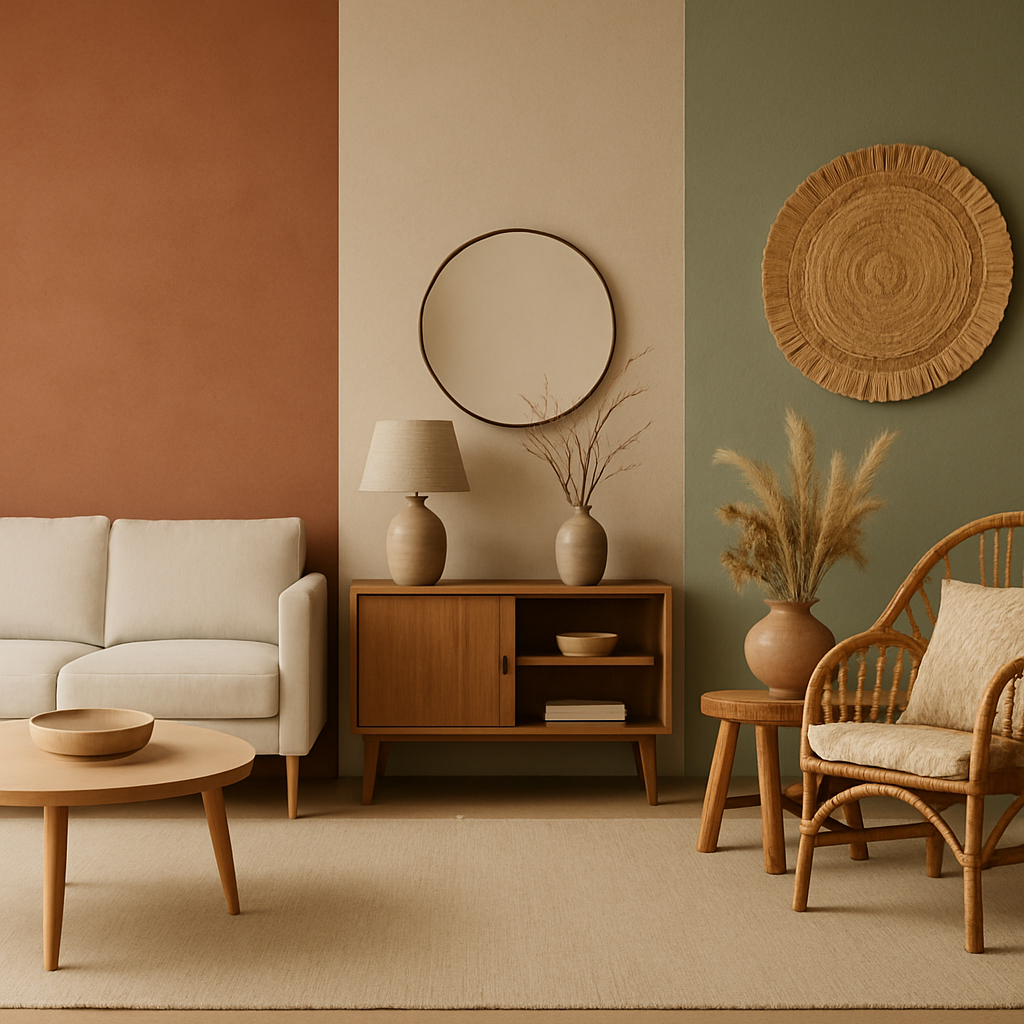
Have you ever stepped into a room and felt instantly relaxed, energized, or inspired? The power of interior design lies in its ability to evoke emotions and set the tone for how we live and interact in our spaces. According to a survey by Houzz, 85% of homeowners believe that well-designed interiors can significantly enhance their quality of life. This exploration into diverse interior design styles-from minimalism to boho-will provide you with the insights needed to transform your spaces into reflections of your personal style. We'll delve into foundational concepts, analyze trends with data, provide actionable strategies, and offer expert insights to guide your design journey.
Understanding Foundational Interior Design Concepts
Interior design styles are more than just aesthetic choices; they are reflections of cultural movements and personal philosophies. Minimalism, for example, emerged as a response to the chaos of modern life. It embraces simplicity, focusing on function and the concept that less is more. In a minimalist room, you might find clean lines, a neutral color palette, and a purposeful absence of clutter. By contrast, the bohemian or boho style celebrates individuality and eclecticism, drawing inspiration from various cultures worldwide. It's characterized by rich textures, vibrant colors, and an assortment of collected objects that tell personal stories.
To better appreciate these styles, it's important to recognize the role of key elements like space, line, and form. These elements define how furniture and decor are arranged within a room. In minimalism, space is often left open and airy, allowing for a focus on essential pieces. For boho design, the use of space tends to be more layered and filled with items that add warmth and character. This contrast highlights how foundational design principles are adapted to suit different stylistic goals.
Understanding these foundational concepts allows you to choose a design style that aligns not only with your aesthetic preferences but also with how you wish to feel and function within your space. Are you drawn to the tranquility of minimalism, or do you crave the creative energy of boho? Recognizing your personal connection to these styles is the first step in creating a home that truly reflects you. This foundational knowledge sets the stage for more detailed explorations of current trends and actionable strategies.
Analyzing Design Trends with Data
Current interior design trends reveal a fascinating interplay between traditional styles and modern innovations. According to a 2024 survey by the American Society of Interior Designers (ASID), styles that integrate technology, such as smart home systems, are gaining traction. However, there's also a rising appreciation for biophilic design, which emphasizes natural materials and connections to the outdoor environment. This trend aligns with the minimalist ethos of simplicity and sustainability.
Data from Houzz indicates that homeowners investing in boho-inspired designs often seek comfort and personality in their interiors. The survey revealed that 60% of respondents who adopted boho styles did so to create a more inviting and personalized living space. This data underscores a broader shift toward design styles that prioritize emotional and psychological well-being alongside aesthetics.
These trends highlight how design styles evolve to meet the changing needs and values of society. Whether it's the integration of smart technology in minimalist spaces or the emphasis on personal expression in boho interiors, these styles continue to adapt. Understanding these trends can help you make informed decisions when updating your home. For instance, how might you incorporate smart home technologies into a minimalist design without compromising its core principles? This question leads us to consider actionable strategies for blending trends with traditional styles.
Actionable Strategies for Blending Styles
Implementing a new interior design style doesn't mean you need to start from scratch. Instead, consider how you can blend elements from various styles to create a cohesive look. One effective strategy is to identify the core elements that define each style and selectively incorporate them into your space. For example, you might combine the clean lines of minimalism with the vibrant textiles of boho to create a unique, hybrid style.
To achieve this blend successfully, focus on a neutral color palette as a base and introduce accent pieces that reflect boho sensibilities. This could be a colorful rug or an intricately patterned throw. Experienced professionals often note that consistency in materials, such as wood or metal finishes, can help tie disparate elements together. By maintaining a unified material palette, you ensure that your design feels intentional rather than chaotic.
Consider using technology such as augmented reality (AR) design apps to visualize these combinations before committing. These tools allow you to experiment with different layouts and color schemes virtually, reducing the risk of costly mistakes. Whether you're merging styles or sticking to one, the key is to remain true to your vision. What elements are non-negotiable for you, and where are you willing to compromise? Answering these questions will guide your design process and help you achieve a room that feels both intentional and personal.
Expert-Level Insights and Advice
Experienced interior designers bring invaluable insights into how to execute these styles with precision. Many certified interior designers, holding credentials from organizations like NCIDQ (National Council for Interior Design Qualification), emphasize the importance of scale and proportion in achieving balance. This is particularly crucial in minimalism, where each piece must serve a purpose and complement the overall harmony of the room.
In boho interiors, designers often recommend starting with a central piece, such as a statement rug or a piece of art, and building out from there. This approach ensures that the room maintains a focal point, preventing the design from becoming overwhelming. Additionally, sourcing materials sustainably is a growing priority. Using reclaimed wood or vintage textiles aligns with both boho aesthetics and eco-friendly design principles.
Designers from platforms like Architectural Digest's AD PRO network often suggest incorporating local artisans' work to add a layer of authenticity and uniqueness to your space. This practice not only supports local economies but also enriches your home with pieces that tell a story. As you consider these expert insights, think about how you can integrate them into your design process. The nuanced understanding of scale, focal points, and sustainable sourcing will elevate your interior from mere decoration to a thoughtfully curated environment.
Additional Depth on Interior Design Styles
Exploring the historical context of these styles can deepen your appreciation and application. Minimalism, for instance, has roots in post-World War II Western art with influences from Japanese Zen philosophy. This historical background emphasizes the minimalist focus on peace, simplicity, and functionality. On the other hand, the boho style draws from the bohemian lifestyle of 19th-century Paris, known for its free-spirited approach and rejection of bourgeois norms.
The financial aspect is another critical consideration in choosing a design style. Minimalist designs often involve fewer pieces but require investment in high-quality, timeless items, whereas boho interiors can be more budget-friendly, allowing for thrifted or DIY elements. According to industry data, minimalist room redesigns can range from $5,000 to $15,000, while boho designs might cost less due to the use of eclectic, often less expensive, decor sources.
As you reflect on these historical and financial insights, consider your priorities. Are you drawn to the simplicity and investment-minded approach of minimalism, or does the bohemian embrace of creativity and resourcefulness resonate more with you? Understanding these nuances not only helps in making informed choices but also ensures that your spaces are an authentic extension of your lifestyle and values. This depth of understanding prepares us to consider final perspectives on these diverse styles.
Final Perspectives on Diverse Design Styles
As we conclude this exploration of diverse interior design styles, it's clear that each style offers unique benefits and challenges. Minimalism invites a calming, clutter-free environment that fosters tranquility and focus. In contrast, boho interiors encourage creativity and self-expression, making spaces feel lived-in and vibrant. Both styles have their place in modern homes, and each can be adapted to fit individual needs and preferences.
Ultimately, the most successful interior designs are those that reflect the personality and lifestyle of the occupants. Whether you're drawn to the serene simplicity of minimalism or the eclectic charm of boho, the key is to remain authentic to your tastes. Are you ready to embark on this transformative journey of self-expression through design? The insights and strategies shared in this article are meant to guide and inspire you as you create spaces that feel like home.
Conclusion: Your Next Steps in Interior Design
In summary, understanding the diverse interior design styles-from minimalism to boho-provides you with a roadmap to create spaces that are both functional and personally meaningful. By exploring foundational concepts, analyzing trends, and applying expert strategies, you're equipped to make informed decisions that reflect your unique style. Remember, the best designs don't just look good; they enhance your life.
Now, it's time to take action. Start by exploring online platforms like Houzz or Pinterest to gather inspiration and refine your aesthetic preferences. Spend time browsing portfolios and save images that resonate with you. Even dedicating 20 minutes a day to research can sharpen your eye for design and clarify your vision. With this newfound knowledge, you're ready to transform your home into a space that truly reflects who you are.



Comments
Post a Comment