How to Choose the Right Interior Designer for Your Unique Style and Needs
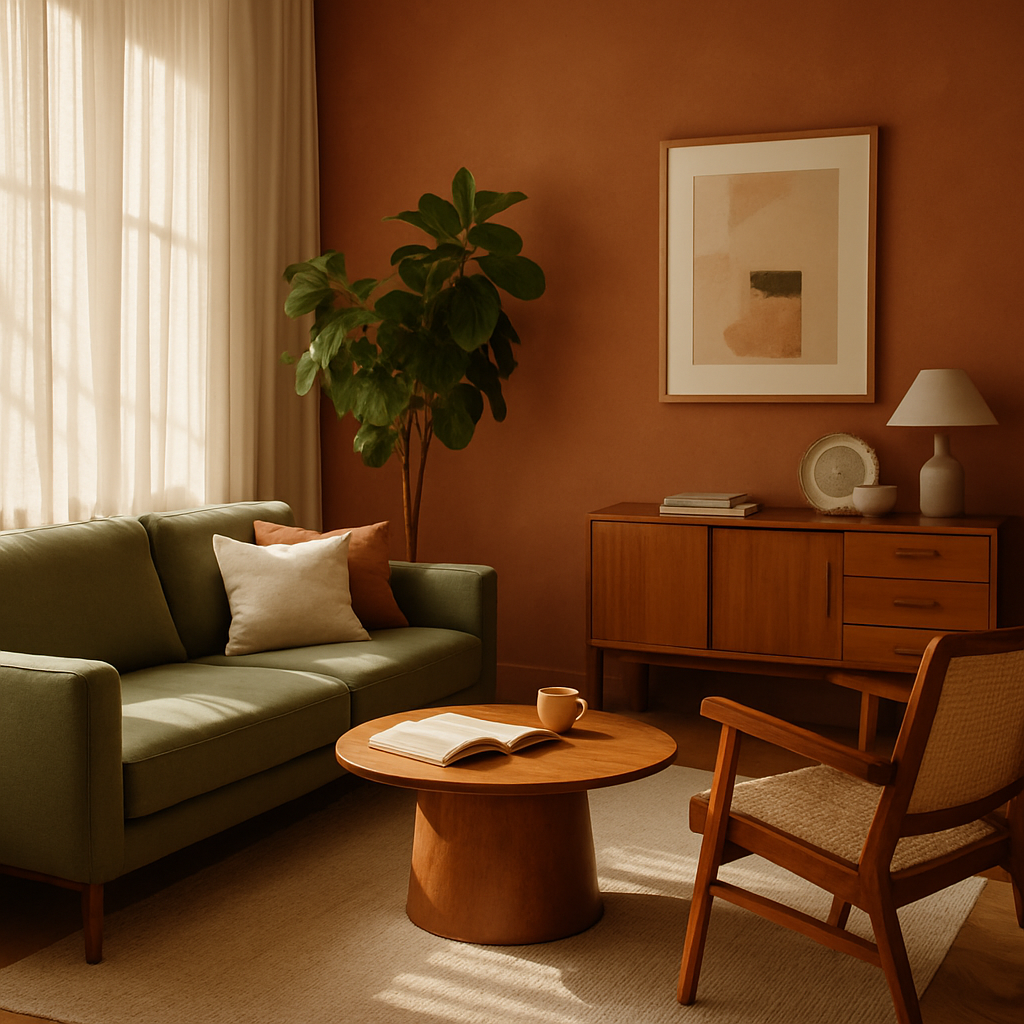
Imagine walking into a room that feels like it was designed just for you - every detail reflecting your taste and lifestyle. Choosing the right interior designer can make this vision a reality. But with so many options available, how do you find the perfect match for your unique style and needs? According to a survey by Houzz, 85% of homeowners express satisfaction when they hire a professional designer. This article will guide you through the essential steps of selecting an interior designer who can transform your space into a personalized haven. We'll explore foundational concepts, delve into deeper analyses with data, and offer actionable strategies. Whether you're redesigning a single room or embarking on a full-home project, you'll find the information you need to make an informed decision.
Understanding the Role of an Interior Designer
Before you embark on your search, it's crucial to understand what an interior designer does and how they differ from decorators. Certified interior designers hold credentials like the NCIDQ (National Council for Interior Design Qualification) and are trained to create functional and aesthetically pleasing spaces. They consider structural requirements, building codes, and offer comprehensive design services. In contrast, decorators focus on enhancing the visual appeal of a space without structural changes.
Interior designers manage a project from concept development to final styling. The process typically involves phases such as design presentation, procurement, installation, and styling. This comprehensive approach requires a keen eye for detail and a deep understanding of design principles. By hiring a certified professional, you ensure that all aspects of your project are handled with expertise.
Moreover, designers can significantly impact your home's value. Industry surveys suggest that well-designed interiors can yield a 5-15% higher resale value. This makes investing in a skilled designer not just a matter of personal enjoyment, but also a wise financial decision. As you consider these points, think about what level of service and expertise you require for your project.
Evaluating Your Style and Needs
To find an interior designer who aligns with your vision, you must first evaluate your own style and needs. Start by identifying what you love about your current space and what you wish to change. Do you prefer a minimalist aesthetic or a more eclectic approach? Are sustainable materials a priority for you? Answering these questions will create a clear picture of your design preferences.
Consider using platforms like Houzz and Pinterest to gather inspiration. Create boards that reflect your taste and share them with potential designers. A 2023 Houzz survey found that 62% of homeowners use online platforms to research design styles before meeting with a professional. This preparation not only clarifies your vision but also helps designers understand your expectations.
Once you've defined your style, assess your functional needs. Map out how you use each room in your home. Where do you spend the most time? Where do your kids do their homework? This practical assessment ensures that the design not only looks good but also works for your lifestyle. As you solidify your needs, you're ready to begin the selection process.
Strategies for Selecting the Right Designer
With a clear understanding of your style and needs, it's time to research potential designers. Start by seeking recommendations from friends or family who have completed similar projects. Additionally, explore directories from organizations like the ASID (American Society of Interior Designers) and IIDA (International Interior Design Association) for certified professionals.
When evaluating designers, pay attention to their portfolios. Do their past projects resonate with your style? Experienced professionals often note that a designer's previous work is the best indicator of their ability to meet a client's vision. Arrange consultations with a shortlist of designers to discuss your project in detail.
During consultations, ask about their fee structures. Designers typically charge a flat fee, an hourly rate ranging from $150 to $500, or a percentage of the total project cost, usually between 10-25%. Understanding these details upfront helps you budget effectively. As you finalize your choice, ensure that the designer's communication style and project management approach align with your preferences.
Leveraging Expert Insights and Tools
To further refine your selection, leverage expert insights and tools. Many designers now use AR/VR technology to provide clients with virtual room visualizations. This allows you to see how proposed designs will look in your space before any physical changes are made. Ask potential designers if they offer this service and request demonstrations.
Additionally, inquire about their use of sustainable and reclaimed materials. With growing awareness of environmental impact, more homeowners are prioritizing eco-friendly designs. A designer committed to sustainability can source materials that reduce your carbon footprint without compromising style.
Finally, consider the designer's network. A well-connected professional can access exclusive deals on high-quality furnishings and materials. This not only enhances your project's outcome but can also result in cost savings. With these insights in mind, you're equipped to choose a designer who aligns with both your style and values.
Navigating the Design Process
Once you've selected your designer, understanding the design process is key to a successful project. The initial phase involves concept development, where your designer will create a mood board and preliminary sketches. This is your opportunity to provide feedback and ensure the design aligns with your vision.
Next, you'll move into the design presentation phase. Here, the designer will provide detailed plans, including floor layouts and material selections. It's crucial to review these documents carefully and ask questions about any concerns. Clear communication at this stage ensures that the project progresses smoothly.
As the project advances to procurement and installation, stay involved by attending site visits and meetings. This keeps you informed of progress and allows for any necessary adjustments. The final styling phase brings the design to life, with the designer adding finishing touches that reflect your personal style. Understanding these phases helps you manage expectations and enjoy the transformative journey.
Final Thoughts on Choosing Your Designer
Choosing the right interior designer is a pivotal decision in creating a home that reflects your style and meets your needs. It's a process that requires careful consideration of your aesthetic preferences, functional requirements, and budget. By leveraging expert advice and using available tools, you can make an informed choice that enhances your living space.
Remember that a successful partnership with a designer is built on clear communication and trust. As you embark on this journey, stay open to new ideas and be prepared to collaborate. The right designer will not only transform your space but also enhance your quality of life.
Conclusion: Your Next Steps
In summary, selecting the right interior designer involves understanding your personal style, researching potential candidates, and engaging in open communication. As you evaluate designers, consider their qualifications, past work, and approach to sustainability. These factors will guide you to a professional who can bring your vision to life.
Ready to start your search? Begin by browsing designer portfolios on platforms like Houzz this week. Even dedicating just 20 minutes to research can sharpen your eye for what you want. As you narrow down your options, remember that the perfect designer is out there, ready to transform your space into a reflection of you.
More Articles You May Like



Comments
Post a Comment