Creating a Wellness-Focused Office: Essential Interior Design Tips for Modern Workspaces
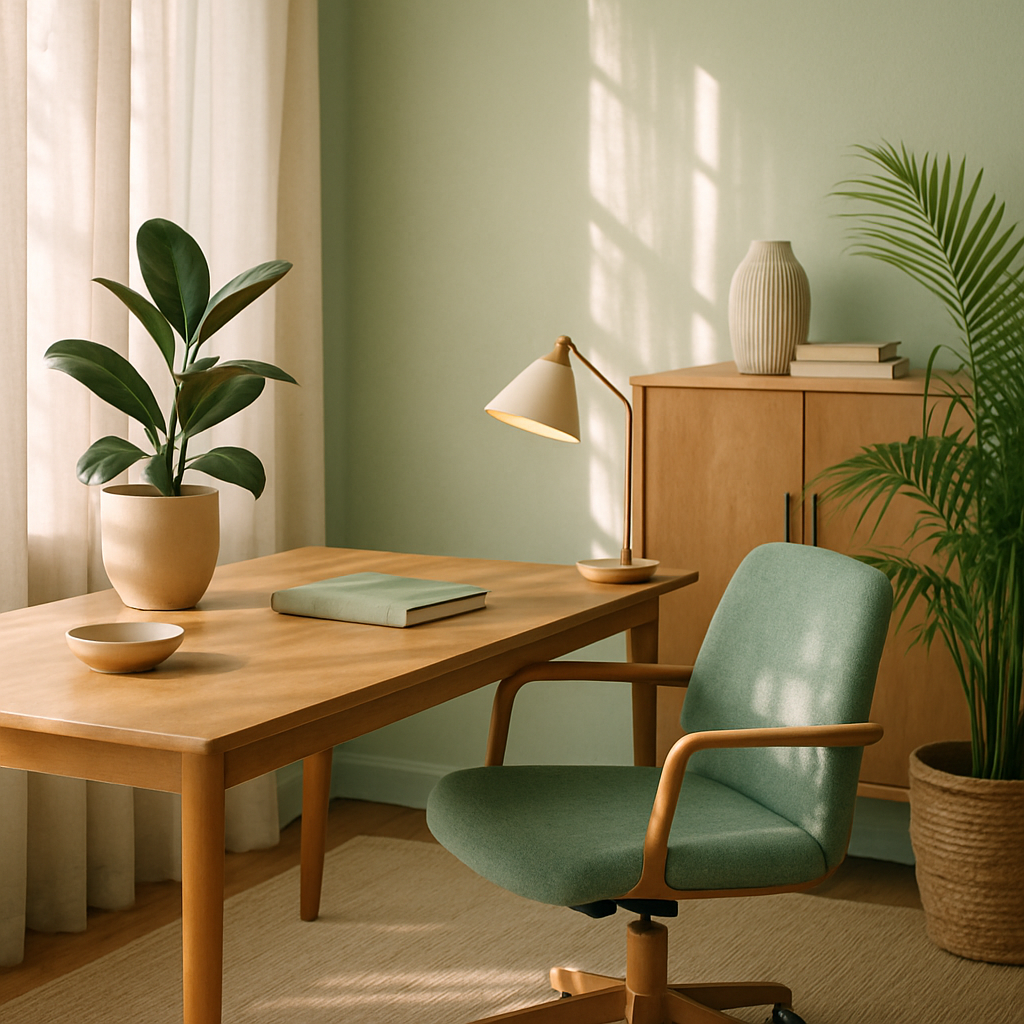
Have you ever wondered how the design of your office impacts not just productivity, but also your overall well-being? According to a study by the American Society of Interior Designers (ASID), 68% of employees report dissatisfaction with their workspaces, often citing poor design as a key factor. Creating a wellness-focused office isn't just a trend-it's a necessity in today's fast-paced work environments. This article outlines essential interior design tips to help you craft a modern workspace that supports well-being, boosts productivity, and enhances overall job satisfaction. We'll explore foundational concepts, analyze vital statistics, offer actionable strategies, delve into expert insights, and provide additional depth on this transformational journey. By the end, you'll be equipped with the knowledge to revolutionize your office into a wellness haven.
Understanding the Foundations of a Wellness-Focused Office
A wellness-focused office begins with understanding the core principles of design that promote health and productivity. The concept of biophilic design, which incorporates natural elements like plants and water features, is essential. Studies show that integrating nature into office spaces can decrease stress levels by up to 37%. Plants improve air quality and create a calming atmosphere, which in turn enhances cognitive function and creativity. When designing your space, consider how you can incorporate elements of nature to foster a healthier environment.
Ergonomics is another crucial aspect of a wellness-focused office. Poor ergonomic design can lead to discomfort and long-term health issues such as back pain and repetitive strain injuries. Invest in ergonomic furniture, such as adjustable chairs and desks, to promote good posture and reduce strain. Consider how often you sit versus stand and adjust your setup accordingly. A well-designed ergonomic office can significantly reduce health-related work absences and improve overall employee satisfaction.
Lighting plays a pivotal role in creating a wellness-focused environment. Natural light is ideal, as it helps regulate the body's circadian rhythms, improving mood and energy levels. If your office lacks natural light, opt for full-spectrum light bulbs that mimic daylight. Assess your current lighting situation: Is it too harsh or too dim? Adjusting lighting can have a profound effect on your well-being and productivity. As you think about these foundational concepts, consider how they might apply to your own workspace.
Diving Deeper: Data-Driven Insights for Wellness Design
The benefits of wellness-focused office design are supported by substantial research. According to a survey by Houzz, businesses that invest in high-quality interior design report a 15% increase in employee productivity. This survey also indicates that employees working in well-designed environments are 30% more likely to report higher job satisfaction. These statistics underscore the tangible impact of design on workplace morale and efficiency.
Furthermore, the International Interior Design Association (IIDA) points out that well-designed office spaces can reduce energy consumption by optimizing natural light, thereby decreasing reliance on artificial lighting. This not only reduces utility costs but also contributes to a more sustainable work environment. Incorporating energy-efficient features can be both an economical and ecological choice, aligning with the growing trend of sustainable design.
Are you considering the financial implications of redesigning your office? Interestingly, the return on investment can be substantial. The commonly cited statistic that well-designed interiors can yield 5-15% higher resale value applies to commercial properties as well. By prioritizing wellness in your office design, you may also increase the property's market value, making it a smart financial decision in the long run. As we move forward, let's explore actionable strategies to bring these concepts to life in your workspace.
Actionable Strategies for Implementing Wellness Design
To create a wellness-focused office, start by conducting a spatial assessment. Map out how each area of your workspace is used and identify zones that require improvement. For instance, where do employees gather for brainstorming sessions? Is there a quiet area for focused work? Ensuring that your office layout supports both collaborative and individual work styles is crucial. By understanding these dynamics, you can make targeted improvements that enhance functionality.
Next, consider incorporating smart technology to boost efficiency and comfort. Smart lighting systems, which adjust according to natural light levels, can enhance visual comfort and reduce energy costs. Automated climate control systems can ensure optimal temperature settings throughout the day. These technologies not only improve comfort but also support sustainability goals. How might integrating smart systems in your office enhance both productivity and environmental responsibility?
Finally, focus on the aesthetics of your office. Choose a color palette that promotes calm and concentration, such as soft blues and greens. Incorporate textures through materials like wood and fabric to add warmth and interest. Art and décor should reflect your company's values and culture, creating a cohesive and inspiring environment. By thoughtfully selecting these elements, you can craft a space that not only looks good but also feels good to work in. Let's delve into expert insights that can further refine your approach to wellness-focused office design.
Expert-Level Insights for Advanced Office Design
Experienced professionals often note that the integration of wellness-focused design requires a holistic approach. According to the National Council for Interior Design Qualification (NCIDQ), certified interior designers are trained to consider both aesthetics and functionality in their projects. Engaging a certified designer ensures that your office meets industry standards for health, safety, and welfare, while also achieving your design vision.
Consider the role of acoustics in your office design. Noise pollution can be a significant distraction, affecting concentration and productivity. Sound-absorbing materials, like acoustic panels or carpets, can mitigate noise levels and create a more serene work environment. Experts suggest using acoustic solutions strategically in open-plan offices to balance collaboration with privacy. How could improved acoustics change the dynamic in your workspace?
Moreover, many designers now use AR/VR room visualization tools to help clients envisage the final design. These technologies allow you to explore different layouts and design choices before committing to them, reducing the risk of costly mistakes. Leveraging such tools can make the design process more interactive and informed, providing a clearer picture of the potential outcomes. As we continue, we will explore additional details that can enhance your wellness-focused office.
Additional Depth: Enhancing Office Design with Sustainability
Sustainability is increasingly becoming a priority in office design. Incorporating sustainable materials not only reduces environmental impact but also supports health and well-being. Reclaimed wood, recycled metals, and low-VOC (volatile organic compounds) paints are excellent choices for an eco-friendly office. These materials can also contribute to the unique aesthetic of your workspace, adding character and authenticity.
Biophilic design is closely linked to sustainability. By introducing greenery and living walls, you can improve air quality and establish a connection with nature. Plants like snake plants and peace lilies are especially effective air purifiers. Additionally, consider creating an indoor-outdoor flow by connecting office spaces with outdoor areas, such as patios or gardens. This not only enhances aesthetic appeal but also provides employees with a refreshing break from the indoor environment.
As you integrate these sustainable elements, think about how they align with your company's values. Does your office design reflect your commitment to sustainability? The integration of these elements can be a powerful statement of your company's ethos, resonating with both employees and clients. Let's conclude by considering the broader implications of a wellness-focused office design.
Final Perspectives on Wellness-Focused Office Design
Creating a wellness-focused office is not just about aesthetics-it's about fostering a work environment that supports physical and mental well-being. As we've explored, the benefits are manifold: improved productivity, enhanced job satisfaction, and even financial returns. But beyond these tangible outcomes, a wellness-focused office demonstrates a commitment to the health and happiness of your employees, which is invaluable.
Think about your current workspace: What changes could make it more supportive of wellness? Whether it's adjusting lighting, incorporating smart technology, or rethinking layout, even small changes can have a significant impact. The insights and strategies shared in this article provide a roadmap to creating a workspace that is not only functional but also life-enhancing. As we wrap up, consider the next steps you can take to transform your office.
Conclusion: Taking Action Towards a Healthier Workspace
In summary, a wellness-focused office design is an investment in your team's health and productivity. By understanding foundational concepts, leveraging data-driven insights, implementing actionable strategies, and embracing expert-level details, you can create a workspace that supports well-being. Remember, the design of your office speaks volumes about your commitment to your employees' health and happiness. So, where will you start?
Begin by assessing your current workspace and identifying areas for improvement. Consider consulting with certified interior designers to guide your project and ensure it meets industry standards. Start by browsing designer portfolios on platforms like Houzz this week-even 20 minutes of research will sharpen your eye for what you want. Your journey to a healthier, more productive workspace begins today.



Comments
Post a Comment