The Ultimate Guide to Creating a Cozy Room Interior Design That Inspires
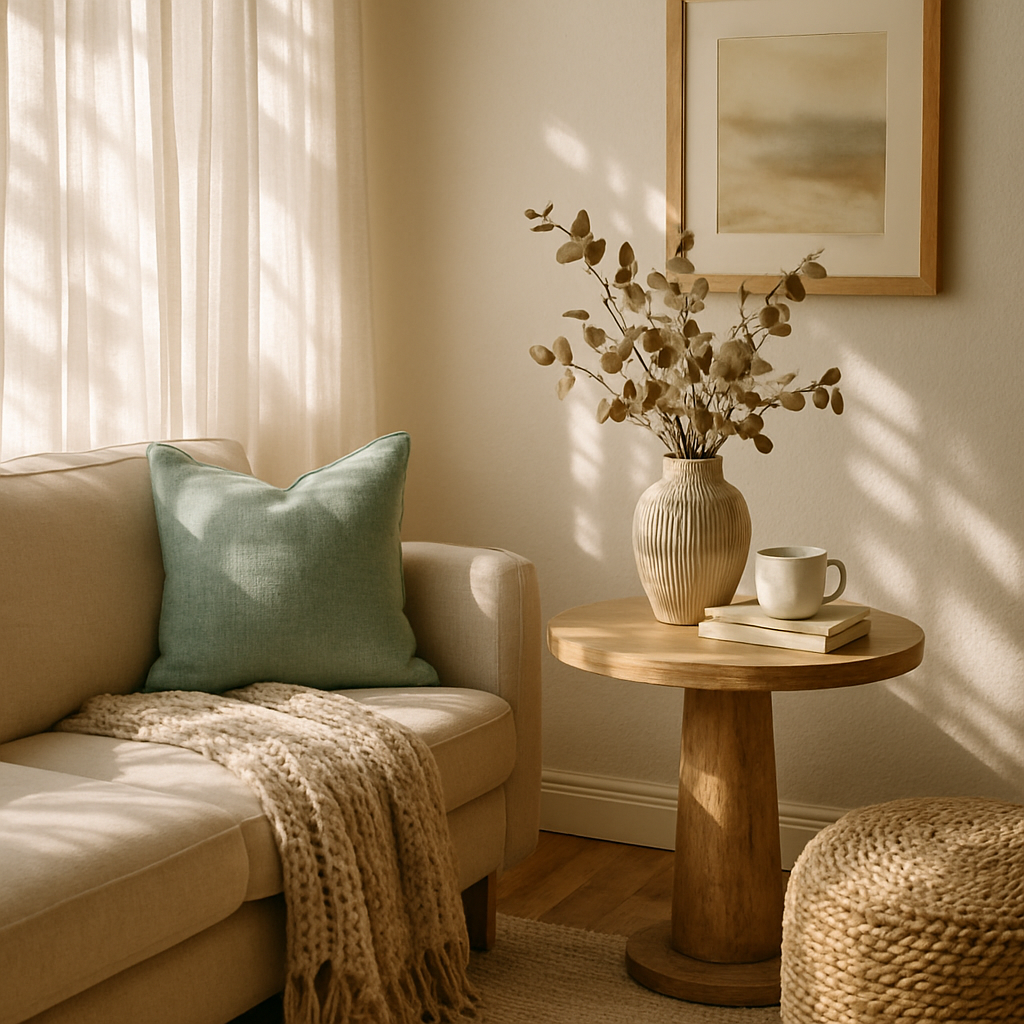
Imagine stepping into a room that instantly makes you feel at ease, like a warm embrace on a chilly day. Do you think your current room design inspires that kind of comfort? If not, you're not alone. Many people underestimate the power of a well-designed space and how it can profoundly affect their mood and productivity. This guide will explore foundational concepts of cozy room design, delve into data-driven insights, provide actionable strategies, and share expert-level details to help you craft an interior that not only comforts but inspires. By the end, you'll have a clear pathway to transform your space into a haven of tranquility.
Understanding the Foundations of Cozy Interior Design
Creating a cozy room interior design starts with understanding the foundational elements that contribute to a sense of comfort. At its core, coziness in design is about layering textures and incorporating elements that evoke warmth and relaxation. Think plush throws, soft lighting, and natural materials like wood and wool. According to a Houzz survey, 75% of homeowners believe that the right textures can transform the ambiance of a room. This statistic underscores the importance of tactile elements in interior design.
Lighting also plays a crucial role in setting the mood. Soft, ambient lighting can create a soothing environment, while harsh overhead lights might do the opposite. Experienced professionals often note that integrating multiple light sources at different heights-like table lamps, floor lamps, and wall sconces-can create a balanced and inviting atmosphere. This approach not only adds depth to the room but also allows you to adjust the lighting according to the time of day and mood.
Color is another foundational concept to consider. Warm, muted tones such as soft grays, creamy whites, and gentle earth tones can make a space feel more inviting. The American Society of Interior Designers (ASID) suggests using a palette that reflects nature to instill a sense of calm and connection to the outdoors. By focusing on these foundational elements, you set the stage for a room that feels inherently cozy and welcoming.
As we explore further, you will see how these foundational concepts are supported by data and industry insights, providing a deeper understanding of how to achieve that perfect balance of coziness and inspiration.
Analyzing Data-Driven Insights for Cozy Spaces
Data can provide valuable insights into what makes a room cozy and inspiring. According to a study by the International Interior Design Association (IIDA), 82% of respondents reported increased satisfaction when natural light and greenery were incorporated into their living spaces. This statistic highlights the growing trend of biophilic design, which emphasizes the integration of nature into interiors to boost well-being and comfort.
The same study found that rooms with elements of biophilic design report a 15% higher productivity rate among users. This is crucial for those who use their spaces for work or study, as it shows that the design of a room can significantly impact one's ability to focus and be productive. Incorporating greenery, such as potted plants or even a living wall, can make a substantial difference not only in aesthetics but also in the functionality of a space.
Furthermore, the Houzz annual survey reveals that homeowners who prioritize cozy design elements in their renovation projects report a 20% increase in overall satisfaction post-renovation. These data-driven insights provide a compelling case for why cozy design is not just about aesthetics but also about enhancing quality of life. As we move into actionable strategies, consider how these insights can be applied to your personal space.
Armed with this deeper understanding, we can now move on to explore specific strategies that you can implement to achieve the cozy interior you desire.
Implementing Actionable Strategies for Cozy Interiors
Now that we've explored the concepts and data behind cozy interiors, it's time to put theory into practice with actionable strategies. Start by assessing the current layout and usage of your room. Ask yourself: Where do you spend most of your time? Is there a specific area that feels neglected or uncomfortable? By identifying these zones, you can focus on optimizing them for both comfort and functionality.
One effective strategy is to create a focal point that draws the eye and anchors the room. This could be a fireplace, a piece of art, or a statement piece of furniture. The key is to arrange your furnishings in a way that facilitates conversation and relaxation around this focal point. This not only enhances the room's functionality but also its aesthetic appeal.
Another practical tip is to incorporate layers. Layering different textures, colors, and materials can add depth and interest to a room. Consider adding area rugs, throw blankets, and decorative pillows to your existing furniture. These elements can be easily swapped out seasonally to refresh the room's look without a complete overhaul. Remember, the goal is to create a space that feels both dynamic and cohesive.
With these strategies in mind, we can delve into expert insights that will further refine your approach to cozy room design.
Expert-Level Insights for Refining Your Design
To truly elevate your room's coziness, consider incorporating expert-level insights that professionals use when crafting inspiring spaces. Certified interior designers, such as those recognized by the National Council for Interior Design Qualification (NCIDQ), emphasize the importance of balance in design. This includes balancing light and dark elements, hard and soft textures, and open and intimate spaces.
Experienced designers also recommend investing in quality materials. While it might be tempting to opt for cheaper options, high-quality furnishings and textiles tend to last longer and feel more luxurious. This is particularly important for items that receive a lot of use, like sofas or bedding. A well-made piece can serve as a foundation for the rest of your design, offering both comfort and style.
Additionally, experts often suggest personalizing your space with meaningful objects. This could include family photos, travel souvenirs, or artwork that resonates with you. These personal touches not only add character to your room but also make it uniquely yours. As you integrate these expert insights, think about how they align with the strategies you've already considered and how they can enhance the overall feel of your room.
Next, we will explore further details that will add even more depth to your cozy interior design.
Diving Deeper into Cozy Design Elements
For those looking to dive even deeper into cozy design, consider the role of scent and sound in enhancing a space's ambiance. Aromatherapy, through scented candles or essential oil diffusers, can evoke a sense of calm and relaxation. Similarly, incorporating a sound system that plays soft background music or nature sounds can further enhance the coziness of a room.
Smart home technology can also play a role in creating a cozy environment. Automated lighting systems allow you to adjust the brightness and warmth of lights with ease, while smart thermostats ensure your room is always at the perfect temperature. These technologies not only add convenience but also contribute to the overall comfort of your space.
Finally, consider the impact of sustainable design elements. Using reclaimed materials or choosing eco-friendly products not only benefits the environment but also adds a unique character to your room. Many interior designers are now prioritizing sustainability, reflecting a broader industry trend towards environmentally conscious design. As you incorporate these elements, you can feel good knowing your choices are both stylish and sustainable.
With these additional insights, you're now equipped with a comprehensive understanding of how to create a cozy and inspiring interior. Let's conclude by summarizing the key points and setting you up for action.
Culminating Insights and Next Steps
As we've explored throughout this guide, creating a cozy room interior design that inspires involves a blend of foundational concepts, data-driven insights, actionable strategies, and expert advice. By focusing on textures, lighting, and color, you set a strong base for your design. Incorporating biophilic elements and leveraging smart home technology can enhance comfort and productivity, while expert tips on balance and quality materials refine your approach.
Remember, the journey to a cozy and inspiring room is personal and should reflect your unique style and needs. Have you identified the areas in your space that require the most attention? How do you plan to incorporate these insights into your design process?
As you reflect on these questions, consider starting your design journey with small, manageable changes that can have a big impact. By doing so, you'll gradually create a space that not only looks beautiful but also supports your well-being and inspires you daily.
Conclusion
In conclusion, transforming your space into a cozy room interior design that inspires is entirely within reach. By integrating the insights and strategies shared in this guide, you can create a space that promotes comfort, productivity, and personal expression. Start by browsing designer portfolios on platforms like Houzz and Pinterest to gather inspiration and see what resonates with you. Even dedicating 20 minutes a day to this research can sharpen your eye for design and bring you closer to your ideal space.
As you embark on your design journey, remember that each step brings you closer to a home that truly reflects who you are. Are you ready to take the first step towards creating your perfect cozy haven? Begin today, and let your room become a source of inspiration and tranquility.



Comments
Post a Comment