Unlock Your Home's Potential with Innovative Online Interior Design Tools
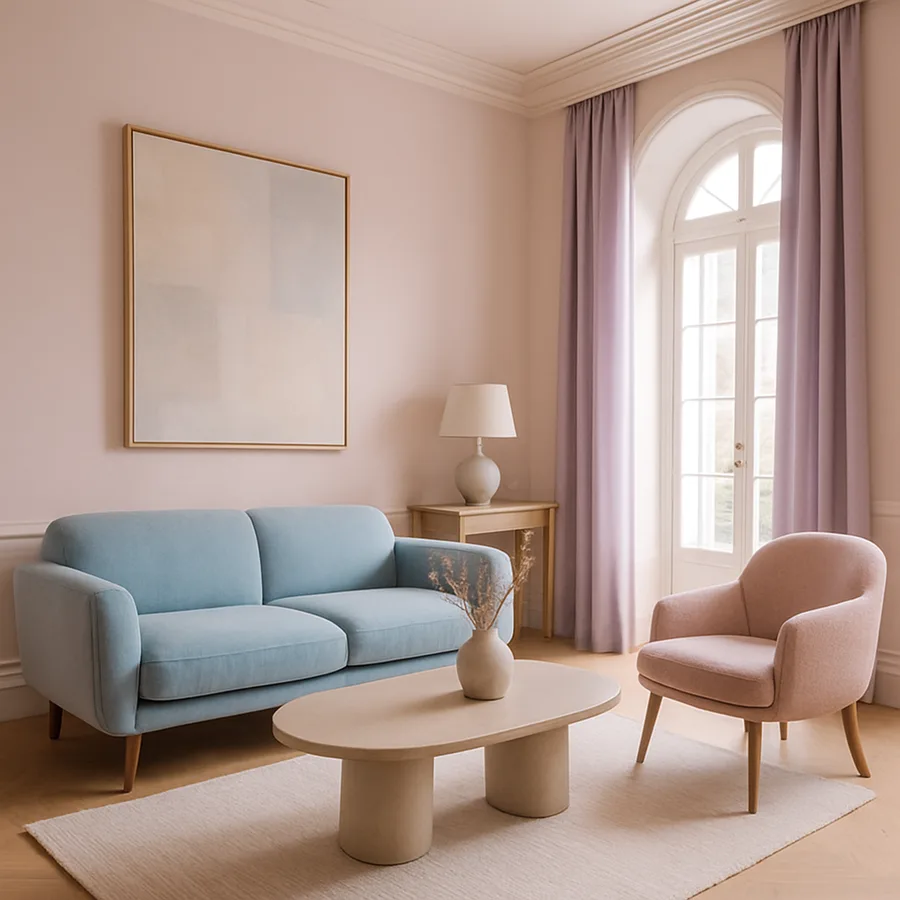
Have you ever looked around your home and felt it lacked a certain flair, but the idea of hiring a traditional interior designer seemed daunting or expensive? According to a recent survey by Houzz, over 70% of homeowners express dissatisfaction with their home's design but hesitate to make changes due to cost concerns and lack of expertise. Fortunately, innovative online interior design tools are revolutionizing how we approach home makeovers by making professional design accessible and affordable. This article will explore the current landscape of online interior design, the key factors driving its growth, the research supporting its effectiveness, and practical steps you can take to enhance your living space using these tools.
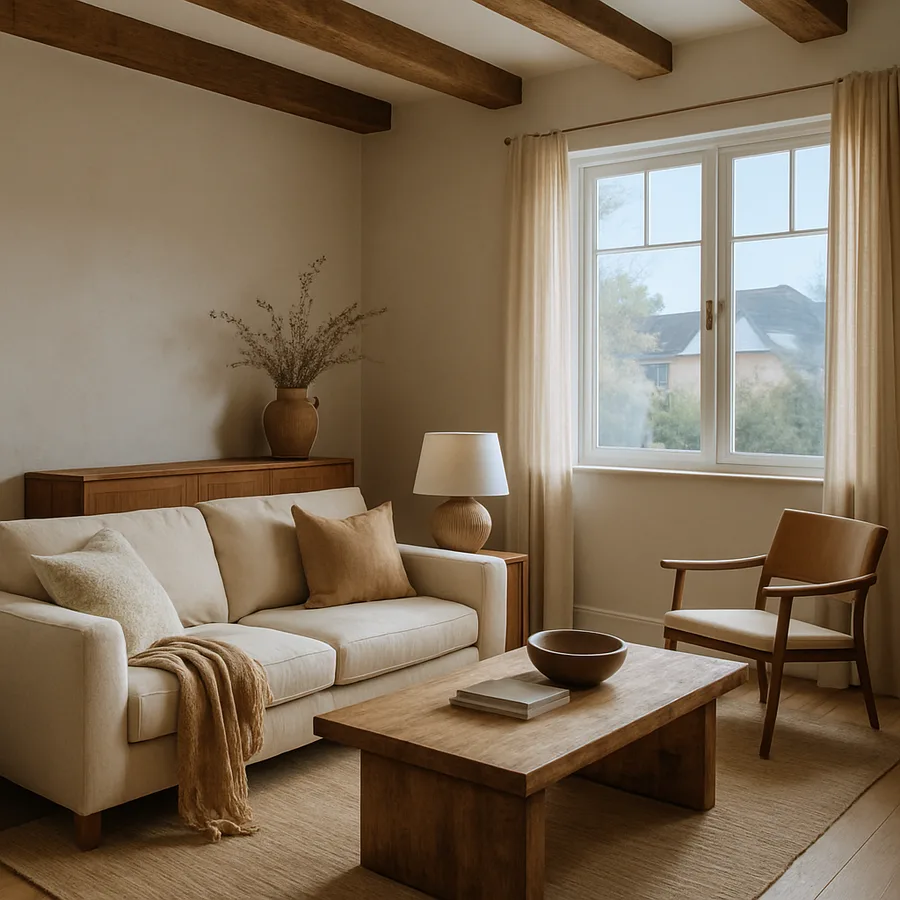
The Current Landscape
In recent years, the interior design industry has undergone a significant transformation. The advent of digital platforms like Houzz and Pinterest has democratized access to design inspiration, allowing anyone to explore countless styles and ideas from the comfort of their own home. These platforms not only provide a wealth of visual content but also connect users with professional designers and decorators. This shift has empowered homeowners to take a more active role in the design process, fostering a new era of collaboration between clients and designers.
Moreover, online interior design services have surged in popularity, offering packages that cater to various needs and budgets. Companies like Modsy and Havenly provide virtual design consultations, enabling users to visualize and implement changes without the need for on-site visits. These services often include 3D renderings and personalized shopping lists, bridging the gap between professional design and DIY projects. This accessibility has made interior design more inclusive, catering to a broader audience than ever before.
The rise of these tools also reflects a broader trend towards personalization and customization in consumer products and services. As people increasingly seek spaces that reflect their unique tastes and lifestyles, the demand for tailored design solutions continues to grow. This trend is not only reshaping the way we design our homes but is also driving innovation within the interior design industry itself. As we delve deeper into the factors driving these changes, it becomes clear that technology plays a pivotal role.
Key Factors Driving Change
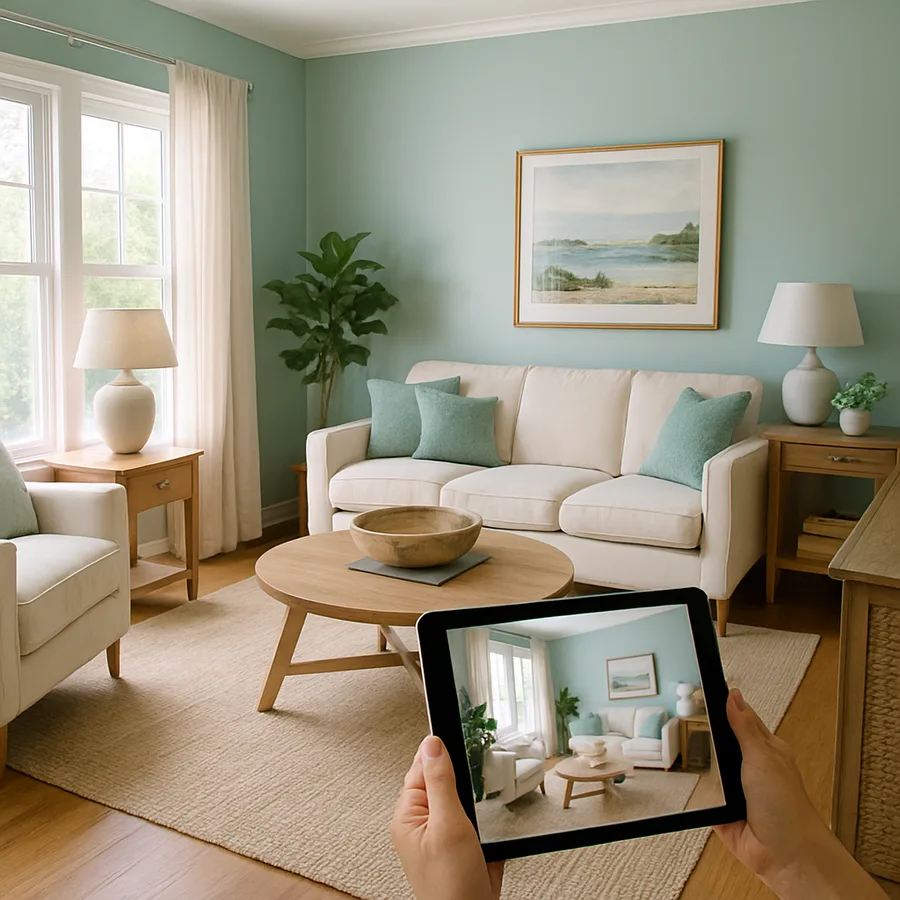
The growth of online interior design tools can largely be attributed to advancements in technology. Augmented reality (AR) and virtual reality (VR) technologies now allow users to experience immersive room visualizations, making it easier to see how new furniture, colors, or layouts will look in their actual spaces. This technological leap has made design more tangible and less abstract, reducing the uncertainty that often accompanies home renovations.
Additionally, the increasing integration of smart home technology has influenced design preferences. Homeowners are now looking for ways to incorporate smart lighting, climate controls, and automated window treatments seamlessly into their design plans. Online design tools have adapted by offering features that help users plan for these integrations, ensuring their spaces are both aesthetically pleasing and functionally advanced. This intersection of design and technology is creating smarter, more efficient living environments.
Economic factors also play a crucial role. The cost-effectiveness of online design services compared to traditional methods makes them an attractive option for budget-conscious consumers. With prices ranging from $150 to $500 for comprehensive room design packages, these services are significantly more affordable than hiring a designer who charges hourly rates or a percentage of the project cost. This affordability, coupled with the convenience of accessing services remotely, has contributed to the widespread adoption of online design tools.
What the Research Shows
Research consistently highlights the benefits of well-designed interiors, not only in terms of aesthetics but also in enhancing the functionality and value of a property. According to the National Association of Realtors, homes with thoughtfully designed interiors can sell for 5-15% more than those without, underscoring the financial incentives of investing in design. This statistic is particularly relevant for homeowners considering selling their homes in the near future.
Additionally, a survey conducted by the American Society of Interior Designers (ASID) found that 80% of respondents reported increased satisfaction with their living spaces after using online design tools. This satisfaction is often attributed to the ability to visualize changes before implementation, reducing the risk of costly mistakes. The ability to experiment with different styles and layouts virtually allows homeowners to make informed decisions that align with their personal preferences and lifestyle needs.
These findings are further supported by data from Houzz, which shows that 90% of users who engaged with online design platforms reported a positive experience and would recommend the service to others. This high level of user satisfaction indicates that online design tools effectively meet the needs of modern homeowners, providing a blend of convenience, affordability, and professional-quality results. As we explore the practical implications of these tools, it's important to consider how they can be integrated into your design process to achieve your desired outcomes.
Practical Implications for You
So, how can you harness the power of online interior design tools to transform your home? The first step is to identify your design goals. Are you looking to refresh a single room, or do you want to undertake a complete home makeover? By clearly defining your objectives, you can select the appropriate online platform and services to meet your needs. For instance, Modsy offers various packages that cater to different project scopes, providing flexibility for both small updates and extensive renovations.
Next, consider your budget. Online design tools offer a range of pricing options, allowing you to choose a service that aligns with your financial constraints. Whether you opt for a basic consultation or a comprehensive design package, these tools provide cost-effective solutions compared to traditional design services. Remember, investing in design can enhance your home's value and improve your quality of life, making it a worthwhile expenditure.
Finally, embrace the interactive nature of these tools. Many platforms allow you to experiment with different layouts, furniture pieces, and color schemes through virtual room visualizations. Take advantage of these features to explore various design possibilities and refine your vision. Experienced professionals often note that the ability to visualize changes in real-time empowers homeowners to make confident design decisions, ensuring the final result is both functional and visually appealing. As we transition to expert perspectives, we'll gain further insights into how these tools are shaping the industry.
Expert Perspectives
Industry professionals have observed a significant shift in how design services are delivered and consumed. According to the International Interior Design Association (IIDA), the rise of online design tools has not only expanded access to professional services but also encouraged collaboration between designers and clients. This collaborative approach allows designers to offer personalized guidance while empowering clients to actively participate in the design process, leading to more satisfactory outcomes.
Moreover, certified interior designers, who often hold credentials like the NCIDQ (National Council for Interior Design Qualification), have embraced these tools to enhance their service offerings. By incorporating virtual consultations and digital design presentations into their workflow, designers can reach a wider audience and adapt to the evolving needs of their clients. This adaptability is crucial in an industry where trends and consumer preferences are constantly changing.
Experienced designers also emphasize the importance of using online tools to educate clients about sustainable and biophilic design principles. By showcasing the benefits of natural materials, indoor-outdoor flow, and energy-efficient solutions, these tools can help homeowners create spaces that are not only beautiful but also environmentally responsible. As we look to the future, it's clear that the integration of technology and sustainability will continue to drive innovation in the interior design field.
Looking Ahead
The future of interior design is undeniably digital, with online tools playing an increasingly central role. As technology advances, we can expect to see even more sophisticated design solutions that leverage artificial intelligence and machine learning to personalize recommendations and optimize space planning. This evolution will likely make design services even more accessible and intuitive for users at all levels of expertise.
Furthermore, the growing emphasis on sustainability and eco-friendly design will drive the development of tools that prioritize these values. Homeowners will have the opportunity to incorporate sustainable practices into their design choices more easily, contributing to a healthier planet while enhancing their living environments. As the industry continues to evolve, staying informed about these trends will be key to making informed design decisions.
As we conclude our exploration of online interior design tools, it's evident that these innovations offer exciting possibilities for homeowners seeking to enhance their spaces. By combining technology with expert insights, these tools empower you to unlock your home's potential and create a living environment that truly reflects your style and needs. Are you ready to take the next step in your design journey?
Conclusion
In conclusion, innovative online interior design tools are transforming the way we approach home design, making professional services more accessible, affordable, and personalized. By leveraging these tools, you can visualize and implement changes that enhance both the functionality and aesthetic appeal of your home. From setting clear design goals to exploring virtual visualizations, these platforms offer practical solutions for a range of project scopes and budgets.
As you embark on your design journey, consider browsing portfolios on Houzz or engaging with design experts on ASID to gain inspiration and refine your vision. Even dedicating just 20 minutes to research can sharpen your eye for what you truly want. With the right tools and insights, unlocking your home's potential is more achievable than ever. Start exploring today, and transform your living space into a reflection of your personal style and aspirations.
More Articles You May Like


Comments
Post a Comment