How to Transform Your Space: Expert Tips for Stunning Interior Design
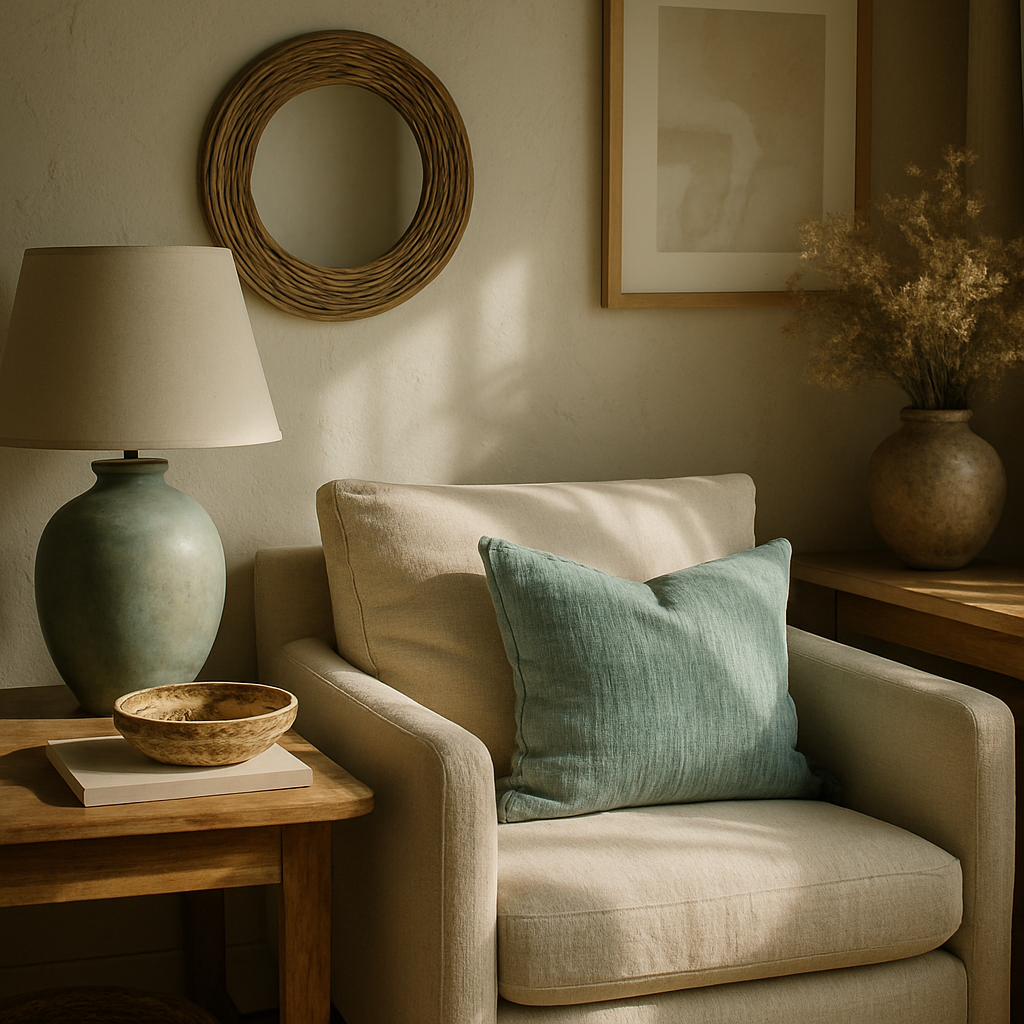
Have you ever walked into a room and felt instantly at ease, inspired by its design? The power of interior design goes beyond aesthetics; it shapes how you feel and function in a space. According to the American Society of Interior Designers (ASID), a well-designed space can enhance your productivity and well-being. In this article, we'll explore expert tips to transform your space into a stunning interior that reflects your style and meets your needs. From foundational concepts to actionable strategies, you'll gain insights into the world of interior design.
Understanding Foundational Design Concepts
The first step in transforming any space is understanding the foundational concepts of interior design. This involves more than just selecting colors and furniture. It's about creating harmony and balance within a room. Experienced professionals often note that the principles of design - balance, contrast, rhythm, scale, and proportion - are crucial for any successful interior project. For example, balance can be achieved by distributing visual weight evenly, whether through symmetrical arrangements or by pairing large furniture with larger art pieces.
Color theory also plays an essential role in foundational design. The colors you choose can evoke certain emotions and set the mood for your space. For instance, cool hues like blues and greens typically create a calming atmosphere, while warm tones like reds and oranges can energize a room. The National Council for Interior Design Qualification (NCIDQ), a leading credential in the field, emphasizes the importance of understanding how colors interact under different lighting conditions - something every interior designer must master.
Lighting is another critical component. Proper lighting can accentuate architectural features, create ambiance, and even make a space feel larger. The American Institute of Architects (AIA) suggests using a mix of ambient, task, and accent lighting to achieve a well-lit room. Consider the natural light your space receives and how artificial lighting can enhance it. With these foundational concepts in mind, you're ready to delve into more detailed aspects of interior design.
Data-Driven Design Decisions
When it comes to interior design, data can be incredibly enlightening. According to Houzz's annual survey, homeowners who plan their spaces using data-driven insights report higher satisfaction with their projects. For example, the survey reveals that open-plan layouts are preferred by 65% of homeowners, reflecting a trend toward more communal living spaces. This data can guide you in making informed decisions about your layout preferences.
The impact of design on property value is another area where data shines. Industry surveys suggest that investing in quality interior design can increase a home's resale value by 5-15%. This can be particularly significant if you're planning to sell your property in the near future. Knowing which design elements yield the best return on investment can help you prioritize your budget effectively.
Furthermore, understanding spending trends can aid in budgeting your project. Houzz's research indicates that the average cost for a single room redesign ranges from $5,000 to $15,000, while full-home projects can exceed $50,000. With this data in hand, you can set realistic financial expectations and make strategic choices that align with both your budget and design goals. Equipped with this deeper analysis, let's explore actionable strategies to bring your design vision to life.
Actionable Strategies for Stunning Design
Now that you've grasped the foundational concepts and data-driven insights, it's time to put this knowledge into action. One of the most effective strategies is to start with a mood board. This visual tool helps you consolidate your ideas and preferences in one place. Platforms like Pinterest and Instagram are excellent resources for creating and sharing mood boards, which can guide your color palette, materials, and overall aesthetic.
Another strategy involves focusing on focal points within each room. These are areas or elements that naturally draw attention, such as a fireplace, a piece of art, or a unique piece of furniture. By strategically designing around these focal points, you can create a cohesive and engaging space. Consider the placement of furniture and decor to enhance these features rather than compete with them.
Finally, don't underestimate the power of personal touches. Incorporate items that reflect your personality and tell your story, whether it's through family photos, travel souvenirs, or pieces with sentimental value. These elements add depth and character to your space, making it uniquely yours. With these actionable strategies, you're on your way to creating a space that's both beautiful and functional.
Expert-Level Design Techniques
Delving into expert-level techniques can elevate your interior design project even further. One such technique is biophilic design, which emphasizes the connection between interiors and nature. This approach integrates natural materials, plants, and views of nature to create a calming and rejuvenating environment. Consider incorporating elements like a living wall or indoor plants to bring the outdoors in.
Smart home integration is another cutting-edge trend. Automated lighting, climate control, and window treatments not only enhance convenience but also create a seamless and modern living experience. The International Interior Design Association (IIDA) highlights how these technologies can be tailored to fit the specific needs of your household, offering both efficiency and luxury.
Sustainable and reclaimed materials are gaining popularity among eco-conscious consumers. Experienced professionals often note that using sustainable resources not only benefits the environment but also adds a unique story to your home. From reclaimed wood floors to recycled glass countertops, these materials contribute to an eco-friendly and distinctive design. With these expert-level techniques, let's explore additional depth in the field of interior design.
Additional Insights for Design Depth
As you continue your interior design journey, consider the value of professional guidance. Certified interior designers, who hold credentials such as NCIDQ, ASID, or IIDA, bring expertise and a trained eye to your project. They can provide insights that you might overlook and ensure that your design is both functional and aesthetically pleasing.
Understanding fee structures is crucial when hiring a professional. Interior designers typically charge a flat fee, an hourly rate ranging from $150 to $500, or a percentage of the total project cost, often between 10-25%. Be sure to discuss these details upfront to avoid any surprises as your project progresses.
Project phases, including concept development, design presentation, procurement, installation, and styling, are key stages in any interior design project. Knowing what to expect at each phase can help you plan accordingly and stay organized. As you gain additional insights into these areas, you'll be better equipped to manage your project effectively. Let's conclude with some final perspectives on transforming your space.
Final Perspectives on Interior Design
Transforming your space can be an enriching and transformative experience. As you embark on this journey, keep in mind the importance of flexibility and openness to new ideas. Trends evolve, and your design should reflect both timeless elements and contemporary touches. Have you considered how your space might evolve over time?
Staying informed about current trends, such as Japandi, which combines Japanese minimalism with Scandinavian warmth, can keep your space feeling fresh and modern. Additionally, AR/VR room visualization tools have become valuable assets for designers and homeowners alike, allowing you to preview your space before committing to any changes.
As you continue to refine your design, remember that your space should ultimately reflect who you are and how you live. With these final perspectives in mind, let's wrap up with a call to action.
Conclusion
In conclusion, transforming your space with stunning interior design is achievable with the right knowledge and tools. From foundational concepts and data-driven insights to actionable strategies and expert techniques, you now have a comprehensive guide to get started. Are you ready to take the next step in your interior design journey?
Start by browsing portfolios on Houzz this week. Even 20 minutes of research can sharpen your eye for what you want. Whether you decide to hire a certified designer or embark on a DIY project, remember that the ultimate goal is to create a space that resonates with you. Good luck!


Comments
Post a Comment