Unlock Your Creativity: Mastering Interior Design for Every Home Style
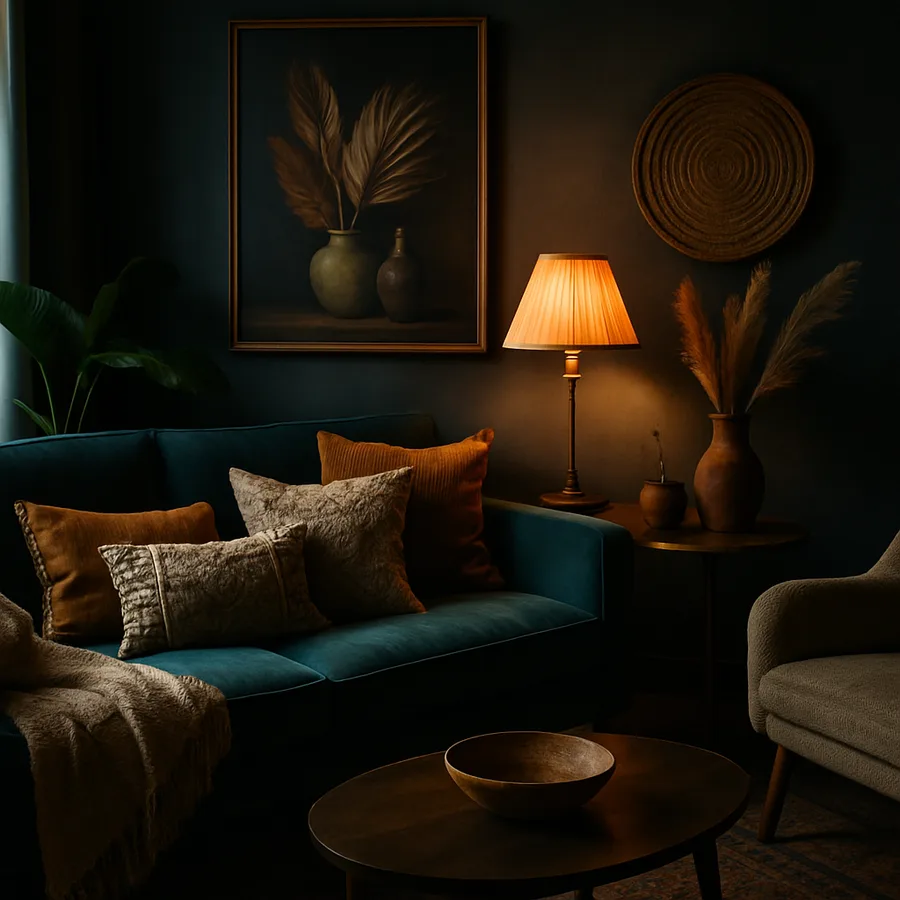
Ever walked into a room and felt an overwhelming sense of disjointedness, where nothing seemed to fit together? The struggle to harmonize different interior design styles is a common conundrum for many homeowners. With countless options and trends to choose from, the challenge often lies in creating a cohesive look that truly reflects your personality while maintaining functionality. This article explores the significance of mastering interior design, delves into root causes of design dilemmas, and presents practical solutions for all home styles. Let's embark on this journey to unleash your creativity and transform your space into a masterpiece.
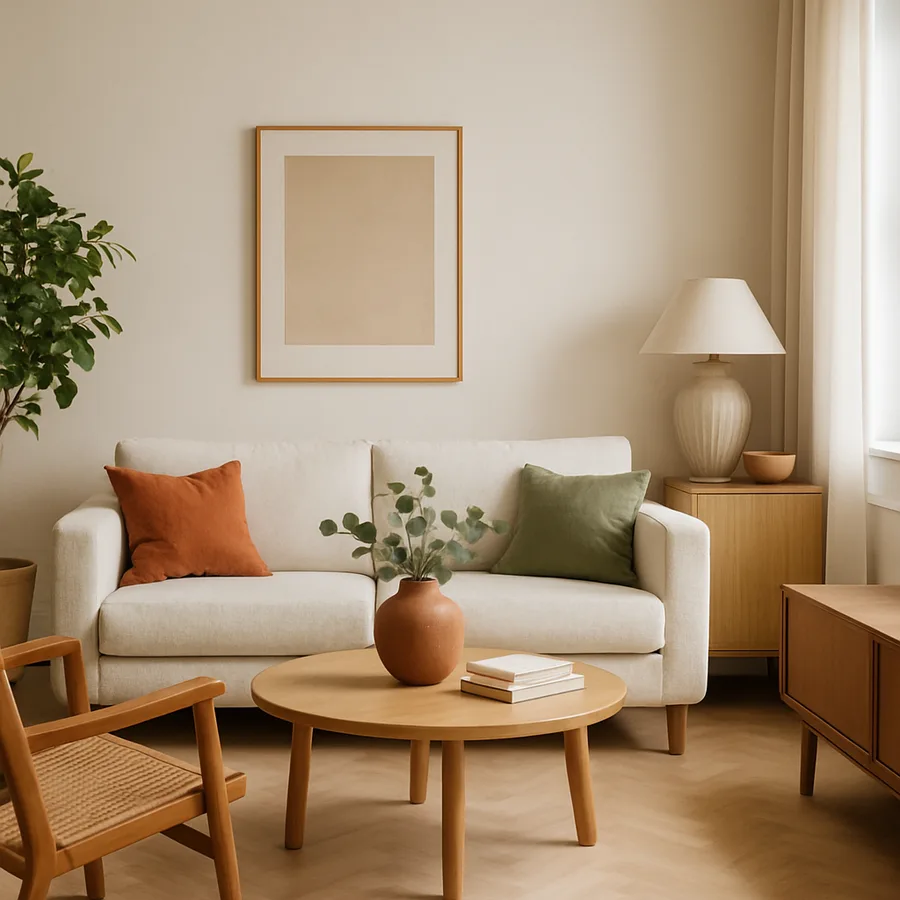
Why This Problem Matters
In the realm of interior design, the inability to integrate varying styles can lead to a chaotic and uncomfortable environment. According to a survey by the Houzz, 65% of homeowners admitted to feeling overwhelmed by design choices, which can hinder the design process significantly. A poorly designed space not only affects aesthetics but can also impact your daily mood and productivity. Imagine trying to unwind in a cluttered, mismatched living room-it's far from the serene retreat you envisioned.
Moreover, mismatched interiors can decrease a home's resale value. Well-coordinated designs are proven to increase property value by approximately 5-15%, according to the American Society of Interior Designers (ASID). This financial impact underscores the importance of cohesive design in real estate. Prospective buyers often look for spaces that require minimal changes, making your investment in good design a lucrative decision.
Additionally, the emotional impact of a disjointed home environment can be profound. Your home should be a sanctuary, a place where you feel both at ease and inspired. When your surroundings don't align with your personal style, it can lead to feelings of dissatisfaction and restlessness. Understanding and addressing this issue could significantly enhance your quality of life, offering both aesthetic pleasure and emotional comfort.
Recognizing the broader impact of interior design misalignment sets the stage for understanding why these issues arise in the first place. Let's explore the root causes of design challenges in the next section.
Understanding the Root Causes
The difficulty in mastering interior design often stems from a lack of understanding of design principles and personal style. Many homeowners are unsure how to blend different elements cohesively, resulting in a space that lacks harmony. A key factor is the overwhelming abundance of design options available. With the rise of platforms like Houzz and Pinterest, there is no shortage of inspiration, but this can also lead to confusion and indecision.
Another root cause is the absence of a clear design plan. Without a detailed roadmap, it becomes challenging to ensure that every piece of furniture, color, and accessory works together. A comprehensive plan includes understanding the layout, color schemes, and the function of each space. Experienced professionals often note that a lack of planning results in impulse purchases that clash with existing decor.
Lastly, budget constraints can significantly impact design decisions. While it's tempting to follow the latest trends, not all are feasible within a limited budget. Understanding how to achieve a high-end look without overspending is crucial. The key is to invest in timeless pieces that offer both durability and style, rather than chasing fleeting fads. Now that we've identified the root causes, let's explore practical solutions to master interior design for every home style.
Solution #1: Harmonizing Styles with Design Principles
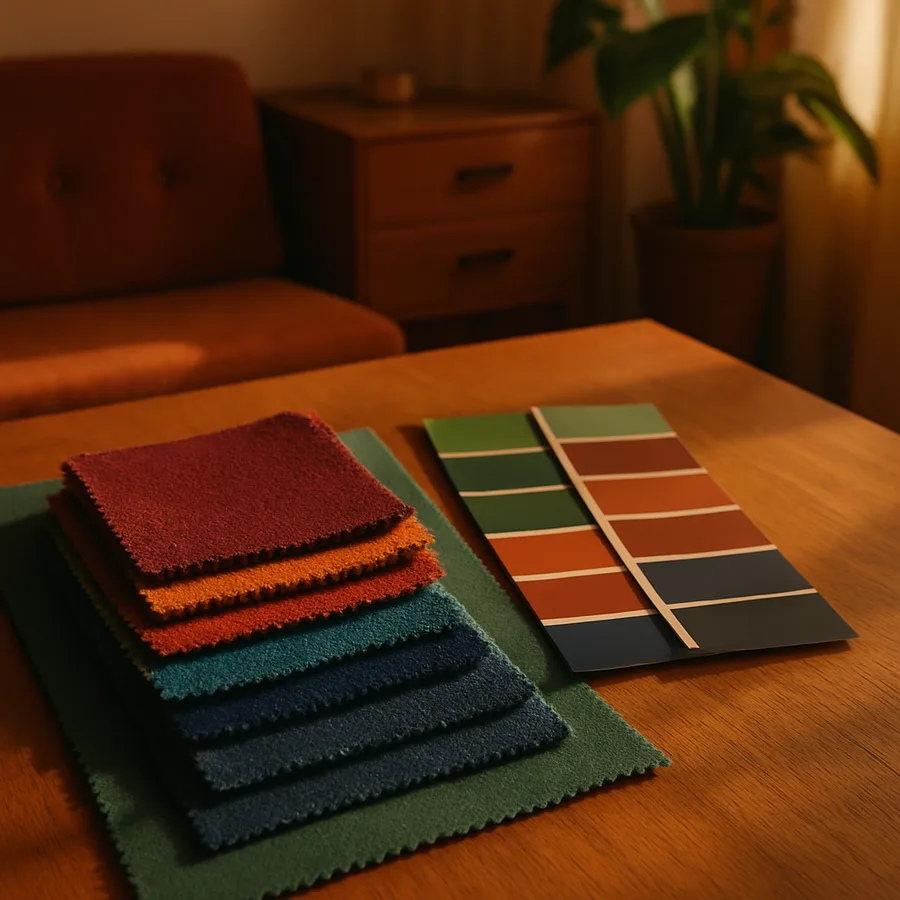
One effective approach to mastering interior design is to apply foundational design principles. These principles-balance, contrast, scale, and proportion-serve as the backbone of any well-designed space. For instance, balance can be achieved by arranging furniture symmetrically, ensuring that the visual weight is evenly distributed across the room. This creates harmony and prevents any one area from feeling too heavy or cluttered.
Contrast is another powerful tool that can enhance the aesthetic appeal of a room. By juxtaposing different textures, colors, and shapes, you can create a dynamic and engaging environment. An example might be pairing a sleek, modern sofa with a rustic, wooden coffee table. This contrast adds depth and interest, preventing the space from feeling monotonous. The International Interior Design Association (IIDA) emphasizes the importance of contrast in creating visually captivating interiors.
Scale and proportion are also critical in ensuring that all elements of a room work together cohesively. This involves selecting furniture and decorations that are appropriately sized for the space. A common mistake is choosing oversized furniture for a small room, which can make the area feel cramped. Conversely, too-small pieces can feel out of place in a large room. By paying attention to these principles, you can create a balanced and visually pleasing environment. As we transition into the next section, we'll explore an alternative solution that emphasizes personal style discovery.
Solution #2: Discovering and Reflecting Personal Style
Another approach to mastering interior design is to focus on discovering and reflecting your personal style. Start by curating a collection of images that resonate with you, whether from magazines, social media, or design websites. Platforms like Instagram and Pinterest are excellent resources for gathering inspiration and identifying common themes that appeal to you.
Once you've identified your style preferences, consider how these elements can be incorporated into your existing space. Are you drawn to the minimalism of Japandi, or perhaps the organic textures of biophilic design? Understanding your tastes allows you to make intentional choices that reflect who you are. The key is to integrate these elements subtly, ensuring they complement rather than overwhelm your current decor.
Professional interior designers often suggest creating a mood board to visualize how different elements will come together. This tool helps you experiment with colors, textures, and patterns before committing to any purchases. A mood board serves as a tangible representation of your vision, guiding your design decisions and ensuring consistency. With a clearer sense of personal style, you can confidently move forward in your design journey. Now, let's compare these solutions to help you decide which path is best for you.
Comparing Your Options
Both approaches to mastering interior design-applying design principles and discovering personal style-offer unique advantages. The design principles approach provides a structured framework, ensuring that your space adheres to time-tested guidelines. It's particularly beneficial for those who prefer a more traditional and balanced aesthetic. However, it may feel restrictive if you desire a more eclectic or personalized space.
On the other hand, focusing on personal style offers a more flexible and individualized approach. This method encourages creativity and self-expression, allowing you to create a space that truly resonates with your personality. However, it requires a certain level of confidence and decisiveness, as there's a risk of veering off course without the guidance of established principles.
When considering costs, both approaches can be adapted to fit various budgets. The design principles approach may involve investing in key pieces that adhere to balance and proportion, while the personal style method might prioritize unique, statement items that reflect your tastes. Ultimately, the choice between these options depends on your design goals and personal preferences. In the next section, we'll provide a step-by-step guide to implementing your chosen solution effectively.
Implementation Guide
To put your interior design plans into action, begin by establishing a clear timeline and budget. Determine which areas of your home require immediate attention and allocate funds accordingly. A phased approach allows you to tackle projects gradually, reducing financial strain and giving you time to adjust as your style evolves.
Next, start sourcing materials and furniture. If you're following the design principles approach, focus on finding pieces that fit the criteria of balance, contrast, scale, and proportion. For those leaning toward personal style, seek out unique items that reflect your aesthetic. Consider visiting local shops or exploring online marketplaces for vintage finds and sustainable options.
Finally, plan the layout and arrangement of your space. Experiment with different configurations until you find one that maximizes both functionality and visual appeal. Don't hesitate to consult with professionals or reference resources from organizations like the National Council for Interior Design Qualification (NCIDQ) for guidance. Implementing these strategies will help you create a home that is both stylish and comfortable. As we conclude, let's summarize your path forward and offer a final call to action.
Conclusion
Mastering interior design for every home style is an achievable goal with the right strategies and mindset. Whether you choose to adhere to established design principles or explore your personal style, both approaches offer pathways to creating a cohesive and inviting home. Remember, the key to success lies in planning, intentionality, and a willingness to experiment.
Begin your design journey by identifying your priorities and gathering inspiration. Start by browsing portfolios on Houzz this week-spending even 20 minutes can sharpen your eye for what you truly want. Ready to transform your space? Take that first step today.
More Articles You May Like



Comments
Post a Comment