Unlock Your Dream Home Aesthetic with Our Interactive Interior Design Style Quiz!
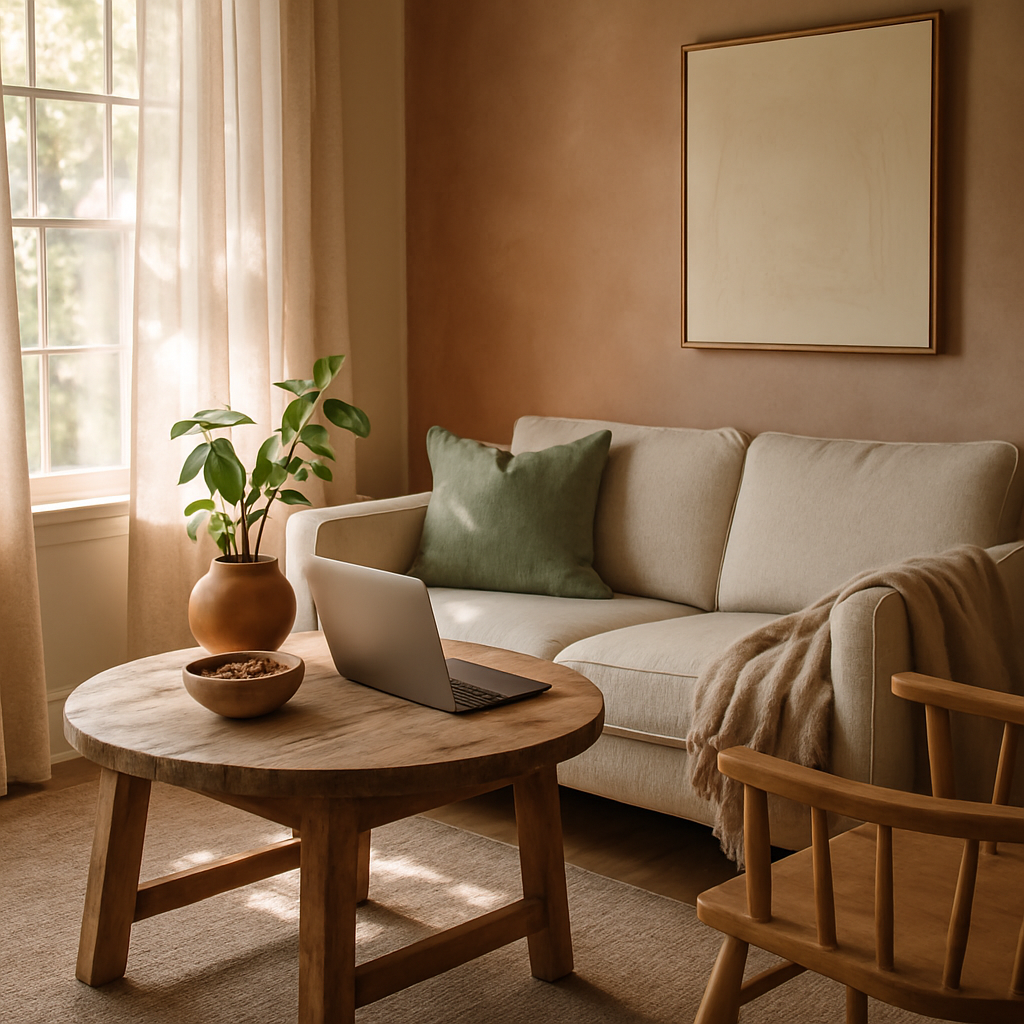
What if a few thoughtful questions could unlock the design direction you have been searching for all along? Many homeowners spend months browsing inspiration photos without ever landing on a cohesive vision for their space. According to the International Interior Design Association (IIDA), the average homeowner considers over 200 design images before making a single purchase decision, often leading to decision fatigue rather than clarity. An interactive style quiz cuts through that noise by systematically mapping your instinctive preferences to established design philosophies. In this comprehensive guide, we will explore how interactive quizzes work, what the major design styles look like in practice, and how you can use your results to create a home that reflects who you truly are. Whether you are planning a full renovation or simply refreshing a room, this is where your design journey gains real momentum.
The Science Behind Interior Design Style Quizzes
Interactive design quizzes are not just entertaining diversions; they are grounded in principles of environmental psychology and preference mapping that have been studied for decades. When a quiz presents you with paired choices between different room configurations, color palettes, or furniture arrangements, it is essentially running a simplified conjoint analysis, the same technique market researchers use to understand consumer preferences. Each answer contributes data points that collectively reveal a preference profile far more nuanced than simply asking someone to name their favorite style. The American Society of Interior Designers (ASID) has advocated for this kind of structured discovery process, noting that many clients lack the vocabulary to describe what they want but can reliably identify it when they see it.
The interactive element of a well-designed quiz adds a layer of engagement that static checklists cannot match. When you swipe through room images, drag preference sliders, or rank material samples in order of appeal, your brain processes these choices differently than when reading text descriptions. Cognitive research suggests that visual-spatial decision-making activates different neural pathways than verbal reasoning, meaning the quiz can access design preferences that a conversation alone might miss. This is why many NCIDQ-certified designers report that quiz-style assessments often reveal surprises that lead to breakthrough design concepts their clients would never have articulated on their own.
The algorithm behind most reputable design quizzes weighs your responses across multiple dimensions and produces a primary style match along with secondary influences. This blended result is important because very few people fall neatly into a single design category. You might be predominantly drawn to mid-century modern furniture forms but have a strong secondary affinity for the organic textures of biophilic design, resulting in a unique hybrid that feels authentically yours. Understanding these layers of preference allows for more sophisticated design outcomes than a one-size-fits-all approach ever could. Have you noticed that the spaces you find most appealing tend to blend elements from multiple design traditions?
Japandi: Where East Meets North
Japandi has emerged as one of the most compelling design philosophies for homeowners seeking serenity without sterility, combining the clean lines and functional beauty of Scandinavian design with the contemplative refinement of Japanese aesthetics. The result is spaces that feel warm yet uncluttered, simple yet deeply considered. Materials play a central role in Japandi interiors, with light-toned woods like ash and birch meeting darker Japanese influences like walnut and bamboo, creating a tonal contrast that adds depth without visual noise. Houzz trend reports consistently rank Japandi among the most searched styles, reflecting a broad cultural shift toward intentional living and mindful consumption.
What distinguishes Japandi from ordinary minimalism is its emphasis on craft and imperfection. The Japanese concept of wabi-sabi, which finds beauty in natural imperfection and the passage of time, infuses Japandi spaces with a warmth that clinical minimalism often lacks. A hand-thrown ceramic vase with visible tool marks, a reclaimed wood shelf with natural grain variations, or a linen curtain that drapes with organic irregularity are all hallmarks of this style. These imperfect elements invite touch and create emotional connection, transforming a room from a showpiece into a living space. Professional designers who specialize in this aesthetic often source pieces from artisan workshops rather than mass-market retailers to maintain authenticity.
Integrating Japandi principles into your home does not require a complete overhaul or a substantial budget. Start by decluttering to create breathing room, then introduce natural materials through textiles, accessories, and a few well-chosen furniture pieces. A low-profile platform bed, a simple wooden bench by the entryway, or a set of handcrafted stoneware for your dining table can immediately shift the mood of a space toward Japandi calm. Smart home technology can complement this style beautifully when hidden within the architecture, with automated lighting that mimics natural daylight cycles and climate systems that maintain the comfortable, consistent environment this design philosophy demands. The key is restraint guided by intention, choosing each element for both its function and its capacity to bring joy.
Smart Home Integration as a Design Philosophy
Smart home technology has evolved far beyond the novelty phase and is now a fundamental consideration in contemporary interior design. Today, designers working at the intersection of technology and aesthetics treat smart systems not as gadgets to be accommodated but as integral elements that shape how a space functions and feels. Automated lighting systems that adjust color temperature throughout the day can transform a room from an energizing workspace in the morning to a calming retreat in the evening, all without touching a switch. IIDA research indicates that homes with integrated smart systems command a measurable premium in the real estate market, making this investment both a lifestyle and financial consideration.
The challenge for designers is integrating technology so seamlessly that it enhances the aesthetic rather than competing with it. Visible wires, bulky hubs, and prominent screens can undermine even the most carefully curated interior. Leading design firms now work with custom cabinetry makers and architects to conceal smart home infrastructure within walls, furniture, and built-in elements. Motorized window treatments disappear into architraves, whole-home audio systems hide behind acoustically transparent wall panels, and climate controls operate through minimalist interfaces that complement the room's design language. When technology becomes invisible, it serves the space rather than dominating it.
For quiz-takers who discover a strong affinity for smart home design, the practical next step involves auditing your current technology ecosystem and identifying gaps. Consider which daily routines could benefit from automation: morning light sequences that replace jarring alarm clocks, automated shade adjustments that protect furniture from UV damage, or occupancy sensors that manage energy consumption when rooms are unoccupied. Professional designers with expertise in smart home integration, many of whom hold additional certifications from ASID in technology-focused design, can create systems that are intuitive for every household member, from tech-savvy adults to children and elderly family members. What daily routine in your home would benefit most from intelligent automation?
Quiet Luxury and the Art of Understated Elegance
Quiet luxury represents a deliberate departure from the logo-driven, trend-chasing approach to design that dominated previous decades. This philosophy centers on exceptional quality in materials and craftsmanship that those who appreciate fine design will recognize, while remaining understated enough to avoid ostentation. A quiet luxury living room might feature a sofa upholstered in Italian bouclé fabric, set on a hand-knotted silk rug, with a coffee table crafted from a single slab of rare marble, yet the overall impression is one of calm sophistication rather than conspicuous display. AD PRO has documented how this approach has gained tremendous traction among homeowners who want their investment in quality to be felt rather than broadcast.
The financial commitment to quiet luxury is significant but strategically different from other high-end approaches. Rather than spreading budget across many decorative elements, this style advocates concentrating resources on fewer pieces of extraordinary quality that will endure for decades. A bespoke dining table from a master woodworker might cost what an entire room of mid-range furniture would, but it becomes a centerpiece that anchors the space for a generation. Professional designers operating in this space, with fees typically ranging from $250 to $500 per hour, bring invaluable knowledge of ateliers, workshops, and material suppliers that are invisible to the general consumer market. Their expertise ensures that every dollar invested in quiet luxury delivers proportionate returns in quality and longevity.
If your quiz results point toward quiet luxury, begin by assessing your existing possessions with a critical eye toward quality rather than quantity. Identify the pieces that already meet the standard of craftsmanship this style demands and build around them, gradually replacing lower-quality items with carefully selected investments. Neutral color palettes with rich tonal variation work particularly well in these interiors, creating a backdrop that allows material quality and craftsmanship details to take center stage. The tactile experience matters enormously in quiet luxury spaces, so prioritize materials that feel exceptional against the skin, from Egyptian cotton bedding to cashmere throws to hand-finished stone countertops. Every surface should reward closer inspection and physical contact.
Biophilic Design: Bringing Nature Indoors
Biophilic design goes beyond decorating with plants; it is a comprehensive approach to creating built environments that satisfy the human need for connection with the natural world. Research from environmental psychology has shown that exposure to natural elements within interior spaces can reduce blood pressure, lower stress hormones, and improve concentration by as much as 15%. These are not marginal benefits; they represent meaningful improvements in quality of life that make biophilic design as much a health decision as an aesthetic one. The ASID has recognized this growing body of evidence by incorporating biophilic principles into their continuing education requirements for member designers.
Implementing biophilic design effectively requires thinking beyond potted plants and nature-themed artwork. True biophilic interiors engage multiple senses and operate at both the material and spatial level. Natural ventilation systems that bring fresh air flow into rooms, water features that provide gentle ambient sound, natural stone and timber that offer tactile variation, and large windows that frame views of sky and greenery all contribute to a genuinely biophilic environment. Light is perhaps the most important element, with circadian-aligned lighting systems that mimic the gradual shifts of natural daylight from cool morning blue to warm evening amber, supporting healthy sleep-wake cycles and general well-being.
The intersection of biophilic design and smart home technology creates particularly exciting possibilities for homeowners whose quiz results show affinity for both styles. Automated irrigation systems can maintain living walls and indoor gardens without manual intervention. Environmental sensors can monitor air quality, humidity, and temperature, making adjustments that keep indoor conditions within the ranges that research identifies as optimal for human comfort and cognitive performance. NCIDQ-certified designers working in this space often collaborate with landscape architects and environmental engineers to create holistic systems where technology serves nature rather than replacing it. What natural element do you miss most when spending time indoors?
Making Your Quiz Results Work in Every Room
Your quiz results provide a design compass, but applying that direction room by room requires thoughtful adaptation. A style that works beautifully in a living room may need modification for a kitchen, bathroom, or home office where functional demands are different. The key is maintaining stylistic coherence while respecting each room's unique purpose. Houzz professionals suggest choosing three to five defining elements from your primary style, such as a specific material palette, furniture silhouette, or color range, and carrying those elements throughout your home while allowing room-specific variations in how they are expressed.
Bedrooms, for example, demand a heightened emphasis on comfort and sensory calm regardless of your primary style. A Japandi bedroom would lean into the softer side of that aesthetic with organic cotton bedding, blackout window treatments in natural linen, and warm wood nightstands with clean lines. A quiet luxury bedroom might feature an upholstered headboard in sumptuous velvet, layered cashmere and silk bedding, and sconces with warm, dimmable light. The IIDA publishes guidelines for residential bedroom design that emphasize the importance of controlling light, sound, and temperature, principles that apply across all styles but are expressed through style-specific material choices and spatial arrangements.
Home offices have become a critical design consideration, and your quiz results can guide you toward a workspace that supports both productivity and well-being. If biophilic design is your match, position your desk near a window with a natural view, introduce a small desktop water feature for ambient sound, and choose a task chair with natural fabric upholstery. If smart home integration defines your style, invest in automated lighting that shifts from cool focus-enhancing tones during work hours to warmer tones as the day winds down, paired with a standing desk that adjusts to preset heights on a schedule. Whatever your style, the most successful home offices balance aesthetic consistency with ergonomic precision, creating spaces where you can work effectively for hours without physical discomfort or visual fatigue.
Conclusion
Your dream home aesthetic is not hiding somewhere in an endless scroll of inspiration images; it already lives within your instinctive preferences, waiting to be recognized and articulated. An interactive interior design style quiz provides the structured framework to translate those gut feelings into a coherent design direction, whether that leads you toward the serene simplicity of Japandi, the refined restraint of quiet luxury, the nature-connected warmth of biophilic design, or the seamless intelligence of smart home integration. The insights you gain from understanding your primary and secondary style affinities can save you from costly mistakes, shorten your decision-making timeline, and give you the confidence to create spaces that feel genuinely like home. Take the quiz, build your mood board, and consider partnering with an ASID or IIDA-certified professional who can translate your vision into reality. The most rewarding design journeys begin with honest self-discovery, and your next chapter starts with a single question: what does your ideal room look and feel like?
More Articles You May Like



Comments
Post a Comment