Top Benefits of Pursuing a Master's in Interior Design for Career Advancement
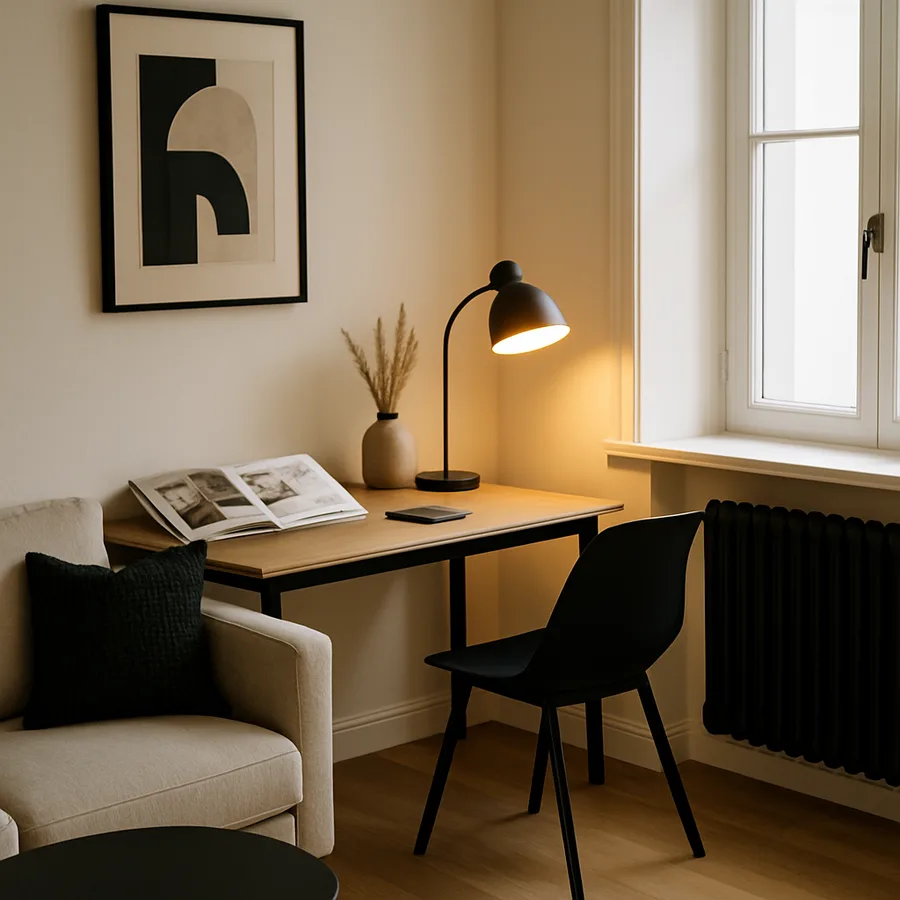
Imagine walking into a beautifully designed space, one that effortlessly blends aesthetics with functionality, making you feel at ease immediately. This is the power of interior design, a field that shapes our environments and influences our daily experiences. Yet, for many professionals in the industry, reaching the pinnacle of their career can feel like navigating a maze. How do you stand out in a competitive field? How do you advance your career when everyone is striving for the same goal? Pursuing a master's in interior design might be the key to unlocking those doors. This article will explore the pain points of career stagnation and how advanced education can provide solutions, offering a roadmap to professional growth and recognition.

Why This Problem Matters
In the world of interior design, standing out is more challenging than ever. The industry is flooded with talented individuals, each vying for the same coveted positions and projects. According to a survey by the American Society of Interior Designers (ASID), over 50% of interior designers feel that career advancement opportunities are limited due to high competition and market saturation. This sentiment is echoed across the board, from newly graduated designers to seasoned professionals.
Moreover, the demand for specialized skills is growing. Clients are increasingly seeking designers who can integrate sustainable practices, smart technologies, and biophilic design elements into their projects. Without advanced knowledge and skills, many designers find themselves unable to meet these evolving client demands, which can stall their career progress. This is where a master's degree becomes invaluable, equipping professionals with the expertise needed to remain competitive.
The implications of career stagnation are significant. Not only does it affect job satisfaction and financial stability, but it can also impact an individual's passion and creativity. As the industry evolves, staying ahead of trends and acquiring new skills is essential. The question remains: how can you ensure you're not just keeping up but leading the way in interior design?
Understanding the Root Causes
One of the primary root causes of career stagnation in interior design is the lack of formal education beyond the undergraduate level. While a bachelor's degree provides a strong foundation, it often isn't enough to propel a professional to the next level of expertise and recognition. According to the International Interior Design Association (IIDA), advanced education, such as a master's degree, is crucial for those seeking leadership roles or specialized positions.
Another contributing factor is the rapidly changing landscape of the interior design industry. Trends such as biophilic design and smart home integration require designers to continuously update their knowledge and skills. Without a structured educational program, many designers struggle to keep up with these changes, which can hinder their ability to offer cutting-edge solutions to clients.
Finally, the absence of industry-recognized credentials can also impede career advancement. Credentials such as the NCIDQ (National Council for Interior Design Qualification) certification are often prerequisites for senior positions and consulting roles. A master's program often includes preparation for such certifications, providing a direct path to enhancing one's professional standing. Understanding these root causes is essential for identifying the right solutions to advance your career in interior design.

Solution #1: Pursuing a Master's Degree
Enrolling in a master's program in interior design offers a structured pathway to acquiring advanced skills and knowledge. These programs typically cover a wide range of topics, from sustainable design practices to advanced project management. According to ASID, professionals with a master's degree tend to earn 20% more than those with just a bachelor's degree, highlighting the tangible financial benefits of further education.
Moreover, a master's degree provides access to a network of industry experts, mentors, and peers. These connections can be invaluable for career advancement, offering opportunities for collaboration, mentorship, and job placements. Many programs also provide students with the chance to work on real-world projects, further enhancing their practical experience and portfolio.
Perhaps one of the most compelling reasons to pursue a master's degree is the specialized knowledge it offers. Programs often allow students to focus on areas such as sustainable design, digital visualization, or hospitality design. This specialization can set you apart in a crowded job market, making you the go-to expert for specific client needs. With a master's degree, you're not just keeping pace with industry changes; you're setting the pace yourself.
Solution #2: Alternative Educational Pathways
For those who may not have the time or resources to pursue a full master's degree, alternative educational pathways can also offer significant career advancement opportunities. Short-term certificate programs, offered by institutions like NKBA (National Kitchen & Bath Association), focus on specific skills such as kitchen and bath design, providing targeted expertise without the time commitment of a master's program.
Online courses and workshops are another viable option. Platforms such as Houzz and Coursera offer courses that cover the latest design trends and technologies. These courses allow for flexibility, enabling designers to learn at their own pace while balancing work commitments. Experienced professionals often note that continuous learning through online platforms keeps their skills sharp and their knowledge current.
Another alternative is mentorship and apprenticeships. Working under the guidance of a seasoned designer can provide hands-on experience and insights that are difficult to gain through traditional education alone. This approach also fosters strong industry connections, which can lead to new opportunities and career growth. While these alternatives may not replace the depth of a master's program, they provide valuable pathways to enhance your skills and advance your career.
Comparing Your Options
When considering the pursuit of a master's degree versus alternative educational pathways, it's essential to weigh the pros and cons of each option. A master's program offers comprehensive education and recognized credentials, but it also requires a significant investment of time and money. Tuition can range from $30,000 to $50,000 per year, and programs typically last two to three years.
In contrast, certificate programs and online courses are more affordable and flexible. They allow you to focus on specific skills without the long-term commitment of a degree program. However, these alternatives may not carry the same weight in terms of industry recognition and career advancement potential. The choice between these options depends on your career goals, available resources, and personal circumstances.
Ultimately, your decision should align with your professional aspirations. Are you aiming for a leadership role or specialized position that requires a master's degree? Or do you seek to enhance specific skills while maintaining your current career trajectory? Understanding the benefits and limitations of each option will help you make an informed decision that aligns with your career objectives.
Implementation Guide
If you decide to pursue a master's degree, begin by researching accredited programs that align with your interests and career goals. Look for programs recognized by organizations like ASID or IIDA, ensuring they provide a comprehensive curriculum and industry connections. Reach out to alumni or current students to gain insights into the program's strengths and potential areas for growth.
For those opting for alternative educational pathways, identify the specific skills you wish to develop. Research online courses, workshops, and certificate programs that align with these goals. Consider setting a timeline for completing these courses and seek feedback from industry peers to ensure the training is relevant and up-to-date.
Engage with the design community to enhance your learning experience, regardless of the path you choose. Attend industry events, participate in online forums, and connect with professionals on platforms like LinkedIn. These interactions can provide additional learning opportunities and expand your professional network, further supporting your career advancement.
Conclusion
The decision to pursue a master's in interior design or explore alternative educational pathways is a significant step toward career advancement. Both options offer unique benefits and challenges, and the right choice depends on your personal and professional goals. By investing in your education and continuously honing your skills, you position yourself as a leader in the field, ready to tackle future challenges.
Start by exploring accredited programs and online courses today. Even dedicating a few hours each week to research and learning can make a substantial difference in your career trajectory. Remember, the interior design industry rewards those who are proactive and committed to their craft. Take action now, and open the door to new opportunities and professional growth.
More Articles You May Like


Comments
Post a Comment