The Future of Interior Design Careers: Skills You Need to Succeed
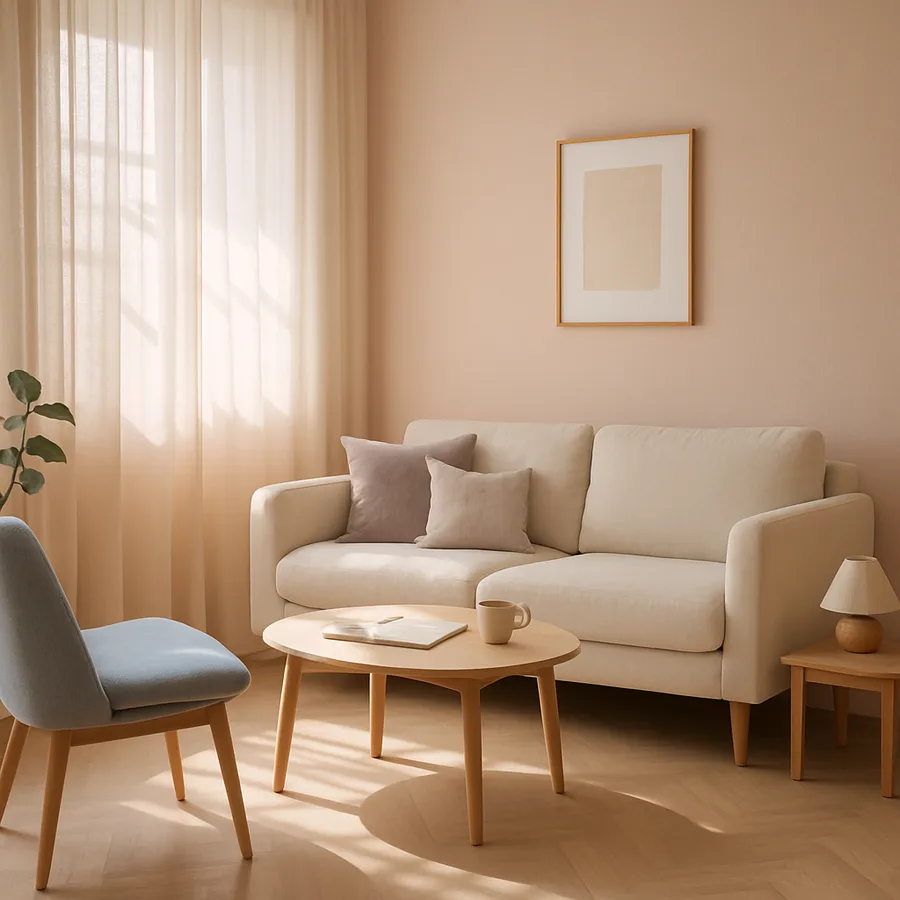
Imagine entering a room that feels both innovative and inviting, where design elements seamlessly blend to create an inspiring environment. This is the hallmark of a skilled interior designer. However, many aspiring designers face the challenge of gaining the necessary skills to thrive in this dynamic field. As the industry evolves, the demand for new competencies grows, leaving many wondering how to stay relevant. In this article, we will explore the essential skills needed for a successful interior design career, delve into the challenges designers face, and provide actionable solutions to overcome these hurdles.
Why This Problem Matters
The interior design industry is undergoing a significant transformation, driven by advancements in technology and shifting consumer preferences. According to a survey conducted by the American Society of Interior Designers (ASID), professionals who adapt to these changes can see a 15% increase in project demand. However, those who lack the necessary skills risk falling behind, losing out on lucrative opportunities. This evolving landscape places a premium on continuous learning and adaptation.
Moreover, the financial implications for designers who fail to keep up are substantial. Well-designed interiors are known to add 5-15% to a property's resale value, a statistic often cited in the industry. Without the ability to leverage current design trends, such as sustainable materials or smart home integration, designers may miss out on these added-value projects. The pressure to deliver high-quality, innovative designs is more intense than ever.
For aspiring designers, the pathway to success involves more than just creativity. It requires a comprehensive understanding of technical skills, business acumen, and the ability to predict and adapt to future trends. As clients become more discerning, they expect not only aesthetic appeal but also functionality and sustainability in design solutions. This expectation further underscores the need for a multifaceted skill set.
Understanding the Root Causes
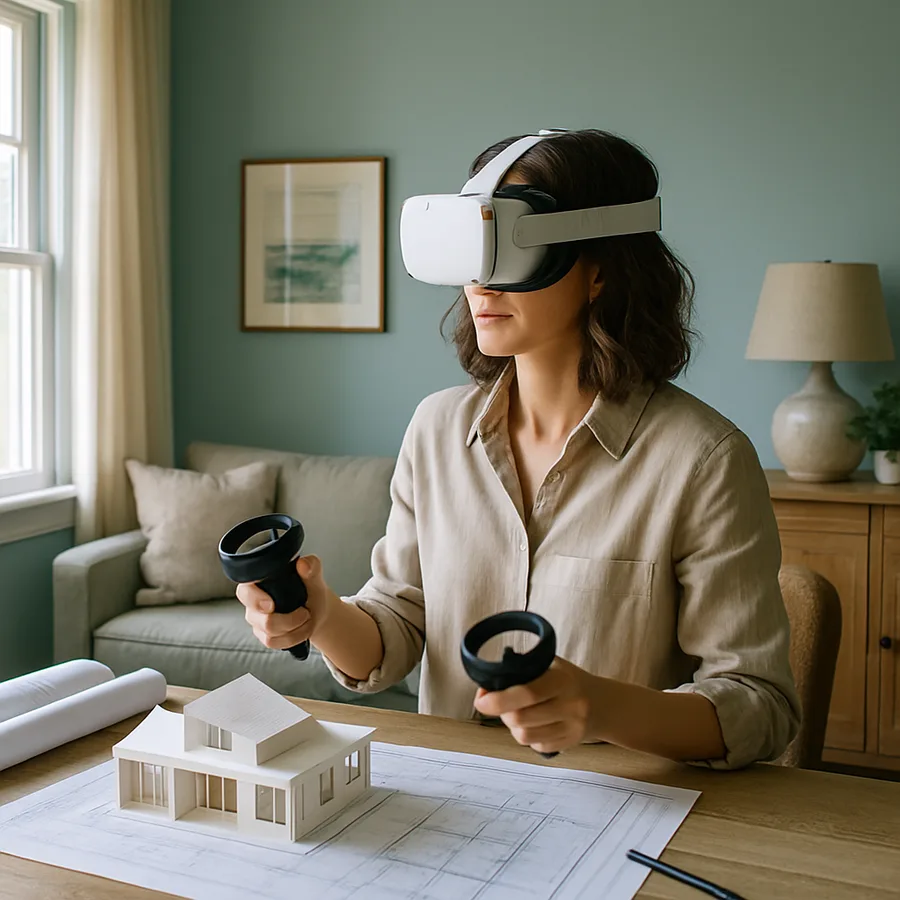
One of the primary factors contributing to the skills gap in the interior design industry is the rapid pace of technological advancement. Emerging tools like virtual reality (VR) and augmented reality (AR) are transforming how designers visualize and present their ideas. According to the International Interior Design Association (IIDA), designers who are adept at using these technologies can significantly enhance client satisfaction by providing immersive design experiences.
Another contributing factor is the growing emphasis on sustainability and eco-friendly design practices. With increasing awareness of environmental issues, clients are demanding designs that incorporate sustainable materials and energy-efficient solutions. This shift requires designers to have a robust understanding of green building principles and materials sourcing, which can be a steep learning curve for those new to the field.
Furthermore, the industry is seeing a trend towards interdisciplinary collaboration, where designers must work closely with architects, contractors, and other stakeholders. This collaboration demands strong communication and project management skills, which are not always emphasized in traditional design education. As a result, many designers find themselves unprepared for the collaborative nature of modern design projects.
Solution #1: Embrace Continuous Learning
To address the skills gap, aspiring interior designers must commit to lifelong learning. Engaging in continuous education through workshops, online courses, and certifications can provide a competitive edge. For instance, obtaining the National Council for Interior Design Qualification (NCIDQ) certification demonstrates a high level of expertise and commitment to the profession.
Online platforms such as Houzz offer a wealth of resources for designers looking to expand their knowledge. From design forums to webinars hosted by industry leaders, these platforms provide invaluable insights into current trends and best practices. Additionally, subscribing to industry publications like Architectural Digest can keep designers informed about the latest innovations and design philosophies.
Networking with other professionals is another crucial aspect of continuous learning. Attending industry events and joining professional organizations such as ASID or IIDA can facilitate connections with seasoned professionals who can offer guidance and mentorship. This network not only provides support but can also open doors to collaborative opportunities and new projects.
Solution #2: Develop Technical Proficiency
Another critical solution is to develop technical proficiency in areas such as design software and digital tools. Mastery of programs like AutoCAD, SketchUp, and Adobe Creative Suite is essential for creating detailed design plans and presentations. Experienced professionals often note that proficiency in these tools can streamline workflow and enhance the overall quality of design work.
Moreover, familiarizing oneself with emerging technologies such as AR and VR is becoming increasingly important. These tools allow designers to create interactive, 3D models of their projects, offering clients a realistic preview of the finished space. By incorporating these technologies into their skill set, designers can differentiate themselves in a competitive market.
Investing time in learning about smart home technologies can also be advantageous. As more clients seek to integrate features like automated lighting, climate control, and window treatments, designers who understand these systems can provide more comprehensive solutions. This knowledge not only meets client demands but also positions designers as forward-thinking professionals.
Comparing Your Options
When considering how to build the necessary skills for a successful interior design career, it's important to weigh the pros and cons of each approach. Continuous learning through formal education offers structured knowledge acquisition and credibility through certifications. However, it can be time-consuming and costly, with programs ranging from a few hundred to several thousand dollars.
On the other hand, self-directed learning through online resources and networking can be more flexible and cost-effective. Platforms like Coursera and LinkedIn Learning offer affordable courses that allow designers to learn at their own pace. While this approach may require more self-discipline, it enables designers to tailor their learning to specific interests and project needs.
Ultimately, the best approach may involve a combination of both formal and informal education. By integrating structured courses with self-guided exploration and professional networking, designers can build a well-rounded skill set that addresses both industry standards and emerging trends. This hybrid approach ensures designers remain adaptable and prepared for future challenges.
Implementation Guide
To successfully implement these solutions, start by assessing your current skill set and identifying areas for improvement. Create a personalized learning plan that includes both short-term and long-term goals. Consider enrolling in courses that align with your interests and career objectives, and set aside dedicated time each week for learning and practice.
Next, actively seek out opportunities for hands-on experience. Internships, part-time work, or volunteer projects can provide practical insights into the industry and help reinforce new skills. Participating in design competitions or collaborating on projects can also enhance your portfolio and build your reputation within the industry.
Finally, commit to staying informed about industry trends and innovations. Regularly review design publications, attend webinars, and engage with professional organizations. By remaining connected to the interior design community, you can continue to learn from peers and industry leaders, ensuring your skills remain relevant and in demand.
Conclusion
The future of interior design careers hinges on the ability to adapt and acquire new skills. By embracing continuous learning and developing technical proficiency, designers can position themselves for success in an evolving industry. Whether through formal education, self-directed learning, or networking, the path to mastery involves a commitment to growth and innovation.
Are you ready to take the next step in your interior design career? Start by exploring educational resources and connecting with industry professionals. Begin your journey today by browsing portfolios on Houzz or enrolling in an online course. Even dedicating 20 minutes a day to skill development can set you on the path to a successful and fulfilling career in interior design.
More Articles You May Like



Comments
Post a Comment