Maximize Small Spaces: Clever Interior Design Ideas for Compact Living
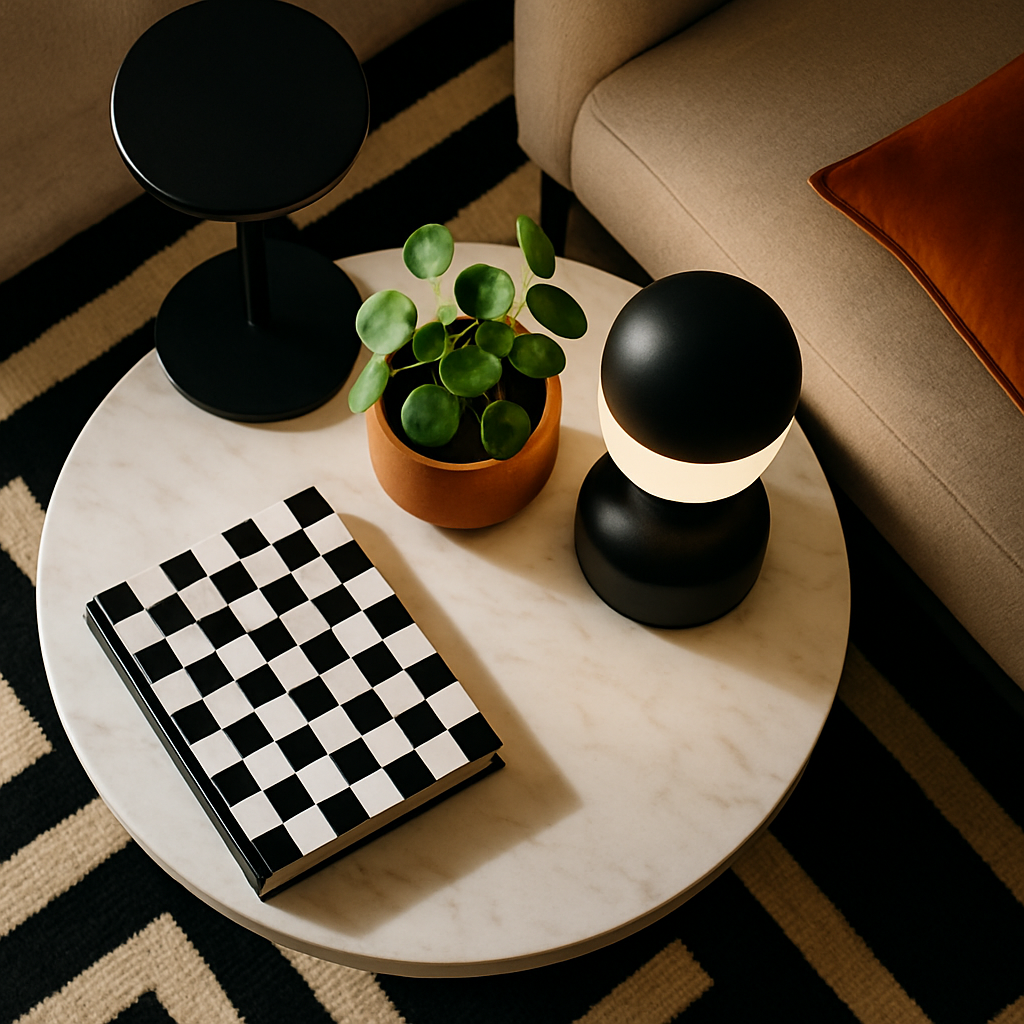
Did you know that 80% of city dwellers live in small apartments, often finding it challenging to make the most of their limited square footage? According to a 2023 Houzz survey, homeowners consistently rank maximizing space as a top priority. If you're among those wrestling with cramped quarters, fear not - expert interior design strategies can transform even the tiniest of homes into efficient, stylish havens. This article offers a roadmap for maximizing small spaces through ingenious interior design ideas. From foundational concepts to expert-level details, we will guide you through every aspect of creating a beautifully functional compact living area.
Understanding Space Utilization in Compact Living
To maximize small spaces, it's essential first to understand the principles of effective space utilization. The key lies in the strategic use of every square inch, ensuring no area goes to waste. Start by analyzing your current layout - where do you spend the most time, and which areas are underutilized? For instance, corners often become dead zones, but with the right shelving, they can provide valuable storage.
Another foundational concept is the balance between aesthetics and functionality. While it's tempting to prioritize style, in small spaces, every piece must serve a dual purpose. This means selecting furniture that offers storage or can transform functions, such as a sofa bed or a coffee table with hidden compartments. Experienced professionals often note that the most efficient layouts are those that integrate these multi-functional elements seamlessly.
Finally, consider vertical space. Tall shelving units and wall-mounted storage solutions draw the eye upward, creating the illusion of height and openness. By leveraging wall space, you can free up floor area, making the room feel larger. As we transition to the next section, think about how these foundational ideas can translate into actionable strategies in your own living space.
The Impact of Smart Design Choices
When it comes to compact living, smart design choices can significantly impact the functionality and aesthetics of your home. According to the American Society of Interior Designers (ASID), incorporating natural light is one of the simplest yet most effective ways to make a small space feel larger. Consider using sheer curtains or blinds that can be easily drawn back to let in more light.
Color schemes also play a crucial role in space perception. Light colors and neutrals can make a room seem more expansive, while darker shades tend to close it in. Industry surveys suggest that a consistent color palette throughout the living space can enhance the flow and continuity, making it appear more spacious. You might ask yourself: does your current color scheme serve this purpose?
Furniture scale is another critical element. Bulky furniture can overwhelm a small room, so opt for pieces that are appropriately sized. Modular furniture, which can be rearranged and reconfigured, offers flexibility and adaptability for various needs and occasions. As we delve into actionable strategies, consider how these smart design choices can be implemented in your own home to enhance both form and function.
Actionable Strategies for Transforming Small Spaces
Now that we've laid the groundwork, let's explore actionable strategies for transforming your compact living area. One practical approach is to employ furniture that serves multiple purposes. For example, a daybed can function as a sofa during the day and a bed at night, effectively doubling its utility. This not only saves space but also adds versatility to your living arrangement.
Additionally, consider incorporating sliding doors to separate spaces. Unlike traditional doors, which require swing room, sliding doors save space and can add a modern touch to your home. They are particularly useful in studio apartments where defining separate zones for sleeping and living is desirable. Do you have any areas in your home where a sliding door could improve flow and usability?
Finally, embrace the concept of decluttering. Regularly assess your belongings and keep only what is necessary or brings you joy. This practice, inspired by the minimalist movement, not only creates more physical space but also contributes to a more serene and organized environment. As we move into expert-level details, consider how these strategies can be refined and tailored to your specific living space.
Expert-Level Details for Space Maximization
For those seeking to delve deeper into space maximization, understanding advanced design techniques is key. One such technique is the use of mirrors to create the illusion of more space. By strategically placing mirrors opposite windows, you can reflect light and scenery, making the room appear larger and more open. This is a popular trick among designers featured in Architectural Digest's AD PRO network.
Another expert tip is to incorporate biophilic design elements. This involves bringing the outdoors in through the use of natural materials, plants, and even living walls. Not only do these elements enhance the visual appeal of a space, but they also promote a sense of well-being and spaciousness. Imagine a small balcony transformed with lush greenery, creating an inviting and tranquil area.
Furthermore, smart home technology can optimize your space. Automated lighting, climate control, and even motorized window treatments can be controlled with a smartphone, reducing the need for physical switches and controls. As we explore additional depth, think about how these expert-level details could elevate your compact living space to new heights.
Exploring Additional Depth in Compact Design
As we continue exploring the depths of compact design, let's consider the role of technology in space planning. Augmented Reality (AR) and Virtual Reality (VR) tools are becoming invaluable for interior designers and homeowners alike. These technologies allow you to visualize changes in your space before making any physical alterations, ensuring that every decision is well-informed and effective.
Moreover, sustainable design practices are increasingly important in today's eco-conscious world. Utilizing reclaimed materials and focusing on energy efficiency can not only enhance the sustainability of your home but also add unique character and charm. The International Interior Design Association (IIDA) highlights the growing trend of sustainable materials in urban living environments.
Finally, consider the impact of cultural design influences such as Japandi, which blends Japanese minimalism with Scandinavian warmth. This style emphasizes simplicity, functionality, and a connection with nature, making it ideal for small spaces. As we conclude, reflect on how these additional insights can be integrated into your small space design journey.
Final Perspectives on Maximizing Small Spaces
As we wrap up our exploration of maximizing small spaces, it's clear that intelligent design can dramatically enhance both the functionality and aesthetics of compact living areas. By understanding foundational concepts and implementing smart design choices, you can create a home that feels spacious and inviting, regardless of its size.
Remember, the key to success in small space design lies in the details. Whether it's selecting the right furniture, optimizing natural light, or incorporating advanced technology, every choice contributes to the overall harmony of your home. How will you start applying these principles to your own living space?
In the end, maximizing small spaces requires creativity, planning, and a willingness to experiment. With the insights and strategies shared here, you are well-equipped to transform your compact home into a place of comfort and style. Let's conclude with a specific call to action that will guide you on your next steps.
Conclusion: Taking Action in Small Space Design
In conclusion, maximizing small spaces is an art that blends creativity with practicality. By leveraging the principles and strategies discussed, you can transform your compact living area into a functional and stylish haven. Whether you're starting with a small studio or a cozy one-bedroom apartment, these ideas will help you make the most of your space.
Now, it's time to take action. Start by browsing designer portfolios on platforms like Houzz or Instagram this week. Even 20 minutes of research can sharpen your eye for what you want and inspire new ideas for your home. What are you waiting for? The perfect small space design is within your reach.



Comments
Post a Comment