Maximize Your Home's Potential with These Interior Design Tips
Have you ever walked into a room and felt instantly at ease, captivated by its design? According to the American Society of Interior Designers (ASID), well-designed interiors can increase your home's resale value by 5-15%. However, achieving such transformative results requires more than just a keen eye for aesthetics. It involves strategic planning and execution. In this guide, you'll learn how to maximize your home's potential using expert interior design tips. From foundational principles to advanced strategies, we'll walk you through the process, highlight common pitfalls, and share real-world examples. By the end, you'll be equipped to transform your space into a harmonious haven.
What You Need to Know First
Before diving into the world of interior design, it's crucial to understand the distinction between a certified interior designer and a decorator. Certified designers, who hold credentials such as the NCIDQ (National Council for Interior Design Qualification), have undergone rigorous training and testing. This expertise ensures they can handle complex projects involving structural changes, lighting plans, and custom furniture design. Decorators, on the other hand, focus on aesthetics, choosing colors, furnishings, and accessories. Knowing whom to hire can significantly impact the outcome of your project.
Additionally, familiarize yourself with current design trends. For instance, biophilic design, which incorporates natural elements like living walls and natural materials, is gaining popularity. According to a Houzz survey, 40% of homeowners are integrating biophilic elements into their homes. Understanding such trends can help you create a space that feels both modern and timeless.
Lastly, assess your home's layout and existing elements. This foundation will guide your design decisions. Consider how each room is used, the flow between spaces, and architectural features that should be highlighted or downplayed. With this context in mind, you can make informed choices that enhance your home's functionality and aesthetic appeal.
Step-by-Step Process
Embarking on an interior design project without a plan is like setting sail without a map. Start by defining the purpose of each room. Ask yourself questions like: What activities will take place here? Who will use the space? These answers will inform your design choices, from furniture selection to color palettes. For example, a family room might prioritize durability and comfort, while a home office could focus on ergonomics and organization.
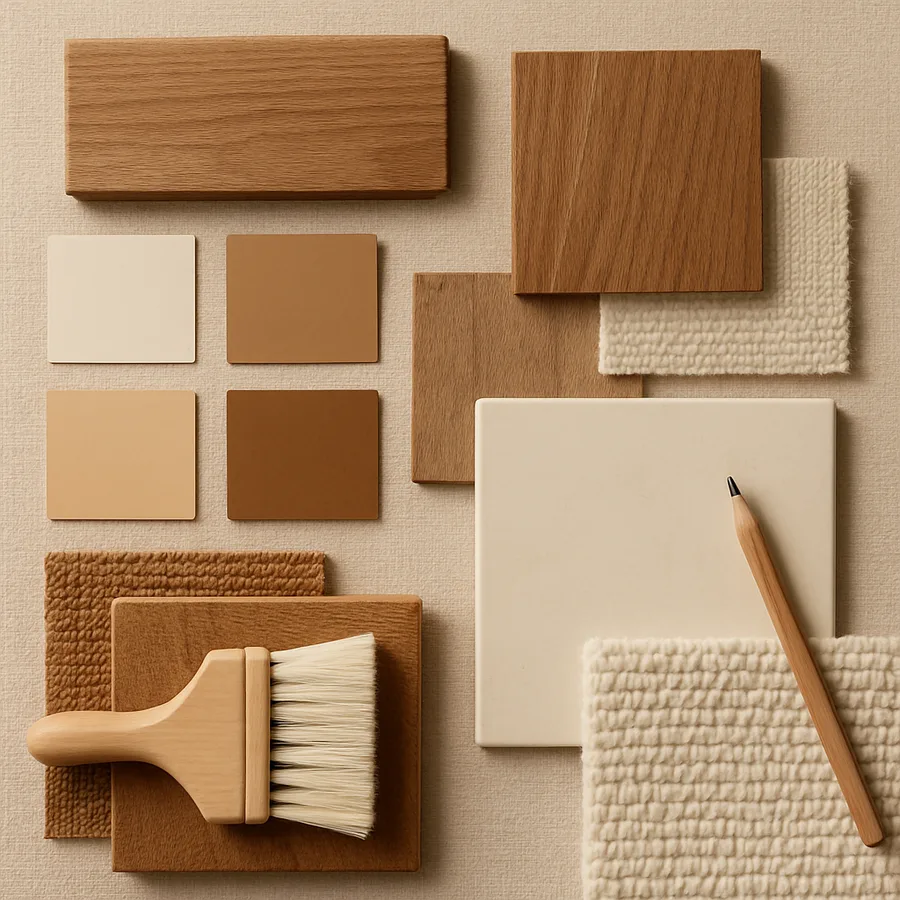
Next, develop a concept. This involves creating a mood board, which can be done using platforms like Pinterest or Houzz. Collect images, color swatches, and materials that resonate with your vision. This visual representation will serve as a guiding light throughout the project, ensuring consistency and cohesion. Experienced professionals often note that a well-curated mood board can prevent costly redesigns.
With a concept in hand, move on to procurement. This phase involves sourcing furniture, decor, and materials. It's crucial to balance aesthetics with practicality. For instance, while that plush white sofa may look stunning, it might not be practical in a household with pets or young children. Consider sustainable options, like reclaimed wood furniture, which not only reduces environmental impact but also adds unique character to your home.
Finally, execute the design plan. This involves arranging furniture, installing lighting, and styling accessories. Attention to detail is vital here, as the finishing touches can make or break a space. Ensure that lighting complements the room's function and mood - a dimmer switch in the dining room, for instance, can create ambiance for intimate dinners.
Common Mistakes to Avoid
One common mistake in interior design is over-cluttering. While it's tempting to fill every corner with decor, less is often more. The International Interior Design Association (IIDA) suggests that negative space, or empty areas, can enhance a room's focus and functionality. For instance, a sparse entryway can make a small space feel larger and more welcoming.
Another pitfall is ignoring scale. Furniture that is too large or too small can disrupt the balance of a room. Measure your space and choose pieces that complement its dimensions. A large sectional sofa might overwhelm a compact living room, while a tiny coffee table can look lost in a spacious one. Proportion is key to creating a harmonious environment.
Lastly, avoid the trap of current trends without considering your personal style. While incorporating elements like Japandi - a blend of Japanese minimalism and Scandinavian warmth - can be appealing, it's essential that your space reflects your taste. Personal touches, whether it's a family heirloom or a piece of art, can make a design feel truly yours.
Pro Tips from Industry Experts
Industry experts recommend investing in quality over quantity. A single, well-made furniture piece can anchor a room and elevate its overall design. According to Houzz, homeowners who prioritize quality report higher satisfaction with their projects. Consider splurging on a statement piece, like a designer armchair or a custom dining table, that will stand the test of time.
Lighting is another area where expert advice can make a difference. Layered lighting, which combines ambient, task, and accent lighting, can transform a space. The American Institute of Architects (AIA) suggests using dimmers for versatility, allowing you to adjust lighting based on mood and occasion. Well-placed lighting can highlight architectural features and create depth.
Lastly, experts emphasize the importance of color psychology. Colors can influence mood and perception. Cool tones, like blues and greens, are calming and suited for bedrooms, while warm tones, like reds and oranges, can invigorate social spaces. Experiment with paint samples to see how colors interact with natural light in your home before committing.
Budget and Timeline Considerations
Setting a realistic budget is crucial to any successful interior design project. According to ASID, a single room redesign can cost between $5,000 and $15,000, while full-home projects range from $50,000 to $150,000 or more. Consider all potential expenses, including furniture, materials, and labor. Allocate a contingency fund for unexpected costs, which often arise during renovations.
Understanding fee structures can also help in planning. Interior designers may charge a flat fee, an hourly rate (typically $150-$500 per hour), or a percentage of the total project cost (usually 10-25%). Discuss payment terms upfront to avoid surprises later. This transparency fosters a positive working relationship with your designer.
Timeline is another critical factor. A comprehensive redesign can take several months from concept to completion. Factor in lead times for custom pieces and potential delays due to supply chain issues. Communicate regularly with your designer to stay informed and adjust plans as needed. Patience and flexibility are essential for navigating a successful project.
Real-World Examples and Case Studies
Consider a recent project where a couple transformed their outdated kitchen into a modern culinary space. By working with a certified designer, they incorporated smart home technology, like automated lighting and climate control, enhancing both function and value. The project, featured on Architectural Digest, increased their home's appeal and resale potential.
Another case study involves a family who embraced biophilic design in their urban apartment. By integrating indoor plants, natural wood finishes, and maximizing natural light, they created an oasis amidst the cityscape. This transformation improved their well-being and connected them to nature, illustrating the profound impact of thoughtful design choices.
Finally, consider a homeowner who merged Japandi style into her living room, blending minimalist lines with cozy textures. By investing in a few key pieces, like a low-profile sofa and a reclaimed wood coffee table, she achieved a serene and inviting atmosphere. This case exemplifies how strategic design can reflect personal style while embracing global trends.
Conclusion
Maximizing your home's potential through interior design is an enriching endeavor that requires careful planning, creativity, and expert guidance. By understanding foundational concepts, avoiding common pitfalls, and embracing both functionality and aesthetics, you can create a space that truly reflects your personality and lifestyle. As you embark on this journey, remember to keep your vision clear and your mind open to new possibilities.
Your next step? Start by browsing portfolios on Houzz this week - even 20 minutes of research will sharpen your eye for what you want. Armed with these insights, you're well on your way to transforming your living space into a place that not only looks stunning but also feels like home.
More Articles You May Like
Comments
Post a Comment