Maximize Your Home's Potential: Tips from Expert Interior Design Studios
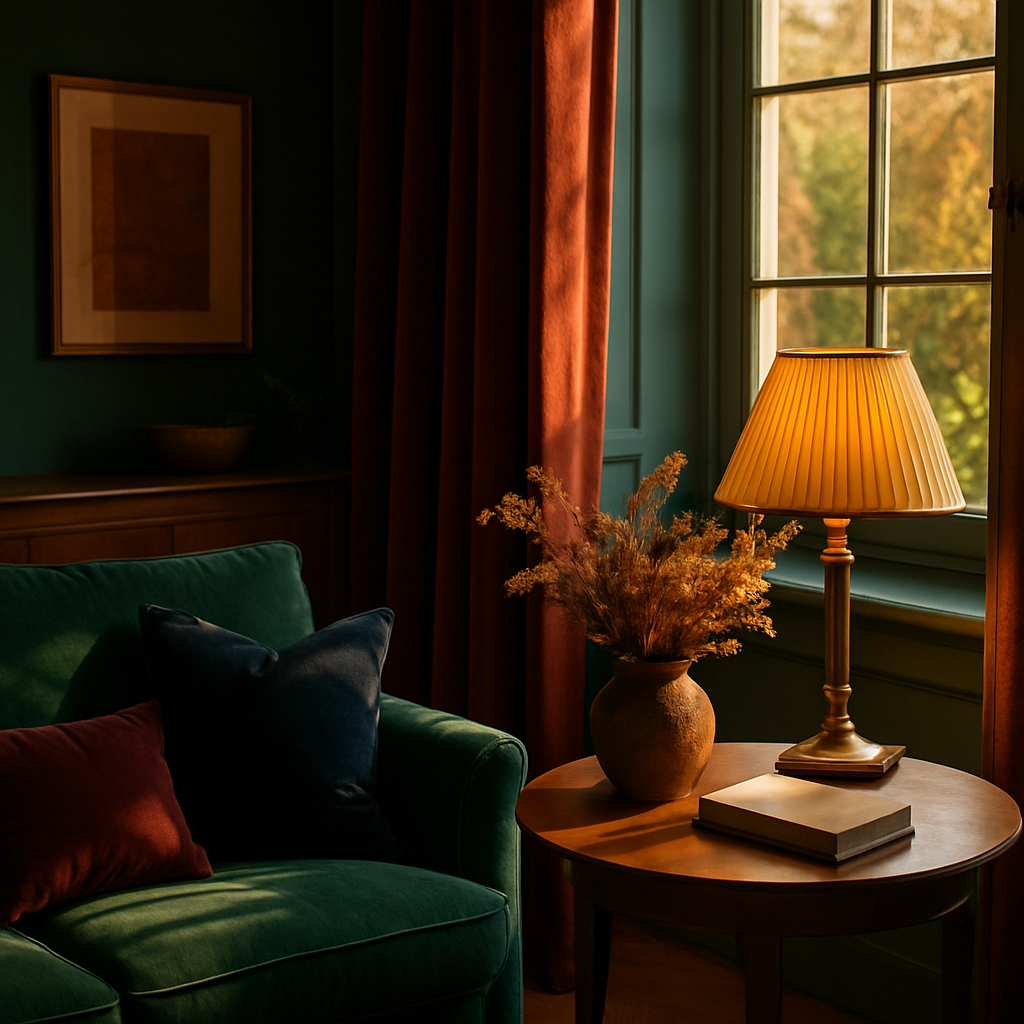
Have you ever walked into a room and felt instantly at ease, captivated by the harmonious blend of colors, textures, and functionality? This is the magic that expert interior design studios can bring to your home. Industry surveys suggest that well-designed interiors can increase resale value by 5-15%, an enticing statistic for any homeowner. This article will guide you through foundational concepts, deeper analyses, actionable strategies, expert-level details, and final perspectives to transform your home into a space that not only looks beautiful but also enhances your lifestyle. By the end, you'll be equipped with insights from the IIDA (International Interior Design Association), Houzz, and the ASID (American Society of Interior Designers) to truly maximize your home's potential.
Understanding the Basics of Interior Design
Before diving into complex design strategies, it's crucial to grasp the foundational concepts that underpin successful interior design. At its core, interior design is about creating spaces that are both functional and aesthetically pleasing. This involves a deep understanding of spatial arrangements, color theory, and material selection. Certified interior designers, often holding NCIDQ (National Council for Interior Design Qualification) credentials, are trained to balance these elements to create cohesive and inviting environments.
One of the primary considerations in interior design is the layout of a space. How you arrange furniture and decor can dramatically impact the flow and functionality of a room. For instance, a well-thought-out living room layout will facilitate conversation and provide clear pathways for movement, enhancing both comfort and usability. Are you using your space to its fullest potential? Mapping out where you typically spend time and how you move through your home can reveal underutilized areas ripe for transformation.
Another key aspect is lighting. The right lighting can accentuate architectural features, create mood, and even affect your perception of space. Designers often layer different types of lighting, such as ambient, task, and accent lighting, to achieve the desired effect. By understanding these basic principles, you can begin to see your home through the eyes of a designer and identify areas for improvement.
Diving Deeper: Data-Driven Design Decisions
To truly maximize your home's potential, it's important to leverage data and research in your design decisions. According to Houzz's annual survey, homeowners are increasingly investing in smart home technologies, with 45% incorporating them into their renovations. This trend is not just about convenience but also about enhancing the home's overall efficiency and sustainability. By integrating smart lighting, climate control, and automated window treatments, you can create a more comfortable and energy-efficient living environment.
Furthermore, the choice of materials plays a significant role in the design process. Sustainability is becoming a top priority for many, with industry experts noting a surge in the use of reclaimed and eco-friendly materials. Not only do these choices reduce environmental impact, but they also add unique character to a home. For example, reclaimed wood flooring can introduce warmth and history to a modern space, creating a rich visual narrative.
Color trends also evolve based on data insights. Currently, the shift towards biophilic design is driving the popularity of natural, earthy tones. These colors evoke a sense of calm and connection to nature, which is especially appealing in today's fast-paced world. By staying informed about these trends and data points, you can make informed decisions that align with both your aesthetic preferences and environmental values.
Actionable Strategies for Your Design Project
Armed with a solid understanding of design principles and data-driven insights, you can begin to implement actionable strategies in your home. Start by defining the purpose and goals of each space. Is your living room intended for entertaining guests, or is it a cozy retreat for family movie nights? Clarifying these intentions will guide your design choices and ensure that each room serves its intended function.
Next, consider creating a mood board to visualize your design ideas. Platforms like Pinterest and Instagram are invaluable resources for gathering inspiration and honing your style. By curating images that resonate with you, you can develop a cohesive vision for your home. This step is crucial in communicating your preferences to any designers you may work with and ensuring alignment on the project direction.
Finally, budget planning is essential to the success of your design project. On average, a single room redesign can cost between $5,000 and $15,000, while a full-home renovation might range from $50,000 to $150,000 or more. Understanding the typical fee structures, such as flat fees, hourly rates, or percentage-based charges, will help you set realistic financial expectations and avoid surprises down the line.
Delving into Expert-Level Details
For those seeking to elevate their design project to new heights, delving into expert-level details can make all the difference. Experienced professionals often note the importance of layering textures to add depth and interest to a space. This can be achieved by combining materials such as wood, metal, and textiles, each bringing its own unique texture and warmth.
Another advanced technique is the strategic use of focal points. A focal point draws the eye and anchors a room, whether it's a striking piece of art, a statement fireplace, or a bold piece of furniture. By carefully selecting and positioning these elements, you can guide the flow of a room and create a memorable impact. What will be the standout feature in your redesigned space?
Additionally, consider incorporating AR/VR visualization tools, which are increasingly used by designers to provide clients with a virtual tour of their spaces before the project begins. This technology helps mitigate risks by allowing you to experience the proposed design and make adjustments in real-time, ensuring that the final result aligns with your vision.
Exploring Additional Depth: Industry Insights
Beyond the immediate design considerations, it's beneficial to explore broader industry insights that can further enhance your project. The concept of "quiet luxury" is gaining traction, characterized by understated elegance and timeless design. This approach focuses on quality over quantity, favoring well-crafted pieces that offer both function and beauty.
Biophilic design, another emerging trend, emphasizes the integration of natural elements into interior spaces. This includes the use of plants, natural light, and organic materials to create a seamless indoor-outdoor flow. Studies have shown that biophilic design can improve well-being by reducing stress and enhancing productivity, making it a valuable consideration for home offices and communal areas.
The role of sustainable practices in design is also on the rise. Incorporating recycled or upcycled materials not only supports environmental initiatives but also adds a layer of storytelling to your home. Can you imagine the conversation sparked by a unique piece crafted from salvaged materials? Exploring these deeper trends allows you to create a home that is not only stylish but also forward-thinking and responsible.
Final Perspectives on Maximizing Your Home's Potential
As you embark on your design journey, remember that maximizing your home's potential requires a blend of creativity, practicality, and foresight. Embrace the process of discovery and experimentation, as this will lead you to a design that truly reflects your personality and lifestyle. The insights and strategies shared by expert interior design studios can guide you in making informed choices that enhance both the aesthetic and functional aspects of your home.
By adopting a holistic approach to design, you can create spaces that are not only beautiful but also deeply meaningful. Whether you're drawn to the minimalist elegance of Japandi or the rustic charm of reclaimed materials, the possibilities are endless. How will you incorporate these elements into your home to create a space that resonates with you?
Ultimately, the key to successful interior design lies in understanding your unique needs and translating them into a cohesive vision. By staying informed about industry trends and leveraging the expertise of professional designers, you can transform your home into a sanctuary that offers comfort, style, and functionality.
Conclusion: Take the First Step Toward Transformation
In conclusion, maximizing your home's potential involves more than just redecorating; it's about creating an environment that enhances your quality of life. By understanding foundational concepts, leveraging data-driven insights, and implementing expert strategies, you can achieve a design that is both beautiful and functional. Ready to start your design journey? Begin by exploring portfolios on platforms like Houzz and Pinterest this week. Even 20 minutes of research can sharpen your eye for what you truly want in your space.
Remember, the process of designing your home is as much about the journey as it is about the destination. Each choice you make reflects your personal style and values, resulting in a home that is uniquely yours. Take the first step today, and watch as your vision comes to life.


Comments
Post a Comment