Bamboo Furniture Style Pairing With Modern Tropical Interiors
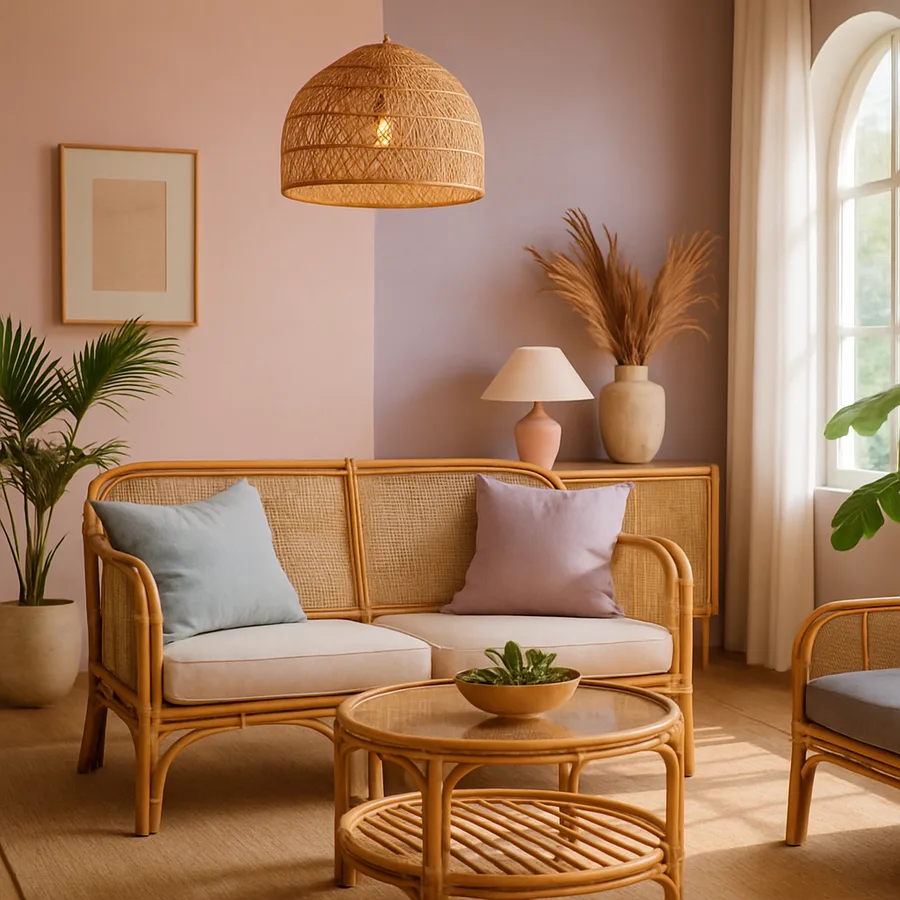
Bamboo furniture sits at a curious crossroads in contemporary interiors. Used badly, it slides into dated tiki-bar territory faster than almost any other material. Used well, it grounds a room with warmth, sustainability, and a quiet sense of place that modern tropical design needs to feel authentic rather than like a hotel lobby. The difference between the two outcomes is almost entirely about pairing, and once you understand the rules, bamboo becomes one of the most versatile materials in your toolkit.
This guide walks through palette, layout, texture, lighting, and accessory choices that elevate bamboo from theme prop to design hero. We will pull from styling principles championed by the American Society of Interior Designers and tropical-modern specialists who shape the look of contemporary resorts and high-end residential projects across the Pacific Rim. The goal is a room that feels current for the next decade, not a postcard from 1985.
Understanding the Modern Tropical Aesthetic
Modern tropical is not the loud, saturated, palm-print maximalism that dominated commercial spaces in the 1990s. The current iteration is restrained, with clean architecture, abundant natural light, layered neutral tones, and selective use of green or earth-toned accents. The signature move is often a single dramatic plant rather than a jungle wall, and a single bamboo piece rather than an entire matching set. Restraint is what makes the look feel intentional.
The architectural backdrop typically features white or warm-white walls, polished concrete or wide-plank wood floors, and tall ceilings with exposed beams or simple flat finishes. Windows are large and largely undressed, allowing natural light to do most of the visual work. Against that backdrop, bamboo provides exactly the warm, organic counterpoint the room needs without competing with the architecture or the plants.
According to the American Society of Interior Designers trend reports, biophilic design and sustainable materials have led residential design priorities for several consecutive years. Bamboo, which can be harvested in three to seven years compared to fifty or more for hardwoods, sits at the intersection of both trends. It is genuinely sustainable when responsibly sourced, and it brings a living-thing warmth to spaces that polished modern materials lack.
Palette Pairings That Modernize Bamboo
Bamboo reads as a warm material with strong yellow undertones in its natural finish, golden caramel undertones when lightly stained, and rich chocolate undertones when carbonized. Each finish needs a different palette response. For natural blonde bamboo, pair with cool neutrals like soft white, pale gray, and stone for contrast that keeps the room from feeling overheated. Add a single accent color, perhaps a muted sage or terracotta, in textiles or art.
For caramel-toned bamboo, lean into the warmth with a tonal palette of cream, oat, and warm beige. Avoid stark white in this combination, since it makes the bamboo look orange rather than golden. A single deep accent like forest green, espresso, or matte black gives the room visual weight and prevents the warm palette from feeling washed out.
Carbonized dark bamboo wants a high-contrast partner. Pair with crisp white walls, light terrazzo or marble surfaces, and pale linen upholstery. The dark bamboo becomes the anchoring sculptural element in an otherwise light room, much like how black furniture functions in classic Scandinavian interiors. According to color analysis published in Architectural Digest, three-tone palettes featuring one dramatic dark element consistently rate as the most enduring choice for modern tropical projects.
Layout Strategies That Avoid the Theme-Park Look
The fastest way to make a room look like a tropical theme is to use multiple matching bamboo pieces in close proximity. Two bamboo armchairs flanking a bamboo coffee table read as a set, and sets read as theme. Instead, use a single bamboo statement piece per zone, paired with furniture in different but complementary materials. A bamboo lounge chair next to a low travertine table next to a linen-covered sofa feels collected and intentional.
Scale matters as much as material mix. Bamboo furniture from the mid-twentieth century tends toward delicate proportions with thin members and high backs. Modern interpretations often feature heavier scale with thicker frames and lower silhouettes. Choose one scale direction and stick with it throughout a room, since mixing delicate and heavy bamboo pieces creates visual confusion that always reads as amateur, even when individual pieces are beautiful.
Have you considered how the angle of bamboo placement changes its visual weight? A bamboo chair facing directly into the room reads as a feature. The same chair angled at fifteen degrees toward a focal point feels conversational and more contemporary. Have you tried floating a single bamboo piece away from walls in a larger room? Modern tropical spaces use floor space generously, and a bamboo accent chair pulled into the room can transform a corner into an actual conversation zone.
Texture Layering That Complements Bamboo
Bamboo brings linear, organic, slightly glossy texture to a room. The most successful pairings introduce contrasting textures that highlight what bamboo does well. Soft natural fibers such as linen, raw cotton, and washed silk drape beautifully against bamboo and absorb the visual rigidity of the linear forms. Avoid heavily synthetic fabrics, which read as cheap when paired with such an obviously natural material.
Stone surfaces are bamboo's best architectural friend. Travertine, limestone, and unfilled marble provide the cool, weighty counterpoint that lets bamboo feel intentional rather than novelty. A bamboo console paired with a polished concrete floor and a travertine wall sconce reads as a magazine spread. The same bamboo console on a glossy ceramic tile floor reads as a vacation rental.
Plant texture is the third essential layer. Tall, broad-leafed plants like fiddle-leaf fig, monstera, and rubber plant provide the soft organic mass that complements bamboo's linear character. Avoid spiky cacti and succulents in modern tropical schemes, since they shift the regional reference toward Southwestern desert. According to estimates published by the National Garden Bureau, indoor plant sales have grown by more than fifty percent over the past five years, and the resurgence has revived interest in tropical-inspired interiors that bamboo serves perfectly.
Lighting That Brings Bamboo to Life
Bamboo benefits enormously from layered, warm-toned lighting. The material itself absorbs and reflects warm light in ways that make rooms feel inviting at every hour. Specify bulbs in the 2700 to 3000 Kelvin range throughout any room with significant bamboo presence, and avoid cool 4000K or above LED that turns bamboo grayish and lifeless. Smart bulbs that can shift color temperature throughout the day are particularly effective in bamboo-heavy rooms.
Layer your sources. A single overhead fixture leaves bamboo looking flat and shadowed in the wrong places. Combine a ceiling light with table lamps, a floor lamp, and ideally one accent source like a small picture light or a candle on a console. Each source should be on a separate switch or dimmer, allowing you to dial in the right combination for morning coffee, afternoon work, and evening dinner. The variability is what makes a room feel lived-in rather than staged.
Consider matching your fixtures to the bamboo aesthetic with paper, rattan, or fabric shades rather than glass or metal. Pendant lights with woven shades reinforce the natural-material story without becoming repetitive. According to House Beautiful styling guides, the most successful modern tropical rooms feature at least four light sources per major zone, with at least two of them at table or floor height to bring warm light down to face level.
Accessorizing Without Tipping Into Theme
The single biggest risk in styling bamboo is over-committing to the tropical theme through accessories. A bamboo chair plus a palm-print pillow plus a wooden tiki sculpture plus a coral centerpiece equals a parody. Pick at most one or two accessories per room that explicitly reference the tropics, and let the bamboo and the plants do the rest of the work. Restraint is what separates editorial from kitsch.
Books, ceramics, and art are reliable accessory choices that complement bamboo without doubling down on theme. A stack of art books on a bamboo console, a single hand-thrown ceramic vase, and a piece of contemporary abstract art together read as a thoughtful, collected room. The bamboo provides the warm-material story, and the other elements provide visual variety and personal interest.
For textile accents, choose patterns that feel architectural or abstract rather than literal palm leaves and pineapples. A geometric pillow in muted earth tones, a striped throw in cream and stone, or a solid linen cushion in a deep terracotta all work beautifully against bamboo. Save the literal tropical prints for outdoor cushions or one small powder-room moment, and your main living spaces will feel grounded and current rather than themed.
Sourcing Bamboo Responsibly and Investment Quality
Not all bamboo furniture is created equal, and the sourcing question matters as much as the styling question. Look for pieces certified by the Forest Stewardship Council or by equivalent regional sustainability programs, since uncertified bamboo can come from operations that clear-cut native forest to plant fast-growing bamboo monoculture. Certified bamboo carries a small price premium, typically ten to fifteen percent, but the environmental difference is substantial and the certification often correlates with higher build quality.
Construction details separate investment-grade bamboo from disposable pieces. Premium bamboo furniture uses heat-treated stems with carbonized interiors, which prevents insect damage and stabilizes the material against humidity swings. Joinery should feature mortise-and-tenon construction or properly executed lashings rather than glue and screws alone. Lift any piece you are considering, and feel for solid weight. Lightweight bamboo pieces are almost always poorly built, since premium bamboo furniture relies on dense, mature stems that carry significant heft.
Have you considered buying vintage bamboo rather than new? Pieces from established mid-century makers like McGuire, Dux, and Brown Jordan often appear in estate sales and online marketplaces at prices comparable to new lower-quality production. Vintage pieces carry the additional benefit of being broken in, since the bamboo has already gone through years of seasonal cycles and reached dimensional stability. The patina of age also reads as authentic in modern tropical interiors in ways that fresh new bamboo cannot match without years of use.
For high-traffic pieces like dining chairs, plan to invest more per piece and buy fewer pieces overall. A set of four investment-grade bamboo dining chairs costs roughly the same as ten budget chairs and lasts five times longer. The American Home Furnishings Alliance consistently reports that buy-it-once philosophy produces the lowest total cost of ownership for any furniture category, and bamboo is no exception. Restraint in quantity supports both the modern tropical aesthetic and your long-term wallet.
One often overlooked sourcing factor is provenance documentation. Reputable bamboo dealers can provide species identification, origin region, harvest year, and treatment history for any premium piece. Documentation matters because Phyllostachys edulis moso bamboo, the most common construction species, varies dramatically in density and durability based on growing region and harvest age. Stems harvested at four to five years of maturity from cooler highland regions produce the densest, most stable furniture material. Younger or lowland-grown bamboo can look identical at retail but performs noticeably worse over a decade of use, particularly in homes that experience seasonal humidity swings.
Conclusion
Bamboo furniture, used with discipline, is one of the most powerful materials available for creating warm, sustainable, modern tropical interiors. The keys are restraint in quantity, intentionality in palette, contrast in texture, layering in lighting, and discipline in accessorizing. Honor all five and your bamboo pieces will feel current and editorial for the next decade. Skip any of them and you risk the dated theme look that gives bamboo its unfair reputation.
The best modern tropical rooms feature one or two beautifully placed bamboo pieces, a tightly edited neutral palette, abundant natural light, considered plant choices, and accessories that hint at place without shouting it. The result is a room that whispers its tropical inspiration rather than announcing it, and that whisper is what makes the space feel sophisticated, sustainable, and timeless rather than themed.
Ready to refresh your interior with bamboo done right? Start by identifying one room where a single bamboo piece could replace a tired generic chair or table. Choose your bamboo finish based on your existing palette, layer in the textural and lighting recommendations above, and edit your accessories ruthlessly. Then send us your before-and-after for our reader gallery.
More Articles You May Like

Comments
Post a Comment