5 Reasons Why Online Interior Design Is Revolutionizing Home Makeovers
Have you ever wondered how technology could transform the way you design your home? The rise of online interior design has opened new horizons for homeowners, offering accessible, cost-effective, and innovative solutions that were once out of reach. According to a recent survey by Houzz, more than 70% of homeowners are now considering virtual design services for their next project. This trend signals a significant shift in how we approach home makeovers, blending technology with tradition to create personalized, stylish spaces without leaving the comfort of your home. In this article, we'll explore five compelling reasons why online interior design is revolutionizing home makeovers, from current industry dynamics to future prospects.
The Current Landscape
Today's interior design landscape is vastly different from what it was a decade ago. Traditional design services, while still prevalent, are facing stiff competition from their online counterparts. The convenience and flexibility of virtual consultations make them attractive to a new generation of tech-savvy homeowners. According to the American Society of Interior Designers (ASID), the demand for online services has increased by 30% in recent years, driven by the proliferation of digital tools and platforms designed to facilitate the design process.
Platforms like Houzz and Modsy are at the forefront of this movement, offering users the ability to visualize spaces through augmented reality (AR) and virtual reality (VR) tools. These platforms not only allow homeowners to experiment with different design concepts but also provide access to a wide array of professional designers from across the globe. This democratization of design services has made it possible for users to engage with high-quality design expertise without the geographical constraints typically associated with traditional interior design firms.
The growing adoption of online interior design can also be attributed to its cost-effectiveness. Traditional interior design services often come with hefty price tags, including hourly rates that range from $150 to $500. In contrast, online services offer comprehensive packages at a fraction of the cost, with some starting as low as $79 per room. This affordability makes professional design accessible to a broader audience, allowing more people to achieve their design aspirations.
Key Factors Driving Change
The shift towards online interior design is driven by several key factors. First and foremost is the technological advancement that has made it possible to deliver high-quality design solutions remotely. With AR and VR tools, clients can now visualize their spaces in 3D, experimenting with color schemes, furniture layouts, and decor without physical samples. This capability not only enhances the design process but also increases client satisfaction, as they can see exactly what their space will look like before making any commitments.
Another driving factor is the increased emphasis on personalization. Online platforms offer tailored design experiences that cater to individual tastes and preferences. Users can select from a variety of styles, such as Japandi-a blend of Japanese minimalism and Scandinavian warmth-or the increasingly popular biophilic design, which incorporates natural elements and materials. This level of customization ensures that the final design aligns closely with the client's vision and lifestyle, leading to more meaningful and satisfying results.
Additionally, the global pandemic has accelerated the adoption of online interior design. With more people working from home, there's been a heightened awareness of the need for functional and aesthetically pleasing living spaces. Virtual design services have provided a safe and efficient way to redesign homes during times when in-person consultations were not feasible. This shift has proven to be more than a temporary trend, as many homeowners continue to prefer the convenience and safety of virtual consultations even as restrictions have eased.
What the Research Shows
Research supports the growing popularity of online interior design. A study conducted by the International Interior Design Association (IIDA) revealed that 65% of professional interior designers have incorporated online services into their practice, citing increased client engagement and broader reach as key benefits. This integration allows designers to tap into new markets and offer their expertise to clients worldwide.
The economic impact of online interior design is also noteworthy. According to Houzz's annual survey, homeowners who utilized online design services reported a 20% increase in project satisfaction compared to traditional methods. This boost in satisfaction is largely attributed to the transparency and clarity offered by digital design tools, which help eliminate misunderstandings and miscommunications between clients and designers.
Moreover, online interior design has shown to contribute positively to home resale values. Well-designed interiors, crafted with the help of professional online services, can increase a home's value by 5-15%. This statistic underscores the financial benefits of investing in quality design, which not only enhances the living experience but also provides a significant return on investment when it comes time to sell.
Practical Implications for You
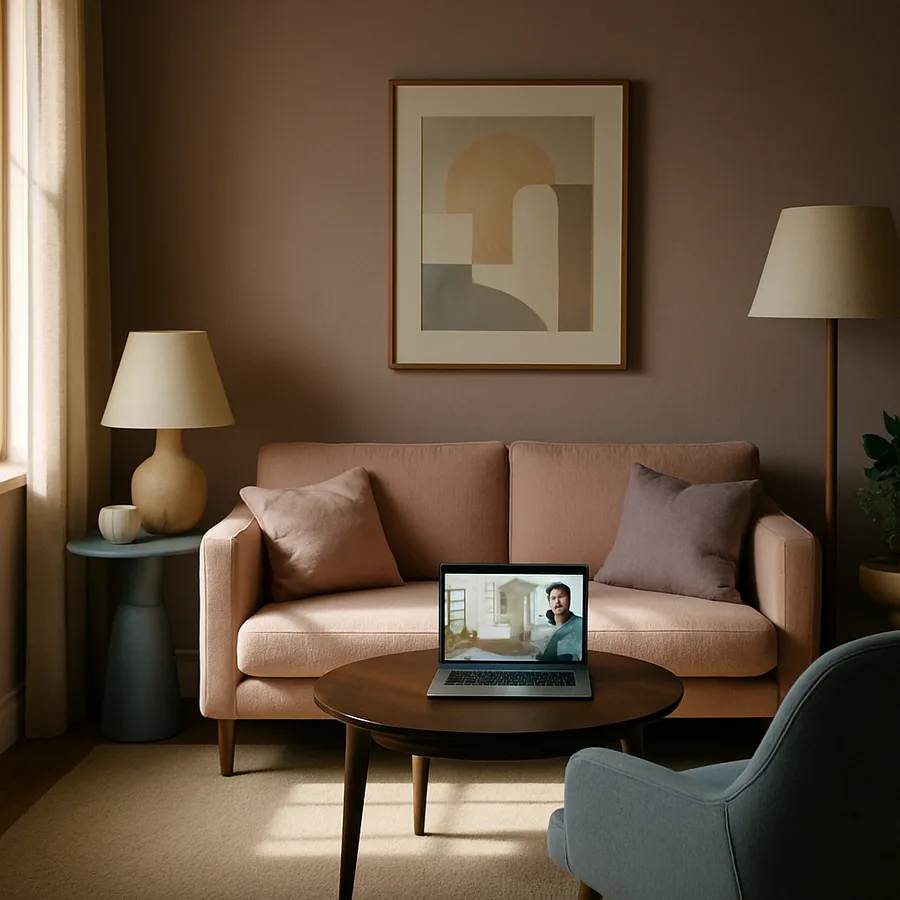
Are you contemplating a home makeover but unsure where to start? Online interior design could be the solution you need. By opting for virtual services, you gain access to a wealth of design resources and expertise at your fingertips. Start by exploring platforms like Modsy or Decorist, which offer user-friendly interfaces and a range of design packages tailored to different budgets and needs. These platforms allow you to engage with professional designers who can guide you through the process from concept to completion.
One practical advantage of online interior design is the ability to visualize changes before committing to them. This feature is particularly beneficial if you're indecisive or have trouble picturing finished spaces. Using AR and VR tools, you can experiment with different layouts, colors, and furnishings, ensuring that your final decisions align with your personal taste and lifestyle.
Moreover, online interior design can save you both time and money. By eliminating the need for multiple in-person meetings, you can streamline the design process and focus on what truly matters: creating a space that feels like home. Whether you're redesigning a single room or undertaking a full-home makeover, virtual services provide the flexibility and convenience to fit design projects into your busy schedule.
Expert Perspectives
Experienced professionals often note that online interior design is reshaping the industry by making high-quality design more accessible and affordable. According to the National Council for Interior Design Qualification (NCIDQ), the gold-standard credentialing body for interior designers, this shift has encouraged more designers to embrace digital tools and expand their service offerings.
Architectural Digest's AD PRO network, a platform for industry professionals, highlights how digital design solutions are fostering innovation and creativity. By leveraging technology, designers can push the boundaries of traditional design, offering clients unique and personalized experiences that were previously unattainable. This evolution in service delivery is helping to redefine what it means to work with a professional designer.
Houzz, a leading platform for home renovation and design, emphasizes the importance of adaptability in the current design landscape. Designers who can pivot to offer online services are not only meeting client demands but also positioning themselves for long-term success. This adaptability is crucial in an industry where trends and client expectations are constantly evolving.
Looking Ahead
As we look to the future, online interior design is poised to continue its upward trajectory. The integration of artificial intelligence (AI) and machine learning into design platforms is expected to further enhance the personalization and efficiency of virtual services. These advancements will enable designers to provide even more tailored solutions, taking into account detailed client preferences and lifestyle data.
Furthermore, the growing focus on sustainability and eco-friendly design practices will likely influence the evolution of online services. As more homeowners prioritize environmentally conscious choices, virtual design platforms are expected to offer more options for sustainable materials and products, aligning with this global trend.
The future of online interior design is bright, with endless possibilities for innovation and growth. As technology continues to advance, homeowners can expect even more sophisticated and immersive design experiences that cater to their unique needs and preferences.
Conclusion
In summary, online interior design is revolutionizing home makeovers by making professional design services more accessible, affordable, and personalized. From leveraging cutting-edge technology to offering cost-effective solutions, the benefits of virtual design are clear. So, why wait? Start your design journey today by exploring platforms like Houzz and Modsy, and see how they can transform your living space. Even a brief exploration can inspire new ideas and provide a clearer vision for your home. Visit Houzz or ASID to learn more and begin your transformation journey.
More Articles You May Like


Comments
Post a Comment