Unlocking Your Potential: Top Interior Design Jobs You Didn't Know Existed
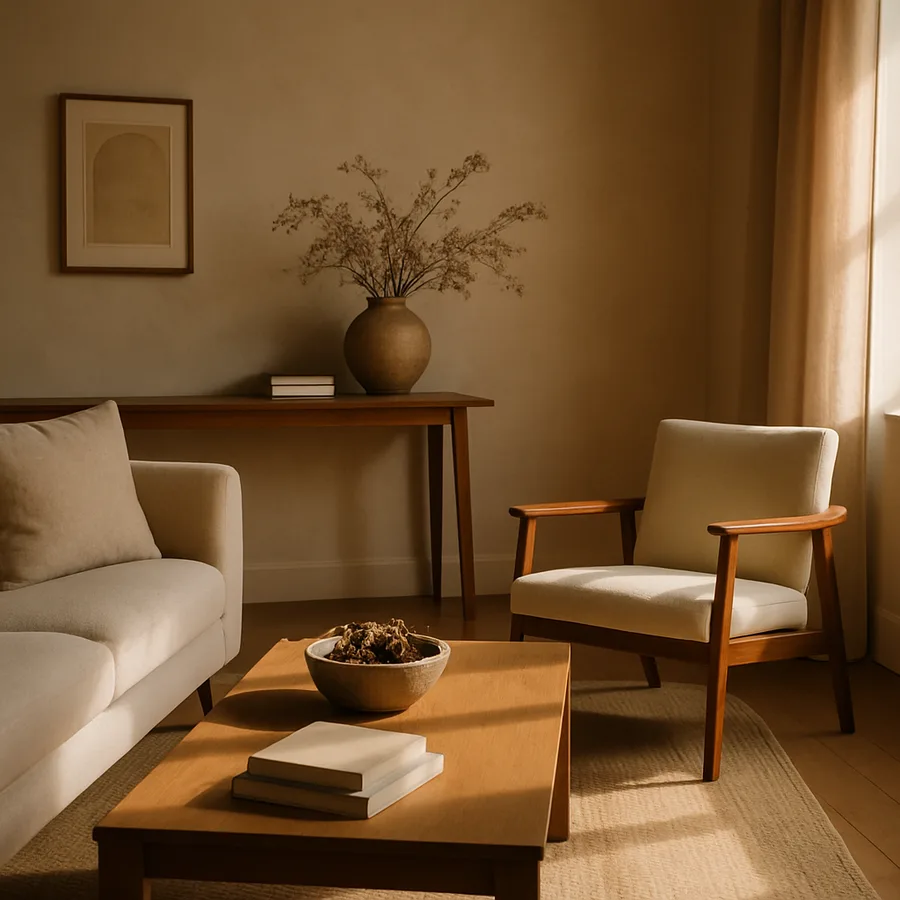
When most people think of interior design careers, they picture a single scenario: a designer helping a homeowner choose sofas and paint colors. While residential design is certainly a thriving and rewarding path, it represents just one branch of an extraordinarily diverse profession. The interior design industry generates over $17 billion annually in the United States alone, supporting career paths that range from healthcare facility planning to film set design, from sustainable building consulting to virtual reality environment creation. The American Society of Interior Designers (ASID) identifies more than thirty distinct career specializations within the profession, many of which are virtually unknown to people outside the industry. If you have a passion for spaces, aesthetics, and human experience, the career opportunities available to you are far broader and more exciting than you might imagine.
The evolution of interior design as a profession has accelerated dramatically in recent years, driven by growing recognition that designed environments directly impact health, productivity, safety, and well-being. The International Interior Design Association (IIDA) reports that job postings in non-traditional interior design roles have increased by 43% over recent measurement periods, reflecting expanding demand across sectors that historically did not employ design professionals. From technology companies creating immersive user experiences to hospitals redesigning patient rooms to improve recovery outcomes, the skills of trained interior designers are being sought in contexts that would have been unimaginable a generation ago. This article explores the most compelling, least-known career paths available to interior design professionals and aspiring designers.
Healthcare Interior Design: Where Aesthetics Save Lives
Healthcare interior design is one of the most impactful and fastest-growing specializations in the profession, yet it remains largely invisible to the general public. Designers in this field create environments for hospitals, clinics, rehabilitation centers, mental health facilities, and senior living communities, working at the intersection of aesthetics, safety, infection control, and evidence-based design. Research published in partnership with ASID has demonstrated that thoughtful healthcare interior design can reduce patient falls by up to 30%, decrease average hospital stays, lower medication errors, and significantly improve both patient satisfaction scores and staff retention rates. These are not marginal improvements; they represent measurable, life-affecting outcomes achieved through the strategic design of physical environments.
The specialized knowledge required for healthcare design goes far beyond standard residential or commercial training. Healthcare designers must understand complex regulatory frameworks including Americans with Disabilities Act (ADA) compliance, infection prevention protocols, medical equipment spatial requirements, and wayfinding systems that serve patients in vulnerable cognitive and physical states. The National Council for Interior Design Qualification (NCIDQ) examination tests competency in many of these areas, and additional certifications specific to healthcare design are available through organizations like the Center for Health Design. IIDA's Healthcare Design Council provides continuing education, networking opportunities, and research resources for designers working in or transitioning into this specialization. Have you ever noticed how the design of a medical facility affected your own experience as a patient or visitor?
Career prospects in healthcare design are exceptionally strong, driven by an aging population, expanding healthcare infrastructure, and growing evidence that design investments deliver measurable returns in patient outcomes and operational efficiency. Entry-level positions in healthcare design firms typically offer salaries competitive with or exceeding those in residential design, and experienced healthcare designers with specialized certifications can command premium compensation. The work is deeply meaningful: every design decision, from the color of a patient room wall to the placement of a nursing station to the acoustic treatment of a waiting area, has the potential to reduce suffering, support healing, and improve the daily experience of both patients and caregivers. For designers motivated by purpose as much as aesthetics, healthcare design offers a uniquely fulfilling career path.
Set Design and Experiential Environments
The entertainment industry employs interior designers in roles that most people associate exclusively with set builders or art directors, but the skill sets overlap significantly. Set designers for film, television, theater, and increasingly for branded experiential events create immersive environments that tell stories, establish mood, and guide audience emotions through spatial and material choices. IIDA has documented the growing crossover between interior design education and entertainment design careers, noting that graduates with strong spatial reasoning, material knowledge, and color theory skills are highly sought by production companies and experiential marketing agencies. The rise of immersive theater, branded pop-up experiences, and theme park design has further expanded opportunities for designers who can create environments that provoke specific emotional responses.
Working in set design requires a distinctive combination of interior design fundamentals and theatrical thinking. Unlike residential or commercial projects designed to endure for years or decades, sets are often temporary environments built to create a powerful impression within a limited timeframe and then be dismantled. This temporality allows for creative risks that permanent installations cannot accommodate: experimental materials, extreme color choices, and spatial configurations that prioritize dramatic impact over long-term functionality. Houzz has featured profiles of designers who have transitioned between residential practice and set design, noting that the skills transfer is remarkably fluid. A designer who can create a cozy, believable living room for a client can create an equally convincing one for a camera, with the added challenge of designing for specific sight lines, lighting rigs, and narrative requirements.
Compensation in entertainment design varies widely based on the scale and prestige of productions, but experienced set designers on major film and television productions earn salaries that rival or exceed those of top residential designers. The work is project-based and often intense, with concentrated periods of creative production followed by breaks between engagements. For designers who thrive on variety, creative challenge, and the collaborative energy of production environments, set design offers an exhilarating alternative to the steadier rhythm of traditional design practice. The portfolio development process is also distinctive: your work is literally on screen or on stage, visible to audiences of millions, providing a form of professional exposure that no amount of traditional marketing can match.
Sustainable Design Consulting: The Green Frontier
As environmental awareness reshapes every industry, interior designers with sustainability expertise are finding themselves in extraordinary demand. Sustainable design consulting goes far beyond choosing recycled materials or energy-efficient lighting; it encompasses lifecycle analysis of building materials, indoor air quality optimization, circular economy principles applied to furnishings and finishes, and the integration of biophilic design strategies that connect occupants with natural systems. ASID's sustainable design initiative reports that firms offering dedicated sustainability consulting services have seen revenue growth of 38% over recent periods, significantly outpacing the industry average. This growth reflects both regulatory pressure and genuine client demand for healthier, more environmentally responsible interiors.
Certifications play a critical role in establishing credibility as a sustainable design consultant. LEED (Leadership in Energy and Environmental Design) accreditation, administered by the U.S. Green Building Council, is the most widely recognized credential, but the WELL Building Standard, which focuses specifically on occupant health and well-being, is gaining rapid adoption in both commercial and residential sectors. NCIDQ certification provides the foundational interior design knowledge upon which sustainability specializations are built, and many sustainable design consultants hold multiple certifications that demonstrate expertise across complementary domains. IIDA offers continuing education programs specifically focused on sustainable materials, healthy indoor environments, and the business case for green design, providing pathways for practicing designers to develop this specialization without returning to formal education.
The day-to-day work of a sustainable design consultant might include auditing existing interiors for harmful materials like volatile organic compounds (VOCs) in paints and adhesives, specifying alternative materials with lower environmental impact, calculating the carbon footprint of design decisions, and advising clients on strategies for achieving green building certifications. Some consultants work independently, serving both residential and commercial clients; others are embedded within larger design firms, providing sustainability expertise across the firm's full project portfolio. The emotional reward of this work is substantial: every project contributes to a healthier built environment and a more sustainable relationship between human habitation and the natural world. What could be more meaningful than designing spaces that heal both their occupants and the planet?
Virtual Staging and Digital Design Services
The real estate industry has created an entirely new category of interior design work: virtual staging. When properties are listed for sale empty or with outdated furnishings, virtual stagers use digital tools to create photorealistic renderings that show potential buyers what the spaces could look like with contemporary furniture, finishes, and styling. This is not simple photo editing; it requires the same spatial reasoning, proportion sensitivity, color knowledge, and stylistic judgment that physical staging demands, applied through digital media rather than physical objects. Houzz industry reports indicate that virtually staged listings receive 73% more online engagement than unstaged listings, making this service enormously valuable to real estate agents and property sellers.
The business model for virtual staging is distinctly different from traditional interior design practice. Projects are typically high-volume and fast-turnaround, with individual room stagings completed in hours rather than weeks. Pricing is per image rather than per hour or per project, and the overhead is minimal because no physical inventory, warehouse space, or delivery logistics are required. ASID has recognized virtual staging as a legitimate and growing subset of the profession, and many designers now offer virtual staging alongside traditional services, using the digital work as a consistent revenue stream that supplements project-based income. For designers with strong digital skills and an eye for contemporary market-driven aesthetics, virtual staging offers both financial stability and creative satisfaction.
Beyond real estate applications, digital design services are expanding into virtual reality environment design, video game world-building, and metaverse space creation. These emerging fields require designers who can think spatially in three dimensions and create environments that feel authentic and immersive even when they exist only in digital space. IIDA's technology council has identified digital environment design as one of the profession's most significant growth areas, with demand expected to accelerate as virtual and augmented reality technologies mature. Interior designers bringing their spatial expertise into digital realms are pioneering a new frontier of the profession, one where the fundamental skills of space planning and atmosphere creation find expression in media that did not exist a decade ago.
Hospitality and Restaurant Design: Crafting Experiences
The hospitality industry, encompassing hotels, restaurants, bars, spas, and resorts, employs specialized interior designers whose work directly impacts guest satisfaction, brand perception, and commercial performance. According to ASID research, hotel guests rate their overall satisfaction 35% higher in properties with professionally designed interiors compared to those with generic or dated decor, and this satisfaction directly correlates with willingness to pay premium rates and return for future stays. Restaurant interiors similarly influence dining duration, spending per visit, and review scores on platforms that drive reservation volume. For designers who love creating environments where people celebrate, relax, discover, and connect, hospitality design offers a career built around orchestrating human delight.
Hospitality design demands expertise in durability, maintenance, brand expression, and regulatory compliance that residential design does not typically require. Materials must withstand heavy use from thousands of visitors while maintaining their aesthetic integrity. Layouts must comply with fire codes, accessibility standards, and operational efficiency requirements specific to commercial hospitality settings. Brand identity must be expressed consistently across multiple touchpoints, from lobby furniture to guest room bedding to restaurant tableware, creating a cohesive narrative that reinforces the property's market position. NCIDQ certification covers the commercial building codes and accessibility standards that hospitality designers must master, and many successful hospitality designers hold additional certifications in brand strategy, lighting design, or food service facility planning.
Career paths in hospitality design range from positions within large, internationally recognized design firms that create luxury hotel chains to boutique practices specializing in independent restaurants and bed-and-breakfasts. Some hospitality designers work as in-house design directors for hotel brands, overseeing the aesthetic consistency of hundreds of properties worldwide. Others focus on the restaurant sector, where the creative freedom is often greater and the pace of new projects is faster. IIDA's Hospitality Design Council connects professionals across this specialization, providing networking events, design competitions, and educational programs that advance both individual careers and the field as a whole. If you have ever walked into a hotel lobby or restaurant and felt an immediate emotional response, a sense of welcome, excitement, calm, or sophistication, you have experienced the invisible art of hospitality design.
Workplace and Corporate Interior Design
The relationship between office design and employee performance has been one of the most researched topics in the built environment field, and the findings have transformed workplace interiors from an afterthought into a strategic business investment. IIDA workplace research demonstrates that well-designed offices can increase employee productivity by up to 20%, reduce absenteeism by 15%, and significantly improve talent recruitment and retention. These statistics have made corporate interior design one of the most commercially robust specializations in the profession, with businesses across every sector investing in environments that support their workforce and express their organizational culture. The shift toward hybrid work models has added new complexity and opportunity, as companies reimagine offices as destinations that offer experiences employees cannot replicate at home.
Corporate designers must balance competing demands: open layouts that foster collaboration versus private spaces that enable focused work; brand expression that inspires pride versus comfort that reduces stress; flexibility that accommodates changing needs versus permanence that provides stability. The NCIDQ examination tests competency in commercial space planning, building systems, ergonomics, and workplace safety, all critical knowledge areas for corporate design. Additionally, workplace designers increasingly draw on research from environmental psychology, organizational behavior, and acoustics engineering to create evidence-based environments. ASID's workplace design resources provide access to current research, case studies, and best practices that help designers make data-informed decisions rather than relying solely on aesthetic intuition.
The career trajectory in corporate design often begins with positions at large commercial design firms, where junior designers work on team-based projects for major clients. As experience accumulates, designers may specialize in particular industries, such as technology, finance, legal, or creative sectors, each of which has distinct spatial needs and cultural expectations. Senior corporate designers often move into strategic roles, advising executive leadership on how physical environments can support organizational goals, facilitate cultural change, and attract talent in competitive labor markets. Some establish independent consultancies, serving multiple corporate clients with specialized expertise. For designers who are fascinated by how spaces shape behavior and how organizations can be transformed through environmental design, corporate interiors offer a career that is intellectually challenging, commercially rewarding, and genuinely impactful.
Emerging Niches: Accessibility, Aging in Place, and Sensory Design
Several emerging specializations are creating new career paths for designers attuned to the evolving needs of diverse populations. Accessibility design, focused on creating environments that are fully usable by people with disabilities, is transitioning from a compliance requirement to a design philosophy that improves spaces for everyone. The concept of universal design, where environments are inherently accessible rather than retrofitted with accommodations, is gaining traction across both residential and commercial sectors. ASID reports that demand for accessibility-focused design services has grown by 52% in recent cycles, driven by both demographic shifts and a broadening cultural understanding that inclusive design is simply good design.
Aging-in-place design is a closely related specialization that addresses the needs of older adults who wish to remain in their homes as their physical capabilities change. This work involves modifications ranging from grab bar installation and threshold elimination to comprehensive spatial redesigns that accommodate mobility aids, reduce fall risks, and support independent living. The Certified Aging-in-Place Specialist (CAPS) designation, offered through the National Association of Home Builders, is a widely recognized credential for designers working in this area. With the population over sixty-five projected to double in coming decades according to U.S. Census Bureau data, the demand for designers who can create beautiful, dignified, and functional environments for older adults represents one of the profession's most significant growth opportunities.
Sensory design, which creates environments specifically tailored to individuals with sensory processing differences including autism spectrum conditions, represents one of the newest frontiers in interior design specialization. These environments manage light levels, acoustic conditions, color intensity, and tactile properties to reduce sensory overload and support neurological well-being. IIDA has published guidelines for sensory-inclusive design in both residential and commercial contexts, and NCIDQ continuing education programs are increasingly incorporating sensory design principles. For designers drawn to the intersection of neuroscience, empathy, and spatial design, this emerging field offers the opportunity to make a profound difference in the lives of individuals and families who have historically been underserved by the design profession. Have you ever considered how the sensory qualities of your own environment affect your cognitive and emotional state throughout the day?
Conclusion: A Profession Without Boundaries
The interior design profession is far more expansive, varied, and impactful than popular perception suggests. From healthcare environments that measurably improve patient outcomes to digital spaces that exist only in virtual reality, from sustainable consulting that addresses planetary health to sensory design that supports neurological well-being, the career paths available to trained designers are as diverse as human experience itself. ASID, IIDA, and NCIDQ all provide resources for professionals seeking to explore these specializations, including continuing education programs, mentorship networks, and professional development conferences that expose designers to fields they may not have previously considered.
For aspiring designers, the breadth of the profession means that there is almost certainly a niche that aligns with your unique combination of interests, skills, and values. For practicing designers feeling constrained by their current specialization, the transferability of core design competencies means that lateral career moves are not only possible but increasingly common. The designers who will thrive in the coming decades are those who remain curious, pursue continuous learning, and recognize that the principles of good design, understanding human needs, solving spatial problems, and creating environments that support well-being, apply universally across every context and medium.
If any of the career paths described in this article sparked your interest, take a concrete next step this week. Visit the ASID or IIDA websites to explore specialization-specific resources. Contact a professional working in the field that interests you and request an informational conversation. Enroll in a continuing education course that expands your knowledge beyond your current practice area. The interior design profession is evolving rapidly, and the most exciting opportunities are waiting for designers willing to look beyond the expected and step into the extraordinary.
More Articles You May Like



Comments
Post a Comment