Transform Your Space: The Best Free AI Interior Design Apps
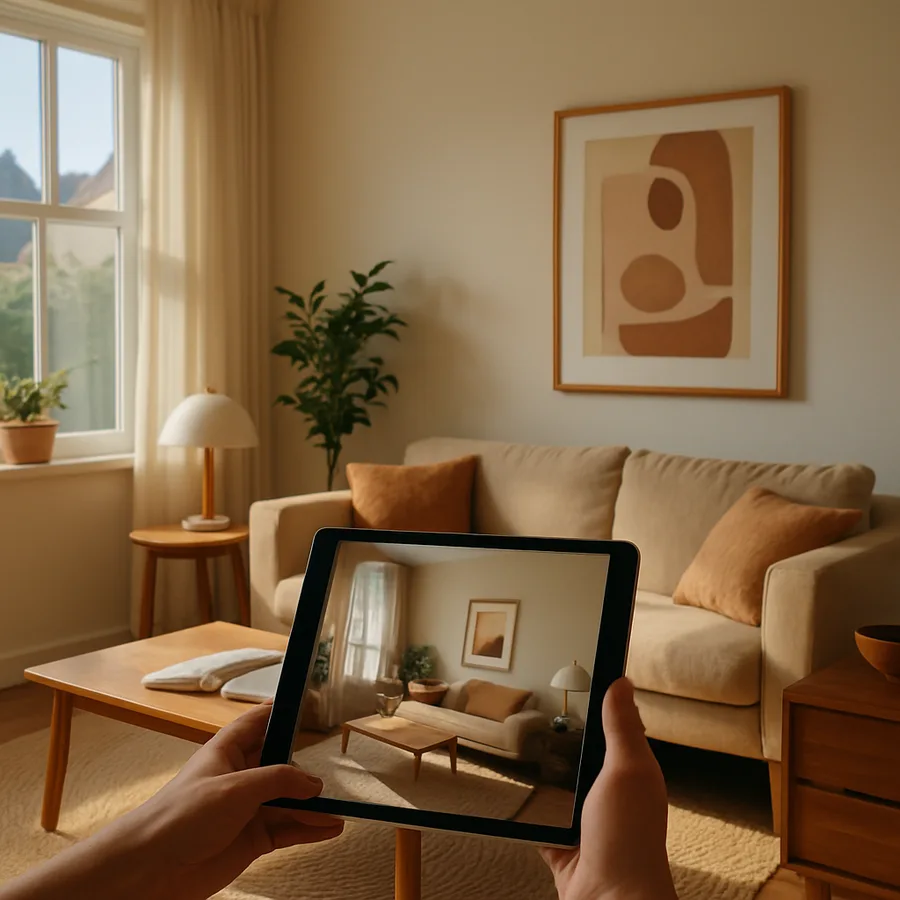
Artificial intelligence has fundamentally changed the way homeowners, renters, and design enthusiasts approach interior design, making professional-quality visualization and planning tools available to anyone with a smartphone. The American Society of Interior Designers (ASID) has acknowledged that AI-powered design tools represent one of the most significant democratizing forces in the history of the profession, enabling people who have never worked with a designer to experiment with layouts, colors, textures, and styles in ways that were previously impossible without expensive software or professional consultation. These free AI apps do not replace the expertise of a certified designer, but they dramatically lower the barrier to entry for anyone who wants to improve their living space. The result is a more design-literate population that approaches home improvement with greater confidence, clearer vision, and better outcomes.
According to a survey by the National Kitchen and Bath Association (NKBA), 72 percent of homeowners who used digital design tools reported feeling more confident about their renovation decisions compared to those who relied solely on imagination or physical samples. That confidence translates into fewer costly mistakes, less buyer's remorse, and more satisfying finished spaces. The International Interior Design Association (IIDA) has noted that digital tools are particularly valuable in the early planning stages, when the cost of a bad decision is lowest and the potential to course-correct is highest. Free AI design apps occupy a sweet spot in this landscape: they provide enough functionality to support meaningful exploration without requiring the financial commitment of professional software or paid subscriptions.
This guide explores the most capable free AI interior design apps currently available, evaluating each on the basis of functionality, ease of use, AI sophistication, and real-world utility. Whether you are planning a complete room makeover or simply curious about how a different paint color might look on your bedroom walls, these tools offer a risk-free way to experiment, learn, and refine your design vision. The National Council for Interior Design Qualification (NCIDQ) has observed that even professional designers are increasingly incorporating AI tools into their workflows, which speaks to the genuine quality and usefulness of the technology. Let us explore the apps that are putting the power of intelligent design into everyone's hands.
How AI Is Reshaping the Design Process
To appreciate what free AI design apps can do, it helps to understand the technology that powers them. Most AI design tools use a combination of computer vision, generative adversarial networks (GANs), and large language models to analyze existing spaces and generate realistic visualizations of potential redesigns. Computer vision allows the app to identify walls, floors, furniture, and architectural features in a photograph, while GANs generate photorealistic images of the same space with different design elements. The result is a visualization that looks remarkably like a professional rendering, produced in seconds rather than hours. The ASID has described this technology as a "force multiplier" for designers and homeowners alike, enabling rapid iteration that would be prohibitively time-consuming using traditional methods.
The practical implications of this technology are profound. Instead of trying to imagine how a navy blue accent wall would look in your dining room, you can photograph the room, select a color, and see a realistic preview in under thirty seconds. Instead of wondering whether a mid-century modern sofa would work in your living room's dimensions, you can virtually place one and evaluate the result from multiple angles. According to a report by Grand View Research, the global market for AI in interior design is projected to reach $3.2 billion by the end of the decade, driven by consumer demand for accessible, intuitive design tools. The IIDA has responded to this trend by incorporating digital literacy into its continuing education requirements, recognizing that technology proficiency is now an essential skill for design professionals. Houzz has similarly integrated AI features into its platform, allowing users to visualize products in their own rooms before making purchasing decisions.
Have you ever abandoned a design idea because you could not visualize how it would look in your actual space? AI design apps solve exactly this problem, turning abstract inspiration into concrete, evaluable images. The technology is not perfect; AI-generated visualizations can sometimes produce unrealistic lighting, distorted proportions, or stylistic inconsistencies. But the rapid pace of improvement means that today's free tools are significantly better than what was available even two years ago, and the trajectory suggests that near-photorealistic accuracy will soon be standard. The NCIDQ has noted that these tools are most effective when used as a starting point for design exploration rather than a definitive blueprint, and we encourage readers to approach them with that mindset.
Room Reimagining Apps That Use Photo-Based AI
The most impressive category of free AI design apps is photo-based room reimagining tools, which allow you to upload a photograph of any room and receive AI-generated redesigns in a variety of styles. Apps in this category, such as RoomGPT and ReRoom AI, use diffusion models to analyze the spatial characteristics of your photograph and generate alternative designs that respect the room's dimensions, lighting, and architectural features. The experience is genuinely magical: you snap a photo of your cluttered spare bedroom, select "Scandinavian minimalism" as your target style, and within seconds receive a photorealistic image of the same room transformed into a serene, light-filled retreat. The ASID has praised these tools for their ability to help homeowners articulate design preferences they might struggle to describe in words, bridging the communication gap that can make working with a designer challenging.
The free tiers of most photo-based AI design apps offer a limited number of daily or monthly redesigns, typically between three and ten, with premium subscriptions unlocking unlimited use and additional style options. For casual users who want to explore ideas before committing to a project, the free tier is usually more than sufficient. The quality of the AI-generated images varies by app and depends heavily on the quality of the input photograph: well-lit, straight-on shots of uncluttered rooms produce the best results. Houzz research has shown that homeowners who use visualization tools before starting a project are 35 percent more likely to stay within budget, because the visualization process helps them identify their true priorities and avoid impulsive purchases that do not serve the overall design vision.
One limitation to be aware of is that photo-based AI tools generate conceptual images, not actionable blueprints. The AI might show you a beautiful redesign featuring a specific type of sofa, but it will not tell you where to buy that sofa, what it costs, or whether it will fit through your front door. For that level of detail, you need either a more specialized planning tool or the guidance of a professional designer. What style would you choose if you could redesign any room in your home right now? Try uploading a photo to one of these apps and exploring the possibilities. The exercise itself is valuable, even if you do not act on the results immediately, because it clarifies your aesthetic preferences and builds your design vocabulary.
AI-Powered Color and Material Visualization Tools
Color selection is one of the most anxiety-inducing aspects of interior design, and AI-powered color visualization tools have emerged as a powerful antidote to that anxiety. Apps like ColorSnap Visualizer by Sherwin-Williams and Color Portfolio by Benjamin Moore use augmented reality and AI to overlay paint colors onto your actual walls in real time, allowing you to see how a color will look in your specific lighting conditions. According to the Paint Quality Institute, 44 percent of homeowners who paint a room express dissatisfaction with the color they chose, a statistic that AI visualization tools are designed to eliminate. The NCIDQ includes color theory as a core competency in its certification exam, and these apps bring a simplified version of that expertise to consumers at no cost.
Beyond paint, AI material visualization tools allow you to experiment with flooring, countertops, tile, and other surface materials without visiting a showroom or ordering physical samples. Apps like Houzz's "View in My Room" feature and similar AR-enabled tools let you point your phone's camera at a floor or countertop and see a realistic overlay of different materials in your space. The IIDA has noted that material selection is one of the areas where professional designers add the most value, because the interplay of texture, sheen, pattern, and color is difficult to evaluate in the abstract. AI visualization tools do not fully replicate the sensory experience of touching a marble slab or feeling the grain of a hardwood floor, but they provide a visual approximation that is far more informative than a small swatch sample viewed under showroom lighting.
The most effective way to use color and material visualization tools is in combination: start by using a room reimagining app to identify your general style direction, then use color and material tools to refine the specific finishes that will bring that vision to life. This layered approach mirrors the workflow of professional designers, who typically move from broad concept to specific selection as a project progresses. Do you find yourself paralyzed by the sheer number of color and material options available? AI tools can help by narrowing the field based on your room's existing characteristics and your stated preferences, transforming an overwhelming decision into a manageable one. The ASID recommends this kind of structured decision-making process for all design projects, regardless of scale or budget.
Layout and Space Planning with Artificial Intelligence
While color and style are the most emotionally resonant aspects of interior design, layout and space planning are the functional foundations that determine whether a room actually works for its inhabitants. AI-powered layout tools, such as those offered by Planner 5D and RoomSketcher in their free tiers, use algorithms to suggest optimal furniture arrangements based on room dimensions, traffic flow patterns, and intended use. These tools can identify dead zones where space is being wasted, flag potential traffic bottlenecks, and recommend furniture placement that maximizes both functionality and visual balance. The IIDA has published extensive guidelines on space planning principles, and the best AI layout tools encode these principles into their recommendation engines.
According to the American Institute of Architects (AIA), poor space planning is the number one cause of post-renovation dissatisfaction, exceeding even budget overruns and timeline delays. AI layout tools address this problem by allowing you to test dozens of furniture arrangements virtually before moving a single piece of physical furniture. The process is iterative and exploratory: you input your room's dimensions, add your existing furniture pieces, and let the AI suggest arrangements that optimize for the criteria you specify, whether that is conversation flow, TV viewing angles, natural light exposure, or toddler safety. Houzz has integrated basic layout planning into its platform, and the results speak for themselves: users who engage with layout tools are significantly more satisfied with their finished rooms than those who arrange furniture by trial and error.
Free AI layout tools do have limitations. Most struggle with complex architectural features like bay windows, built-in shelving, angled walls, or split-level floors. They also tend to assume standard furniture dimensions, which can lead to inaccurate visualizations if you have custom or unusual pieces. For rooms with significant architectural complexity, an NCIDQ-certified designer remains the gold standard for space planning. But for straightforward rectangular or L-shaped rooms, free AI layout tools provide remarkably useful guidance. Have you ever rearranged your living room furniture only to discover that the new layout blocks a doorway or makes the room feel cramped? AI layout tools can prevent these frustrating experiences by flagging problems before you strain your back moving the couch.
Style Discovery and Personalization Engines
One of the most valuable but least discussed capabilities of AI design apps is their ability to help you discover and articulate your personal design style. Apps like Havenly and Modsy (in their free quiz-based tiers) use machine learning to analyze your preferences across hundreds of image comparisons and generate a detailed style profile that goes far beyond labels like "modern" or "traditional." These style engines can identify nuanced preferences for specific color temperatures, furniture proportions, material textures, and spatial densities that you might not be consciously aware of. The ASID has emphasized that self-awareness about style preferences is one of the most important prerequisites for a successful design project, and AI-powered style quizzes have proven to be remarkably effective at building that self-awareness.
The personalization capabilities of these apps extend beyond style identification into product recommendation and curation. Once an AI system understands your preferences, it can filter the overwhelming universe of available furniture, decor, and materials down to a curated selection that aligns with your taste. This is similar to the service that a professional designer provides, albeit in a more automated and less nuanced form. The NCIDQ has noted that professional designers bring contextual judgment, emotional intelligence, and experiential knowledge that AI cannot yet replicate, but for homeowners who are not ready to engage a professional, AI-curated product recommendations represent a significant step up from unassisted browsing. According to Houzz data, users who engage with personalized recommendation features purchase products they are 60 percent more satisfied with compared to users who browse without personalization.
To get the most out of style discovery engines, approach the process with an open mind and resist the urge to over-think your responses to image comparisons. The AI is looking for patterns in your intuitive reactions, not your rational analysis, so your first instinct is usually the most informative data point. What would it mean for your home if every object in it reflected your authentic aesthetic preferences rather than default choices or inherited items? The question is provocative, but AI style engines make it actionable by providing a clear, detailed map of what you actually like. The IIDA has observed that self-knowledge is the foundation of all great design, and these tools offer a free, accessible pathway to that knowledge.
Integrating AI Tools Into a Cohesive Design Workflow
The real power of free AI design apps emerges when you use them together as an integrated toolkit rather than in isolation. A recommended workflow begins with a style discovery quiz to establish your aesthetic direction, moves to a photo-based room reimagining app to generate conceptual inspiration, progresses to color and material visualization tools to refine specific finishes, and culminates in a layout planning app to optimize furniture placement. This sequential approach mirrors the professional design process advocated by the ASID, IIDA, and NCIDQ, and it ensures that each decision builds logically on the ones that came before. By following this workflow, even a first-time designer can produce results that are coherent, intentional, and personally meaningful.
Documentation is a critical but often neglected aspect of the design process, and AI tools can help here as well. Most apps allow you to save, export, and share your visualizations, creating a digital mood board that evolves as your vision crystallizes. This documentation serves multiple purposes: it provides a visual reference when shopping for materials, it facilitates communication with contractors or professional designers if you decide to engage one, and it creates a satisfying record of your design journey from initial inspiration to finished space. Houzz's ideabook feature is perhaps the best-known example of this kind of design documentation tool, and it integrates seamlessly with the platform's AI-powered visualization features.
A word of caution about over-reliance on AI tools: while they are extraordinary aids for exploration and visualization, they cannot replace the tactile, sensory, and emotional dimensions of design that only physical experience can provide. Before committing to a color, visit a showroom and see it on a large sample in natural light. Before purchasing a sofa, sit on it and feel the cushion density and fabric texture. Before finalizing a layout, walk through the room and check sight lines, traffic flow, and how natural light moves through the space at different times of day. Do you trust your own eyes and instincts, or do you tend to defer to technology? The healthiest approach is a balance: use AI tools to expand your options, refine your vision, and build your confidence, then make final decisions based on direct sensory experience. The ASID calls this approach "technology-assisted intuition," and it represents the most effective integration of AI tools into the design process.
Conclusion
Free AI interior design apps have transformed what is possible for homeowners, renters, and design enthusiasts who want to improve their living spaces without hiring a professional or investing in expensive software. From photo-based room reimagining and AI-powered color visualization to intelligent layout planning and personalized style discovery, these tools cover every major dimension of the design process with remarkable sophistication and accessibility. The ASID, IIDA, NCIDQ, and Houzz community have all recognized the transformative potential of AI in interior design, and the best free apps available today deliver on that potential in ways that would have seemed fantastical just a few years ago.
The most important thing to remember is that these tools are means, not ends. The goal is not to generate the most impressive AI visualization but to create a living space that genuinely supports your well-being, reflects your personality, and functions beautifully for your daily life. AI tools accelerate and enrich the journey toward that goal, but the destination remains deeply personal and irreducibly human. The technology works best when it amplifies your intuition, broadens your horizons, and gives you the confidence to make bold design choices that you might otherwise have avoided.
Start your AI-assisted design journey today by downloading one photo-based room reimagining app and one color visualization app. Photograph your least-loved room, generate three to five alternative designs in styles that intrigue you, and save the results to a dedicated folder on your phone. Then take the next step: identify one actionable change, whether it is a paint color, a furniture rearrangement, or a single new accent piece, that would move your room closer to the AI-generated vision that resonated most strongly. Share your before-and-after results with a friend, post them to a design community, or bring them to an NCIDQ-certified designer for feedback. The tools are free, the possibilities are vast, and the only investment required is your curiosity and your willingness to experiment.
More Articles You May Like



Comments
Post a Comment