Transform Your Space: Top 5 Free AI Interior Design Apps Reviewed
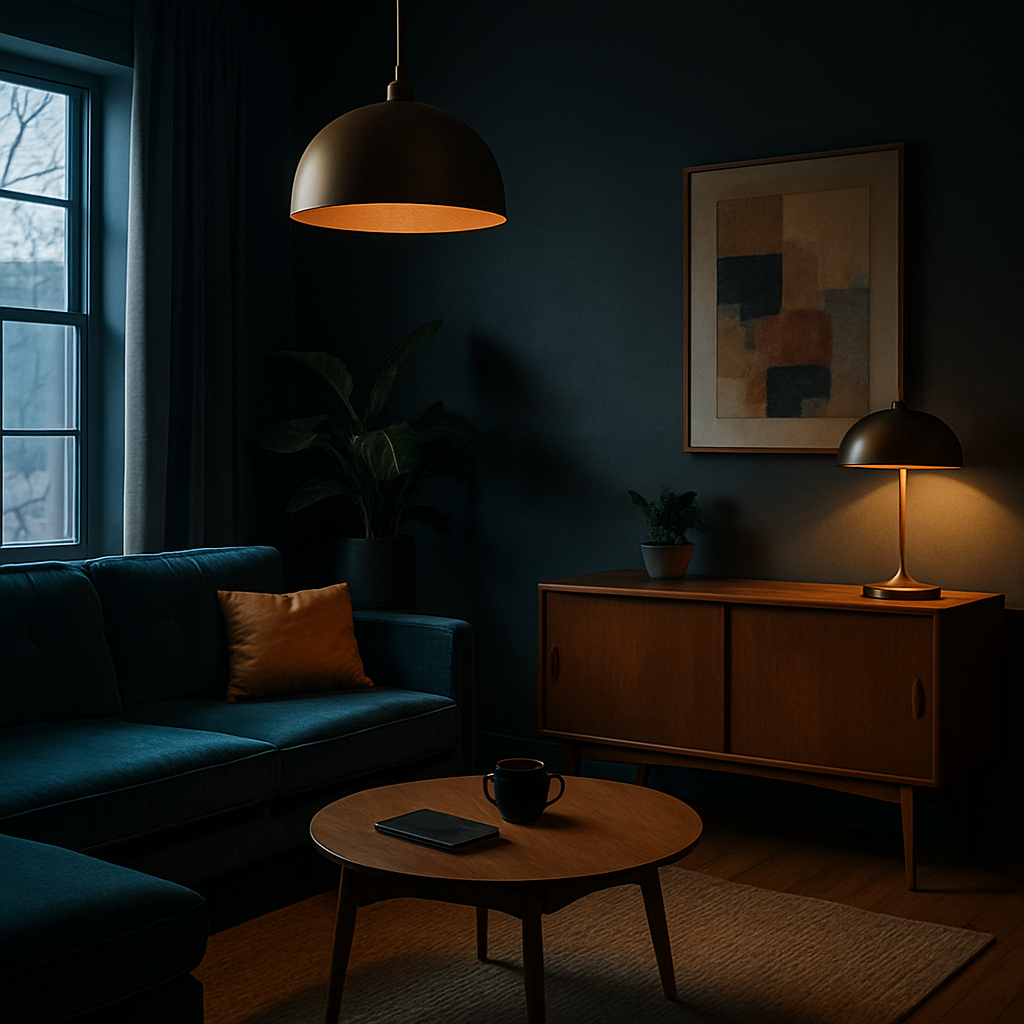
Imagine being able to redesign your living room without lifting a finger, using just your smartphone. According to a recent survey by Houzz, 57% of homeowners wish they could visualize changes before making them. With the growing availability of AI-driven interior design apps, this wish is becoming a reality. These apps offer powerful visualization tools that allow you to see what a new wall color or furniture arrangement would look like in your space, all without any commitment. In this article, we'll explore the top five free AI interior design apps that promise to transform your space with innovative tools and features. We'll delve into the foundational concepts behind these apps, provide a deeper analysis with real data, offer actionable strategies for use, and present expert insights to help you make the most informed decision.
The Foundation of AI Interior Design Apps
AI interior design apps leverage advanced algorithms to analyze your space and suggest design modifications in real-time. These apps utilize augmented reality (AR) to overlay virtual elements onto your existing space, providing a realistic preview of potential changes. For instance, by simply pointing your device's camera at a room, you can see how different paint colors, furniture, or décor items might look. This technology is not just about aesthetics; it's about functionality, helping users make informed decisions about their living spaces.
The core technology behind these apps is machine learning, which enables the app to learn from a vast database of design layouts, styles, and trends. This allows the apps to recommend personalized design solutions tailored to individual tastes and spatial constraints. The use of AR and AI means that these apps can provide a level of customization that was previously only available through professional interior designers.
Platforms like Planner 5D and Roomstyler 3D Home Planner are leading the way by offering user-friendly interfaces that require no prior design experience. With features like drag-and-drop furnishings and real-time measurement adjustments, these apps democratize design, making it accessible to everyone. Transitioning into the next section, we will examine how these apps are being used and their impact on the interior design industry.
Deeper Analysis: Data-Driven Design Decisions
AI interior design apps are revolutionizing the decision-making process by providing data-driven insights. According to the American Society of Interior Designers (ASID), data analysis is crucial in modern interior design, allowing designers and homeowners to make informed choices that maximize both aesthetic appeal and functionality. These apps collect and analyze user data to refine their recommendations, ensuring that each suggestion is tailored to the user's preferences and needs.
The ability to visualize changes before committing to them is a significant advantage. Users can experiment with different design elements without incurring any costs or making permanent changes. For example, the app Homestyler allows users to upload photos of their rooms and experiment with various design options, from flooring to furniture placement, providing a comprehensive view of potential redesigns.
Incorporating statistical data, such as popular color palettes or trending furniture styles, these apps help users stay ahead of design trends. The International Interior Design Association (IIDA) reports that well-designed interiors can increase property resale values by 5-15%, emphasizing the importance of informed design choices. Next, we will explore actionable strategies for using these apps effectively to achieve the best results.
Actionable Strategies for Using AI Design Apps
When using AI interior design apps, starting with a clear vision of your desired outcome is essential. Begin by identifying the primary purpose of the space and the mood you wish to create. Are you looking to foster relaxation, productivity, or entertainment? Knowing your goal can help guide your design choices and make the app's recommendations more relevant.
One effective strategy is to use the app's AR features to test various design elements in real-time. This allows you to see potential changes in their actual context, providing a realistic sense of how they will affect the space. For instance, apps like Houzz offer extensive libraries of furniture and décor items that you can virtually place in your room to see how they fit.
Another key strategy is to leverage these apps to explore new trends, such as biophilic design or Japandi style, both of which are popular in 2026. By experimenting with sustainable materials or minimalist aesthetics, you can create a space that feels both modern and timeless. As we move into the next section, we'll delve into expert-level details that can further enhance your design experience.
Expert-Level Insights: Maximizing App Potential
Experienced professionals often note that while AI apps are incredibly useful, they should be used in conjunction with traditional design principles. Understanding basic design concepts such as balance, proportion, and harmony can significantly enhance the effectiveness of these tools. By applying these principles, users can ensure their spaces are not only visually appealing but also functional.
Another expert tip is to use these apps to plan for future changes. For example, if you're considering a major renovation, AI apps can help you visualize the long-term impact of your decisions. This foresight can be invaluable when planning multi-phase projects, ensuring that each stage aligns with your ultimate vision.
Finally, experts recommend utilizing the community features of these apps. Platforms like Pinterest and Instagram are excellent for gathering inspiration and seeing how others have used similar design elements. By interacting with fellow users, you can gain fresh perspectives and ideas that you might not have considered. Transitioning into the next section, we'll explore additional expert details that can further enrich your design journey.
Additional Expert Details for Enhanced Design
To truly capitalize on the capabilities of AI interior design apps, users should familiarize themselves with the app's full range of tools and features. Many apps offer tutorials, webinars, and community forums where users can learn advanced techniques and tips. Engaging with these resources can elevate your design skills and help you make the most of the app's offerings.
Another key consideration is budget management. While these apps are free, the design changes they inspire can incur costs. Setting a realistic budget before starting the design process is crucial. Most AI apps allow you to create a detailed list of materials and estimated costs, helping you avoid overspending. According to industry surveys, a typical room redesign can range from $5,000 to $15,000, depending on the complexity and materials used.
Finally, integrating smart home technology can enhance the functionality of your design. Many AI apps now include features that allow you to plan for smart lighting, climate control, and automated window treatments. These elements not only improve convenience but can also increase your home's value. As we approach the conclusion, we'll synthesize our findings and provide a clear path forward.
Final Perspectives on AI Interior Design Apps
AI interior design apps are transforming the way we approach home design, offering unprecedented convenience and customization. As technology continues to advance, these tools will become even more integral to the design process, providing insights and capabilities that were once the domain of professional designers. However, it is essential to approach these tools with a clear understanding of their limitations and to use them as part of a broader design strategy.
For those new to interior design, these apps offer an accessible entry point, allowing users to explore their creativity without significant financial investment. For more experienced designers, they provide an additional layer of sophistication, enhancing traditional methods with cutting-edge technology. As these tools evolve, they will continue to shape the future of interior design, offering new possibilities for customization and personalization.
In conclusion, we'll summarize the key takeaways and provide actionable steps to begin your design journey with these powerful tools.
Conclusion: Embrace the Future of Interior Design
In summary, the top five free AI interior design apps reviewed offer powerful tools to transform your space with ease and creativity. These apps not only provide detailed visualizations but also incorporate data-driven insights and community engagement features that enhance the design process. Whether you're redecorating a single room or planning a full-home renovation, these apps can guide you through each step with precision and style.
Are you ready to take your interior design skills to the next level? Start by downloading one of these apps and experimenting with their features. Dedicate time each week to explore new design concepts and see how they can be applied to your space. As you become more comfortable with the technology, consider integrating it into your long-term design plans. Begin your journey today by browsing portfolios on platforms like Houzz or Pinterest-even just 20 minutes of research can sharpen your eye for what you want.



Comments
Post a Comment