Embrace the Dark: How to Create a Stunning Gothic Interior Design
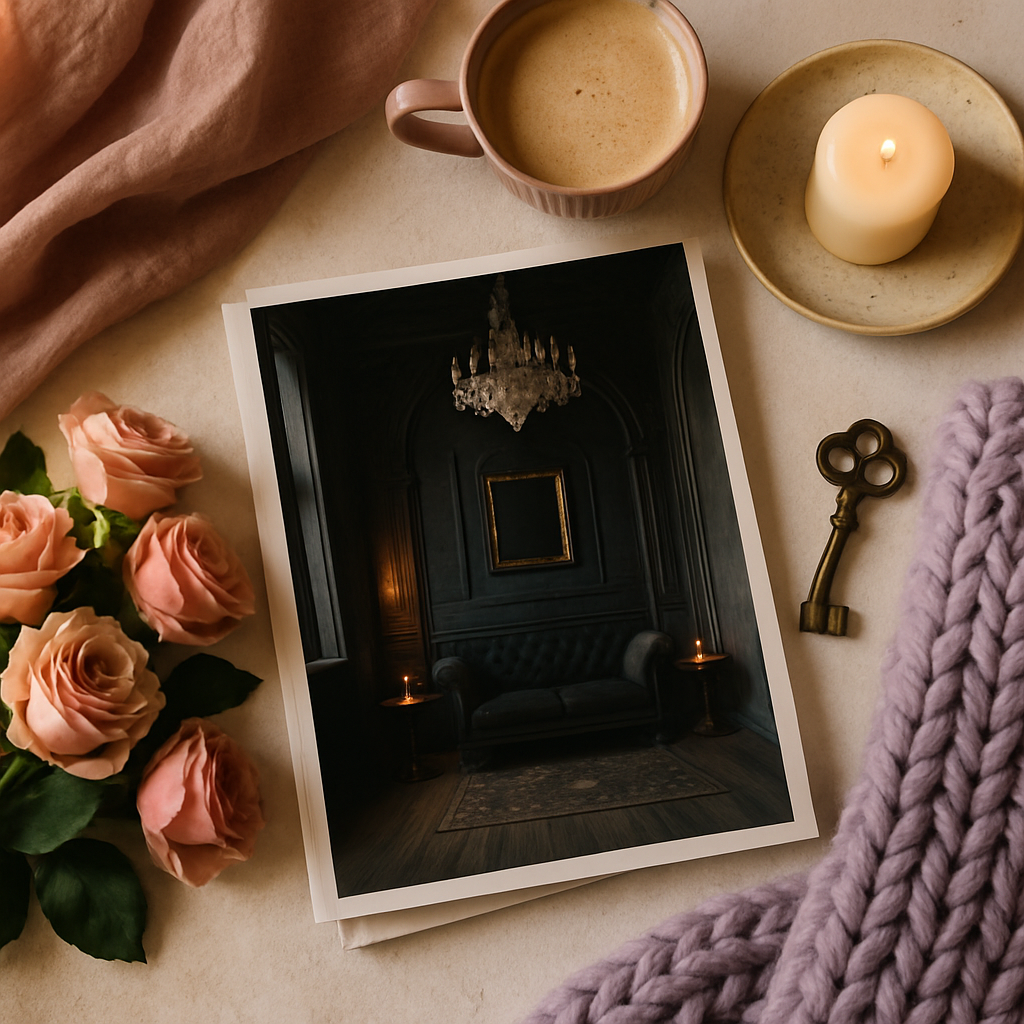
Imagine stepping into a room that envelops you in rich textures, dark hues, and a sense of mysterious elegance. Gothic interior design, with its dramatic flair and historical roots, offers an unparalleled aesthetic that truly stands out. According to a recent Houzz survey, more homeowners are exploring bold design choices, with gothic styles seeing a resurgence in popularity. This article will guide you through the foundational concepts of gothic design, delve into its historical elements, and provide actionable strategies to bring this stunning style into your home. We'll also share expert insights and advanced techniques to perfect your gothic interior.
Understanding the Foundations of Gothic Interior Design
At its core, gothic interior design is about creating a space that feels both majestic and intimate. Originating from the medieval period, this style is characterized by its use of dark color palettes, ornate detailing, and architectural elements like pointed arches and ribbed vaults. The allure of gothic design lies in its ability to evoke a sense of history and drama. By incorporating these elements, you can transform any room into a space that feels both timeless and current.
One fundamental aspect of gothic design is the use of rich, dark colors such as deep purples, blacks, and dark greens. These colors not only add depth to a room but also create a cozy, enveloping atmosphere. Textures play a crucial role as well, with velvet, leather, and brocade being popular choices for furniture and drapery. The juxtaposition of these textures against darker hues adds a layer of complexity and richness to the space.
Lighting in gothic interiors is equally distinct, often using wrought iron fixtures, candelabras, and stained glass to cast an ambient glow. The soft lighting enhances the dramatic elements of the design, creating a moody yet inviting environment. Are you ready to explore how these foundational elements can be adapted to modern interiors?
Delving Deeper: Historical and Cultural Influences
Gothic design draws heavily from the architectural styles of the medieval and renaissance periods. The pointed arches and vaulted ceilings that defined cathedrals of the time have been adapted into modern interiors through the use of archways and high ceilings. According to ASID, these architectural elements not only add visual interest but also increase the perceived size of a space, making even small rooms feel grand.
Another historical influence is the use of decorative motifs such as gargoyles, tracery, and floral patterns. These elements, often seen in gothic cathedrals, bring a touch of authenticity to the design. By incorporating such motifs into wall art or furniture carvings, you can add historical depth to your interior. Experienced professionals often note that these details are what set a truly gothic space apart from more generic dark interiors.
In recent years, there has been a trend towards blending gothic elements with modern design principles. This fusion allows for the creation of spaces that feel both historic and fresh. For example, incorporating smart home technology such as automated lighting with gothic fixtures can create a functional yet stylized environment. How can you blend these historical influences with your own modern sensibilities?
Actionable Strategies for Your Gothic Transformation
Transforming your home into a gothic haven requires careful planning and execution. Start by mapping out your space and identifying key areas where gothic elements can be incorporated. Consider the architectural features you can highlight or modify, such as adding crown molding or faux beams to enhance the gothic aesthetic. These changes can set the stage for more detailed design work.
Next, focus on your furniture and decor. Opt for pieces with intricate carvings and plush upholstery to complement the dark color palette. Thrift stores and antique shops can be goldmines for finding unique gothic-style furniture. When selecting decor items, think about incorporating elements like wrought iron candle holders, vintage mirrors, and dramatic artwork to complete the look.
Don't forget about textiles-layering rugs, curtains, and cushions in rich materials and patterns can instantly add warmth and depth. Using a mix of textures like velvet and silk can create an opulent atmosphere. As you implement these strategies, remember that balance is key. Too much dark can overwhelm a space, so be sure to add lighter accents or finishes to maintain a harmonious environment. Ready to bring these ideas to life in your space?
Expert-Level Details for Perfecting Your Design
For those looking to take their gothic interior to the next level, consider working with a certified interior designer. Professionals with credentials like the NCIDQ (National Council for Interior Design Qualification) can offer insights into optimizing your space while maintaining the gothic aesthetic. They can provide access to exclusive materials and furnishings that are not readily available to the public.
Experienced designers often recommend incorporating biophilic design principles to balance the dark, moody elements of gothic interiors. This can include adding plants or using natural materials like stone or wood to create contrast and introduce a touch of nature. The interplay between the organic and gothic can create a stunning visual effect.
Another advanced approach involves using lighting design to highlight architectural features. By using spotlights or LED lighting strips, you can draw attention to specific elements like arches or artwork, enhancing their impact. According to Architectural Digest's AD PRO network, strategic lighting can transform a room by adding layers of depth and interest. Are you curious about how these expert techniques can elevate your gothic interior?
Additional Depth: The Role of Technology and Modern Trends
Integrating modern technology into your gothic design can enhance both functionality and style. Smart home technologies, such as automated lighting and climate control, can be seamlessly incorporated without detracting from the gothic aesthetic. Using modern control panels with gothic-inspired designs can maintain the thematic consistency of the space.
Incorporating current design trends like Japandi-a fusion of Japanese minimalism and Scandinavian warmth-can also provide a fresh take on gothic interiors. This blend can soften the intense nature of traditional gothic design, making it more accessible for everyday living. Textures like bamboo and light wood can be used to complement gothic elements, creating a balanced and inviting space.
Virtual reality (VR) and augmented reality (AR) tools are becoming invaluable in interior design, allowing homeowners to visualize design changes before they are implemented. Platforms like Houzz offer these technologies, enabling you to experiment with different gothic elements digitally. This can be a cost-effective way to explore your design options before committing to a particular style. Interested in trying out these modern tools in your gothic design journey?
Final Perspectives on Gothic Interior Design
Embracing gothic interior design is about more than just aesthetics; it's about creating a space that resonates with your personal style and historical appreciation. While it may seem daunting at first, the process of transforming your home into a gothic masterpiece can be both rewarding and enriching. By understanding the foundational principles and incorporating both historical elements and modern innovations, you can craft a unique and compelling interior.
As you embark on this journey, keep in mind that gothic design is inherently personal and can be tailored to fit your lifestyle and preferences. Whether you choose to incorporate subtle gothic touches or opt for a full-fledged transformation, the key is to create a harmonious balance that reflects your individuality. How will you make the gothic style your own?
Conclusion: Taking the Next Step
Creating a stunning gothic interior design is a journey of creativity and expression. By understanding the rich history and intricate details associated with this style, you can transform your space into a dramatic and elegant retreat. As you plan your gothic design, start by browsing portfolios on platforms like Houzz to gather inspiration and refine your vision. Even 20 minutes of research can sharpen your eye for what you want.
Ready to begin your gothic transformation? Consider reaching out to a certified designer for a consultation or explore local antique shops for unique finds. Whether you make small changes or embark on a full remodel, the gothic aesthetic offers a timeless appeal that will make your home truly stand out. Embrace the dark and let your creativity shine.



Comments
Post a Comment