Top 5 Online Interior Design Tools to Revamp Your Home Effortlessly
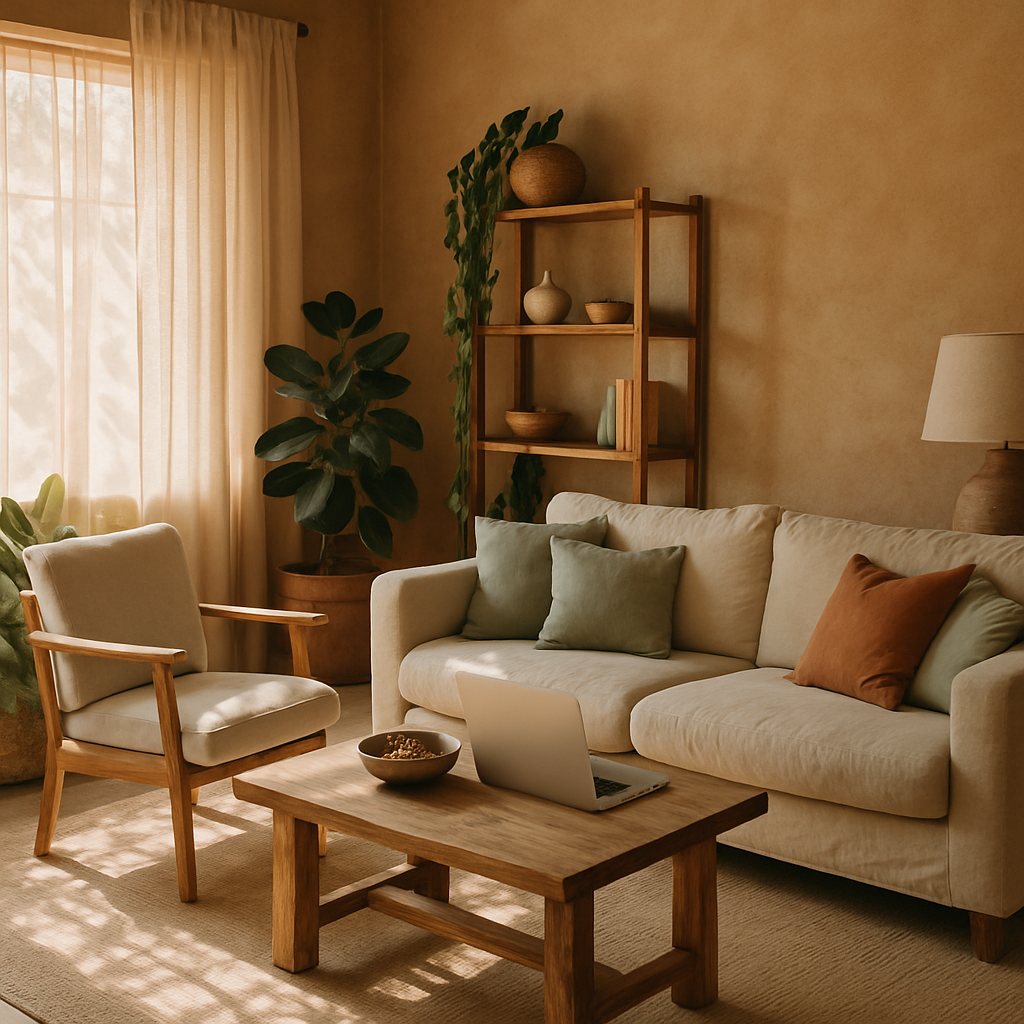
Imagine transforming your living space without the headache of endless hours of planning or the uncertainty of design decisions. According to a Houzz survey, 36% of homeowners find the design process overwhelming, primarily due to the abundance of choices. Yet, with the advent of online interior design tools, revamping your home can be as seamless as browsing through a digital catalog. This article explores five cutting-edge tools that streamline the redesign process, offering both novice and seasoned decorators the ease and confidence to craft their ideal environments. We'll dive into how these platforms work, their unique features, and how they cater to different design needs. Whether you're seeking inspiration or detailed project execution, these tools provide a path forward.
The Foundation of Online Interior Design Tools
Understanding the foundational elements of online interior design tools is crucial as they form the backbone of any successful home renovation. These tools generally offer a range of features, from mood boards to precise room layouts, allowing users to visualize their ideas in a virtual space before actualizing them. At the core, these platforms are designed to make the design process accessible, providing a guided approach to home transformation that demystifies technical aspects like spatial planning and color coordination.
Platforms such as Houzz and Modsy have become household names in this domain, offering extensive libraries of design inspiration alongside tools to implement these ideas. Houzz, for example, allows users to peruse thousands of design projects, categorized by room type and style. This empowers users to envision possibilities and develop a cohesive plan for their space. Modsy takes it a step further by offering 3D visualization, enabling users to virtually furnish their rooms with actual products.
For many, the challenge lies in translating abstract design concepts into tangible results. These tools bridge that gap by offering step-by-step guides and integrated e-commerce features that simplify purchasing decisions. This user-centric approach means that anyone can engage with the design process without needing a professional background, thus democratizing interior design.
Diving Deeper: Data and Trends in Online Design
According to recent data from the American Society of Interior Designers (ASID), the demand for online design services has surged by over 50% in the last five years. This growth reflects a broader trend towards digital solutions that cater to our increasingly connected lifestyles. Not only do these tools offer convenience, but they also incorporate evolving design trends, such as sustainable materials or biophilic design elements, directly into their platforms.
Part of the allure of these tools is their ability to interpret and visualize current design trends. For instance, the integration of smart home features is becoming a staple, with platforms like Roomstyler allowing users to experiment with automated lighting and climate control systems. This trend aligns with the growing interest in smart home technologies, which enhance both functionality and aesthetic appeal.
Moreover, the use of augmented reality (AR) and virtual reality (VR) in platforms like Planner 5D has revolutionized how users interact with design concepts. These technologies provide an immersive experience, allowing users to "walk through" their designs and make real-time adjustments. This not only enhances user engagement but also increases satisfaction, as users can see their designs come to life before making any physical changes.
Actionable Strategies for Using Design Tools
Embracing online interior design tools can be a game-changer, but knowing how to use them effectively is key. Start by clearly defining the scope of your project. Are you redesigning an entire home or just refreshing a single room? Tools like SketchUp provide detailed modeling capabilities that are ideal for comprehensive projects. They allow for precise measurements and intricate design detailing, which can be crucial for large-scale renovations.
Once the scope is set, leverage inspiration boards and style quizzes offered by platforms like DecorMatters to hone your design preferences. These features help you identify your aesthetic, funneling your ideas into a cohesive theme that guides your design choices. They also provide access to community feedback, which can be invaluable in refining your vision.
Finally, don't overlook the importance of budgeting. Many tools offer cost estimation features that help you stay on track financially. By integrating your budget into the design process from the outset, you can make informed decisions that align with your financial constraints. Experienced professionals often note that having a clear budget can prevent the common pitfall of project overspending, ensuring a smoother renovation journey.
Expert Insights on Tool Selection and Use
Choosing the right tool for your project may seem daunting, but it doesn't have to be. Experienced professionals often recommend considering your level of expertise and the complexity of your project when selecting a tool. For instance, if you're a beginner, a user-friendly platform like Roomstyler, which offers drag-and-drop functionality, might be ideal. Conversely, if you're more advanced, SketchUp's robust features might better suit your needs.
Certification can also play a role in your choice. Tools associated with professional organizations, such as those recognized by the NCIDQ (National Council for Interior Design Qualification), can offer a higher level of credibility and assurance. These tools often include features that align with industry standards, providing a reliable guide for creating professional-grade designs.
Moreover, consider tools that offer ongoing support and resources. Platforms with active communities or dedicated customer service teams can provide invaluable assistance as you navigate your project. This added support can enhance your overall experience, ensuring that you're never left in the dark if you encounter challenges along the way.
Additional Depth: Overcoming Common Challenges
Despite the numerous benefits of online interior design tools, users often face common challenges that can hinder the design process. One such challenge is the overwhelming amount of design choices available. To combat this, focus on setting clear goals and priorities for your space. For example, decide early on whether your priority is aesthetics, functionality, or a combination of both, and let this guide your decision-making process.
Another common hurdle is accurately translating virtual designs into reality. This is where platforms that offer detailed measurements and realistic renderings, like Planner 5D, become invaluable. These tools help ensure that what you see on screen matches what you will experience in your physical space, reducing discrepancies and enhancing satisfaction with the final outcome.
Lastly, staying updated with the latest features and trends is essential. Interior design is a dynamic field, and tools are continuously evolving to incorporate new technologies and design philosophies. Regularly exploring updates and new features on your chosen platform can keep your designs fresh and aligned with current industry standards.
Final Perspectives: The Future of Home Design
The future of home design is undoubtedly digital, with online tools paving the way for more accessible and personalized design experiences. As these platforms continue to innovate, they are likely to incorporate even more advanced technologies, such as AI-driven design suggestions and enhanced AR/VR capabilities. These advancements will further simplify the design process and broaden the possibilities for what can be achieved in a home space.
For anyone considering a home redesign, the opportunity to harness these tools is both exciting and empowering. They offer a new level of control over the design process, allowing users to experiment and iterate without the fear of costly mistakes. As you explore the world of online design, ask yourself: How can digital tools transform not just your space, but also the way you live and interact within it?
Ultimately, these tools are not just about aesthetics; they are about enhancing your quality of life. By embracing the potential of online interior design platforms, you can create a living environment that truly reflects your personality and lifestyle.
Conclusion
In conclusion, online interior design tools offer an unprecedented level of convenience and creativity for anyone looking to revamp their home. By leveraging platforms like Houzz, Modsy, and SketchUp, you can transform your ideas into reality, all while staying within budget and on-trend. As you embark on your design journey, remember that the right tool can make all the difference, turning what once seemed daunting into an enjoyable and fulfilling experience.
Start by exploring these platforms and experimenting with their features. Dive into community forums, seek inspiration, and let your creativity flow. The next step is simple: browse designer portfolios on Houzz this week-investing even 20 minutes will enhance your understanding of what you desire. Your ideal home design is just a few clicks away.
More Articles You May Like



Comments
Post a Comment