The Ultimate Guide to Minimalist Room Interior Design: Achieve Serenity in Style
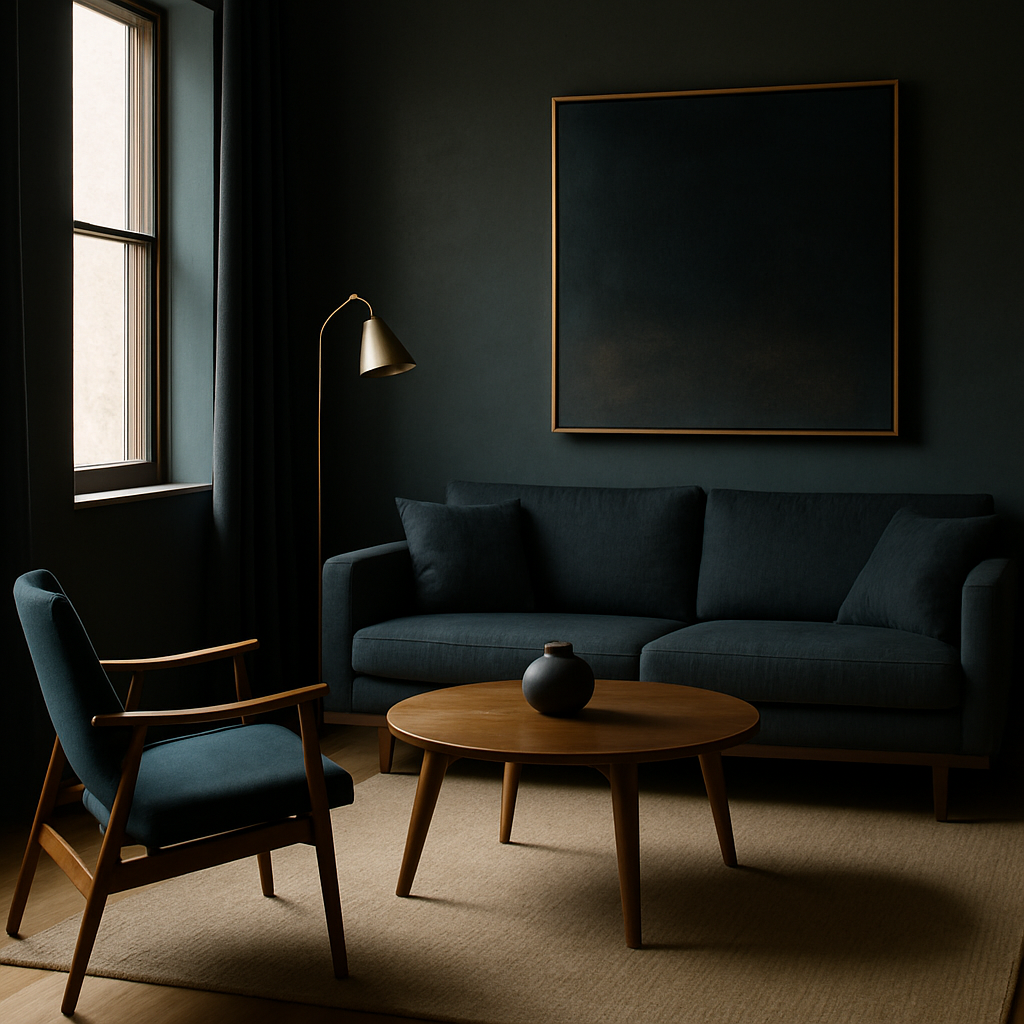
Imagine stepping into a room where every item serves a purpose, and the tranquility of the space invites calmness into your hectic life. This is the promise of minimalist room interior design. With the growing demand for simplicity and functionality, the minimalist approach is not just a trend but a lifestyle choice for many. In this guide, we'll explore the foundational concepts of minimalist design, delve into data-driven insights, offer actionable strategies, and provide expert-level details to help you create a serene yet stylish environment. Whether you're redesigning a single room or your entire home, this comprehensive guide will equip you with the knowledge to make informed decisions.
Understanding the Core Principles of Minimalist Design
At its essence, minimalist interior design revolves around the mantra of "less is more." This design philosophy emphasizes simplicity, clean lines, and a monochromatic palette with color used as an accent. The goal is to create spaces that are free from clutter, allowing for a focus on the form and function of each piece. It's about curating a selection of furniture and decor that serves a purpose, ensuring that each element contributes to the overall harmony of the room.
The minimalist design often incorporates open spaces, which provide a sense of freedom and airiness. By reducing the number of items in a room, you can enhance both the physical and visual space, promoting a feeling of tranquility and order. This approach is particularly beneficial in smaller homes or apartments where every square foot counts. The minimalist style is not just about aesthetics; it's about creating a functional environment that supports your lifestyle.
Functionality is a key aspect of minimalist design. Each piece of furniture or decor should have a clear purpose. For example, a sofa might include hidden storage, or a coffee table could double as a workspace. This multi-functionality is what sets minimalist interiors apart from other styles. Are you finding it challenging to let go of that extra chair or decorative vase? Consider whether these items contribute to the room's functionality or are merely taking up space.
Exploring the Impact of Minimalist Design: Facts and Figures
Industry surveys suggest that minimalist design can increase a home's resale value by 5-15%, highlighting its appeal to potential buyers. According to Houzz's annual survey, 78% of homeowners expressed satisfaction with minimalist design choices, citing the style's ability to create more open and calming environments. This data underscores the growing popularity of minimalism as a preferred design choice.
Moreover, studies have shown that cluttered environments can lead to increased stress levels. The National Institute of Mental Health notes that a tidy space can significantly reduce anxiety, allowing for better focus and relaxation. By adopting minimalist principles, you're not only enhancing your living environment but also contributing to your mental well-being. This is particularly relevant in today's fast-paced world, where finding moments of peace can be challenging.
Minimalism isn't just about aesthetics; it's also about sustainability. By choosing fewer, high-quality items, you reduce waste and promote an eco-friendly lifestyle. Many minimalist designs incorporate sustainable materials, such as reclaimed wood and recycled metals. This approach not only benefits the environment but also supports ethical consumerism, aligning with the values of many modern homeowners.
Actionable Steps to Implement Minimalist Design in Your Space
Ready to transform your home into a minimalist haven? Start by decluttering. Go room by room and assess each item. Does it serve a purpose? Does it bring you joy? If not, it might be time to let it go. Consider donating or selling items that are still in good condition. This process can be liberating and sets the foundation for a minimalist design.
Next, focus on a neutral color palette. Whites, greys, and beiges create a calming backdrop that allows other elements of your design to stand out. Use colors sparingly to add interest through art, textiles, or a statement piece of furniture. This approach ensures that your space remains cohesive and visually appealing without overwhelming the senses.
Finally, invest in quality over quantity. Choose furniture that is both functional and timeless. Look for pieces with clean lines and a simple design. When it comes to decor, opt for a few well-chosen items rather than numerous knick-knacks. This not only enhances the aesthetic but also makes cleaning and maintenance easier. Are there specific pieces you've been eyeing that align with this minimalist ethos?
Expert Insights on Achieving a Minimalist Aesthetic
Experienced professionals often note that lighting plays a crucial role in minimalist design. Natural light should be maximized where possible, creating a warm and inviting atmosphere. Consider using sheer curtains or blinds that can be easily adjusted to control the light without adding visual clutter. In spaces where natural light is limited, incorporate artificial lighting that mimics daylight through the use of smart bulbs.
Incorporating natural elements is another key strategy. Biophilic design, which integrates natural materials and elements into the built environment, is increasingly popular in minimalist interiors. Think of adding a few well-placed plants, a wooden coffee table, or stone accents to bring a touch of nature indoors. This not only enhances aesthetic appeal but also improves air quality and creates a more soothing environment.
For those who are unsure about their design choices, consider using AR/VR room visualization tools. These advanced technologies allow you to experiment with different layouts and designs before making a commitment. Platforms like Houzz offer virtual design consultations that can provide valuable perspectives and help refine your vision. Have you considered seeking professional advice or utilizing these tools to perfect your minimalist design?
Additional Considerations for Minimalist Design Success
When embarking on a minimalist design project, budgeting is essential. According to the American Society of Interior Designers (ASID), a single room redesign can range from $5,000 to $15,000, depending on the scope and materials used. It's important to allocate funds for quality pieces that will stand the test of time, rather than opting for cheaper, less durable options.
Another consideration is the integration of smart home technology. From automated lighting and climate control to smart window treatments, these innovations can enhance the functionality and comfort of a minimalist space. By incorporating technology seamlessly, you can maintain the clean lines and simplicity that define minimalist design.
Lastly, remember that minimalist design is a personal journey. It's about creating a space that reflects your personality and supports your lifestyle. There is no one-size-fits-all approach, so feel free to adapt these principles to suit your needs. As you refine your space, consider how each choice aligns with your vision of simplicity and serenity.
Final Thoughts on Embracing Minimalism
Minimalist room interior design offers more than just aesthetic appeal; it provides a pathway to a more organized, stress-free lifestyle. By focusing on simplicity and functionality, you can create environments that support your well-being and foster serenity. As you implement these strategies, remember that the journey is just as important as the destination.
Embracing minimalism is not about depriving yourself of possessions but rather about making intentional choices that enhance your living environment. As you continue to refine your space, consider the impact of each decision on your daily life and overall happiness. Are you ready to embrace the simplicity and elegance that minimalist design can bring to your home?
Conclusion
In conclusion, minimalist room interior design is a powerful tool for transforming your home into a serene and stylish haven. By understanding the core principles, leveraging data-driven insights, and applying actionable strategies, you can create spaces that not only look beautiful but also enhance your quality of life. Remember, simplicity and functionality are at the heart of minimalism. Start by exploring platforms like Houzz to gather inspiration and connect with professionals who can help bring your vision to life. Even dedicating a small amount of time each week to research and planning can lead to significant improvements. Ready to take the first step? Begin your minimalist journey today and experience the serenity it can offer.



Comments
Post a Comment