Maximalist Interior Design: Transform Your Space with Bold Colors and Patterns
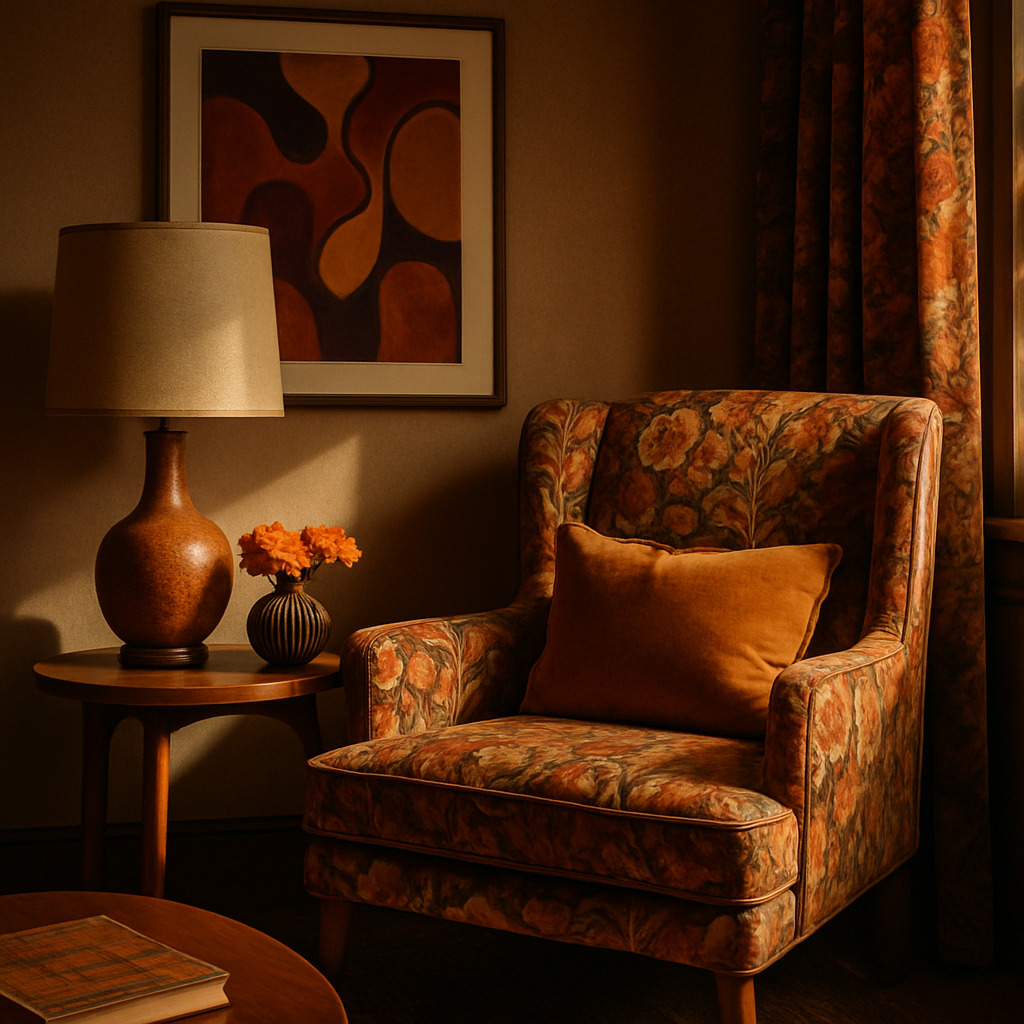
Picture walking into a room that feels like a kaleidoscope of colors, patterns, and textures, each element telling its own unique story. This is the essence of maximalist interior design, a bold approach that defies the minimalist trend and embraces abundance. According to a recent survey by Houzz, 38% of homeowners are now incorporating more vibrant colors into their spaces, signaling a shift towards maximalism. This article will explore the foundational concepts of maximalism, delve into the reasons behind its rising popularity, and provide actionable strategies to transform your home. We'll also include expert insights and additional details to help you make the most of this dynamic design trend.
Understanding the Foundations of Maximalist Design
Maximalist interior design is all about creating an expressive and dynamic environment through the use of rich colors, intricate patterns, and a mix of textures. Unlike minimalism, which emphasizes simplicity and understated elegance, maximalism celebrates complexity and abundance. The philosophy behind this style is that more is more, allowing you to indulge in your design instincts and showcase your personality through your decor. It encourages layering elements in a way that feels curated rather than cluttered.
In practice, maximalism is about finding a harmonious balance between various design elements. Think of it as composing a symphony where each instrument plays a crucial role in creating a cohesive melody. Incorporating bold colors like emerald green, cobalt blue, or rich jewel tones can serve as the cornerstone of a maximalist room. Patterns, whether in wallpaper, upholstery, or rugs, add depth and interest, while textures such as velvet, silk, and leather enhance the tactile experience of the space.
As experienced professionals often note, successful maximalist design requires a keen eye for detail and a willingness to push boundaries. It's essential to have a clear vision of how each piece fits into the overall composition. This approach allows for a personalized space that reflects the homeowner's tastes and experiences, often resulting in a design that feels as much curated as it is lived in. With this foundation laid, we can now explore why maximalism is gaining traction among design enthusiasts.
The Rise of Maximalism: A Closer Look
In recent years, maximalism has surged in popularity as homeowners seek to create spaces that reflect their individuality. According to the American Society of Interior Designers (ASID), there has been a noticeable shift towards more personalized and character-rich interiors. This trend is partly driven by the desire for homes to serve as sanctuaries that tell a story and evoke emotion, contrasting with the impersonal feel of some minimalist designs.
Data from Architectural Digest's AD PRO network indicates that maximalism resonates particularly well with younger demographics who value self-expression. These individuals are more likely to experiment with bold color palettes and eclectic decor, using their homes as a canvas for personal storytelling. This demographic shift is supported by the growing presence of maximalist aesthetics on social media platforms like Instagram and Pinterest, where users share vibrant and visually rich spaces that inspire others.
Moreover, economic factors have played a role in this design trend. As real estate prices rise, many homeowners opt to invest in their current properties rather than move. By adopting maximalist design principles, they can refresh their spaces and add a personal touch without the need for costly structural changes. The result is an environment that not only increases homeowner satisfaction but can also enhance resale value by up to 15%, according to industry surveys.
Strategies for Embracing Maximalism in Your Home
Ready to dive into the world of maximalist interior design? Start by identifying key areas in your home that could benefit from a splash of color or pattern. Consider spaces like living rooms or bedrooms where you spend a significant amount of time. Begin with a bold statement piece, such as a brightly colored sofa or an intricately patterned rug, to set the tone for the rest of the room.
Layering is crucial in maximalism, so think about how you can combine different materials and textures to create depth. Mix and match materials like velvet and leather, or pair vibrant prints with neutral backdrops to prevent the space from feeling overwhelming. If you're unsure where to start, platforms like Houzz offer a wealth of designer portfolios and project photos for inspiration.
Lighting also plays a pivotal role in maximalist design. Use a mix of ambient, task, and accent lighting to highlight various elements in the room. Consider statement light fixtures or colorful lampshades to add an additional layer of interest. Are you considering integrating smart home technology? Automated window treatments or adjustable lighting systems can enhance the functionality of your space while staying true to the maximalist ethos. As you explore these strategies, keep in mind the ultimate goal: to create a space that feels vibrant, welcoming, and uniquely yours.
Expert Insights on Achieving Maximalist Harmony
For those new to maximalist interior design, it may seem daunting to balance so many elements without creating chaos. However, experts like those at the National Council for Interior Design Qualification (NCIDQ) suggest focusing on a central theme or color scheme to unify the space. This approach provides a framework within which you can experiment with different textures and patterns without losing cohesion.
Experienced designers often recommend using a "rule of threes" when incorporating patterns. Choose three patterns of varying scales-small, medium, and large-and distribute them evenly throughout the room. This technique prevents any one pattern from dominating the space while allowing for visual interest and balance. For example, pair a large floral print with a medium-sized geometric pattern and a subtle stripe to achieve this effect.
Another professional tip involves the use of artwork to anchor a maximalist design. Large-scale pieces can serve as focal points, drawing the eye and providing a visual rest in a busy room. Consider sourcing artwork from local artists or galleries to add a personal touch to your space. Remember, maximalism is about creating a narrative through design, so choose pieces that resonate with you personally and complement the overall aesthetic.
Additional Considerations for Maximalist Spaces
While maximalism offers a rich tapestry of possibilities, it's essential to consider practical aspects to ensure the space remains functional. Storage solutions are crucial, as they allow you to rotate decorative items and keep the room organized. Built-in shelving or decorative storage boxes can provide ample space for displaying and storing pieces, helping to maintain a balance between abundance and order.
Budgeting is another important factor when planning a maximalist redesign. Setting clear financial boundaries will help guide your choices and prevent overspending. According to Houzz's annual survey, homeowners typically spend between $5,000 and $15,000 on a single room redesign, but costs can vary widely depending on the scope and scale of the project. Consider starting with one room before expanding to others, allowing you to refine your approach as you gain confidence.
Finally, sustainability is becoming a key consideration in interior design. Opt for sustainable materials and practices where possible, such as reclaimed wood or second-hand furniture, to reduce environmental impact. This approach not only supports eco-friendly practices but can also add a layer of history and character to your maximalist space. As you consider these additional factors, remember that the ultimate goal of maximalism is to create a space that feels both abundant and harmonious.
Final Perspectives on Maximalist Design
Maximalist interior design offers a refreshing departure from the restrained minimalism that has dominated the past decade. Its emphasis on bold colors, patterns, and textures allows for a dynamic and personalized living space. By following the strategies and insights shared in this article, you can confidently embrace maximalism and transform your home into a vibrant reflection of your personality.
As you embark on this design journey, consider how maximalism can enhance not just the aesthetic appeal of your space, but also its functionality and emotional resonance. Are there areas in your home that could benefit from a more expressive design approach? By addressing these questions, you can ensure that your maximalist transformation is both impactful and meaningful.
In conclusion, maximalism invites you to explore the full spectrum of design possibilities, creating spaces that are as complex and unique as the people who inhabit them. Start by browsing portfolios on Houzz this week-spending even 20 minutes on research can sharpen your eye for what you truly desire in your home. By taking this step, you set the stage for a successful and fulfilling maximalist design experience.



Comments
Post a Comment